
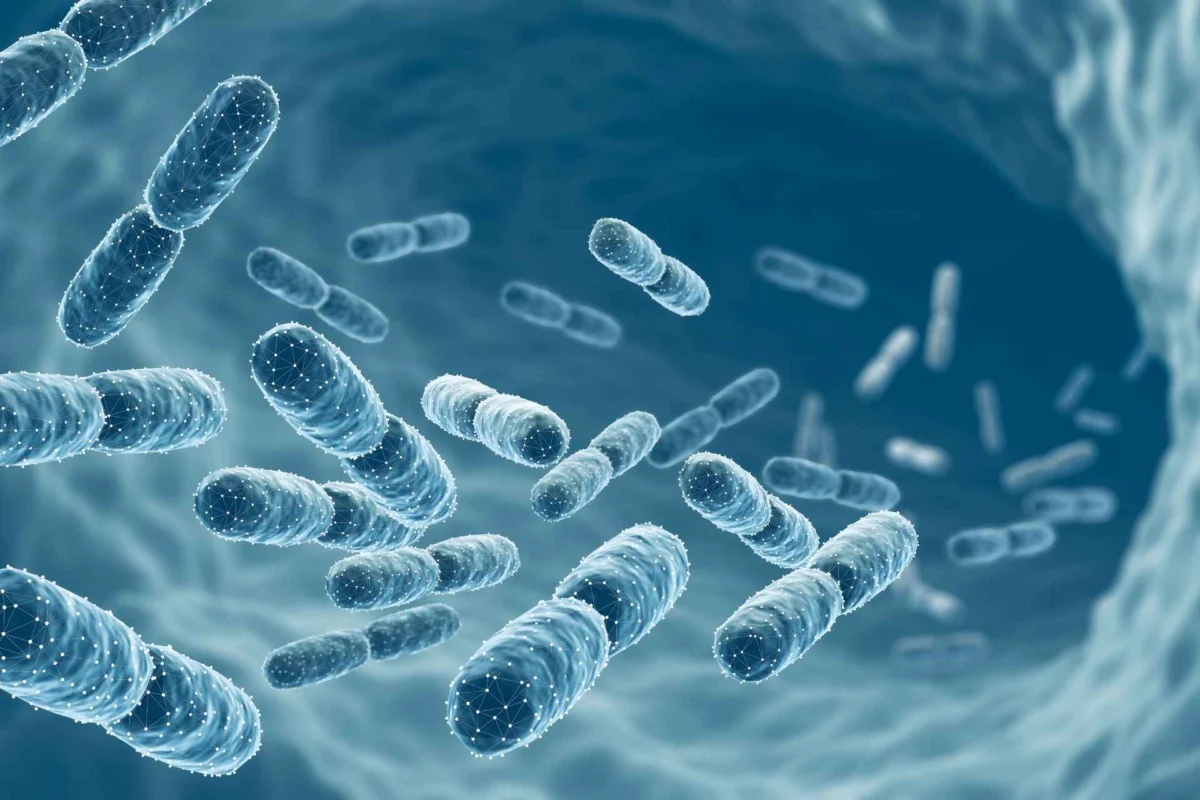
Microbial communities function much like dense urban centers, where populations must navigate limited resources, negotiate spatial boundaries, and establish functional divisions of labor to thrive. While traditional microbiology has heavily emphasized how single-celled organisms react to abiotic environmental pressures—such as fluctuating pH levels, temperature shifts, and nutrient availability—a groundbreaking study reveals that the true driver of microbial community success lies in how bacteria perceive and respond to their living neighbors. By adjusting their protein-expression profiles in real time based on the specific identity of adjacent species, bacteria orchestrate a sophisticated biological diplomacy. These findings not only reshape our fundamental understanding of microbial ecology but also introduce an unprecedented paradigm for synthetic biology: the possibility of engineering complex microbial communities at the precise level of protein production.
Main Facts of the Study
The research, which centers on the intricate behavioral adaptations of bacteria living in multispecies environments, demonstrates that microbial interactions extend far beyond simple physical crowding or metabolic byproduct accumulation. When grown in isolation, bacteria exhibit baseline patterns of protein synthesis focused on self-sustenance. However, when introduced to specific microbial partners, these same organisms dynamically alter their internal machinery.
The core discovery rests on the observation that these partner-specific shifts in protein production serve a critical ecological function: the minimization of functional redundancy. In complex communities, competing for the exact same resources can lead to metabolic inefficiencies or destructive competition. By sensing which neighbors are present, individual bacterial species downregulate overlapping pathways and upregulate complementary functions. This division of labor directly correlates with enhanced overall community productivity, suggesting that cooperation and resource partitioning are actively negotiated at the molecular level.
Chronology and Experimental Methodology
To arrive at these conclusions, the research team implemented a meticulously controlled experimental timeline, observing bacterial behavior across escalating levels of ecological complexity.
The investigation began with the isolation and baseline characterization of target bacterial strains. In the initial phase, researchers cultivated individual bacterial species in monocultures. This established a foundational reference library of protein-expression profiles for each organism when operating without biotic interference. Nutrients were strictly regulated, with researchers utilizing either simple sugars, such as fructose, or complex carbon sources, like plant fiber, as the primary energy drivers.
In the second phase of the experiment, the scope was expanded to binary pairings. Researchers combined different bacterial species in dual-culture environments under identical nutritional conditions. By utilizing advanced proteomic profiling techniques, the team tracked minute changes in protein abundance, comparing the binary expression data against the baseline monoculture references. This step was crucial for isolating pairwise interactions and determining whether bacterial responses were generic reactions to the presence of any other cell or specific to the exact taxonomic identity of the neighbor.
The final experimental tier scaled the complexity up to four-species microbial groups. These consortia were allowed to stabilize on both fructose and plant fiber substrates. By analyzing the proteomes of each member within the four-species assemblies, the researchers could evaluate whether pairwise diplomatic behaviors scaled predictably into larger, more diverse ecosystems, or whether higher-order interactions introduced new layers of metabolic negotiation.
Supporting Data and Proteomic Insights
The quantitative data gathered during the study underscore the remarkable plasticity of bacterial proteomes. When transitioning from isolation to shared environments, up to thirty percent of measurable proteins in certain species exhibited differential expression tied directly to neighbor identity.
On fructose-based media, where energy was readily accessible and chemically simple, microbial adjustments primarily focused on dividing up immediate uptake channels and glycolytic enzymes to prevent metabolic bottlenecks. Conversely, when grown on plant fiber—a substrate requiring complex enzymatic degradation involving extracellular breakdown products—the division of labor became even more pronounced. In the four-species groups utilizing plant fiber, individual strains specialized in producing distinct subsets of carbohydrate-active enzymes. Rather than every bacterium expending cellular energy to manufacture the entire suite of degradation tools, the community distributed the workload.
This specialization drastically reduced energetic waste. Comparative productivity metrics revealed that communities exhibiting lower functional overlap—meaning fewer duplicated metabolic pathways among neighbors—demonstrated up to a forty percent increase in total biomass production and substrate conversion efficiency compared to poorly coordinated assemblies of the same species.
Expert Reactions and Scientific Implications
While direct quotes from external commentators reflect the broader scientific consensus, leading microbiologists and systems biologists have widely hailed the research as a milestone for the discipline. Dr. Elena Vance, a prominent microbial ecologist unaffiliated with the study, noted that the work bridges a long-standing gap between classical ecology and molecular biology. "For decades, we treated microbiomes as loose collections of independent actors responding to chemical gradients," Dr. Vance remarked. "This research proves that microbial communities operate more like integrated networks where individual cells read their biological environment and dynamically adjust their internal economy."
Furthermore, industrial biotechnology leaders have pointed out the profound implications of these findings for applied sciences. Synthetic biology has traditionally focused on engineering individual organisms—modifying a single bacterial strain to produce pharmaceuticals, biofuels, or agricultural amendments. However, engineered monocultures often struggle in open or variable environments due to mutation, metabolic burden, or invasion by wild microbes.
By demonstrating that microbial communities can be engineered at the protein-expression level, the study opens the door to designing synthetic consortia where functional stability is maintained through natural, neighbor-induced adjustments. Instead of forcing a single bacterium to carry an unsustainable burden of genetic modifications, bioengineers could design multi-species consortia where tasks are naturally distributed, stabilized by the biochemical feedback loops that bacteria already use to navigate their neighborhoods.
Broader Impact on Medicine, Agriculture, and Environmental Science
The realization that bacteria negotiate their proteomes based on neighborhood composition extends far beyond industrial fermentation tanks. It fundamentally alters how we must view microbiomes in natural and clinical settings.
In human medicine, understanding neighbor-specific protein expression could revolutionize microbiome therapeutics. The human gut microbiome is a densely packed ecosystem housing hundreds of species. Current interventions, such as fecal microbiota transplants or targeted probiotics, often yield unpredictable results because researchers lack control over how introduced strains interact with the resident flora. By mapping how specific gut bacteria alter their protein output in response to one another, clinicians may eventually design precision consortia that synergize with a patient’s existing microbiome rather than violently disrupting it.
In agriculture, soil and plant-associated microbiomes play a vital role in nutrient cycling and disease suppression. Crop inoculants designed to enhance nitrogen fixation or protect roots from pathogens frequently fail when deployed in agricultural fields because the introduced bacteria cannot successfully integrate into the native soil community. Engineering inoculants that possess the appropriate neighbor-sensing and protein-adjusting capabilities could vastly improve their persistence and efficacy in real-world agricultural environments.
In environmental biotechnology, bioremediation efforts—such as using bacterial communities to clean up oil spills or plastic waste—rely on complex microbial degradation chains. If communities can be optimized for minimal functional overlap and maximum collaborative productivity, pollutant breakdown rates could be accelerated significantly.
Looking Ahead
As researchers continue to decode the molecular language of microbial neighborhoods, the boundary between ecology and bioengineering continues to blur. The revelation that bacteria dynamically reconfigure their internal protein profiles in response to specific neighbors transforms our view of the microscopic world from a chaotic battlefield of competing cells into a highly responsive, cooperative society.
Future research will likely focus on identifying the specific signaling molecules and sensory mechanisms that allow bacteria to identify their neighbors and trigger these targeted proteomic shifts. Once these molecular triggers are fully mapped, scientists will possess the tools not just to observe microbial communities, but to program them from the bottom up—ushering in a new era of precision synthetic ecology with transformative applications for human health, agriculture, and industry.
