
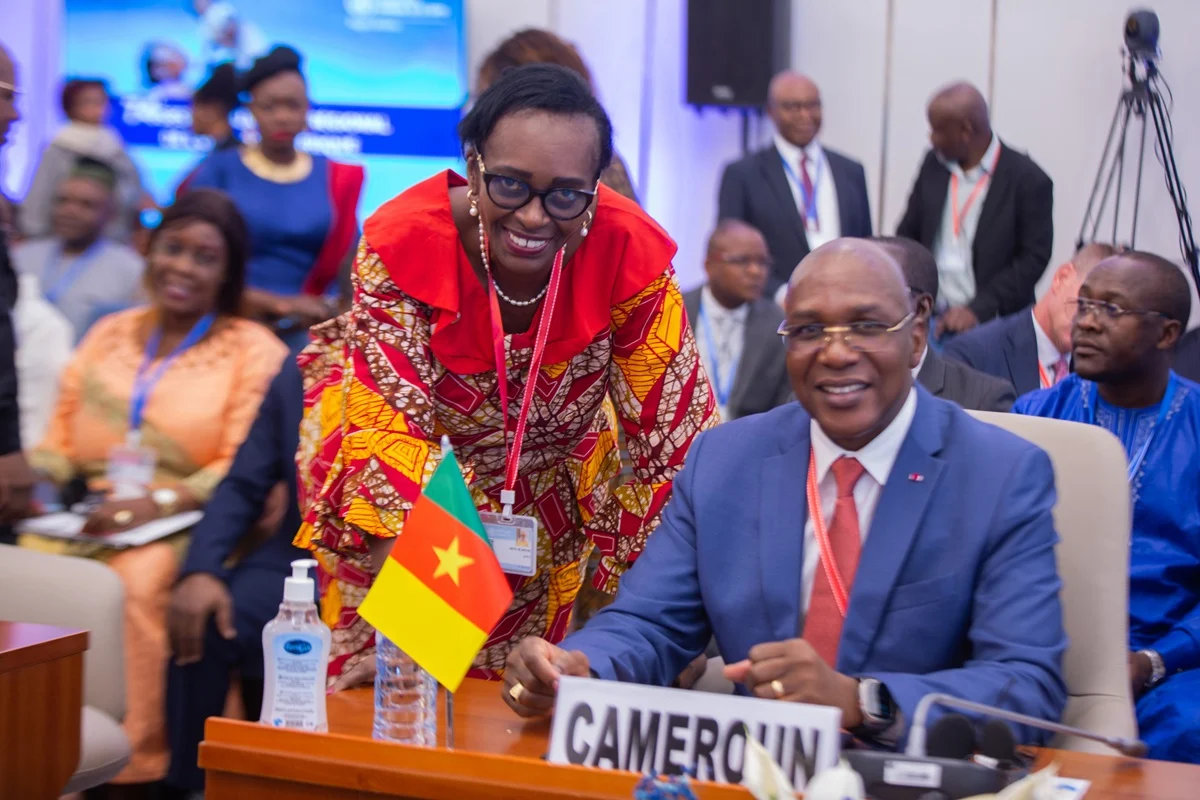
In a significant display of continental solidarity and commitment to global health security, 14 African nations and a coalition of international development partners have pledged a combined total exceeding US$ 45 million to the World Health Organization (WHO) Investment Round. This financial commitment, announced during the 74th session of the WHO Regional Committee for Africa, marks a pivotal moment in the ongoing effort to secure stable, flexible, and predictable funding for the world’s leading health authority. The pledges serve as a foundational step in the broader, four-year strategy initiated by the WHO to shift its financial model away from reliance on highly earmarked, short-term contributions toward a more sustainable and strategic funding framework.
The Evolution of the WHO Investment Round
The WHO Investment Round is not merely a fundraising campaign; it represents a fundamental shift in how the international community approaches global health governance. Launched officially at the 77th World Health Assembly in May 2024, the initiative was conceived in response to long-standing criticisms that the organization’s budget was too fragmented and constrained by the specific interests of individual donors.
Historically, the WHO has struggled with a funding structure where the majority of contributions are "earmarked"—restricted to specific diseases or geographic programs. While this allows donors to direct resources where they see fit, it often creates administrative silos and prevents the organization from responding nimbly to emerging threats or strengthening the foundational health systems that underpin all health outcomes. The Investment Round aims to rectify this by soliciting "flexible" funding, allowing the WHO to deploy resources according to its approved General Programme of Work, thereby enhancing its operational agility and long-term strategic planning.
A Chronology of Financial Transformation
The road to the current Investment Round began several years ago, as the COVID-19 pandemic laid bare the vulnerabilities in the global health architecture. In the wake of the pandemic, the WHO Member States engaged in extensive consultations regarding the organization’s financial sustainability.
- May 2024: The WHO launches the Investment Round at the World Health Assembly, signaling a formal appeal to Member States and philanthropic partners to secure a more resilient funding base for the 2025–2028 period.
- June–August 2024: A series of high-level consultations and regional briefings are held to socialize the initiative with key stakeholders, including the G7, G20, and the African Union.
- August 2024: During the Regional Committee for Africa, held in Brazzaville, the 14 African nations formalize their pledges, setting a benchmark for other regions to follow as the Investment Round moves toward its concluding phase.
- Upcoming Q4 2024: Further pledging moments are scheduled globally to culminate the initiative, with the goal of securing the total budget required for the next four-year cycle.
Participating Nations and the Strategic Significance
The countries that led the charge—Botswana, Cabo Verde, Chad, Congo, Ethiopia, Gambia, Mauritius, Namibia, Niger, Rwanda, Senegal, Seychelles, South Africa, and the United Republic of Tanzania—represent a diverse cross-section of the African continent. Their collective action carries significant political weight. By prioritizing the WHO’s fiscal health, these nations are signaling that they view the organization not merely as a service provider, but as a critical piece of sovereign infrastructure that requires collective investment to function effectively.
This group includes both large, emerging economies and smaller nations, demonstrating that the need for a strong, centralized global health coordinator is universally recognized. For countries like Rwanda and South Africa, which have made significant strides in domestic health infrastructure, the investment is seen as a way to ensure that regional health security is bolstered by a well-resourced global partner capable of providing technical expertise, regulatory support, and crisis coordination.
A Coalition of Philanthropic and Institutional Partners
The financial support was bolstered by a range of non-state actors whose participation underscores the "multi-stakeholder" nature of modern global health. Partners such as the Bill & Melinda Gates Foundation, the African Development Bank, the Helmsley Charitable Trust, the World Diabetes Foundation, Roche, the Kuwait Fund for Arab Economic Development, and the WHO Foundation have all signaled their intent to participate.
The involvement of the African Development Bank is particularly noteworthy. It reflects a growing recognition that health is an economic imperative. By investing in the WHO, these institutional partners are essentially de-risking global economies against the catastrophic costs of future pandemics and chronic disease burdens. The participation of private sector entities like Roche also highlights the shift toward public-private partnerships in global health, though these are carefully managed to ensure that private interests do not compromise the WHO’s normative role in setting global health standards.
Implications for Global Health Architecture
The US$ 45 million pledged by African nations serves as a proof-of-concept for the Investment Round. Analysts suggest that if the WHO can achieve its goal of broad-based, flexible funding, the implications for global health will be profound.
Firstly, a more resilient WHO can better support Universal Health Coverage (UHC) initiatives. With predictable funding, the organization can assist nations in training frontline health workers, strengthening supply chains for vaccines and essential medicines, and building digital health surveillance systems that are not reliant on the erratic nature of emergency-response funding.
Secondly, the shift toward flexible funding reduces the administrative burden on the WHO secretariat. Currently, the organization must manage thousands of individual grants, each with its own reporting requirements and specific mandates. This "fragmentation tax" consumes time and expertise that could otherwise be directed toward policy development and technical support. A consolidated, flexible budget would streamline these operations, allowing for a more focused and efficient deployment of staff.
Official Responses and the Road Ahead
Dr. Tedros Adhanom Ghebreyesus, in his remarks to the Regional Committee, framed the pledges as a vote of confidence in the organization’s mandate. "Full, sustainable funding will enable WHO to support countries better in their work to build healthier, more resilient, and more prosperous populations," Dr. Tedros stated. His emphasis on "predictable and flexible resources" is a recurring theme in his leadership, aimed at moving the WHO away from the "stop-start" funding cycles that have plagued its historical performance.
Dr. Matshidiso Moeti, the WHO Regional Director for Africa, provided further context regarding the regional necessity of this investment. She noted that the African continent faces a unique constellation of health threats, ranging from climate-sensitive diseases to the rising burden of non-communicable illnesses. For Dr. Moeti, the pledge is a strategic move to ensure that the WHO remains the "nerve center" for regional health policy. "A strong, predictable and sustainably financed WHO is essential for our region and the world to meet the multiple health threats we face," she emphasized.
Addressing the Funding Gap: Challenges and Opportunities
Despite the success of the pledges in Africa, the WHO still faces a significant funding gap. The global health environment is increasingly competitive, with various global funds (such as the Global Fund and Gavi, the Vaccine Alliance) vying for the same pool of donor resources. Furthermore, geopolitical tensions have created a difficult environment for multilateral fundraising.
However, the WHO’s strategy is to highlight the "return on investment." Research has consistently shown that for every dollar invested in the WHO, the global return is significantly higher in terms of avoided healthcare costs, reduced productivity losses, and prevented mortality. By framing the Investment Round around the concept of "Global Public Goods," the WHO is attempting to appeal to the enlightened self-interest of donor nations.
Conclusion: A New Era for WHO Funding
The pledges from the 14 African nations and their partners represent more than just a financial transaction; they are a political statement regarding the future of international cooperation. As the world becomes increasingly interconnected, the ability of the WHO to function as an independent, well-resourced entity is paramount.
The success of the Investment Round in the coming months will depend on whether this momentum can be sustained in other WHO regions, particularly among the G20 nations, which provide the bulk of global health funding. The commitment shown in Africa provides a strong, unified mandate for the organization to continue its work, setting a precedent that when nations align their interests with global health security, the resulting investment creates a safer and more resilient world for all. As the initiative moves forward, the global community will be watching to see if this model of sustainable, predictable financing can indeed provide the foundation for a stronger WHO in the decades to come.
