
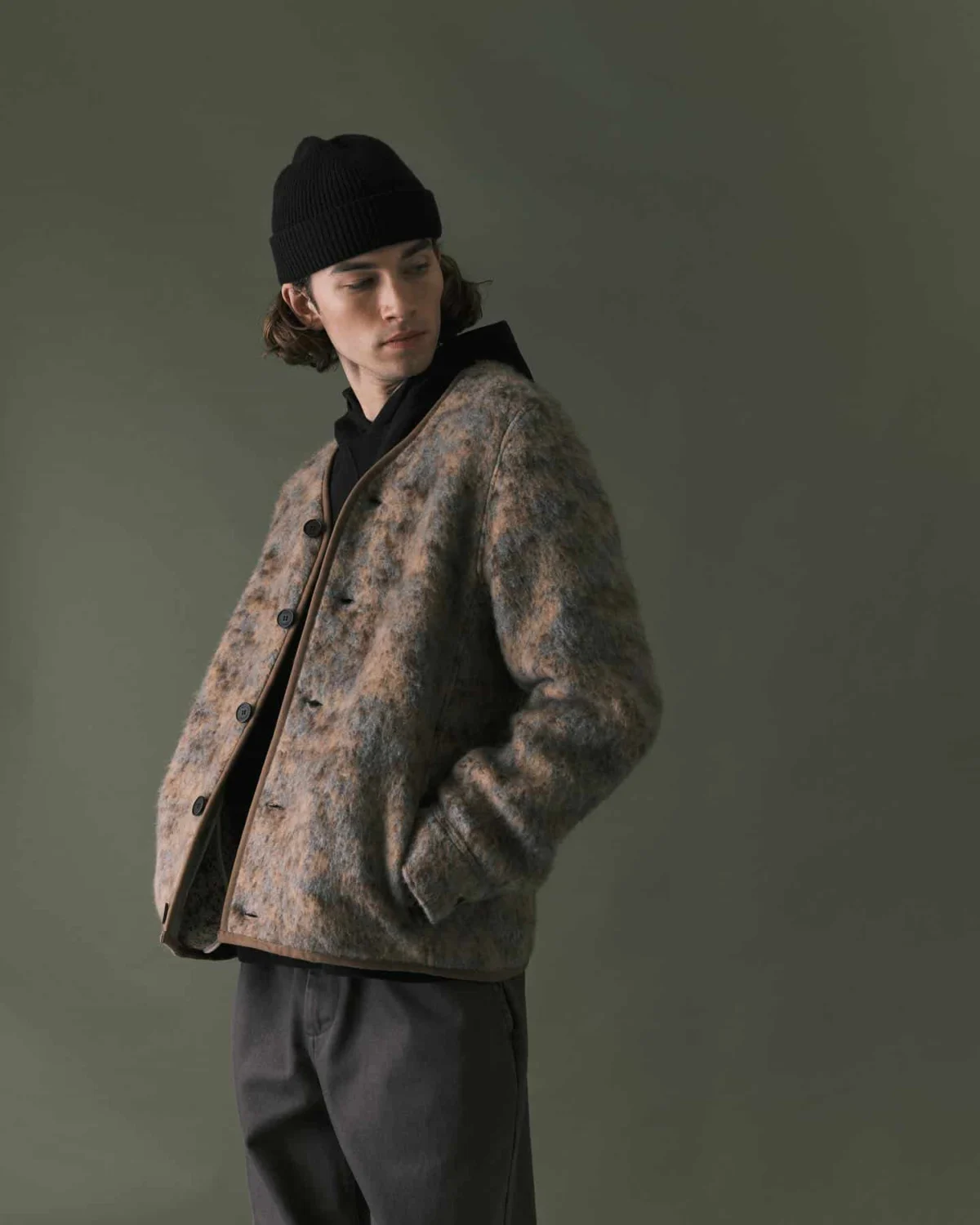
The evolution of the modern wardrobe has increasingly favored functional luxury, with the heavyweight hoodie emerging as a staple of contemporary menswear. Defined by a GSM (grams per square meter) count typically ranging from 350 to 500, these garments offer a distinct structural integrity, enhanced thermal regulation, and a longevity that separates them from standard lightweight apparel. As consumers pivot toward "buy less, buy better" purchasing habits, the market for high-density fleece and loopback cotton has expanded significantly, reflecting a broader shift in fashion toward durability and timeless design.

The Anatomy and Appeal of High-GSM Apparel
The primary differentiator for a heavyweight hoodie is the construction of the fabric. Unlike mass-market hoodies that rely on thin, synthetic-heavy blends that lose shape after limited wash cycles, true heavyweight garments utilize dense, high-quality fibers. The process of brushing the interior—where the reverse side of the fabric is mechanically manipulated to create a soft, nap-like finish—is critical. This not only increases the garment’s insulation capabilities but also ensures that the hoodie maintains its silhouette over years of wear.
Market analysis indicates that the demand for these items is driven by their versatility. A well-constructed heavyweight hoodie functions as an ideal mid-layer during winter months and a standalone outer layer during transitional seasons. This structural rigidity, often compared to the durability of industrial-grade equipment, allows the wearer to achieve a clean, polished look even in casual settings.
Chronology of the Heavyweight Hoodie’s Rise
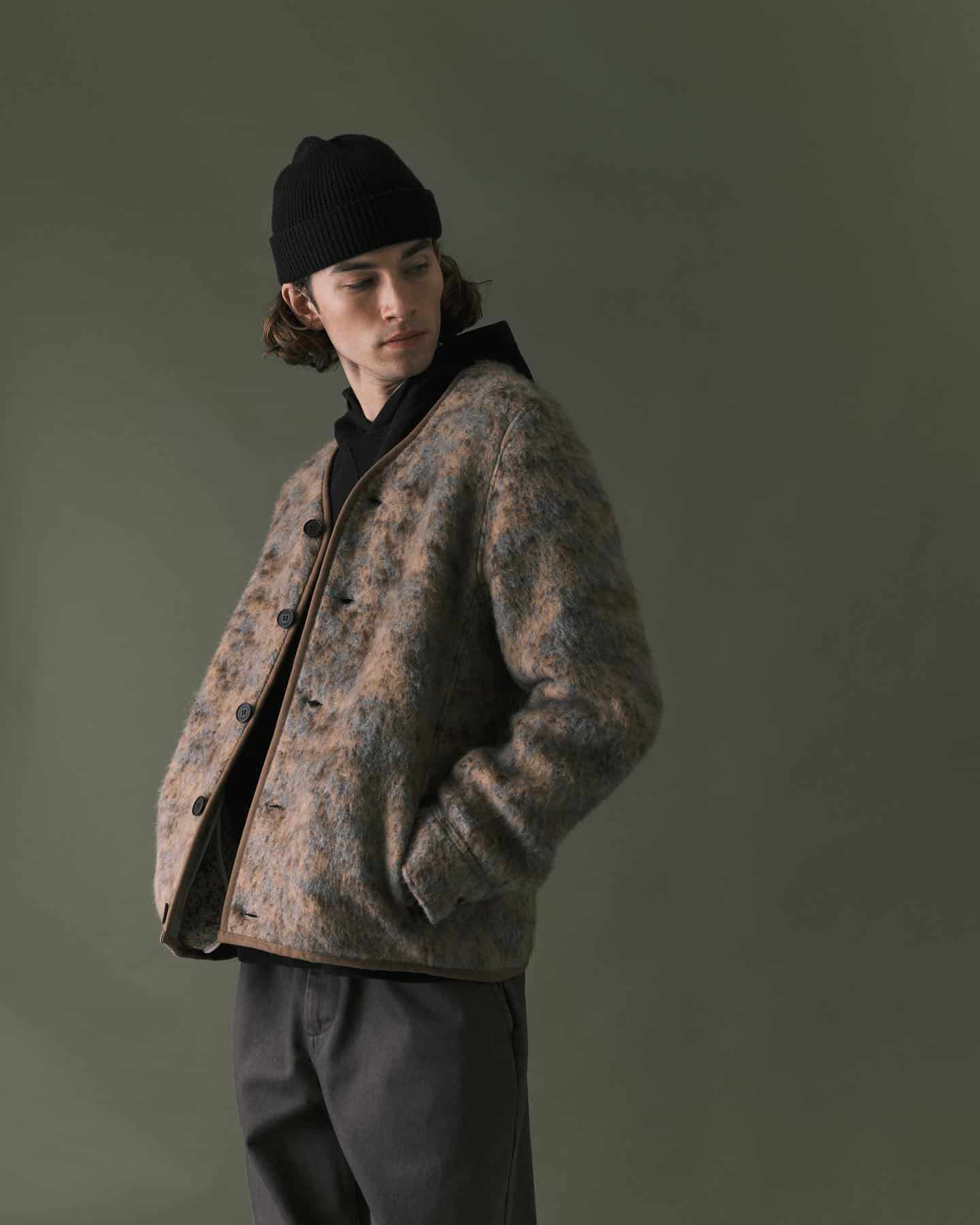
While the hoodie itself traces its origins to the 1930s—designed primarily for laborers in cold New York warehouses—the "heavyweight" iteration began its ascent in the luxury streetwear space during the early 2010s. Brands began experimenting with thicker French terry and fleece, prioritizing the "hang" of the fabric. By 2020, the shift toward remote work solidified the hoodie’s status as a foundational element of the professional-casual hybrid uniform.
By 2026, the market has matured. It is no longer just about the presence of a hood; it is about the specific weight, the quality of the drawstrings, the density of the ribbing at the cuffs and hem, and the sustainability of the sourcing. The current trend emphasizes minimalist branding, with the garment’s quality serving as the primary aesthetic statement.

Curated Selections for the 2026 Season
Identifying the correct garment requires an understanding of specific material benefits. The following selections represent the current benchmark for quality, durability, and style in the heavyweight category.
Arket Heavyweight Hoodie: The Standard-Bearer
The Arket iteration remains the industry benchmark for overall value and performance. Constructed from high-density, brushed cotton, it offers a uniform weight that balances thermal protection with breathability. Its design is characterized by a "sueded" finish, which provides a premium, matte texture. This piece is particularly noted for its ability to maintain its shape, a result of the high-tensile ribbing used at the cuffs.

Closed Organic Cotton Pullover
Closed has successfully integrated environmental stewardship with high-fashion standards. Their heavyweight hoodies are produced using 100% organic cotton, aligning with the growing consumer demand for reduced chemical usage in textile production. The color palette—ranging from "dark night" to "sahara sand"—is designed to offer styling flexibility, allowing the garment to integrate seamlessly into a formal wardrobe when layered under tailored outerwear.
Champion for E by END. Collaboration
This collaboration highlights the potential for archival design to meet modern expectations. By utilizing a 74% cotton and 26% polyester blend, this hoodie provides the specific structural stability required for a boxy, contemporary fit. The use of polyester in this instance is functional, as it helps the garment resist shrinking—a common issue with 100% heavy cotton products.

Asket: The Minimalist Approach
Asket’s commitment to transparency has made them a favorite among consumers seeking "blank", logo-free apparel. Utilizing 390-gram organic French terry, their hoodie is built to last. The company provides a full breakdown of the garment’s origin, from the farm level to the final stitching. Their focus on fit, which includes a wide range of length and width options, addresses the primary complaint regarding standard sizing in the industry.
Wax London Hoxton Hoodie
The Hoxton model focuses on intricate details, such as reinforced stitch work at the wrists and the hem. The use of brushed loopback cotton provides a tactile experience that justifies its place in a premium wardrobe. The brand’s color-forward approach, including vibrant shades like "Excel Green," provides a necessary contrast to the monochromatic dominance of the category.

Gap Heavyweight French Terry
For those seeking accessibility without compromising on performance, the Gap’s updated heavyweight line utilizes a blend of cotton and recycled polyester. This is a critical development, as the industry continues to search for ways to incorporate circular economy principles. The internal brushing provides the sensory comfort expected of a high-end hoodie, while the external texture remains crisp.
Nicce Mercury Hoodie
The Nicce Mercury model serves as a prime example of the "fleece-back" construction method. By prioritizing a velvet-soft interior, the brand emphasizes comfort for home-centric usage. The inclusion of metal-capped drawstrings and heavy embroidery highlights the shift toward elevated details in what was once a strictly utilitarian garment.

Reigning Champ Classic Zip-Up
For those who prefer the versatility of a zipper, Reigning Champ remains the industry leader. The use of YKK zippers—a hallmark of longevity in the apparel industry—is paired with a dense, structured fleece. This model is engineered for those who require a garment that can be easily removed during temperature fluctuations without compromising on the insulation of a heavyweight piece.
Pangaia 365
The Pangaia 365 collection is a case study in modern material science. By blending organic and recycled cotton, the brand achieves a heavy, rigid drape that is highly sought after in contemporary streetwear. The oversized fit is a deliberate design choice, intended to mirror the aesthetic preferences of the current fashion cycle.

Ink Stitch: Personalized Customization
Customization is the final frontier in the heavyweight market. Ink Stitch allows for individual branding and embroidery on high-GSM blanks. This serves a niche but growing market of consumers who want to merge the high-quality base of a heavyweight hoodie with a bespoke aesthetic, moving away from mass-market corporate branding.
Critical Considerations for the Consumer
When investing in a heavyweight hoodie, experts emphasize three primary factors: material composition, size, and type.

Material Composition: While cotton remains the gold standard, the introduction of recycled synthetics is increasingly common. Consumers should prioritize GOTS (Global Organic Textile Standard) certification to ensure that the cotton was grown without toxic chemicals. The density of the fabric should be at least 350 GSM to ensure the "heavyweight" label is accurate.
Fit and Sizing: The current market trend leans heavily toward regular or oversized fits. Slim-fit heavyweight hoodies are generally discouraged, as the thickness of the fabric often leads to bunching and restricted movement when worn over other layers. An oversized fit ensures the garment hangs correctly, showcasing the quality of the weave.

Utility vs. Aesthetic: The choice between a pullover and a zip-up is largely functional. A pullover provides a seamless, insulated layer, whereas a zip-up offers mechanical flexibility. For winter climates, the pullover is the superior choice for heat retention. For urban environments where the wearer transitions between indoor and outdoor spaces, the zip-up is the more practical option.
Economic and Environmental Implications
The rise of the heavyweight hoodie is symptomatic of a larger shift toward conscious consumerism. By purchasing a single, high-quality garment that lasts for several years, consumers are opting out of the "fast fashion" cycle that contributes to significant textile waste.

From an economic perspective, the initial higher cost of a 400-GSM hoodie—often retailing between $100 and $250—is offset by the "cost-per-wear" calculation. When a garment can survive 50 to 100 wash cycles without significant degradation in color or shape, the long-term value becomes apparent.
Furthermore, the industry is seeing an increase in transparency regarding supply chains. Brands like Asket and Pangaia are setting the standard by disclosing the environmental impact of their production processes. As consumers become more educated, they are increasingly likely to favor brands that provide data on water usage, energy consumption, and carbon footprint.

Future Outlook
As we move further into 2026, the heavyweight hoodie will likely continue to evolve. We can expect to see advancements in hydrophobic treatments that allow for water resistance without sacrificing the softness of the cotton. Additionally, the integration of smart-fabric technologies that regulate temperature based on the wearer’s activity level is a burgeoning area of research.
In summary, the heavyweight hoodie has cemented its place as a cornerstone of the modern wardrobe. It is a garment that satisfies the dual requirements of modern life: the need for comfort in an increasingly digital and indoor-centric world, and the desire for durability and style in a market that is finally prioritizing quality over quantity. By selecting a piece that balances material density, ethical sourcing, and a fit that aligns with the user’s lifestyle, the consumer can ensure their investment remains a functional and aesthetic asset for years to come.
