

The global footwear market has undergone a significant transformation over the last decade, with a pronounced shift toward sustainable, lightweight, and versatile athleisure. Since the mid-2010s, the rise of "all-day" footwear—shoes designed to transition seamlessly from a morning commute to an office setting and finally to casual evening social engagements—has been dominated by brands prioritizing eco-conscious manufacturing. Chief among these is Allbirds, a B Corp that popularized the use of merino wool and eucalyptus fibers in performance-lifestyle sneakers. As the industry matures, consumers are increasingly seeking alternatives that maintain these high standards of comfort and sustainability while offering different aesthetic profiles, price points, and material innovations.
The current landscape of the footwear industry reflects a broader consumer demand for transparency. According to market research data, the sustainable footwear sector is projected to grow at a compound annual growth rate (CAGR) of over 6% through 2030. This growth is driven by a demographic that prioritizes circular economy principles—specifically, the use of recycled PET plastics, bio-based foams, and renewable natural fibers. While Allbirds established the baseline for this segment, competitors have since optimized their supply chains to offer enhanced durability, specialized support, and unique design languages that diverge from the "minimalist knit" aesthetic that defined the initial market wave.
Market Context and the Shift in Consumer Preferences
The proliferation of sustainable sneakers is not merely a trend but a structural change in how footwear is engineered. Historically, athletic shoes relied heavily on virgin synthetic materials, which are carbon-intensive to produce and difficult to recycle. The move toward merino wool, bamboo, and recycled polyester represents a technological pivot. Merino wool, in particular, has become the industry standard for temperature regulation and moisture-wicking properties, providing a natural alternative to synthetic performance fabrics.

However, the market is no longer a monolith. While early adopters of sustainable footwear were primarily motivated by environmental impact, current consumers are balancing "green" credentials with performance metrics—specifically arch support, midsole energy return, and long-term structural integrity. This has led to the emergence of specialized brands that occupy niches within the broader category of comfort-focused sneakers.
Top Alternatives to Established Sustainable Footwear
Analyzing the current market reveals several standout options that compete directly with the dominant players in the space. These selections are based on a combination of material science, user accessibility, and manufacturing ethics.
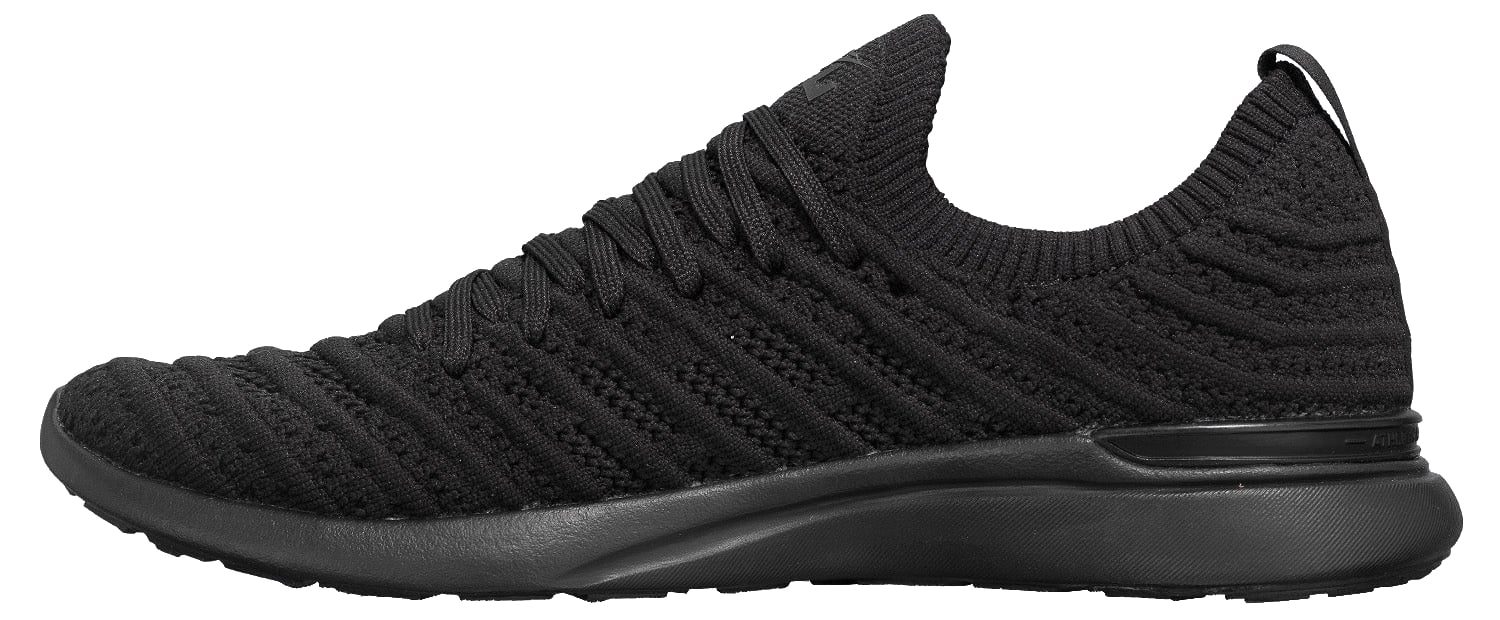
APL Techloom Wave: Performance-Oriented Engineering
Athletic Propulsion Labs (APL) has positioned itself as a bridge between high-performance athletic gear and lifestyle aesthetics. The Techloom Wave is a primary example of this synthesis. Utilizing proprietary 3D stretch rebound TechLoom material, the shoe provides a glove-like fit that adapts to the wearer’s foot throughout the day. Unlike traditional knit sneakers that can lose their shape over time, the Techloom Wave incorporates internal caging to ensure lateral stability. This makes the shoe suitable for light physical training—a functional upgrade over standard casual sneakers. Its midsole, constructed from Propelium, is engineered for maximum energy return, positioning it as a premium option for the active professional.
Suavs The 247: The Travel-Friendly Specialist
For the frequent traveler, the primary requirement for a shoe is packability and versatility. Suavs has gained traction by focusing on the "24/7" utility of their footwear. The 247 model features a knit upper derived from 100% post-consumer recycled water bottles. The defining feature of this model is its high degree of flexibility; the shoe can be compressed significantly without losing its form, making it an ideal candidate for carry-on luggage. Furthermore, the inclusion of a moisture-wicking, breathable insole allows for sockless wear, a key requirement for many in the modern athleisure market.

Tod’s Sock Sneakers: The Luxury Intersection
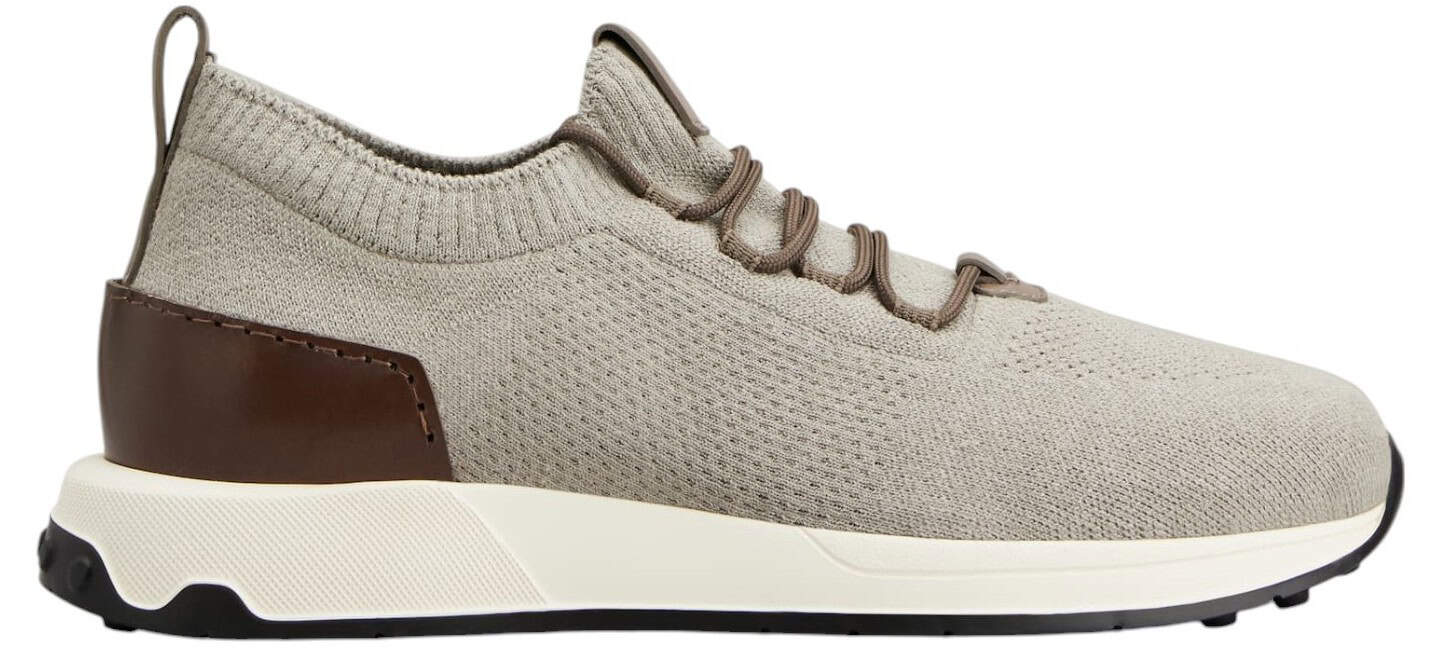
The entry of traditional luxury houses into the knit-sneaker space signifies the complete mainstream adoption of the silhouette. Tod’s approach is distinct because it integrates traditional Italian craftsmanship—specifically the use of premium calfskin—with technical fabric uppers. This creates a bridge between the casual nature of a sock sneaker and the refined aesthetic of a dress shoe. The implementation of EVA outsoles with rubber pebbles (a nod to the brand’s iconic driving shoe heritage) provides a level of durability and traction that is often absent in mass-market knit footwear.
Clae: Aesthetic Versatility
Based in Los Angeles, Clae focuses on the intersection of minimalist design and sustainable sourcing. The Louie model, for instance, utilizes recycled polyester and bio-based polyurethane foams. By keeping the design profile intentionally understated, Clae appeals to consumers who want a "smart-casual" look that can be worn in formal environments where a standard athletic sneaker would appear out of place.
Bruno Marc: Accessibility and Value
For consumers prioritizing cost-efficiency, the market has seen an influx of high-value alternatives that mimic the aesthetic of premium sustainable brands. Bruno Marc’s knit-mesh offerings provide a significant entry point for the average consumer. While these shoes do not always utilize the proprietary high-end materials found in luxury labels, they leverage EVA memory foam insoles to ensure a high level of immediate comfort. These models represent the commoditization of the knit-sneaker trend, making the style accessible to a wider demographic.
Woolloomooloo: Natural Fiber Purity
True to its name, Woolloomooloo focuses heavily on the utilization of 100% Australian merino wool. By maintaining a focus on a single, high-performance natural material, the brand ensures a consistent level of temperature regulation and odor resistance. The Belmont model highlights the versatility of wool, offering a machine-washable solution that maintains its structural integrity over hundreds of miles of wear.

Cariuma: The Skate-Inspired Sustainable Alternative
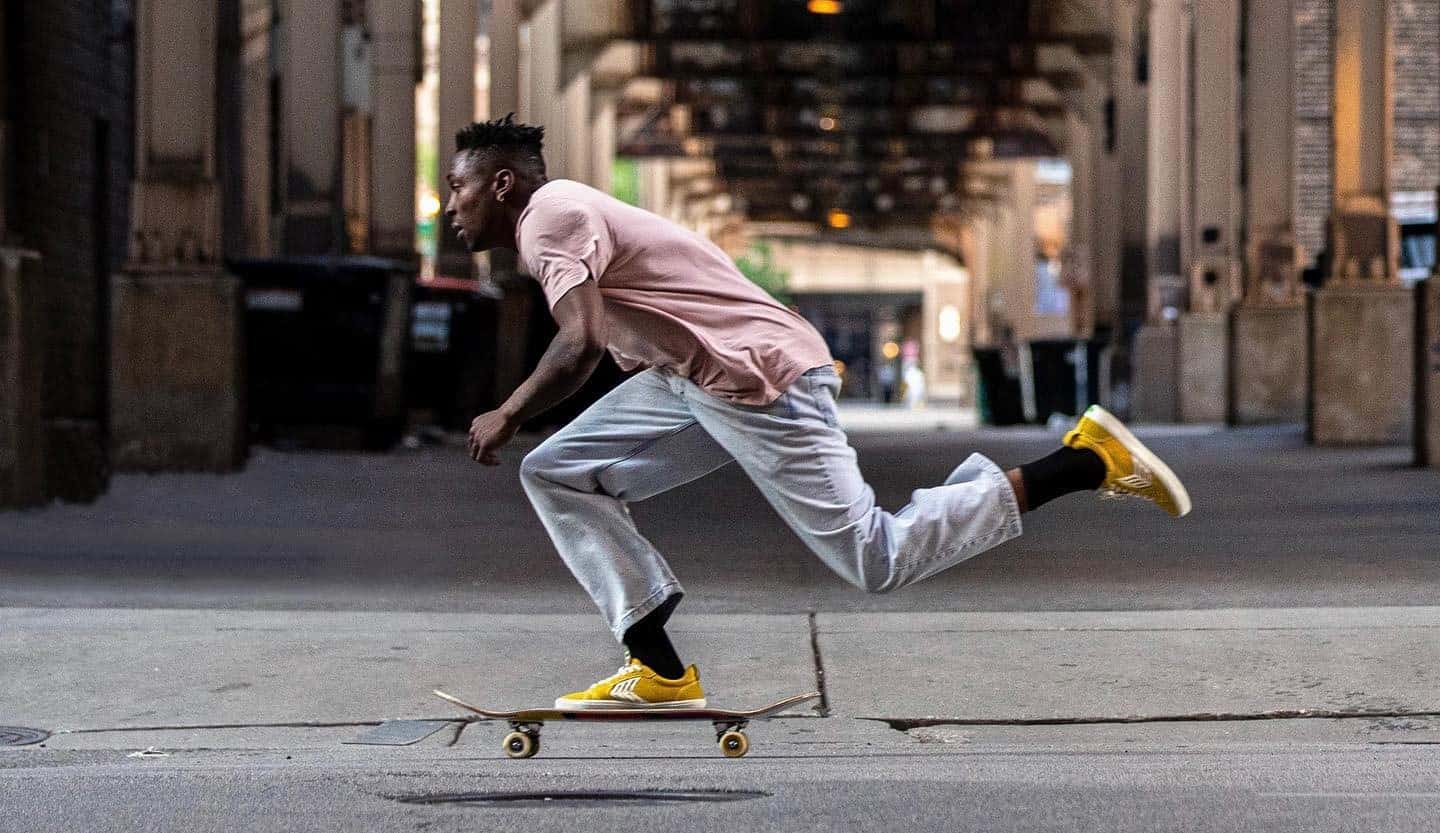
Cariuma has carved out a unique position by targeting the intersection of skate culture and sustainability. Their IBI Knit model is manufactured using bamboo fibers and recycled PET. The brand is notable for its rigorous adherence to B Corp standards, including carbon-neutral shipping and fair labor practices. The result is a shoe that feels more rugged than the typical "cloud-like" sneaker, offering a lower profile and a more grounded aesthetic that resonates with those who prefer a classic skate silhouette.
Strategic Considerations for the Consumer
When evaluating these alternatives, consumers should consider three primary pillars: material longevity, structural support, and manufacturing transparency.

- Material Longevity: Synthetic knits, while breathable, can experience "pilling" or stretching over time. Natural fibers like merino wool offer superior odor resistance but require specific care instructions, such as machine washing on cold and air drying, to prevent the wool from matting.
- Structural Support: Many knit sneakers prioritize a "sock-like" feel, which inherently lacks the rigid arch support found in structured running shoes. For individuals who require orthopedic support, selecting a model with a removable insole—such as those offered by Suavs or APL—is a critical factor for long-term foot health.
- Sustainability Claims: A "green" label is not always uniform. Consumers are encouraged to look for third-party certifications like B Corp status, Global Recycled Standard (GRS) certification, or Oeko-Tex certification to verify the environmental and ethical claims made by the manufacturer.
The Broader Impact on the Footwear Industry
The sustained success of these brands indicates a permanent shift in consumer expectations. No longer is the "standard" sneaker defined by leather or heavy canvas. The market has moved toward lightweight, breathable, and ethically produced materials that offer multi-environment utility.
This shift has forced legacy footwear brands to respond, leading to the "knit-ification" of classic models from established giants. However, the smaller, specialized brands continue to hold a competitive advantage through their agility in adopting new material sciences and their ability to maintain a clear brand narrative centered on sustainability.

As we look toward 2026, the trajectory of the footwear market suggests that the "Allbirds effect"—the democratization of high-quality, sustainable, and comfortable footwear—will continue to influence design. Whether through the use of mushroom-based leather alternatives, plant-based rubbers, or advanced recycled polymers, the focus on reducing the carbon footprint of every step taken remains the primary driver of innovation. For the consumer, this translates to an unprecedented level of choice, allowing for a personalized selection that balances performance, ethics, and personal style.
