
The ongoing global health crisis, precipitated by the COVID-19 pandemic, has fundamentally altered the structural fabric of daily life, necessitating a renewed focus on personal health management and preventative wellness. As populations navigate the long-term impacts of restricted movement, economic volatility, and sustained psychological stress, health experts are emphasizing that the integration of evidence-based lifestyle habits is more critical than ever. While no specific dietary regimen has been clinically proven to prevent SARS-CoV-2 infection, the correlation between long-term health outcomes and a robust immune system remains a cornerstone of medical consensus.
The Pandemic Context: A Catalyst for Health Reform
The emergence of COVID-19 in early 2020 served as a profound disruption to global public health. By the transition into 2021, the cumulative effect of the pandemic had manifested in distinct, widespread challenges: food insecurity due to supply chain disruptions, significant income instability, and a measurable rise in mental health conditions, including anxiety and depression.
Public health researchers at institutions such as the Harvard T.H. Chan School of Public Health have identified that the sedentary nature of lockdowns and the stress-induced changes in dietary intake have created a "second wave" of health risks. These risks are not directly tied to the virus, but rather to the degradation of chronic disease management among the general population. As medical facilities pivoted resources to address acute COVID-19 cases, preventative care saw a decline, making self-managed lifestyle habits an essential, if underutilized, defense mechanism against broader systemic health declines.
The Five Pillars of Longevity
Extensive longitudinal research indicates that five specific behavioral habits are strongly associated with increased life expectancy and a significant reduction in the risk of chronic morbidity. These five pillars—consistently consuming a nutrient-dense diet, maintaining regular physical activity, managing a healthy body mass index (BMI), limiting alcohol consumption, and complete cessation of tobacco use—represent a foundational framework for long-term health.
Clinical data suggests that individuals who adhere to these habits consistently can extend their life expectancy by more than a decade compared to those who do not. Furthermore, the implications extend beyond mere longevity; research demonstrates that middle-aged adults who maintain these practices enjoy a significantly higher number of "disease-free years." This means delaying or entirely avoiding the onset of non-communicable diseases (NCDs) such as type 2 diabetes, cardiovascular disease, and various forms of cancer, which continue to be leading causes of mortality globally.
Chronology of Public Health Guidance (2020–2021)
- March 2020: The World Health Organization (WHO) declares COVID-19 a global pandemic, prompting stay-at-home orders in various nations. Public health officials begin emphasizing the importance of immunity.
- Summer 2020: Studies emerge indicating that individuals with underlying metabolic conditions, such as obesity and hypertension, face higher risks of severe COVID-19 complications.
- Late 2020: Public health agencies pivot from emergency acute care messaging to long-term sustainability messaging, focusing on the mental and physical health toll of prolonged isolation.
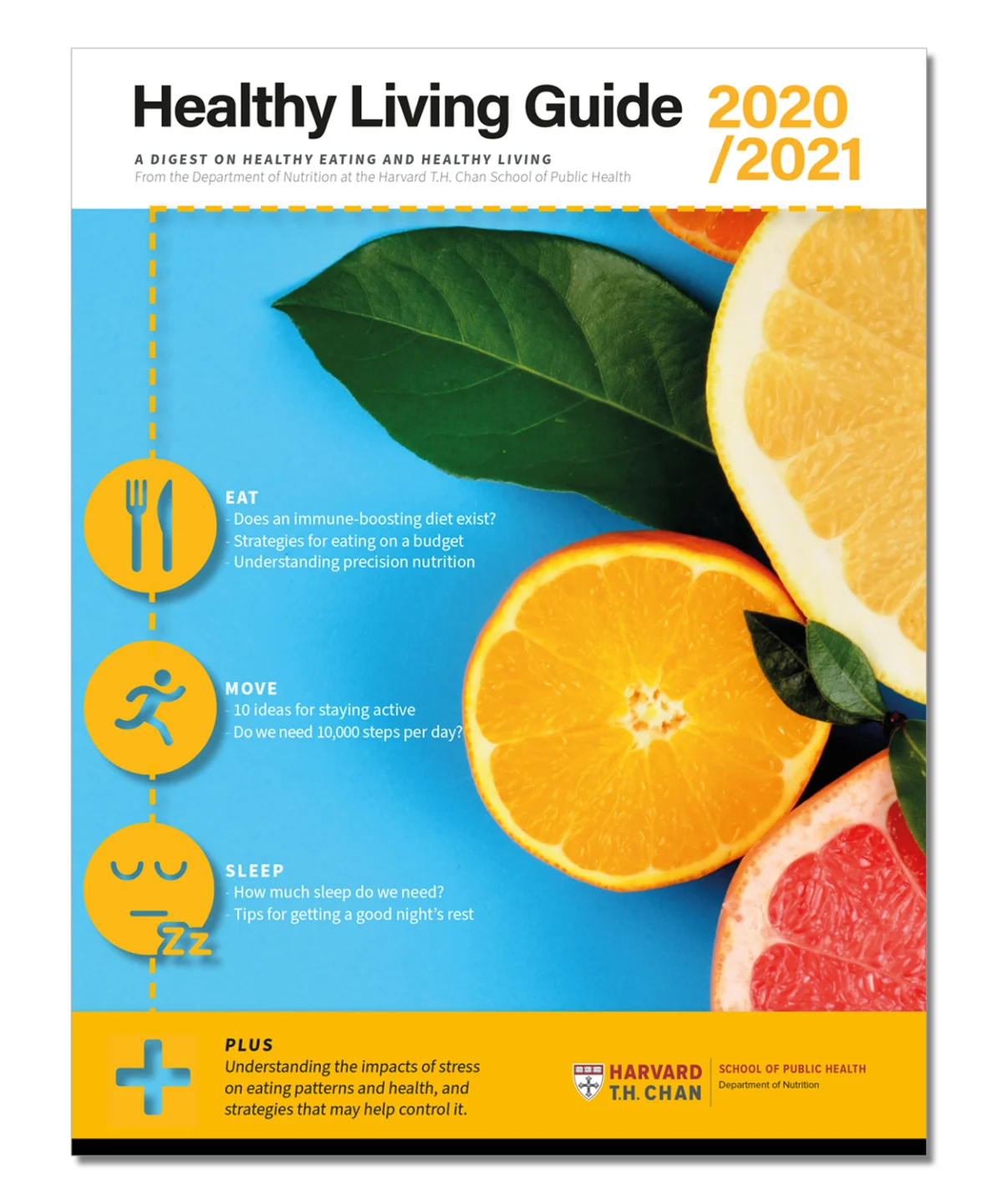
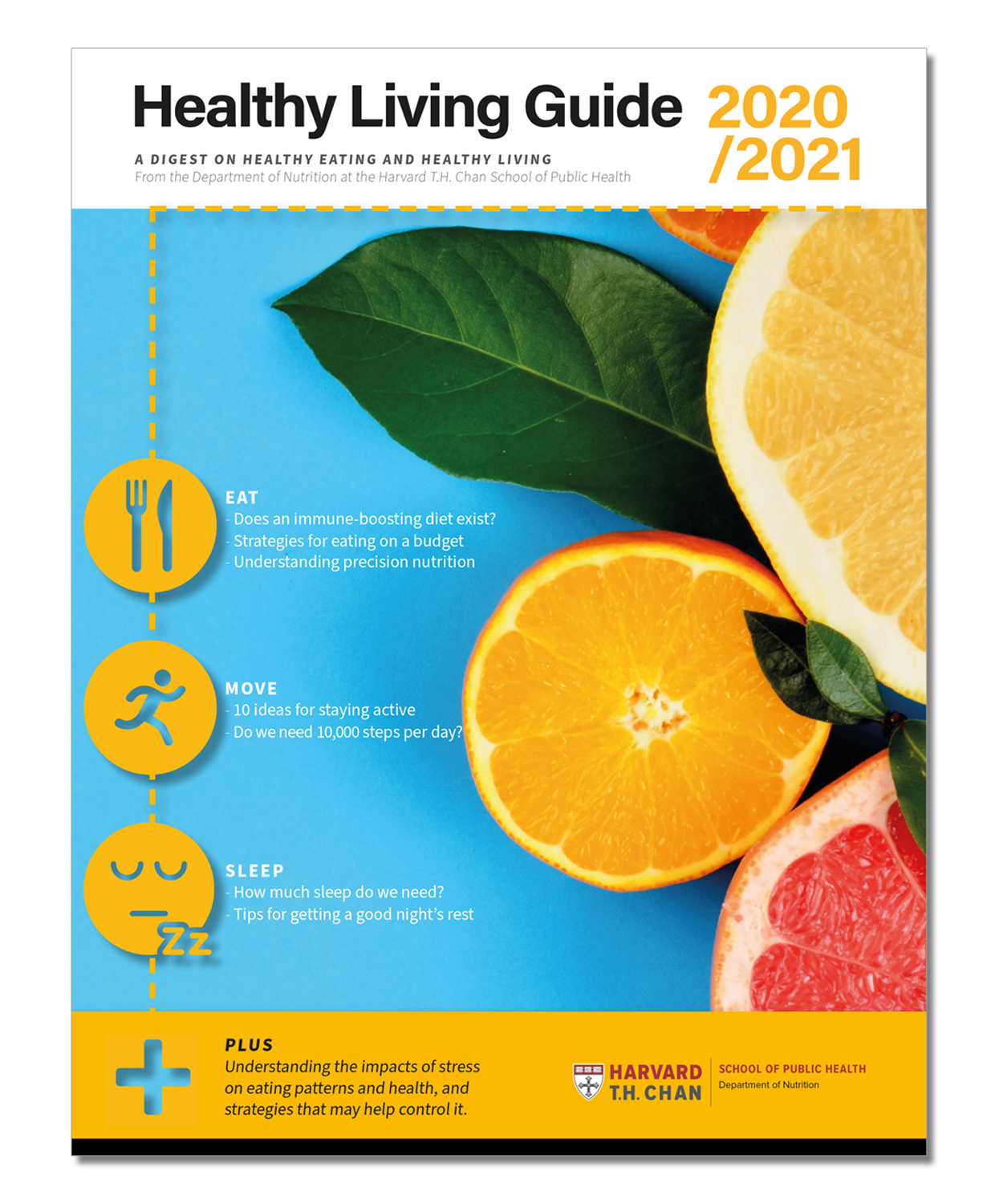
- January 2021: The release of comprehensive healthy living resources, such as the Healthy Living Guide, provides actionable steps for the public to mitigate the "pandemic slump" through structured diet and exercise routines.
Supporting Data and Medical Analysis
Statistical analysis from major health organizations underscores the urgency of these interventions. According to data published in the journal Circulation, a healthy lifestyle profile can reduce the risk of cardiovascular mortality by approximately 82% and cancer mortality by 65%.
The biological mechanism is clear: consistent exercise regulates inflammatory markers, while a balanced diet high in antioxidants and fiber supports the microbiome, which is intrinsically linked to immune response. Conversely, the "pandemic lifestyle"—characterized by increased ultra-processed food consumption and decreased physical activity—has been shown to spike cortisol levels, which in turn suppresses immune efficacy.
Medical experts note that the psychological impact of the pandemic has led to "behavioral fatigue." This phenomenon makes it difficult for individuals to sustain long-term healthy habits. To combat this, experts suggest that incremental changes, rather than drastic lifestyle overhauls, are more likely to yield long-term success. The integration of gamification, such as the "Healthy Living Bingo" challenges, has been utilized by public health communicators to encourage small, daily commitments that lower the barrier to entry for healthy behavior.
Official Responses and Strategy
Public health organizations have increasingly adopted a "whole-person" approach to wellness. This shift is reflected in the move away from prescriptive, rigid diet plans toward more flexible, sustainable strategies. The strategy is twofold: first, providing accessible, printable educational materials that can be utilized without the need for high-speed internet or specialized equipment; and second, emphasizing the mental health benefits of exercise, such as the release of endorphins to counteract pandemic-related emotional distress.
"We are not merely trying to combat a virus," stated an analyst within the public health sector. "We are trying to preserve the health status of a population that has been under sustained physiological and psychological siege for over a year." The emphasis on "doing what you can" is a departure from the perfectionism often associated with wellness marketing, focusing instead on harm reduction and personal resilience.
Broader Impact and Long-term Implications
The broader implications of this focus on lifestyle are significant for national healthcare systems. By reducing the incidence of chronic diseases, the burden on hospital systems—already stretched thin by infectious disease outbreaks—can be mitigated. A healthier, more resilient population is better equipped to handle the metabolic stressors that exacerbate outcomes for various illnesses.
Furthermore, the democratization of health information through digital resources is changing the patient-provider relationship. As more individuals take an active role in their health management through self-education, the role of primary care is shifting toward a partnership model. This evolution suggests that future public health initiatives will likely rely more heavily on digital health literacy and community-based wellness programs.
Conclusion: A Path Forward
As society continues to integrate these habits into a "new normal," the goal remains constant: to improve the quality of life despite external circumstances. The adoption of the five key habits is not a guarantee of immunity against COVID-19, but it is an evidence-based strategy for bolstering systemic health. Whether through the adoption of a new recipe, the initiation of a daily walking routine, or the elimination of harmful substances, each step contributes to a cumulative effect that improves long-term health outcomes.
The availability of resources such as the Healthy Living Guide serves as a reminder that health is not a destination, but a process of consistent, small-scale decision-making. In the face of ongoing global uncertainty, the ability to control one’s own lifestyle habits remains one of the most effective tools for maintaining stability and well-being. As we move further into the decade, the lessons learned during the pandemic regarding the fragility and resilience of human health will likely serve as the bedrock for future public health strategies worldwide. By prioritizing these evidence-based behaviors, individuals can effectively navigate the current crisis while securing a healthier future.
