
The escalating safety concerns surrounding both surgical and non-surgical aesthetic enhancements have prompted the House of Commons Women and Equalities Committee (WEC) to launch a comprehensive parliamentary inquiry. As the popularity of aesthetic treatments surges across the United Kingdom, lawmakers are intensifying scrutiny on an industry that many public health advocates, medical professionals, and parliamentarians argue has outpaced existing regulatory frameworks. The inquiry seeks to address widespread loopholes, rogue practitioners, and the severe physical and psychological consequences borne by vulnerable consumers who undergo unregulated or poorly executed procedures.
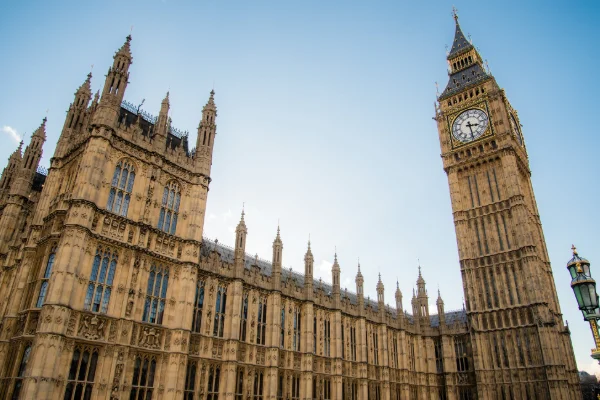
At the heart of this parliamentary push is a high-stakes oral evidence session scheduled to take place at the Palace of Westminster on September 9. During this hearing, the committee will question leading industry figures, including Ashton Collins, director of the national register Save Face, and Ms. Nora Nugent, a respected plastic surgeon and president of the British Association of Aesthetic Plastic Surgeons (BAAPS). Their testimonies are expected to provide critical insights into the real-world dangers faced by consumers, the prevalence of botched procedures, and the urgent necessity for enforceable legal standards within the booming aesthetics market.
Background Context and the Evolution of the Aesthetics Market
The current parliamentary focus did not emerge in a vacuum; it is the culmination of years of rapid, largely unchecked growth within the British cosmetic enhancement sector. Over the past decade, non-surgical cosmetic procedures—such as botulinum toxin (Botox) injections, dermal fillers, and chemical peels—have transitioned from exclusive luxury treatments to mainstream, highly accessible consumer services. High-street clinics, beauty salons, and mobile practitioners now offer these services routinely, often marketed aggressively through social media platforms.
However, the legal framework governing these procedures has failed to keep pace with commercial expansion. Historically, while certain surgical interventions required strict medical oversight, non-surgical aesthetic treatments in England suffered from alarming regulatory grey areas. Under previous laws, almost anyone—regardless of medical background, anatomical training, or emergency response capability—could legally administer dermal fillers or perform complex facial injections. This lack of statutory oversight created a fertile ground for rogue operators, undertrained practitioners, and substandard clinical environments, leaving consumers exposed to catastrophic risks including necrosis, blindness, severe allergic reactions, and permanent disfigurement.
Chronology of Regulatory Reform and Parliamentary Action
The path toward establishing a national licensing scheme has been marked by protracted consultations, rising public concern, and mounting pressure from medical bodies. The timeline of key developments underscores the urgency felt by lawmakers:
- Pre-2020: The non-surgical aesthetics market experiences exponential growth, driven by digital culture and social media influencers, while public health warnings about unregulated practitioners largely go unheeded by statutory regulators.
- 2021–2022: Campaigners, medical associations, and cross-party MPs amplify calls for legislative reform, prompting the Government to explore the legal feasibility of a mandatory licensing regime for non-surgical procedures in England.
- August 2025: The Government publishes its formal response to the long-awaited consultation on the licensing and regulation of non-surgical cosmetic procedures, outlining broad frameworks for a future national licensing scheme.
- February 2026: The Women and Equalities Committee releases a hard-hitting parliamentary report criticizing the Government’s slow pace of reform. The report recommends the immediate ban of high-harm procedures, such as liquid Brazilian butt lifts (BBLs), without further consultation, and urges accelerated legislative action.
- September 9 (Upcoming): An oral evidence session at the Palace of Westminster convenes key stakeholders, including Save Face and BAAPS, to evaluate ongoing risks, the proposed licensing system, and the broader socioeconomic impacts of cosmetic tourism.
The Debate Over High-Risk Procedures and Cosmetic Tourism
A central focus of the upcoming parliamentary session will be the proliferation of high-risk procedures that bypass traditional medical safeguards. Among these, liquid Brazilian butt lifts (BBLs) have emerged as a primary target for emergency regulatory intervention. Unlike surgical BBLs performed by board-certified plastic surgeons in accredited hospitals, liquid BBLs often involve the injection of large volumes of dermal fillers or other substances into the gluteal region. Medical experts have repeatedly warned that these procedures carry an exceptionally high risk of pulmonary embolism, severe infection, and fatal systemic complications, prompting the WEC to demand an immediate, uncompromised ban.
Compounding domestic safety concerns is the rising trend of "cosmetic tourism," wherein UK residents travel abroad—frequently to destination countries offering significantly cheaper surgical packages—to undergo complex operations such as liposuction, rhinoplasty, and surgical BBLs. The financial and logistical burden of treating complications arising from overseas procedures frequently falls back onto the National Health Service (NHS). Emergency departments and specialized reconstructive plastic surgery units across the UK routinely treat patients returning with severe surgical site infections, tissue necrosis, and systemic sepsis. The WEC inquiry will examine empirical evidence detailing these mounting NHS costs, framing cosmetic tourism not merely as an individual lifestyle choice, but as a significant public health and economic challenge.
Industry Perspectives and Expert Testimony
The evidence provided by Ashton Collins of Save Face and Ms. Nora Nugent of BAAPS is expected to offer a stark contrast between consumer protection realities and surgical best practices. Save Face, an accredited register that handles thousands of consumer complaints annually, has consistently documented the devastating physical and psychological fallout experienced by victims of botched treatments. Collins has previously highlighted how a lack of statutory regulation emboldens incompetent practitioners, who often leave vulnerable consumers with lifelong deformities and psychological trauma.
From the surgical perspective, Ms. Nugent and BAAPS members have long advocated for stringent credentialing, mandatory insurance requirements, and clear legal definitions of what constitutes a medical procedure versus a beauty treatment. Plastic surgeons have expressed profound frustration over the normalisation of complex medical interventions in unhygienic environments, such as hair salons or hotel rooms. Their testimony on September 9 is anticipated to reinforce the committee’s stance that self-regulation within the aesthetics industry has failed completely, necessitating robust government intervention.
Government Response and the Proposed National Licensing Scheme
The UK Government’s August 2025 response to the consultation on non-surgical cosmetic procedures acknowledged the necessity for reform, setting out plans to establish a national licensing scheme in England. Under the proposed framework, practitioners will likely be required to hold specific qualifications, operate from registered premises, and adhere to strict hygiene and safety standards. Local authorities are expected to be granted expanded enforcement powers to inspect premises and penalize unregistered operators.
However, the WEC has remained fiercely critical of the timeline surrounding these reforms. In its February 2026 report, the committee argued that the Government was "not moving quickly enough" to implement the licensing system, warning that protracted bureaucratic delays are "fostering complacency in self-regulation" across the medical aesthetics specialty. MPs emphasized that every month of delay leaves thousands of consumers exposed to predatory practitioners who exploit legal loopholes before enforcement mechanisms can be enacted.
Broader Economic, Social, and Public Health Implications
The implications of the Women and Equalities Committee inquiry extend far beyond clinical safety, touching upon broader questions of consumer rights, gender equality, and public expenditure. Because the vast majority of consumers seeking cosmetic enhancements are women, the committee approaches the issue through an equality and protection lens. Unregulated markets disproportionately target individuals experiencing body image insecurities, often fueled by unrealistic beauty standards promoted across digital media platforms.
Economically, the establishment of a rigorous national licensing scheme represents a necessary market correction. While legitimate practitioners and medically trained professionals who invest in appropriate training and clinical infrastructure often support regulation—arguing it protects their profession’s reputation—unscrupulous operators resist oversight. A standardized licensing regime would establish a level playing field, ensuring that consumer confidence is restored and substandard providers are legally barred from practicing.
Furthermore, reducing the incidence of botched procedures and medical complications will directly alleviate pressure on the NHS. By curbing risky domestic practices and addressing the public health information gaps regarding cosmetic tourism, the state can mitigate preventable emergency admissions and long-term rehabilitative care costs.
Conclusion and Future Outlook
As the Women and Equalities Committee prepares to hear oral evidence on September 9, the momentum for comprehensive legislative reform in the UK cosmetic procedures industry reaches a critical juncture. The convergence of parliamentary pressure, expert medical testimony, and undeniable evidence of consumer harm has created an environment where inaction is no longer tenable.
Whether the Government accelerates its timeline for the national licensing scheme and heeds calls for an immediate ban on high-harm procedures like liquid BBLs will determine the future landscape of British aesthetics. For thousands of consumers navigating a complex and often perilous beauty market, the outcomes of this parliamentary inquiry represent a long-overdue step toward safety, accountability, and professional standards.
