
The World Health Organization (WHO) Director-General, Dr. Tedros Adhanom Ghebreyesus, has concluded a pivotal two-day State visit to the Hashemite Kingdom of Jordan, marking a significant milestone in international cooperation concerning regional health stability, universal health coverage (UHC), and humanitarian aid for displaced populations. The visit, which underscored Jordan’s role as a critical pillar of health infrastructure in the Middle East, featured high-level diplomatic engagements, site visits to medical facilities treating Gaza evacuees, and strategic dialogues with international philanthropic partners.
A Strategic Diplomatic Engagement with King Abdullah II
The centerpiece of the visit was a formal audience with His Majesty King Abdullah II. This meeting served to reinforce the enduring partnership between the WHO and the Jordanian government, specifically focusing on the Kingdom’s proactive stance in navigating the complex health challenges presented by regional instability. Discussions between the two leaders centered on three primary objectives: the sustainability of Jordan’s national health systems, the expansion of access to essential healthcare, and the optimization of medical corridors for those affected by the ongoing crisis in Gaza.
Jordan has long been recognized for its disproportionate contribution to regional stability, currently hosting over three million refugees, predominantly from Syria and Gaza. King Abdullah II’s administration has consistently prioritized healthcare as a national security imperative, a sentiment echoed by Dr. Tedros, who lauded the Kingdom’s "Medical Corridor" initiative. This program has become a lifeline for ill and injured children from Gaza, facilitating their transfer to Jordanian hospitals for complex surgeries and long-term care that are otherwise unavailable in their home territory due to infrastructure collapse.
Humanitarian Frontlines: Medical Evacuation and Specialized Care
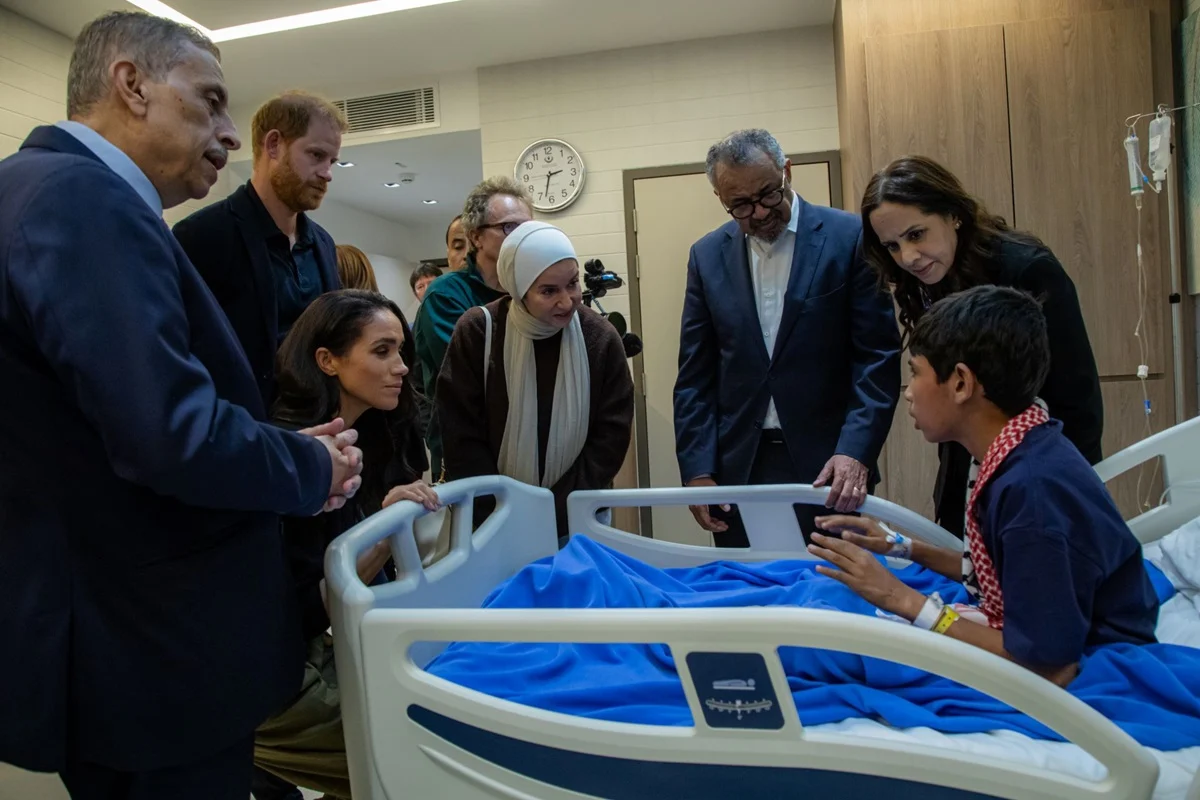
During the first day of his visit, Dr. Tedros conducted an on-site inspection of a WHO-supported hospital currently providing specialized care to children evacuated from Gaza. This visit provided a firsthand view of the logistical and clinical hurdles involved in cross-border medical transfers. The patients being treated suffer from a spectrum of acute needs, ranging from traumatic injuries caused by conflict to chronic illnesses such as cancer that require sustained, uninterrupted treatment protocols.
The visit highlighted the necessity of the "Medical Corridor," a humanitarian lifeline that remains under immense pressure. According to recent WHO data, the healthcare system in Gaza has faced near-total degradation, with more than two-thirds of hospitals either non-functional or operating at drastically reduced capacity. The intervention of Jordanian medical facilities, bolstered by international funding, serves as the primary safeguard against a total collapse of survival outcomes for the most vulnerable pediatric patients.
Collaborative Philanthropy and Global Health Advocacy
A noteworthy aspect of this State visit was the participation of the Duke and Duchess of Sussex, Prince Harry and Meghan, who accompanied Dr. Tedros in their capacity as founders of Archewell Philanthropies. Their involvement emphasizes the increasing role of private-public partnerships in addressing global health crises.
Prince Harry, an advocate for mental health awareness, highlighted the often-overlooked psychological toll of conflict. "Mental health is fundamental to recovery, dignity and long-term peace," Prince Harry stated during the proceedings. The involvement of the Archewell Foundation has previously spanned initiatives from equitable COVID-19 vaccine distribution to the logistical support of mental health programs in conflict zones. By integrating their efforts with the WHO, the delegates aimed to reduce the stigma surrounding psychological trauma in displaced populations—a demographic that historically faces a high incidence of Post-Traumatic Stress Disorder (PTSD) and depression.
Strengthening Health Systems and Universal Health Coverage
Beyond the immediate humanitarian response, Dr. Tedros held extensive bilateral meetings with the Jordanian Minister of Health to discuss the long-term sustainability of Jordan’s national healthcare system. Jordan has emerged as a regional leader in the integration of mental health into primary care, a key component of the WHO’s Director-General’s Special Initiative for Mental Health.
The current strategy involves a decentralized approach to health, moving away from hospital-centric care toward a robust primary care model. This shift is essential for Jordan to meet its Universal Health Coverage (UHC) goals by 2030, a target shared by all WHO member states. By integrating psychological services into standard health clinics, Jordan is effectively normalizing care, making it more accessible to both citizens and the refugee population.
Financial Sustainability and Regional Stakeholders
On the second day of the visit, the Director-General convened a high-level roundtable involving donor countries, UN agencies, and global philanthropies. The primary agenda item was the financing gap in regional health operations. As donor fatigue sets in globally, the WHO is working to pivot toward sustainable, multi-year funding models rather than relying on short-term emergency grants.
Jordan’s health system faces unique pressures due to its hosting of large, transient populations. Data suggests that the fiscal burden of providing health services to non-nationals can strain national budgets by nearly 15-20% in specific governorates. The meeting with partners focused on incentivizing international investment into Jordan’s infrastructure, viewing the Kingdom as a "hub for resilience" rather than a mere recipient of aid.
Future Outlook and Upcoming Engagements
The final phase of the State visit included a scheduled tour of the National Center for Rehabilitation of Addicts, an institution supported by the WHO that provides integrated medical and social services. This facility represents a modern approach to rehabilitation, treating addiction as a health condition rather than a social or legal infraction. Furthermore, the delegation planned to visit the King Hussein Cancer Center to review advances in oncology and discuss regional cooperation in cancer research—an area where Jordan maintains a competitive advantage in the Middle East.
The visit concludes with an emphasis on the "health-in-all-policies" approach, which asserts that health outcomes are determined by sectors outside of the medical field, such as urban planning, sanitation, and education. By positioning Jordan as a testing ground for these policies, the WHO hopes to provide a blueprint that can be replicated in other countries facing similar demographic and economic pressures.
Implications for Regional Stability
The visit of Dr. Tedros to Jordan serves as a powerful reminder of the intersection between public health and geopolitics. In the Middle East, the ability to provide health security is frequently a precursor to broader social stability. By reinforcing the collaboration between the WHO, the Jordanian government, and private donors, the visit has effectively elevated the discourse around medical neutrality and the necessity of humanitarian corridors in conflict zones.
As the international community continues to monitor the humanitarian situation in the Levant, the role of Jordan as a central conduit for aid and a provider of high-quality care becomes increasingly indispensable. The commitments made during this visit—to sustain mental health programs, bolster the medical evacuation pipeline, and support primary health care—provide a framework for a more resilient regional health architecture.
The success of these initiatives will ultimately depend on the continued political will of the Jordanian government and the sustained financial commitment of international partners. As Dr. Tedros noted, Jordan continues to show the world what it means to put health and humanity first, providing a model of empathy and efficiency in a region defined by volatility. The WHO’s ongoing support of these programs remains a cornerstone of its global mission to ensure health for all, regardless of nationality or conflict status.
