
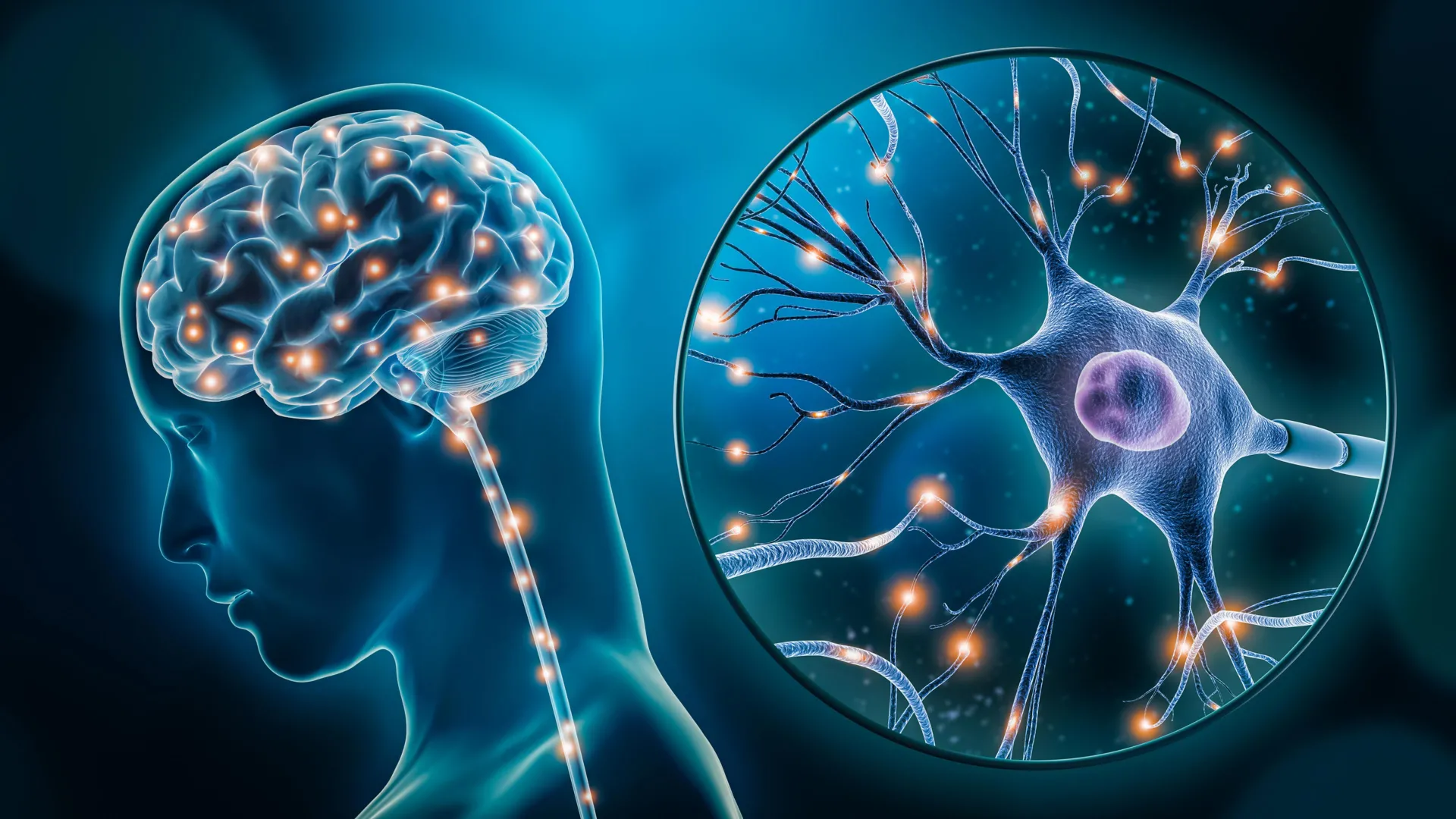
Researchers at McGill University and the Douglas Institute have unveiled a groundbreaking discovery, identifying for the first time two distinct types of brain cells that exhibit differential functioning in individuals diagnosed with depression. This pivotal research, published in the prestigious journal Nature Genetics, offers a significant leap forward in understanding the biological underpinnings of this pervasive mental health condition, potentially paving the way for highly targeted therapeutic interventions. Depression, a complex and debilitating disorder, affects an estimated 264 million people globally, standing as a leading cause of disability and imposing a substantial burden on individuals, families, and healthcare systems worldwide.
The study, spearheaded by senior author Dr. Gustavo Turecki, a distinguished professor at McGill, a clinician-scientist at the Douglas Institute, and the Canada Research Chair in Major Depressive Disorder and Suicide, marks a significant milestone. "This is the first time we’ve been able to identify what specific brain cell types are affected in depression by mapping gene activity together with mechanisms that regulate the DNA code," Dr. Turecki stated. "It gives us a much clearer picture of where disruptions are happening, and which cells are involved." This statement underscores the novel approach of integrating gene expression with epigenetic regulation, providing a more comprehensive view of cellular dysfunction.
The Crucial Role of Post-Mortem Brain Tissue in Unlocking Depression’s Secrets
The success of this pioneering research hinges on the availability of meticulously preserved post-mortem brain samples from the Douglas-Bell Canada Brain Bank. This specialized repository is internationally recognized for its unique collection of donated brain tissue from individuals with a history of psychiatric conditions. Such biobanks are invaluable, offering scientists an unparalleled window into the biological landscape of mental illness, a realm often challenging to access through in-vivo studies due to ethical and technical limitations. The samples, collected over a period that spans decades, represent a critical chronology of human brain health and disease.
To dissect the intricate cellular mechanisms at play, the research team employed cutting-edge single-cell genomic techniques. This sophisticated methodology allowed them to analyze the RNA and DNA of thousands of individual brain cells, a process that provides an unprecedented level of detail. By examining these genetic blueprints at the single-cell level, scientists could precisely identify which cells exhibited altered behavior in individuals with depression and pinpoint specific genetic patterns that might account for these deviations. The study encompassed a robust sample size, including brain tissue from 59 individuals formally diagnosed with depression and a control group of 41 individuals without the condition, ensuring statistical rigor and generalizability of the findings. This comparative analysis is crucial for differentiating between the normal functioning of brain cells and those exhibiting pathological changes associated with depression.
Identifying Key Cellular Players in Depressive Disorders
The comprehensive genomic analysis revealed significant alterations in gene activity within two critical types of brain cells. The first group comprises excitatory neurons, a fundamental component of neural circuits responsible for transmitting signals throughout the brain. These neurons play a pivotal role in a multitude of cognitive and emotional processes, including mood regulation and the body’s intricate response to stress. Aberrations in their function can profoundly impact an individual’s emotional state and their capacity to cope with life’s challenges.
The second cell type exhibiting altered activity is a specific subtype of microglia. Microglia are the resident immune cells of the central nervous system, often described as the brain’s first responders. Their primary function is to maintain brain health by clearing cellular debris, responding to injury, and critically, modulating neuroinflammation. While a certain level of inflammation is a normal part of the immune response, chronic or dysregulated neuroinflammation has been increasingly implicated in the pathophysiology of various neurological and psychiatric disorders, including depression. The discovery that a specific microglial subtype is affected in depression suggests a potential role for immune dysregulation in the development or perpetuation of the condition.
In both the identified excitatory neurons and the microglial subtype, a substantial number of genes displayed differential expression levels in individuals with depression compared to the control group. This widespread gene dysregulation suggests that these cellular systems may not be functioning optimally, leading to a cascade of downstream effects that could contribute to the complex symptomatology of depression. These disruptions, at a cellular and molecular level, provide concrete biological explanations for how depression may manifest and persist.
Reframing Depression: A Tangible Brain Disorder
This meticulous identification of specific cellular culprits significantly bolsters the scientific consensus that depression is not merely an abstract emotional or psychological state but a distinct brain disorder with identifiable biological correlates. It challenges historical perspectives that may have viewed depression through a lens of character weakness or a lack of willpower, emphasizing instead its roots in measurable neurobiological changes.
Dr. Turecki’s assertion, "This research reinforces what neuroscience has been telling us for years. Depression isn’t just emotional, it reflects real, measurable changes in the brain," carries substantial weight. This perspective shift is crucial for destigmatizing mental illness and advocating for equitable access to research-backed treatments. The implications extend beyond individual perception, influencing public health policy, healthcare resource allocation, and the development of therapeutic strategies that are grounded in a deeper understanding of brain function.
Future Directions: Towards Precision Therapies for Depression
The McGill and Douglas Institute team is not resting on their laurels. Their immediate future research agenda involves a deep dive into how these identified cellular differences ultimately impact overall brain function. Understanding these network-level effects is critical for comprehending the full spectrum of depressive symptoms. Furthermore, a key objective is to explore whether therapeutic interventions specifically designed to target these implicated cell types, or to correct their dysregulated gene activity, could lead to more effective and personalized treatments for depression.
The potential for precision medicine in psychiatry has long been a goal, and this research brings that aspiration closer to reality. By identifying specific cellular targets, future treatments could move beyond broad-acting medications that affect the entire brain, potentially reducing side effects and increasing therapeutic efficacy. This could involve novel pharmacological agents, gene therapies, or even neuromodulation techniques tailored to restore the normal functioning of these critical neural circuits.
The Scientific Foundation: A Glimpse into the Publication and Funding
The groundbreaking findings are formally presented in the peer-reviewed paper titled "Single-nucleus chromatin accessibility profiling identifies cell types and functional variants contributing to major depression." The study’s lead authors are Anjali Chawla and Gustavo Turecki, alongside a dedicated team of researchers. The publication in Nature Genetics, a journal renowned for its impact in the field of genetic research, signifies the high caliber and importance of this scientific contribution.
The research was made possible through the generous support of several key funding bodies, underscoring the collaborative nature of scientific advancement. These include the Canadian Institutes of Health Research, Brain Canada Foundation, Fonds de recherche du Québec – Santé, and the Healthy Brains, Healthy Lives initiative at McGill University. Such sustained investment in fundamental research is vital for unraveling the complexities of brain disorders and translating discoveries into tangible benefits for human health. The timeline of this research, from the initial collection of brain samples to the sophisticated genomic analyses and publication, represents years of dedicated effort and scientific inquiry, reflecting a patient and persistent pursuit of knowledge.
The implications of this study are far-reaching. By dissecting depression at the cellular level, researchers are moving closer to understanding the precise molecular mechanisms that lead to mood dysregulation, anhedonia, and the cognitive impairments often associated with the disorder. This knowledge can inform the development of biomarkers for early diagnosis and prognosis, as well as guide the design of novel therapeutic strategies. The identification of specific microglial subtypes involved also opens avenues for exploring the interplay between the immune system and mental health, a rapidly growing area of psychiatric research. This research has the potential to revolutionize how we approach the treatment and understanding of depression, shifting the paradigm from symptom management to targeted biological intervention.
