
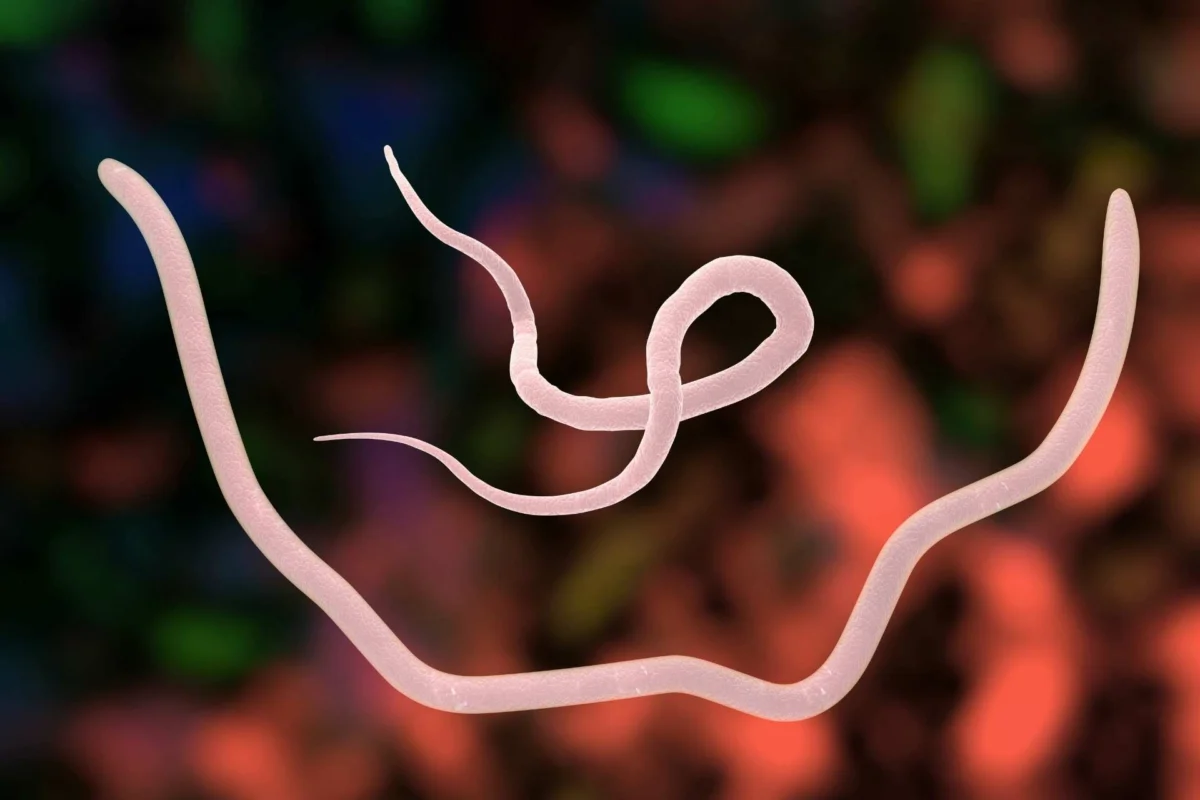
Recent scientific investigations into the complex ecosystems of the mammalian gut have uncovered a fascinating cross-generational mechanism through which exposure to parasitic worms, known as helminths, can significantly bolster the respiratory immune defenses of offspring. Published in the journal Cell Host & Microbe, a groundbreaking study led by researchers at Princeton University demonstrates that when female mice are exposed to helminths prior to pregnancy, alterations in their maternal gut microbiota lead to the production of a specific microbial metabolite called indole-3-propionic acid (IPA). This molecule is subsequently transmitted to the developing pups, priming their pulmonary cells to mount a robust defense against dangerous respiratory viruses such as influenza and respiratory syncytial virus (RSV).
The implications of this research extend far beyond murine models, opening new avenues for understanding how modern sanitation practices, while eradicating debilitating parasitic infections, may have inadvertently altered our immunological baseline. By mapping the biochemical pathways connecting maternal intestinal flora to neonatal lung immunity, scientists are beginning to decipher the hidden costs of living in a hyper-sanitized environment and identifying actionable therapeutic strategies that mimic the protective effects of these ancient microbial partnerships.
The Evolutionary Context and the Hygiene Hypothesis
For the vast majority of human history, co-existence with helminths—including hookworms, roundworms, and whipworms—was a biological norm. These multicellular parasites have spent millennia evolving alongside mammals, developing sophisticated mechanisms to modulate the host immune system to ensure their own survival. To prevent expulsion, helminths typically dampen aggressive inflammatory responses, a side effect that has historically protected their hosts from autoimmune diseases, allergies, and chronic inflammatory conditions.
With the advent of modern sanitation, clean drinking water, and effective anthelmintic medications, helminths have been largely eliminated from industrialized societies. However, this public health triumph intersects with a curious epidemiological trend: the dramatic rise in immune-mediated disorders, allergies, and heightened vulnerability to certain viral pathogens in the developed world. This observation forms the core of the hygiene hypothesis, which posits that the absence of microbial and parasitic exposures during early childhood leaves the immune system improperly calibrated.
To investigate whether the loss of helminths could account for deficiencies in early-life viral defense, Krist Antunes Fernandes and her colleagues at Princeton University designed an experimental framework to test trans-generational immune priming. They sought to determine whether an infection in the mother could confer systemic resilience to the next generation, even in the complete absence of the parasites themselves.
Experimental Findings: Protection Without Infection
The methodology employed by the Princeton research team involved infecting female mice with helminths before they conceived. As expected, the offspring born to these infected mothers did not inherit the parasites. However, a battery of immunological and virological challenges revealed a striking physiological difference: the pups of helminth-exposed mothers exhibited a remarkable resistance to respiratory infections, specifically influenza A.
When subjected to viral challenge, these offspring demonstrated superior clinical outcomes across multiple metrics. They experienced significantly reduced weight loss—a primary indicator of disease severity in murine models—lower viral loads within the pulmonary tissue, and a marked decrease in harmful lung inflammation. Most importantly, these pups survived severe viral infections at rates drastically higher than control groups born to uninfected mothers.
Subsequent investigations into the mechanism of this protection yielded a surprising conclusion: the enhanced antiviral state was not mediated by maternal antibodies transferred through the placenta or milk. Instead, the protective effect was entirely dependent on the composition and metabolic output of the maternal microbiota.
The presence of helminths fundamentally restructured the gut microbial communities of the pregnant mice. These altered microbial populations displayed an enhanced capacity to process dietary components, specifically the amino acid tryptophan, into bioactive metabolites. Chief among these was indole-3-propionic acid (IPA), a circulating small molecule that crosses biological barriers and reaches developing tissues, where it directly stimulates antiviral gene expression in neonatal lung cells. Furthermore, the guts of the pups themselves were found to be enriched with beneficial bacterial genera capable of producing indole-related metabolites, notably Lactobacillus, Bifidobacterium, and Clostridium species.
Therapeutic Potential of IPA and Cross-Species Relevance
To confirm whether IPA was the primary driver of this enhanced immunity, the researchers bypassed the maternal helminth infection entirely. They administered IPA directly to newborn mice. The results mirrored those observed in the offspring of helminth-infected mothers: treated mice exhibited elevated antiviral gene activity in their pulmonary tissue. When subsequently exposed to lethal doses of RSV or influenza A, these mice showed reduced weight loss, lower viral titers, less pulmonary inflammation, and enhanced survival rates compared to untreated control subjects.
To evaluate the translational potential of these findings, the research team tested the effects of IPA on human cellular models. When human airway cells grown in laboratory dishes were treated with the microbial metabolite, they similarly exhibited heightened antiviral responses, suggesting that the molecular pathways activated by IPA are conserved across mammalian species.
To ground these laboratory findings in human populations, the researchers compared the gut microbiome profiles of helminth-colonized Indigenous communities in Malaysia with those of urban populations in the same country. The metagenomic analysis revealed a distinct functional divergence: the gut bacteria of the Indigenous communities possessed a significantly higher metabolic capacity to process tryptophan into immune-shaping molecules like IPA compared to their urban counterparts. This comparative data underscores how modern lifestyle shifts and the eradication of helminths may systematically deplete the human microbiome of critical immunomodulatory capacities.
Implications for Public Health and Future Therapeutics
The identification of microbiota-derived metabolites as crucial mediators of cross-generational immunity represents a paradigm shift in how immunologists view host-pathogen interactions. Rather than viewing all microbes and parasites as strictly pathogenic, contemporary research increasingly recognizes the evolutionary necessity of certain symbiotic and commensal relationships.
In the wake of these findings, the scientific community is exploring how to harness these insights without reintroducing parasitic worms into modern populations, which remains clinically impractical and undesirable due to the morbidity associated with heavy worm burdens. Instead, the focus has shifted toward postbiotics—therapeutic agents utilizing isolated microbial metabolites like IPA—and targeted prebiotics or probiotics designed to restore lost metabolic pathways in the human gut.
Pharmaceutical developers and academic laboratories are now examining the feasibility of formulating IPA-based therapeutics or specialized nutritional interventions for pregnant individuals and infants. Such interventions could theoretically replicate the protective priming traditionally conferred by maternal exposure to ancient parasites, offering a novel defense mechanism against seasonal respiratory viruses and emerging pathogens.
As research continues to untangle the complex web of signals passing between the maternal gut, circulating metabolites, and neonatal tissues, the work led by the Princeton team highlights a broader biological truth: human health is inextricably linked to the diverse microbial ecosystems we harbor. By understanding the biochemical languages of these ancient partnerships, modern medicine may soon find ways to rebuild lost immunological resilience from the inside out.
