
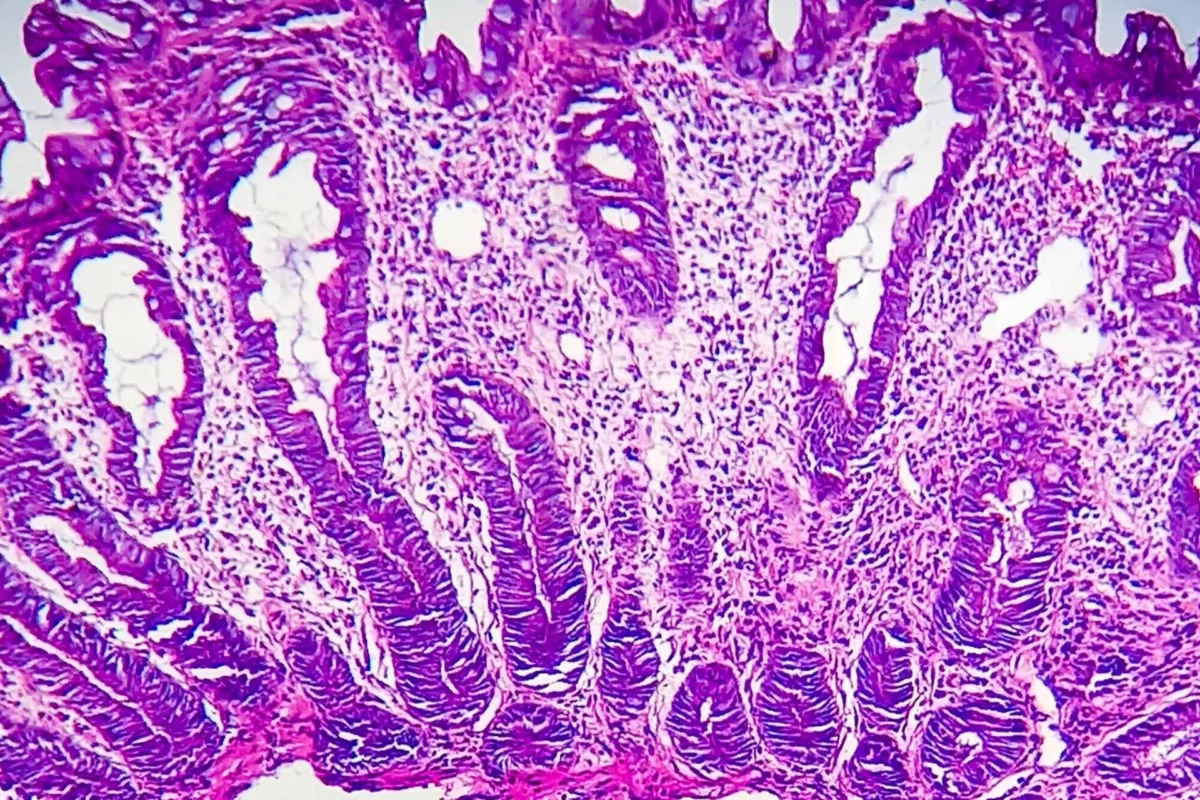
The human digestive tract harbors a complex, dynamic ecosystem of trillions of microorganisms known collectively as the gut microbiota. For decades, medical researchers have understood that this microbial community plays a profound role in human health, influencing everything from metabolic processes and immune function to the development of chronic diseases. Among the most critical areas of ongoing gastroenterological research is the intricate relationship between gut microbial composition and colorectal cancer (CRC). Recent scientific investigations have cast new light on this dynamic, revealing that even after precancerous growths known as adenomas are successfully removed from the colon, distinct alterations within the gut microbiome continue to persist. These lingering microbial signatures closely mirror those found in patients with active colorectal cancer, suggesting that the physiological footprint of past adenomas remains embedded in the gut long after the physical lesions have been excised.
This groundbreaking insight stems from a comprehensive comparative study analyzing stool samples from 354 women with a documented history of colorectal adenoma removal, matched against a control cohort of 354 women with no prior history of precancerous growths. The findings, which highlight persistent shifts in microbial populations and their associated metabolic byproducts, offer a paradigm-shifting perspective on post-polypectomy surveillance and long-term cancer risk management. While the successful removal of adenomas through routine colonoscopy remains the gold standard for intercepting the pathway toward malignancy, the persistence of an altered microbiome indicates that patients with a history of adenomas may continue to face an elevated baseline risk. Consequently, medical experts are increasingly viewing the modulation and monitoring of the gut microbiota as a vital, unexplored frontier in preventative oncology, one that could fundamentally transform how clinicians manage patients long after their initial surgical clearance.
Understanding the Precancerous Pathway: The Adenoma-Carcinoma Sequence
To fully appreciate the significance of persistent microbial alterations, it is essential to examine the natural history of colorectal cancer. The vast majority of colorectal malignancies develop via the well-documented adenoma-carcinoma sequence. This biological progression begins with the formation of adenomas—benign, glandular growths of the colonic mucosa that carry the potential to undergo malignant transformation over time. Epidemiological and clinical data indicate that this transition is rarely instantaneous; rather, it is a gradual process that can span a decade or more, offering a critical window of clinical opportunity for early detection and intervention.
During routine screening colonoscopies, gastroenterologists routinely identify and resect these precancerous polyps. Clinical guidelines universally support adenoma removal as an effective mechanism for reducing overall colorectal cancer incidence and mortality. However, longitudinal follow-up studies have consistently demonstrated a clinical paradox: individuals who have had adenomas removed remain at a significantly higher risk of developing subsequent adenomas—and, ultimately, colorectal cancer—compared to individuals who have never presented with such growths.
Historically, this heightened residual risk has been attributed to a combination of host genetics, systemic inflammatory factors, shared environmental exposures, and lifestyle choices such as diet, physical activity, and smoking. Yet, these traditional risk factors do not fully account for the observed variances in recurrence rates. In recent years, investigators have increasingly turned their attention to the luminal environment of the colon itself, hypothesizing that long-lasting or irreversible changes in the composition of the gut microbiota and the bioactive metabolites they produce might provide the missing link in explaining this persistent vulnerability.
Methodology and Comparative Analysis of the Landmark Study
To investigate the hypothesis that microbial dysbiosis outlasts the physical removal of adenomas, researchers designed a robust, case-control study aimed at characterizing the fecal microbiome of individuals with a documented history of precancerous lesions. The study cohort comprised 354 women who had previously undergone the endoscopic resection of colorectal adenomas, alongside a meticulously matched control group of 354 women with clean screening histories, meaning they had never presented with adenomas or other neoplastic findings upon colonoscopic evaluation.
Utilizing advanced molecular techniques, specifically high-throughput sequencing of the 16S rRNA gene alongside metagenomic and metabolomic profiling of stool samples, the research team sought to map the taxonomic composition of the gut microbiota and quantify the abundance of specific microbial metabolites. The analytical framework was designed to control for confounding variables such as age, body mass index, dietary patterns, antibiotic use, and comorbid conditions, thereby isolating the specific microbial signatures associated with a history of adenoma formation.
The results of the comparative analysis were striking. The investigators discovered that women with a prior history of adenoma removal exhibited profound, long-lasting alterations in their gut microbial profiles. Rather than reverting to a baseline state characteristic of healthy individuals with no history of polyps, the microbiota of the post-adenoma cohort retained distinct compositional features. Specifically, these microbial communities bore a striking resemblance to the dysbiotic signatures frequently observed in patients diagnosed with active colorectal cancer. This included an enrichment of pro-inflammatory and opportunistic bacterial taxa, coupled with a notable depletion of beneficial, short-chain fatty acid-producing bacteria known to exert protective anti-inflammatory and anti-neoplastic effects on the colonic epithelium.
Furthermore, the metabolomic analysis of the stool samples revealed significant divergences in microbial byproducts between the two groups. The metabolic output of the altered microbiome in women with past adenomas showed altered concentrations of secondary bile acids, polyamines, and other metabolites known to either promote or inhibit cellular proliferation within the mucosal lining of the large intestine. These biochemical disparities reinforce the hypothesis that a post-polypectomy gut is biochemically distinct from a pristine gut, maintaining an internal environment that may be structurally predisposed to encouraging cellular atypia.
The Chronology of Microbial Shift and Clinical Significance
The timeline of colorectal cancer prevention has traditionally been anchored to procedural milestones: the initial screening colonoscopy, the identification and excision of polyps, and the scheduled interval for surveillance colonoscopy, which typically ranges from three to ten years depending on baseline findings. However, the discovery that gut microbial alterations persist long after polyp removal introduces a complex temporal dimension to patient management.
When an adenoma is excised, the physical lesion is eradicated, yet the microenvironment in which it grew appears to retain a form of ecological memory. The exact duration of these microbial shifts remains an active area of investigation, but current data suggest they can persist for years following polypectomy. This temporal persistence raises critical questions regarding the window of vulnerability during surveillance intervals. If the gut microbiota remains in a pro-tumorigenic, dysbiotic state between colonoscopies, patients may continue to accumulate molecular damage driven by microbial metabolites and chronic low-grade mucosal inflammation, even in the absence of visible polyps.
This chronological understanding bridges the gap between static procedural interventions and dynamic biological monitoring. It suggests that clinical risk is not entirely reset to zero the moment an adenoma is snared and removed from the bowel wall. Instead, the persistent microbial signature acts as an ongoing variable that must be accounted for in comprehensive risk stratification models. By recognizing that microbial dysbiosis outlasts the physical lesion, the medical community is forced to re-evaluate the traditional endpoint of polypectomy and consider whether post-procedural care should extend beyond anatomical surveillance to encompass microbial rehabilitation.
Implications for Future Screening and Therapeutic Interventions
The implications of these findings extend far beyond academic pathology, pointing toward a fundamental transformation in how clinicians may approach colorectal cancer prevention, risk stratification, and post-operative care in the coming decades. As personalized medicine continues to evolve, the integration of microbiome-based diagnostics into routine gastroenterology practice is moving from theoretical concept to tangible clinical reality.
One of the most promising applications of this research lies in the development of non-invasive biomarker assays. Current surveillance protocols rely heavily on repeat colonoscopies, which, while highly effective, are invasive, resource-intensive, and associated with rare procedural risks such as bowel perforation or bleeding. By analyzing stool samples for specific microbial signatures and metabolic byproducts associated with persistent adenoma risk, clinicians may soon be able to identify which post-polypectomy patients are at the highest risk for recurrence. This could allow for a more personalized surveillance schedule, directing intensive resources toward individuals with high-risk microbial profiles while safely extending screening intervals for patients whose microbiomes have successfully normalized.
Beyond monitoring, the prospect of reshaping the gut microbiota—a concept known as targeted microbial modulation—offers an exciting therapeutic frontier. If persistent dysbiosis contributes to residual cancer risk following adenoma removal, then actively intervening to restore a healthy, diverse, and protective microbiome could become a cornerstone of preventative oncology. Several strategies are currently being explored in clinical research settings to achieve this microbial reset:
- Dietary Interventions: Tailored nutritional protocols rich in specific prebiotics, dietary fibers, and polyphenol-dense plant foods can selectively nourish beneficial bacterial strains, such as Faecalibacterium prausnitzii and various Bifidobacterium species, which produce protective short-chain fatty acids like butyrate.
- Targeted Probiotics and Postbiotics: The development of next-generation probiotics—formulated with live biotherapeutic products derived from human commensal bacteria—aims to actively outcompete pro-inflammatory taxa and restore metabolic homeostasis within the colonic lumen.
- Fecal Microbiota Transplantation (FMT): While primarily utilized today for recurrent Clostridioides difficile infections, investigational protocols are examining the potential of FMT or synthetic microbial consortia to safely re-engineer the colonic ecosystem in high-risk neoplasia patients.
- Pharmacological and Antimicrobial Modulation: Selective targeting of pathogenic or mucosa-associated bacteria implicated in carcinogenesis using precision therapeutics may reduce the inflammatory burden on the colonic epithelium.
Expert Perspectives and the Broader Medical Consensus
The medical community has responded to these findings with a mix of cautious optimism and a clear call for expanded, multi-center prospective studies. Oncology and gastroenterology specialists emphasize that while the association between persistent microbial dysbiosis and post-adenoma risk is compelling, establishing direct causality requires rigorous, long-term human trials.
Dr. Elena Vance, a leading clinical researcher in gastrointestinal oncology who was not directly involved in the study, noted that the research provides a vital missing piece of the preventative puzzle. "For years, clinicians have puzzled over why certain patients experience repeated adenoma formations despite clean lifestyle habits and successful resections," Dr. Vance explained. "This study highlights the luminal microbiome as a critical mediator of long-term risk. It shifts our understanding from viewing adenomas as isolated local events to recognizing them as manifestations of a broader ecological imbalance within the gastrointestinal tract."
Furthermore, epidemiologists stress the importance of expanding future cohorts to include more diverse populations. Because the current study focused exclusively on female participants, researchers underline the necessity of validating these microbial signatures across male cohorts, diverse ethnic groups, and varying geographical regions, given that baseline microbiome compositions are known to be heavily influenced by cultural, dietary, and environmental factors.
Public health advocates also point out that incorporating microbiome health into standard preventative guidelines could empower patients to take an active role in reducing their cancer risk. By understanding that dietary and lifestyle choices directly shape the microbial ecosystem of the colon, patients may be more motivated to adopt sustainable, gut-healthy behaviors following the detection and removal of precancerous polyps.
Conclusion: A New Horizon in Oncology
Colorectal cancer remains one of the leading causes of cancer-related morbidity and mortality worldwide, making the refinement of screening and prevention strategies an urgent public health priority. The discovery that gut microbiota alterations persist long after adenoma removal challenges traditional clinical assumptions and broadens the scope of preventative medicine. By linking post-procedural residual risk to enduring microbial dysbiosis, researchers have uncovered a novel biological target that bridges gastroenterology, microbiology, and oncology.
As scientific inquiry progresses, the integration of microbiome monitoring and targeted microbial modulation into post-polypectomy care protocols holds immense promise. Future strategies will likely transcend the mere physical removal of lesions, embracing a holistic approach that seeks to heal the ecological landscape of the colon. In doing so, modern medicine moves one step closer to neutralizing the threat of colorectal cancer at its foundational roots, offering renewed hope for more effective, personalized, and long-lasting preventative care.
