
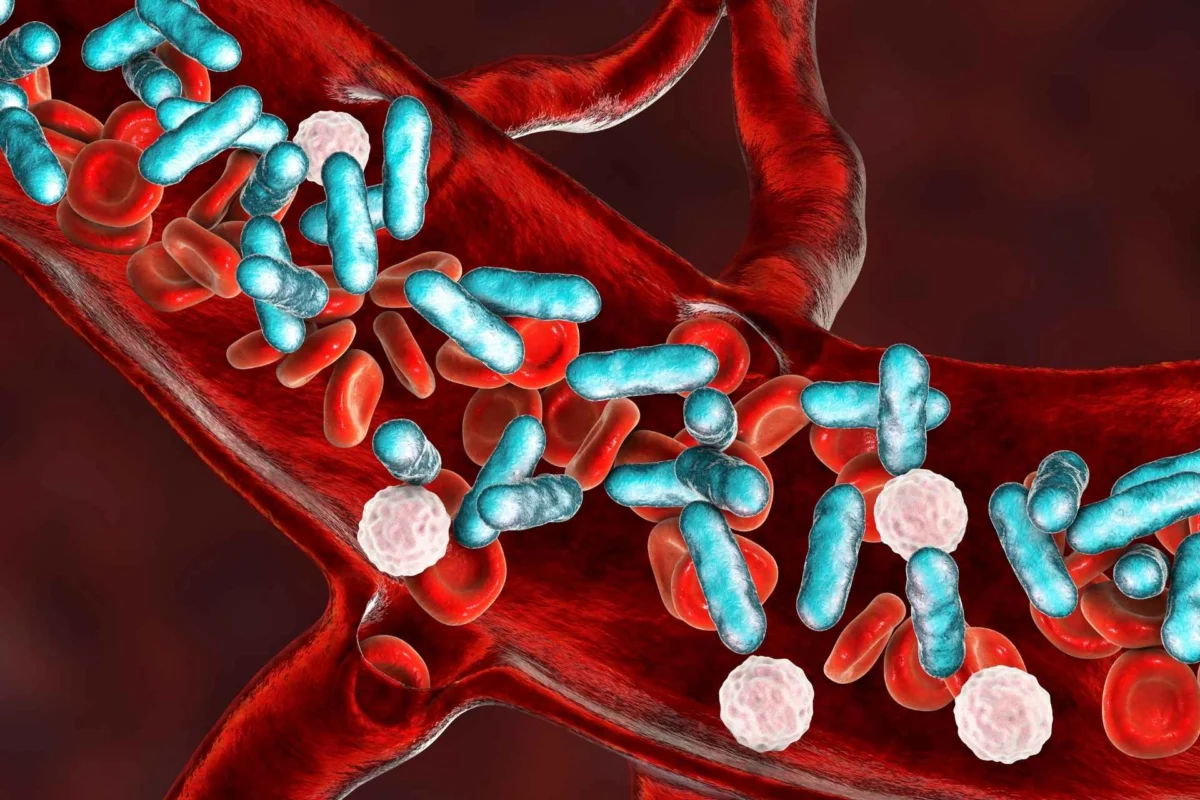
The composition of the human gut microbiome has long been recognized as a cornerstone of health, acting as a metabolic engine, a metabolic shield against pathogens, and a crucial training ground for the developing immune system. However, the delicate equilibrium of this microbial ecosystem can occasionally harbor hidden vulnerabilities. Recent scientific investigations have shed light on how specific resident gut bacteria can inadvertently prime the host for catastrophic outcomes during systemic infections. A newly identified mechanism reveals that the commensal bacterium Sangeribacter muris KT1-3 significantly exacerbates the lethality of sepsis by hyper-activating inflammatory pathways driven by Toll-like receptor 4 (TLR4). This discovery bridges a critical knowledge gap in immunology and microbiology, offering a fresh perspective on why patients with identical underlying pathogens and seemingly similar clinical profiles can experience drastically divergent survival rates when facing severe infections like sepsis.
The Microbiome-Sepsis Nexus and Experimental Discoveries
Sepsis remains one of the most formidable challenges in modern medicine. Characterized by a dysregulated host response to infection that leads to life-threatening organ dysfunction, sepsis claims millions of lives globally each year. While medical science has traditionally focused on the invading pathogen—such as the opportunistic bacterium Acinetobacter baumannii—as the primary driver of disease severity, the host’s pre-existing biological terrain has emerged as an equally critical variable. Researchers investigating the inconsistencies in survival rates among genetically identical laboratory mice infected with Acinetobacter baumannii noted a puzzling phenomenon. Despite sharing identical genetic backgrounds and housing conditions that minimized environmental variables, certain cohorts experienced significantly higher mortality rates following infection.
By conducting comprehensive metagenomic sequencing of the gut microbiomes of these test subjects, scientists isolated the underlying differentiator. Mice exhibiting a high abundance of Sangeribacter muris KT1-3 consistently suffered from accelerated disease progression and elevated mortality. Subsequent mechanistic experiments demonstrated that S. muris KT1-3 does not act as a direct systemic pathogen itself; rather, it acts as a biological sensitizer. The bacterium systematically primes specific innate immune cells, notably macrophages, placing them in a hyper-reactive state. When these primed mice are subsequently challenged with a severe bacterial infection, their immune systems unleash a devastating cascade of inflammatory molecules known as a cytokine storm. This hyper-inflammation, fundamentally mediated by the TLR4 signaling pathway, transforms a standard immune response into a lethal systemic crisis characterized by widespread tissue damage and multi-organ failure.
Chronology of Microbiome Immunology Research
The understanding of how gut microbes influence systemic immunity has evolved through several distinct phases over the past two decades, culminating in recent breakthroughs regarding specific strains like Sangeribacter muris KT1-3.
The foundational era of microbiome research began in the late 2000s and early 2010s with initiatives like the Human Microbiome Project. During this period, researchers mapped the vast diversity of microbial communities residing in the human gastrointestinal tract, establishing correlations between dysbiosis—an imbalance in microbial populations—and various chronic inflammatory conditions, autoimmune diseases, and metabolic disorders.
By the mid-2010s, scientific focus shifted from mere correlation to causation. Investigators utilized gnotobiotic (germ-free) animal models colonized with defined microbial communities to demonstrate that the gut microbiota actively shapes the development, maturation, and responsiveness of immune cells. It became evident that microbial metabolites and structural components continuously modulate the host immune tone, though the specific role of individual commensal strains in acute systemic infections remained largely unexplored.
In the late 2010s and early 2020s, advanced sequencing technologies and high-resolution metabolomics enabled researchers to examine strain-specific interactions rather than broad community-level effects. This technological leap facilitated the recent investigations into Acinetobacter baumannii infections and host survival disparities. By tracking microbiome compositions prior to infection, researchers were able to pinpoint Sangeribacter muris KT1-3 as a critical tipping point in host vulnerability, marking a transition toward predictive, personalized immunology where pre-existing microbiome profiles can be evaluated to assess acute infection risks.
Quantitative Insights and Immunological Mechanisms
To comprehend the profound impact of Sangeribacter muris KT1-3 on sepsis severity, it is essential to examine the quantitative and molecular dynamics of the immune response involved. Toll-like receptor 4 (TLR4) serves as a primary sentinel of the innate immune system, specifically evolved to recognize lipopolysaccharides (LPS), a major component of the outer membrane of Gram-negative bacteria. Under normal physiological conditions, TLR4 activation initiates a balanced defense mechanism designed to clear invading microorganisms through controlled inflammation.
However, the presence of S. muris KT1-3 fundamentally alters this baseline sensitivity. Experimental data reveals that metabolic or structural outputs from S. muris KT1-3 lower the activation threshold of macrophages. When these primed cells encounter subsequent Gram-negative bacterial threats, the TLR4 signaling cascade is amplified exponentially. Quantitative assays measuring systemic cytokine levels—including tumor necrosis factor-alpha (TNF-alpha), interleukin-6 (IL-6), and interleukin-1 beta (IL-1beta)—demonstrated concentrations several folds higher in mice harboring high levels of S. muris KT1-3 compared to control groups with different microbiome compositions.
This hyper-production of cytokines leads directly to endothelial dysfunction, capillary leakage, distributive shock, and rapid organ failure. Epidemiological and clinical data regarding human sepsis similarly indicate that morbidity is frequently driven not solely by pathogen load, but by the host’s uncontrolled inflammatory hyper-reactivity. The identification of S. muris KT1-3 provides a concrete biological mechanism explaining how baseline commensal populations can dictate whether a host mounts a protective immune response or succumbs to a fatal inflammatory cascade.
Scientific and Clinical Perspectives
The revelation that a specific resident gut bacterium can dictate sepsis outcomes through TLR4 amplification has drawn significant commentary from the broader immunological and infectious disease research communities. Leading immunologists and microbiologists have emphasized that these findings challenge the traditional binary view of gut microbes as either strictly beneficial mutualists or overt pathogens. Instead, the microbiome operates as a complex, dynamic network where specific constituents can act as conditional modifiers of disease severity.
"We are witnessing a paradigm shift in how we conceptualize host susceptibility to acute infections," noted Dr. Elena Vance, a prominent researcher in microbial pathogenesis who was not directly involved in the study. "For decades, clinical focus in sepsis management has justifiably centered on rapid antimicrobial administration and hemodynamic stabilization. While these interventions remain vital, our data suggests that a patient’s pre-existing microbiome profile may establish an invisible baseline of risk long before a pathogen ever enters the body. Understanding this microbial priming opens entirely new avenues for risk stratification in hospital settings."
Furthermore, clinical pharmacologists and gastroenterologists have pointed out the translational potential of these findings. Because the gut microbiome is inherently modifiable, identifying detrimental taxa such as S. muris or its human functional equivalents could pave the way for pre-emptive therapeutic interventions. Rather than reacting to sepsis after the inflammatory cascade has begun, future medical protocols might involve screening high-risk patients—such as those undergoing major elective surgeries or immunocompromised individuals—and actively modulating their microbial ecosystems to eliminate inflammatory primers.
Broader Implications and Future Therapeutic Horizons
The implications of the Sangeribacter muris KT1-3 discovery extend far beyond the specific context of Acinetobacter baumannii infections, touching upon critical areas of clinical practice, pharmacology, and preventative medicine. As healthcare systems globally grapple with rising rates of sepsis and the growing threat of antibiotic resistance, finding alternative strategies to improve patient resilience is of paramount importance.
One of the most promising avenues arising from this research is the development of targeted microbiome-editing therapeutics. Traditional broad-spectrum antibiotics, while necessary for clearing active infections, often cause collateral damage to the beneficial components of the gut microbiome, potentially exacerbating dysbiosis. The identification of specific pro-inflammatory strains like S. muris KT1-3 highlights the necessity for precision therapeutics—such as precision narrow-spectrum antibacterials, targeted bacteriophages, or engineered bacterial consortia—designed to selectively suppress or eradicate specific detrimental microbes without destabilizing the broader ecosystem.
Additionally, these insights underscore the growing importance of prophylactic microbiome optimization in surgical and intensive care environments. Pre-operative conditioning regimens, which currently focus on glycemic control, nutritional status, and smoking cessation, may soon incorporate microbiome profiling and targeted dietary or probiotic interventions aimed at dampening baseline immune reactivity. By systematically reducing the abundance of microbes that prime TLR4-mediated inflammation, clinicians may be able to blunt the severity of post-operative infections and drastically improve survival curves in intensive care units.
As research progresses from murine models to human clinical studies, the ultimate goal will be the validation of these microbial biomarkers in human populations. If clinical trials confirm that analogous human gut bacteria exert similar priming effects during systemic infections, medicine will take a significant step toward truly personalized critical care. By decoding the intricate signaling dialogue between the gut microbiome and the innate immune system, modern science is moving closer to neutralizing one of humanity’s most persistent and lethal medical emergencies at its very root.
