

The global food technology sector continues its rapid evolution, with the past week showcasing significant advancements in plant-based alternatives, sustainable ingredient development, and novel approaches to familiar products. From whole-cut plant-based steak that mimics traditional beef to innovative cocoa-free chocolate and advancements in mycoprotein production, the industry demonstrates a robust commitment to sustainability, consumer choice, and addressing environmental challenges. This comprehensive overview delves into the key developments, offering context, potential implications, and a glimpse into the future of food.
This Introduces Groundbreaking Whole-Cut Plant-Based Steak
UK-based plant-based meat innovator, This, has launched a significant new product: a whole-muscle steak fillet infused with black peppercorns. This release marks a notable step forward in the quest for plant-based alternatives that closely replicate the texture and taste of traditional meat. Each pack features two 110g cuts, boasting an impressive 31g of soy and wheat protein per serving. The product is set to become widely available across major UK retailers, including Tesco, Asda, and Waitrose, this month, with Sainsbury’s following suit in early May. Priced at £7 per pack, this offering positions itself as a premium, accessible alternative for consumers seeking to reduce their meat consumption without compromising on the dining experience.
The development of whole-cut plant-based meat is a complex undertaking. It requires sophisticated techniques to replicate the fibrous structure, marbling, and cooking properties of animal muscle. This’s achievement in this area suggests a mastery of texturization technologies, likely involving advanced extrusion or shear cell technologies, combined with carefully selected plant proteins to create a product that offers a satisfying mouthfeel and culinary versatility. The inclusion of black peppercorns not only enhances flavor but also hints at the brand’s focus on delivering a complete sensory experience akin to a traditionally prepared steak.
Industry analysts note that the success of whole-cut plant-based meats is crucial for mainstream adoption. While mince-based alternatives have gained significant traction, products that can replace cuts like steak, chicken breast, or fish fillets have been more challenging to perfect. This’s launch, therefore, represents a potential tipping point, offering consumers a more direct and appealing substitute for a staple of many diets. The protein content, exceeding that of many other plant-based options, further underscores its appeal to consumers seeking both ethical and nutritional benefits.
Planet A Foods Pioneers Cocoa-Free Easter Delights
In a move that addresses the growing concerns surrounding cocoa sustainability and ethical sourcing, German company Planet A Foods has introduced its cocoa-free Easter eggs to the UK, France, and Australia. These innovative treats utilize the company’s proprietary Choviva ingredient, a sustainable alternative to traditional chocolate derived from fermenting grains. This initiative not only offers consumers a delicious and guilt-free indulgence but also tackles the environmental and social issues plaguing the conventional cocoa industry, such as deforestation, child labor, and volatile market prices.

The cocoa industry has faced increasing scrutiny for its impact on biodiversity, with vast tracts of rainforest being cleared for cocoa plantations. Furthermore, the livelihoods of many cocoa farmers remain precarious, often trapped in cycles of poverty. Planet A Foods’ Choviva offers a compelling solution by decoupling the joy of chocolate from these problematic supply chains. By utilizing a fermentation process with readily available grains, the company has developed a versatile ingredient that can be used to create a range of chocolate-like products, including these festive Easter eggs.
The expansion of Planet A Foods’ cocoa-free offerings into key international markets signals a growing consumer appetite for sustainable and ethically produced alternatives. Easter, a holiday heavily associated with chocolate consumption, presents an ideal opportunity to showcase the viability and appeal of cocoa-free options. The success of these Easter eggs could pave the way for broader adoption of Choviva in confectionery and other food applications, potentially reshaping the landscape of sweet treats.
Fiid Rebrands with Enhanced Nutritional Profiles
Irish plant-based company Fiid has unveiled a comprehensive rebrand, complete with a new CEO, Julia Kessler, and an updated range of ready meals. The revamped recipes now feature a lower fat, sugar, and salt content, while significantly increasing the inclusion of lentils and beans. This strategic shift emphasizes Fiid’s commitment to providing healthier and more nutritious plant-based meal solutions. The updated products are available at Booths, Amazon, and various independent stores, priced at £2.95 per meal.
The move by Fiid reflects a broader trend within the plant-based food industry towards prioritizing nutritional density and health benefits. While the initial surge in plant-based products often focused on mimicking meat, there is a growing demand for meals that are not only free from animal products but also actively contribute to well-being. The increased focus on legumes like lentils and beans aligns with dietary recommendations for fiber-rich, protein-packed, and nutrient-dense foods.
Julia Kessler’s appointment as CEO signals a potential new phase of growth and strategic direction for Fiid. Her leadership is expected to guide the company in capitalizing on the evolving consumer preferences for healthier and more sustainable food options. The rebrand, including a fresh visual identity and improved recipes, is designed to resonate with a health-conscious consumer base looking for convenient yet wholesome meal solutions. The competitive pricing also makes these meals accessible to a wider audience, further supporting their market penetration.
Oatly Expands Reach into US Costco Stores
Global oat milk giant Oatly has significantly expanded its presence within the United States by rolling out its products to Costco stores across the Northeast region. This strategic expansion aims to make Oatly’s popular oat milk more accessible to a larger segment of the American consumer base. To further incentivize trial and purchase, the company is offering a $3 discount on three-pack cartons of its 64oz original oat milk, a promotion valid until the end of April.

Costco, known for its bulk offerings and value-driven approach, represents a significant retail channel for expanding brand reach. For Oatly, this partnership allows them to tap into a customer base that prioritizes value and often purchases in larger quantities. The promotional offer is a common tactic to drive initial sales and encourage repeat purchases, particularly for a product that consumers may be trying for the first time or integrating into their regular shopping habits.
The continued growth of Oatly in the US market underscores the sustained demand for plant-based milk alternatives. As consumers become more aware of the environmental and health benefits associated with dairy-free options, brands like Oatly are well-positioned to capture market share. The expansion into a major national retailer like Costco is a testament to Oatly’s brand strength and the growing mainstream acceptance of plant-based beverages.
Morningstar Farms Taps into Growing Demand for Vegetable-Forward Options
Morningstar Farms, a well-established player in the US plant-based market and a subsidiary of Mars, has introduced its Royal Thai Curry Patties to the foodservice and away-from-home channels. This launch is informed by market data indicating a surge in demand for vegetable-led products, which are increasingly outpacing meat analogues in popularity. The new patties are crafted with nine vegetables, offering a flavorful and nutrient-rich option for consumers.
The strategy behind this launch is rooted in a deep understanding of evolving consumer preferences. While the plant-based market initially focused on replicating meat, there’s a discernible shift towards products that celebrate vegetables as the primary ingredient. This approach appeals to a broader demographic, including flexitarians and health-conscious individuals who may not identify as strictly vegan or vegetarian but are actively seeking to incorporate more plant-based meals into their diets.
The Royal Thai Curry flavor profile suggests an exploration of global cuisines, offering a more adventurous and sophisticated taste experience compared to traditional veggie burgers. By targeting the foodservice sector, Morningstar Farms is strategically placing its product in environments where consumers are often open to trying new options, such as restaurants, cafeterias, and catering services. This allows for wider trial and exposure, potentially driving future retail demand. The fact that vegetable-forward products are outpacing meat analogues in growth is a significant insight, suggesting that future innovation will likely focus on maximizing the inherent appeal and nutritional value of vegetables themselves.
Primient Establishes Biosolutions Unit to Drive Bioeconomy Growth
Primient, a global producer of plant-based ingredients, has taken a significant step to accelerate its involvement in the bioeconomy by creating a new Biosolutions business unit. This strategic move is designed to expedite the commercialization of high-value, bio-based solutions, signaling a commitment to innovation and sustainable product development. The establishment of this dedicated unit underscores the growing importance of renewable resources and biotechnological advancements in shaping the future of the food and materials industries.

The bioeconomy focuses on utilizing biological resources and processes to create sustainable products and services. By establishing the Biosolutions unit, Primient is positioning itself at the forefront of this transition, aiming to develop and market innovative ingredients and materials derived from renewable feedstocks. This could encompass a wide range of applications, from advanced food ingredients to biodegradable materials and biofuels.
The timing of this announcement is particularly relevant as global demand for sustainable alternatives to fossil-fuel-based products continues to rise. Companies that can leverage biotechnological innovation to create high-performance, environmentally friendly solutions are poised for significant growth. Primient’s investment in this area suggests a long-term vision to diversify its product portfolio and contribute to a more circular and sustainable economy. The success of this unit will likely depend on its ability to translate cutting-edge research into scalable commercial products that meet market demands.
Enifer Achieves Milestone in Mycoprotein Production
Finnish startup Enifer has reached a significant production milestone by completing a four-metric-tonne batch of its Pekilo Pet mycoprotein. This marks the first time the ingredient has been available in substantial quantities, making it accessible for manufacturer formulation trials. Mycoprotein, derived from fungi, is gaining recognition as a versatile and sustainable protein source with a range of potential applications, including pet food and human food products.
The achievement of a four-metric-tonne production signifies Enifer’s successful scaling of its fermentation technology. Previously, mycoprotein production was often limited to smaller pilot batches, hindering its widespread adoption by larger manufacturers. The availability of Pekilo Pet in meaningful quantities allows pet food companies to conduct rigorous testing and product development, paving the way for its integration into commercial pet food formulations.
The nutritional profile of mycoprotein is highly attractive, offering a complete amino acid profile and a good source of fiber. Furthermore, its production typically requires less land and water compared to conventional protein sources like animal agriculture or even some plant-based proteins. This makes it a compelling option for companies seeking to improve the sustainability of their supply chains. Enifer’s progress in commercializing Pekilo Pet could lead to a significant shift in the pet food industry, offering a more sustainable and potentially healthier alternative to traditional ingredients. The fact that this initial large-scale production is targeted at the pet food market also highlights the growing trend of treating pets with the same consideration for health and sustainability as humans.
*Prefer Relocates Headquarters to AStartCentral**
Singaporean food tech startup Prefer, recognized for its innovative bean-free coffee and chocolate alternatives, has moved its headquarters to AStartCentral. This relocation signifies a strategic move to a hub known for fostering innovation and supporting high-growth startups. AStartCentral is an incubator and accelerator program that provides startups with resources, mentorship, and access to a vibrant ecosystem of research and industry partners.

Prefer’s focus on developing novel alternatives to staple products like coffee and chocolate addresses significant environmental and agricultural challenges. The production of conventional coffee beans, for instance, is susceptible to climate change and can contribute to deforestation. By creating bean-free alternatives, Prefer aims to offer consumers enjoyable products with a significantly reduced environmental footprint.
The move to AStartCentral is likely to provide Prefer with enhanced opportunities for collaboration, research and development, and access to funding. Being part of a dynamic innovation ecosystem can accelerate product development cycles and facilitate market entry. This strategic relocation underscores Prefer’s ambition to scale its operations and solidify its position as a leader in the alternative food ingredients space. The support offered by AStartCentral, which often includes access to advanced facilities and expertise, can be crucial for a company operating at the cutting edge of food technology.
Mara Renewables Appoints Exclusive Distributor in China
Canadian algal omega-3 producer Mara Renewables has appointed Honsea Sunshine as the exclusive distributor of its fermentation-derived DHA in the Chinese market. This strategic partnership aims to expand Mara Renewables’ reach in one of the world’s largest and fastest-growing consumer markets for health and wellness products. DHA, an essential omega-3 fatty acid, is crucial for brain and eye development and is increasingly sought after in dietary supplements and fortified foods.
The Chinese market presents a significant opportunity for omega-3 ingredients, driven by a growing awareness of health and nutrition among consumers and an aging population. Algal DHA offers a sustainable and vegan-friendly alternative to fish oil-derived omega-3s, aligning with the increasing demand for plant-based and environmentally conscious products. Mara Renewables’ proprietary fermentation process allows for the production of high-purity DHA without the environmental impact associated with traditional fish harvesting.
Honsea Sunshine’s expertise in the Chinese distribution landscape will be instrumental in navigating the complexities of the local market and ensuring that Mara Renewables’ products reach consumers effectively. This appointment signifies a strategic push to capitalize on the burgeoning demand for high-quality, sustainable omega-3 sources in China. The partnership is expected to bolster Mara Renewables’ global footprint and contribute to the wider availability of algal DHA for health-conscious consumers.
European Alliance for Plant-Based Foods Welcomes New Secretary-General
Thomas Schobesberger, a former political advisor to the Austrian health ministry, has been appointed as the new secretary-general of the European Alliance for Plant-Based Foods. He succeeds Siska Pottie in this role. The appointment of an individual with a background in public policy and health advocacy suggests a strategic focus on shaping the regulatory landscape and promoting the growth of the plant-based food sector within Europe.

The European Alliance for Plant-Based Foods plays a crucial role in advocating for policies that support the development and adoption of plant-based alternatives. By bringing in expertise from the health sector, the alliance is likely to emphasize the health benefits and sustainability aspects of plant-based diets in its advocacy efforts. Schobesberger’s experience in navigating government frameworks and influencing policy could be invaluable in addressing challenges related to labeling, market access, and consumer education.
This appointment signals a maturing of the plant-based industry, with organizations increasingly seeking leadership with experience in policy and regulatory affairs to navigate complex European Union legislation. The alliance’s work is critical in ensuring a level playing field for plant-based products and fostering an environment conducive to innovation and investment in the sector. His tenure is likely to see continued efforts to align European regulations with the growing consumer demand for sustainable and healthy food choices.
APAC Society for Cellular Agriculture Elects New President
Jason Ng Chin Aik, the founder of Malaysian cultivated meat contract manufacturer Cell AgriTech, has been appointed as the president of the APAC Society for Cellular Agriculture for the 2026-27 financial year. This leadership role places him at the helm of an organization dedicated to advancing the field of cellular agriculture across the Asia-Pacific region. Cellular agriculture, which includes cultivated meat and dairy, holds the potential to revolutionize food production by offering sustainable and ethical alternatives to traditional animal farming.
Ng’s appointment reflects the growing prominence of the APAC region in the global cellular agriculture landscape. As a contract manufacturer, Cell AgriTech is involved in the critical process of scaling up production for cultivated meat companies, a key bottleneck in the industry’s growth. His experience in this area will be vital in guiding the APAC Society’s efforts to foster research, development, and commercialization of cellular agriculture technologies.
The APAC Society for Cellular Agriculture serves as a platform for industry stakeholders, researchers, and policymakers to collaborate and address the challenges and opportunities facing the sector. Ng’s leadership is expected to focus on promoting innovation, facilitating investment, and advocating for supportive regulatory frameworks to accelerate the adoption of cellular agriculture products in the region. His presidency comes at a pivotal time, as the industry moves from laboratory-scale research towards commercial viability, and the Asia-Pacific market is poised to play a significant role in this transition.
UK Plant-Based Startups Achieve Retail Sales Milestones
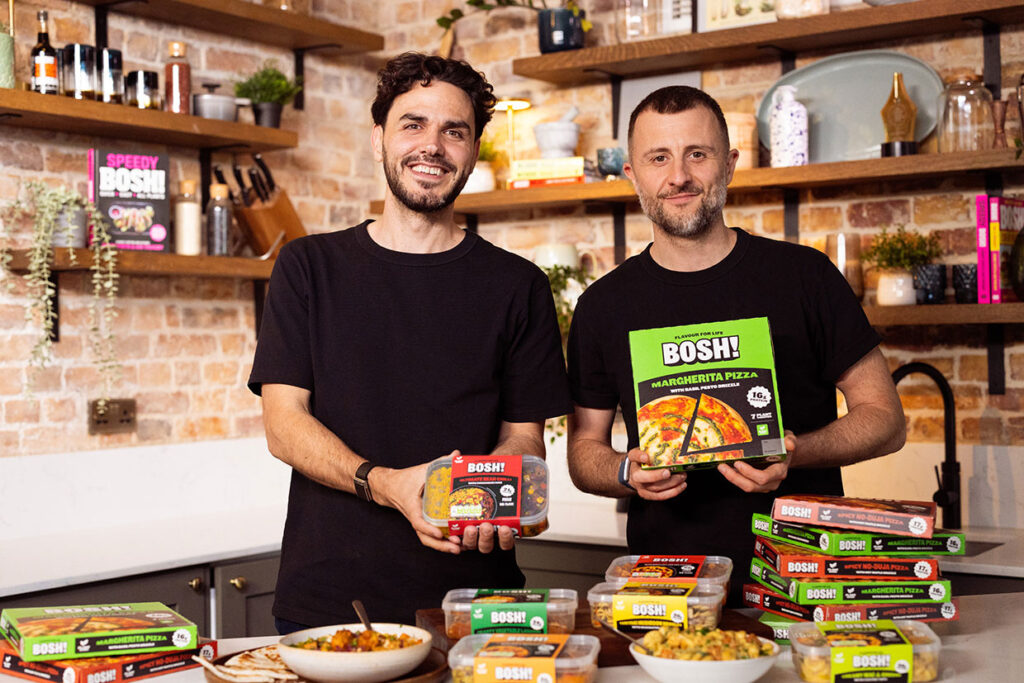
In a testament to their growing market presence, UK plant-based startups Tiba Tempeh, One Planet Pizza, and Bosh! have all been recognized by NielsenIQ’s Million Club. This prestigious accolade celebrates brands that have achieved £1 million in retail sales, marking a significant commercial achievement for these emerging companies. The inclusion of these three distinct brands highlights the diverse and expanding nature of the UK’s plant-based food sector.

Tiba Tempeh, specializing in fermented soybean products, has carved out a niche by offering a protein-rich and versatile ingredient. One Planet Pizza has established itself as a leader in the plant-based frozen pizza market, providing convenient and delicious options for consumers. Bosh!, known for its innovative and accessible plant-based recipes and products, has consistently demonstrated strong consumer appeal.
Achieving £1 million in retail sales is a critical benchmark for any startup, indicating not only product quality and consumer demand but also effective distribution and marketing strategies. For plant-based brands, this milestone signifies a move from niche markets to mainstream acceptance. The recognition by NielsenIQ, a leading global data analytics company, lends significant credibility to these achievements and underscores the growing economic power of the plant-based food industry in the UK. This success is likely to attract further investment and inspire other entrepreneurs to enter the sector.
Heriot-Watt University Develops Healthier Vegan Cheese
Scientists at Scotland’s Heriot-Watt University have secured funding from UK Research and Innovation to develop healthier vegan cheese alternatives. Their research focuses on creating cheese without saturated tropical fats, such as coconut or palm oil, which are commonly used in current vegan cheese formulations. The innovative approach utilizes oleogelation, a process that transforms liquid vegetable oils into solid fats that mimic the texture and meltability of traditional cheese.
The reliance on saturated tropical fats in many vegan cheeses has been a point of contention for health-conscious consumers and environmental advocates alike. Palm oil, in particular, is associated with significant deforestation and habitat destruction. By developing a method to create vegan cheese using healthier liquid vegetable oils, Heriot-Watt University’s research addresses both nutritional and sustainability concerns.
Oleogelation is a promising technology that allows for the manipulation of oil structures to create solid fats with desired sensory properties. This research has the potential to significantly improve the quality and health profile of vegan cheese, making it a more appealing option for a wider range of consumers. The funding from UK Research and Innovation underscores the importance and potential impact of this work, which could lead to a new generation of plant-based dairy alternatives that are both delicious and responsible. The implications extend beyond just taste; by reducing reliance on these specific fats, the research could also impact the cost and availability of vegan cheese.
Research Explores Enhancements in Cultivated Meat
A new scientific study is delving into the potential of co-culture systems and the integration of organ functionalities to elevate the quality of cultivated meat products. The research aims to bring these lab-grown alternatives closer to parity with conventional animal proteins in terms of texture, taste, and nutritional value. This investigation is critical for overcoming some of the remaining hurdles in the widespread adoption of cultivated meat.
Cultivated meat, produced by growing animal cells in a controlled environment, offers a promising solution to reduce the environmental impact of traditional livestock farming. However, replicating the complex structure and cellular composition of whole muscle tissue remains a significant challenge. Co-culture systems, which involve growing different cell types together, and the incorporation of organ-like structures could help to create more sophisticated and realistic meat products.
The implications of this research are far-reaching. If successful, it could lead to the development of cultivated meat that is indistinguishable from conventional meat, thereby accelerating consumer acceptance and market penetration. This would represent a major step towards a more sustainable and ethical global food system. The study’s focus on integrating organ functionalities suggests a move towards creating more complex and biomimetic meat structures, potentially enhancing both sensory qualities and nutritional profiles.
Brazilian Researchers Develop Meat-Flavored Plant-Based Flours
Researchers at the Faculty of Food Engineering of Unicamp in Brazil, in collaboration with the National Institute of Amazonian Research and the Good Food Institute, have developed an innovative fungi fermentation process. This process utilizes agricultural waste to produce plant-based flours that naturally possess a meat-like aroma. This breakthrough offers a novel approach to enhancing the palatability of plant-based products, a key factor in consumer adoption.
The challenge of replicating the savory aroma and flavor of meat in plant-based foods has been a significant area of research. Traditional methods often rely on artificial flavorings or complex ingredient blends. By employing fungi fermentation on agricultural waste, the Unicamp team has discovered a way to imbue plant-based flours with a natural meat aroma. This not only enhances the sensory experience of plant-based dishes but also provides a sustainable use for agricultural by-products, further contributing to a circular economy.
The use of agricultural waste as a feedstock aligns with the principles of sustainability and waste reduction. Fungi are known for their ability to break down complex organic materials and produce a variety of flavor compounds. This research demonstrates the potential of harnessing these natural processes to create value-added ingredients for the food industry. The resulting meat-flavored flours could be used in a wide range of plant-based products, from meat analogues to sauces and seasonings, offering a more authentic and appealing taste experience for consumers.
Bramble Wins Global Pet Expo Award for Vegan Dog Food
In a significant recognition for the burgeoning vegan pet food market, US celebrity-backed startup Bramble has won first prize in the dog food and treats category at the Global Pet Expo’s Best in Show awards. Bramble, known for its vet-formulated, plant-based fresh dog food, has been championed by several high-profile individuals, including Formula One driver Lewis Hamilton. This award highlights the growing acceptance and demand for sustainable and ethical pet nutrition.
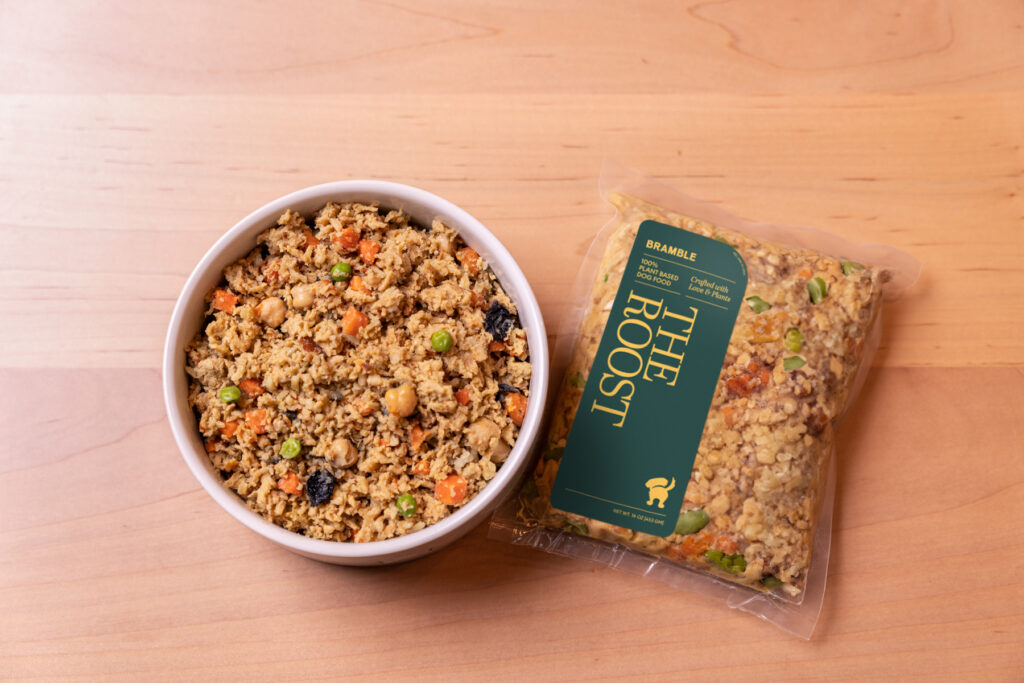
The pet food industry is increasingly facing scrutiny regarding its environmental impact and the sourcing of ingredients. Bramble’s success underscores a growing consumer trend to extend their own ethical and health-conscious choices to their pets. The company’s commitment to using fresh, plant-based ingredients, combined with veterinary expertise, appears to resonate strongly with pet owners seeking healthier and more sustainable options.
Winning Best in Show at a major industry event like the Global Pet Expo is a significant achievement. It signals to retailers, distributors, and consumers that Bramble is a leader in its category and offers a product of exceptional quality and innovation. This award is likely to boost Bramble’s visibility, drive sales, and encourage further investment and innovation within the vegan pet food sector. The recognition validates the idea that plant-based diets can be nutritionally complete and highly palatable for dogs, challenging long-held assumptions about canine nutrition.