
The medical aesthetics industry has undergone a radical transformation over the last decade, transitioning from a niche sector of elective cosmetic enhancements into a multi-billion-pound global powerhouse defined by clinical rigor, technological innovation, and an increasing demand for standardized regulation. At the heart of this evolution is the critical need for reliable information dissemination, a role primarily filled by dedicated professional media outlets such as the Aesthetics Journal and international event organizers like Easyfairs. As the sector navigates a complex landscape of shifting consumer demographics and tightening governmental oversight, the infrastructure supporting professional education—ranging from peer-reviewed journals and webinars to large-scale clinical conferences—has become the cornerstone of practitioner safety and business success.
The Intersection of Media and Medical Excellence
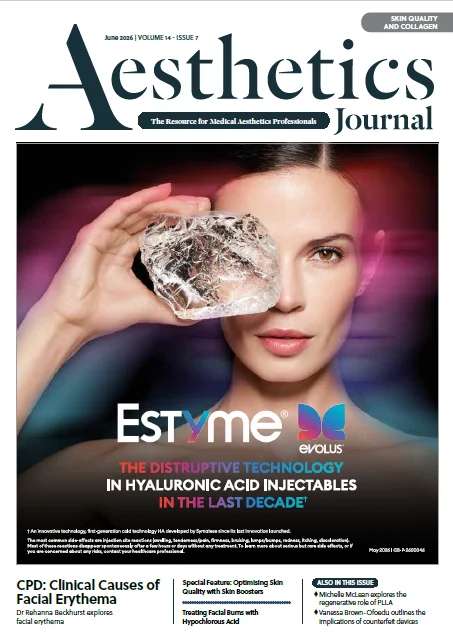
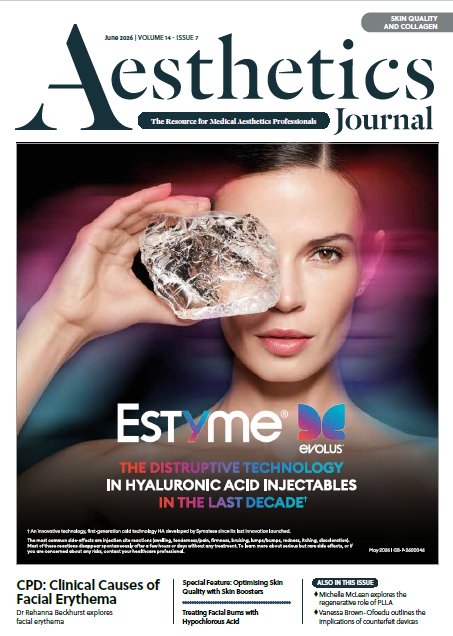
The Aesthetics Journal serves as a primary conduit for information within the United Kingdom’s aesthetic community, providing a centralized platform for clinical news, research reports, and expert interviews. In an era where digital misinformation can proliferate rapidly, the presence of a structured media entity offers a necessary filter for practitioners seeking evidence-based guidance. The journal’s multi-media approach, which encompasses webinars and digital reports, reflects a broader shift in how medical professionals consume continuing professional development (CPD) content.
By integrating social media engagement through platforms like Instagram, LinkedIn, and Facebook, professional journals are now able to bridge the gap between formal clinical education and the real-time needs of a modern aesthetic practice. This ecosystem allows for the rapid dissemination of safety alerts, product launches, and regulatory updates that are vital for maintaining high standards of patient care. The partnership with Easyfairs, a global leader in event management and the organizer behind major industry events such as Aesthetics Conference & Exhibition (ACE) and Clinical Cosmetic & Regenerative (CCR) Expo, further solidifies the link between theoretical knowledge and practical, hands-on clinical training.
Market Dynamics and Supporting Data
The growth of the aesthetics sector is supported by robust economic data. According to global market analysis reports, the medical aesthetics market was valued at approximately $15.4 billion in 2023 and is projected to expand at a compound annual growth rate (CAGR) of 11% through 2030. This growth is driven by several factors, including the increasing social acceptance of non-surgical procedures, advancements in energy-based devices (EBDs), and a significant rise in the male consumer demographic.
In the United Kingdom specifically, the non-surgical market—comprising botulinum toxin injections, dermal fillers, and chemical peels—accounts for the vast majority of aesthetic interventions. Data from the British Association of Aesthetic Plastic Surgeons (BAAPS) and other industry bodies suggest that while surgical procedures remain steady, the demand for "tweakments" has surged. This volume necessitates a higher volume of trained practitioners, which in turn places a premium on the educational resources provided by professional journals and industry events.
A Chronology of Industry Standardization
The path toward the current state of professionalized aesthetics has been marked by several key milestones. Understanding this timeline is essential for contextualizing the current role of industry media.
- The Early 2000s: The "Wild West" era of aesthetics, characterized by a lack of specific training requirements and minimal oversight regarding who could perform injectable treatments.
- 2013 (The Keogh Report): Following the PIP breast implant scandal, Sir Bruce Keogh’s review of the regulation of cosmetic interventions highlighted the "vulnerability" of the non-surgical sector. This served as a catalyst for professional bodies to demand better education and media representation.
- 2016-2018 (The Rise of CPD): The introduction of more stringent Continuing Professional Development (CPD) requirements by the General Medical Council (GMC) and the Nursing and Midwifery Council (NMC) led to a surge in demand for peer-reviewed literature and accredited webinars.
- 2021 (The Botulinum Toxin and Cosmetic Fillers (Children) Act): This legislative milestone in the UK prohibited the administration of fillers or toxins to under-18s for cosmetic purposes, emphasizing the role of media in educating the public and practitioners on legal boundaries.
- 2023-Present (The Licensing Consultation): The UK government’s move toward a national licensing scheme for non-surgical cosmetic procedures represents the most significant shift in industry history. Platforms like the Aesthetics Journal have been instrumental in hosting the discourse between practitioners and policymakers during this transition.
The Role of Easyfairs in Professional Networking
The involvement of Easyfairs in the aesthetics sector highlights the importance of physical infrastructure in professional growth. As an organization that manages over 200 events across 14 countries, Easyfairs provides the logistical framework for large-scale clinical exchange. Events such as CCR and ACE are not merely trade shows; they are educational hubs where the content curated by the Aesthetics Journal is brought to life through live demonstrations and keynote lectures.
Industry analysts suggest that the "omni-channel" approach—combining print, digital, and live events—is the most effective way to ensure long-term retention of clinical skills. The synergy between a monthly publication and an annual flagship event allows for a continuous learning loop. For instance, a new injection technique might be introduced in a journal article in January, discussed in a webinar in March, and demonstrated live on stage at a conference in October.
Regulatory Implications and Official Responses
The push for regulation in the UK has garnered diverse reactions from various stakeholders within the aesthetics community. Professional associations, such as the Joint Council for Cosmetic Practitioners (JCCP) and the British College of Aesthetic Medicine (BCAM), have long advocated for a central register and mandatory qualifications.
In statements regarding the proposed licensing schemes, industry leaders have emphasized that "education is the best form of regulation." This sentiment underscores why the dissemination of information through journals and reports is viewed not just as a business service, but as a public safety necessity. Government officials from the Department of Health and Social Care (DHSC) have noted that any future licensing framework will likely rely on the existing infrastructure of professional standards and accredited training providers to define what constitutes "safe practice."
The role of media in this context is to act as a watchdog and an educator. By reporting on complications, legal disputes, and the outcomes of clinical trials, the Aesthetics Journal and its peers provide the transparency required to build consumer trust in an industry that has historically struggled with its reputation.

Broader Impact and Future Implications
The long-term impact of a well-informed aesthetics community extends beyond the clinic walls. As the industry becomes more professionalized, it attracts higher levels of investment from pharmaceutical giants and medical device manufacturers. This investment fuels further research into longevity, regenerative medicine, and biocompatible materials, which often have applications in broader fields of medicine.
Furthermore, the digital transformation of the industry—facilitated by webinars and social media—is democratizing access to high-level education. Practitioners in rural areas or those in developing markets can now access the same quality of information as those in major metropolitan hubs. This globalization of standards is a direct result of the media initiatives spearheaded by organizations like the Aesthetics Journal and Easyfairs.
Looking ahead, several trends are expected to dominate the discourse within professional aesthetics media:
- Regenerative Aesthetics: A shift away from "filling" and toward "stimulating" the body’s own repair mechanisms, such as through polynucleotides and exosomes.
- Artificial Intelligence: The use of AI in skin analysis and treatment planning, requiring practitioners to learn new technological interfaces.
- Sustainability: A growing focus on the environmental impact of single-use medical supplies and the carbon footprint of global conferences.
- Mental Health Integration: Increased emphasis on screening for Body Dysmorphic Disorder (BDD) and the ethical responsibilities of practitioners to refuse treatment when necessary.
Conclusion
The medical aesthetics industry stands at a crossroads between commercial success and clinical accountability. The infrastructure provided by the Aesthetics Journal, supported by the global reach of Easyfairs, ensures that the community remains anchored in professional excellence. By providing a platform for news, webinars, and peer-reviewed reports, these entities do more than just share information; they shape the culture of the industry. As regulation becomes a reality in the coming years, the role of dedicated, factual, and professional media will only become more vital in safeguarding both the practitioner’s career and the patient’s wellbeing. The transition from a fragmented collection of clinics to a unified medical specialty is well underway, driven by the relentless pursuit of knowledge and the platforms that make that knowledge accessible.
