
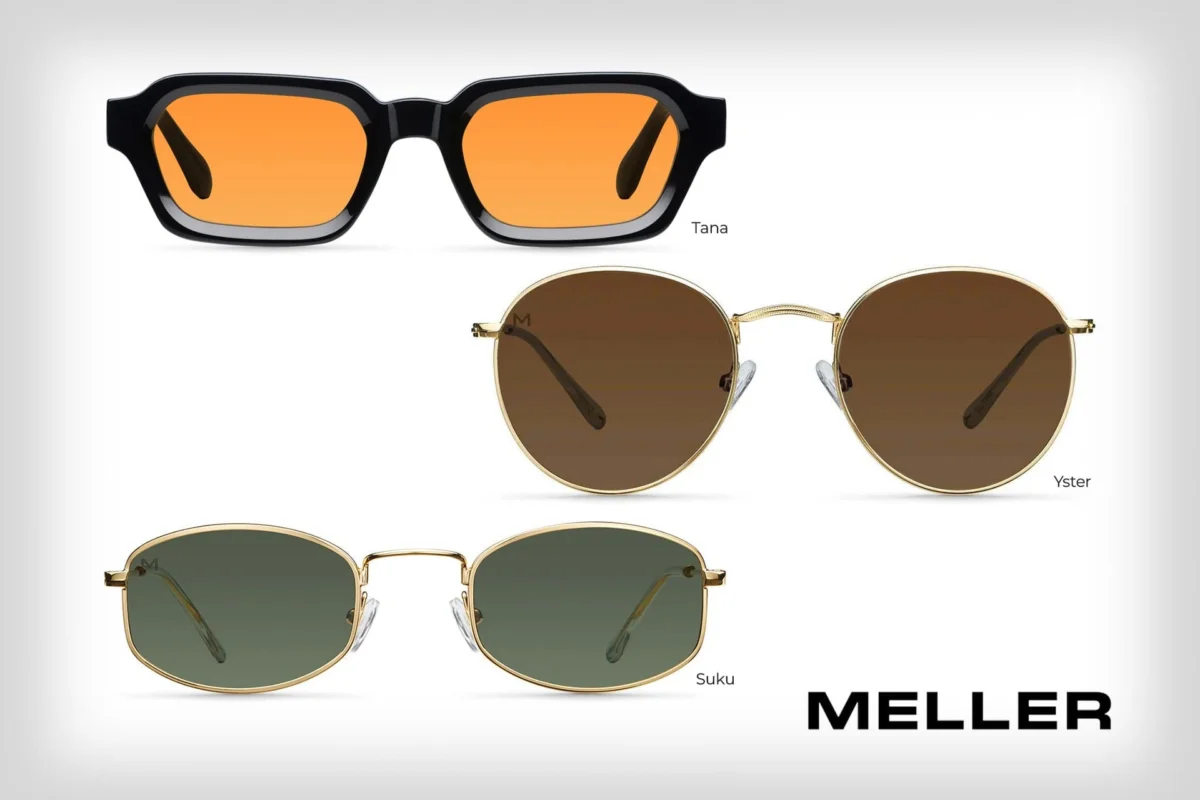
The world of fashion accessories is often dominated by statement pieces, but some items are so fundamental to our daily lives that they often go unacknowledged. Among these indispensable items are sunglasses, commonly referred to as "sunnies." Far more than mere fashion statements, sunglasses serve a critical role in protecting our eyes from the damaging effects of ultraviolet (UV) radiation and enhancing visual comfort in bright conditions. This article delves into the multifaceted importance of sunglasses, exploring their evolution, the science behind their protective qualities, and their enduring presence as a staple in the modern wardrobe.
The Evolution of Eyewear for Protection and Style
The concept of shielding the eyes from the sun is not a recent innovation. Ancient civilizations recognized the need for eye protection. For instance, Inuit people in the Arctic developed flat pieces of ivory or bone with narrow slits to reduce the glare from snow and ice, a practice that dates back centuries. These rudimentary devices, while lacking modern technology, demonstrated an understanding of the harmful effects of intense light.
The development of modern sunglasses as we know them began to accelerate in the early 20th century. Initially, they were largely seen as a functional item for drivers, pilots, and outdoor workers, offering relief from glare and improving visibility. The widespread adoption of sunglasses for fashion purposes gained significant momentum in the 1920s and 1930s. Hollywood played a pivotal role in this transformation, with movie stars frequently photographed wearing sunglasses, elevating them from practical eyewear to covetable fashion accessories. Companies like Foster Grant began mass-producing affordable sunglasses, making them accessible to a broader public.
The mid-20th century saw further advancements. The development of polarized lenses in the 1930s by Edwin H. Land, the founder of Polaroid, revolutionized glare reduction. Polarized lenses work by filtering out horizontally-oriented light waves that cause glare, significantly improving clarity and reducing eye strain. This innovation was particularly beneficial for activities like driving, fishing, and water sports.
The latter half of the 20th century and the early 21st century witnessed an explosion in the variety of sunglass designs, materials, and lens technologies. From classic aviator styles that originated with military pilots to sleek, minimalist frames and bold, avant-garde designs, sunglasses became a powerful tool for self-expression. Brands began to specialize, offering distinct aesthetics and catering to diverse consumer preferences.
The Science Behind the Sunnies: Protection and Vision Enhancement
The primary function of sunglasses extends beyond aesthetics; it is rooted in protecting our vision. The sun emits ultraviolet (UV) radiation, which is broadly categorized into UVA, UVB, and UVC rays. While the Earth’s atmosphere absorbs most UVC rays, UVA and UVB can penetrate and cause significant damage to the eyes.
- UVA Rays: These longer-wavelength rays penetrate deep into the eye, reaching the retina. Prolonged exposure to UVA radiation is linked to an increased risk of cataracts and macular degeneration, a leading cause of vision loss in older adults.
- UVB Rays: These shorter-wavelength rays are primarily absorbed by the cornea and lens. They can cause immediate damage, such as photokeratitis (sunburn of the cornea), which results in pain, redness, and temporary vision impairment. Chronic UVB exposure contributes to the development of cataracts and pterygium (a growth on the surface of the eye).
Therefore, it is crucial that sunglasses provide 100% protection against both UVA and UVB rays. This information is typically indicated on the sunglass label, often as "UV 400" or "100% UV protection." This means the lenses block light rays with wavelengths up to 400 nanometers, encompassing all harmful UV radiation.
Beyond UV protection, sunglasses offer significant benefits for visual comfort and safety:
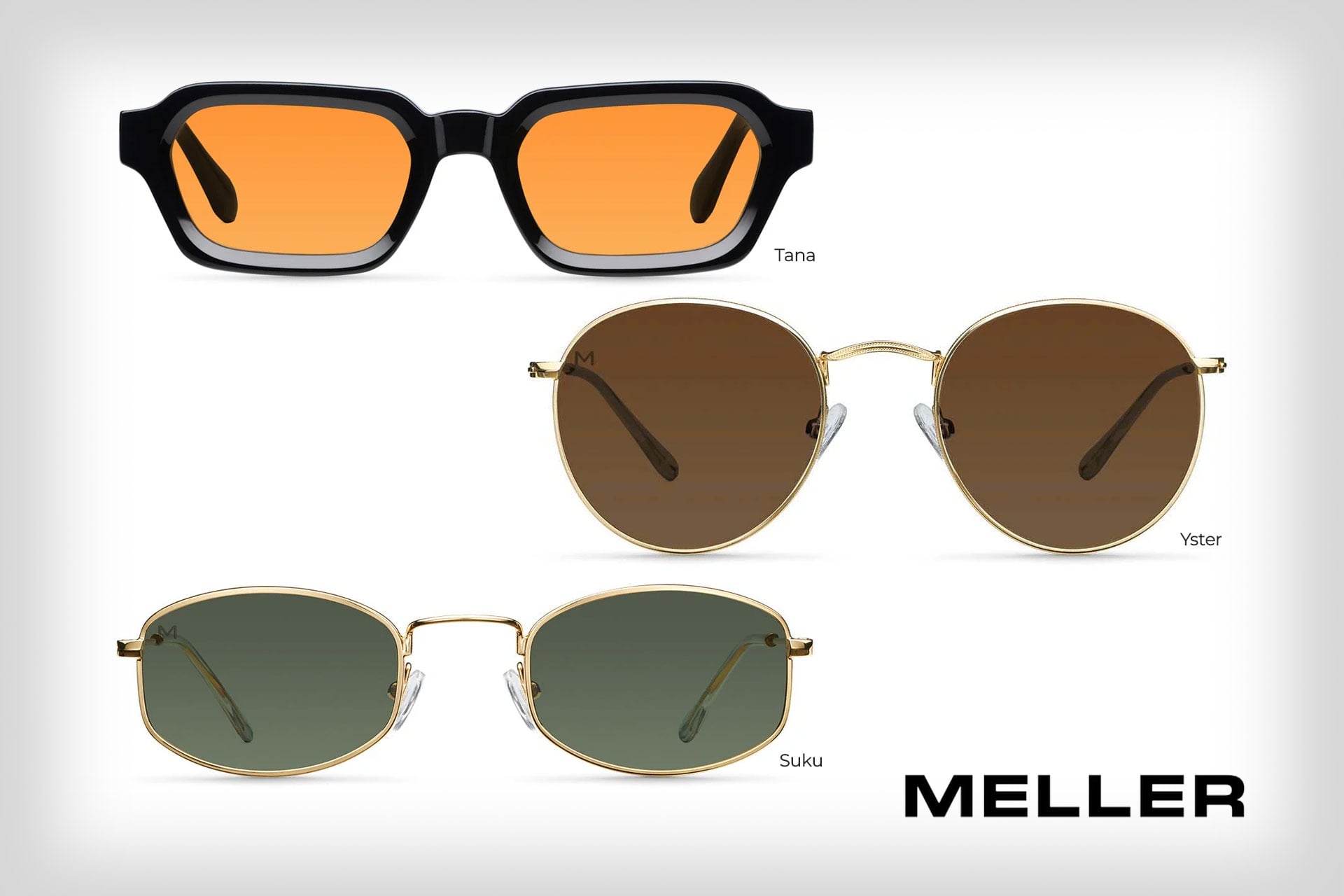
- Glare Reduction: Excessive glare from surfaces like water, snow, sand, and roads can cause discomfort, reduce visibility, and lead to eye fatigue. Polarized lenses, as mentioned, are highly effective at minimizing this type of glare.
- Contrast Enhancement: Certain lens tints can improve contrast, making it easier to distinguish objects and details, particularly in varying light conditions. For example, brown and amber lenses can enhance contrast in hazy or overcast conditions.
- Reduced Eye Strain: By reducing the amount of light entering the eyes, sunglasses can prevent squinting and the associated muscle strain and headaches. This is especially beneficial for individuals sensitive to bright light.
The Sunglass as a Fashion Staple: A Canvas for Personal Expression
While the protective qualities of sunglasses are paramount, their role in shaping personal style is undeniable. Sunglasses have evolved into a key accessory that can transform an outfit, convey personality, and even signal a particular aesthetic. The diversity of styles available ensures that there is a sunglass for virtually every taste and occasion.
- Classic Styles: Timeless designs like the Ray-Ban Wayfarer and Aviator continue to be immensely popular. The Wayfarer, with its trapezoidal shape and distinct browline, offers a cool, understated vibe, while the Aviator, with its teardrop lenses and thin metal frame, evokes a sense of adventure and sophistication. These styles transcend trends and remain enduring fashion choices.
- Modern and Contemporary Designs: Today’s market features a vast array of contemporary styles, from oversized frames that make a bold statement to sleek, minimalist designs for a more subtle effect. Cat-eye frames, round lenses, geometric shapes, and bold color palettes all offer distinct ways to express individual style.
- Material Innovations: The materials used in sunglasses have also evolved. Beyond traditional acetate and metal, innovative materials like titanium, stainless steel, and even sustainable options like recycled plastics and wood are now incorporated, offering varying degrees of durability, weight, and aesthetic appeal.
- Lens Variations: Lens colors and finishes contribute significantly to both the look and function of sunglasses. Gradient lenses, mirrored coatings, and various tint colors (grey, brown, green, yellow, etc.) not only affect how the world appears but also contribute to the overall visual impact of the sunglasses.
The choice of sunglasses can communicate a great deal about the wearer. A pair of classic aviators might suggest a confident, adventurous spirit, while oversized, dark lenses could convey an air of mystery or celebrity. Bold, colorful frames might indicate a playful and outgoing personality, whereas minimalist, sleek designs might speak to a sophisticated and understated elegance.
The Economic and Cultural Impact of Sunglasses
The sunglass industry is a significant global market. According to various market research reports, the global sunglasses market is valued in the tens of billions of dollars and is projected to continue growing. This growth is driven by increasing consumer awareness of eye health, rising disposable incomes, and the persistent appeal of sunglasses as a fashion accessory.
Major eyewear conglomerates, alongside numerous independent brands and designer labels, compete in this dynamic market. The industry encompasses manufacturing, design, retail, and marketing, creating a complex ecosystem. Innovations in lens technology, frame materials, and sustainable production practices are constant drivers of change and competition.
Culturally, sunglasses have become ingrained in popular imagery and media. They are frequently featured in films, music videos, and fashion editorials, reinforcing their status as an iconic accessory. Their association with celebrities and public figures further amplifies their desirability and aspirational value. From the sunglasses worn by Tom Cruise in "Top Gun" to the distinctive frames favored by musicians and athletes, these accessories often become synonymous with the individuals who wear them.
Considerations for the Modern Consumer
When selecting sunglasses, consumers should prioritize both protection and personal style. Key considerations include:
- UV Protection: This is non-negotiable. Ensure the sunglasses offer 100% UVA and UVB protection.
- Lens Quality: Consider the type of lenses based on intended use. Polarized lenses are excellent for reducing glare, while specific tints can enhance vision in different conditions.
- Fit and Comfort: Sunglasses should fit comfortably and securely without pinching or slipping. The frame should complement the wearer’s face shape.
- Durability: The materials and construction of the sunglasses should be durable enough for regular wear.
- Style Alignment: Choose sunglasses that align with personal style preferences and the intended occasions for wear.
Conclusion: The Enduring Appeal of the Everyday Sunnies
Sunglasses, or "sunnies," are a testament to how a functional item can seamlessly integrate into our daily lives and become a powerful element of personal expression. From their ancient origins as rudimentary eye protectors to their current status as a global fashion phenomenon, sunglasses have consistently adapted to meet both practical needs and evolving aesthetic sensibilities.
The scientific backing for their importance in safeguarding our vision from harmful UV radiation cannot be overstated. Yet, their enduring appeal also lies in their ability to enhance our appearance, boost our confidence, and offer a subtle yet impactful way to communicate our individuality. As technology continues to advance and fashion trends evolve, sunglasses will undoubtedly remain a fundamental and cherished accessory in the everyday carry of millions worldwide. They are not just eyewear; they are a blend of science, style, and personal identity, making them an indispensable component of modern life.
