

Hyaluronic acid (HA), along with its derivatives such as sodium hyaluronate, stands as a cornerstone ingredient in modern skincare and cosmetic formulations, revered for its unparalleled hydrating capabilities. This naturally occurring glycosaminoglycan is ubiquitous throughout the human body, playing critical roles in maintaining tissue structure, lubrication, and cellular function. The majority of HA resides within the extracellular matrix, the intricate scaffold that provides structural support and facilitates communication among cells in various tissues, including the skin. In the skin, HA is found in both the superficial epidermis and the deeper dermis, where its presence is indispensable for hydration, facilitating metabolic processes, supporting skin repair mechanisms, and offering a degree of protection against environmental aggressors like free radicals and ultraviolet (UV) radiation. Its remarkable capacity to bind and retain water molecules is central to its biological functions and its widespread application in beauty and medicine.
The Scientific Profile and Biological Significance of Hyaluronic Acid
Hyaluronic acid is a linear polysaccharide composed of repeating disaccharide units of D-glucuronic acid and N-acetyl-D-glucosamine. Its chemical structure is characterized by a highly polar nature, attributed to the abundance of hydroxyl and carboxyl groups, which enables it to form extensive hydrogen bonds with water molecules. This unique characteristic allows HA to hold onto water very efficiently, often cited as being able to bind water up to 1,000 times its own weight. This incredible hygroscopic property is what gives skin its turgor, firmness, and plumpness. Beyond the skin, HA is a major component of synovial fluid, where it acts as a lubricant and shock absorber in joints, and vitreous humor in the eyes, contributing to their structure and clarity. It is synthesized by specific enzymes called HA synthases (HAS1, HAS2, HAS3) and degraded by hyaluronidases (HYAL1, HYAL2, HYAL3), maintaining a dynamic equilibrium crucial for tissue homeostasis.
For many years, it was widely believed that the visible signs of skin aging, such as thinning and dryness, were directly linked to a decrease in the overall quantity of hyaluronic acid in the skin. However, more recent and nuanced research suggests a refinement of this understanding. While the total amount of HA in the skin may not significantly decline with chronological aging, its distribution and molecular weight profile undergo significant alterations. Both intrinsic (natural aging) and extrinsic (environmentally-induced, e.g., UV exposure) aging processes can lead to a redistribution of HA within the dermal and epidermal layers, as well as changes in the balance of different HA molecular sizes, impacting its efficacy in maintaining hydration and structural integrity. This shift in understanding highlights the complexity of skin aging and the multifaceted roles of HA.
Evolution of Hyaluronic Acid in Skincare and Medicine: A Chronology
The journey of hyaluronic acid from a biological curiosity to a ubiquitous cosmetic ingredient and vital medical tool is a testament to scientific innovation. HA was first isolated in 1934 by Karl Meyer and John Palmer from bovine vitreous humor. Its initial applications were primarily in the medical field, leveraging its viscoelastic and biocompatible properties.
- 1950s-1970s: Early Medical Applications. Research focused on HA’s role in joint lubrication and wound healing. It gained traction in ophthalmology in the late 1970s and early 1980s, notably used in cataract surgery to protect delicate eye tissues.
- 1980s: Orthopedic Breakthroughs. HA began to be used in viscosupplementation injections for osteoarthritis, providing relief by restoring lubrication and shock absorption in affected joints. This marked a significant expansion of its therapeutic utility.
- 1990s: Entry into Aesthetic Medicine. The advent of cross-linked hyaluronic acid formulations revolutionized aesthetic dermatology. Injectable dermal fillers based on HA, such as Restylane and Juvéderm, emerged as non-surgical options to reduce wrinkles, restore volume, and contour facial features. This period truly brought HA into the public consciousness, albeit in a medical context.
- Early 2000s: Topical Skincare Revolution. Advances in biotechnology, particularly the development of biofermentation methods (producing HA from bacteria rather than animal sources), made mass production of pure, stable, and varied molecular weights of HA economically viable. This paved the way for its widespread incorporation into topical skincare products like serums, moisturizers, and masks. The ability to produce HA sustainably and at different molecular sizes allowed formulators to create products with targeted effects, from superficial hydration to deeper penetration.
- 2010s-Present: Market Dominance and Diversification. Hyaluronic acid solidified its status as a star ingredient in the beauty industry. The market for HA-based products experienced exponential growth, driven by consumer demand for effective anti-aging and hydrating solutions. Further research into different molecular weights and formulations continued, leading to "multi-molecular" HA products designed to provide comprehensive hydration across skin layers. It also expanded into hair care, body care, and even ingestible supplements, though the efficacy of the latter remains a subject of debate.
Hyaluronic Acid in Skincare: The Humectant Powerhouse
In the realm of skincare, hyaluronic acid is primarily celebrated for its incredible ability to function as a humectant. Humectants are ingredients that attract and draw moisture from the environment (or deeper layers of the skin) into the stratum corneum, the outermost layer of the skin. By doing so, they significantly increase the skin’s water content, leading to a plumper, smoother, and more supple appearance. One of the most immediate and visible effects of adequately hydrated skin is the reduction in the appearance of fine lines and wrinkles. Dehydrated skin tends to emphasize these textural irregularities, making the complexion look duller and more fatigued. By restoring optimal hydration, HA can make skin appear dramatically younger, refreshed, and less tired.
While glycerin is another popular and often more affordable humectant, it can sometimes impart a sticky or heavy feel on the skin, which many consumers find undesirable. Hyaluronic acid, on the other hand, is frequently formulated to deliver a lightweight, silky texture, making it a preferred choice for serums and moisturizers. Often, cosmetic chemists will combine hyaluronic acid with glycerin to leverage the benefits of both, creating formulations that offer robust hydration without compromising on sensory appeal.
The Nuance of Molecular Weights: Tailoring HA’s Efficacy
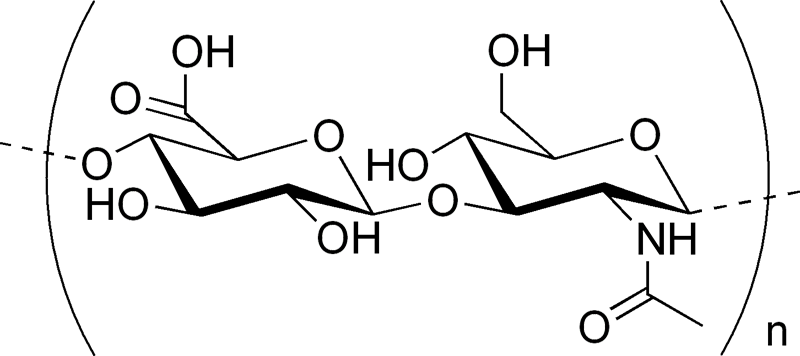
The hyaluronic acid used in skincare products is not a monolithic ingredient; it comes in various molecular sizes, each with distinct properties and penetration capabilities. This differentiation is critical for understanding its diverse effects on the skin.
- High Molecular Weight Hyaluronic Acid (HMW-HA): This refers to HA with a larger molecular size, typically ranging from 1,000 to 1,800 kDa (kilodaltons) or more. Due to its large size, HMW-HA forms a non-occlusive, invisible film on the surface of the skin. This film acts like a micro-reservoir, attracting moisture from the air and preventing transepidermal water loss (TEWL). Its primary benefit is providing immediate surface hydration, enhancing skin smoothness, and temporarily plumping up the outermost layers of the epidermis, giving a visibly softer and more supple feel. It also helps to strengthen the skin’s natural barrier function.
- Low Molecular Weight Hyaluronic Acid (LMW-HA) / Hydrolyzed Hyaluronic Acid / Sodium Hyaluronate: These terms generally indicate HA that has been broken down into smaller fragments, typically ranging from 10 to 500 kDa. The smaller molecular size allows LMW-HA to penetrate more effectively into the deeper layers of the epidermis. This deeper penetration provides hydration from within, contributing to longer-lasting moisture retention and potentially influencing cellular processes beyond the surface. Sodium hyaluronate, a salt form of HA, is particularly common in formulations as it is more stable and has a slightly smaller molecular weight than pure HA, further enhancing its ability to permeate the skin.
- Very Low Molecular Weight (VLMW-HA) / Oligomeric Hyaluronic Acid: These are the smallest fragments, often below 10 kDa. While these can penetrate the deepest into the epidermis, their effects are subject to more debate. Some studies suggest that VLMW-HA can act as an inflammatory signal, potentially leading to pro-inflammatory responses in certain contexts. However, it’s crucial to remember that inflammation isn’t always detrimental; controlled inflammatory signals are vital for processes like wound healing and immune response. Research has indicated that low molecular weight HA can improve the skin’s intrinsic ability to repair itself, bolster its defense against microbial attacks, and even assist in managing conditions like seborrheic dermatitis by modulating immune responses. The precise conditions under which VLMW-HA is beneficial versus potentially irritating are still areas of active research, highlighting the need for careful formulation and further study on its effects on normal, healthy skin.
It is important to manage consumer expectations regarding topical HA. Despite its ability to penetrate deeper into the epidermis, even low molecular weight hyaluronic acid cannot reach the dermis to replenish the body’s natural stores directly. Its primary and most well-established benefit remains its outstanding hydrating capacity. This hydration, in turn, supports optimal skin function, improves barrier integrity, and enhances overall skin health. While there’s evidence of some anti-inflammatory and antioxidant activity, the vast majority of its demonstrable benefits in topical applications are linked to its humectant properties.
Sources of Hyaluronic Acid: Ethical and Production Considerations
The sourcing of hyaluronic acid has evolved significantly over time, driven by ethical considerations, production efficiency, and purity requirements. Historically, HA was extracted from animal tissues.
- Rooster Combs: For decades, rooster combs were a primary commercial source of HA. These tissues contain a remarkably high concentration of hyaluronic acid, approximately 15 times more than human skin, making them an efficient, albeit animal-derived, source. This method involves extracting and purifying HA from the combs.
- Biofermentation: Today, the vast majority of hyaluronic acid used in cosmetic and medical products is produced through biofermentation. This process involves using specific strains of bacteria (e.g., Streptococcus equi) in a controlled fermentation environment to synthesize HA. Biofermentation offers several advantages: it is a more sustainable and ethical production method, avoids potential contamination from animal-derived pathogens, and allows for precise control over the molecular weight of the HA produced. For vegetarian and vegan consumers, identifying products that explicitly state "biofermented" or "non-animal derived" HA is crucial.
Beyond Topical Skincare: Diverse Applications of Hyaluronic Acid
Hyaluronic acid’s versatility extends far beyond its role in serums and moisturizers, permeating various other industries and medical fields.
- Makeup and Primers: Dehydrated hyaluronic acid spheres are commonly incorporated into makeup formulations, particularly skin-smoothing primers. These anhydrous (water-free) formulas contain microscopic, dry HA spheres. When applied to the skin, these spheres settle into fine lines and wrinkles. Upon contact with the skin’s natural moisture and ambient humidity, the HA spheres begin to absorb water and swell, effectively plumping up and smoothing out the skin’s surface. This creates a more even canvas for makeup application and a temporary blurring effect on imperfections.
- Injectable Dermal Fillers: One of the most impactful applications of HA is in aesthetic medicine as injectable dermal fillers. Brands like Juvéderm, Restylane, and Voluma utilize chemically modified, cross-linked hyaluronic acid gels. Cross-linking makes the HA more resistant to enzymatic degradation by hyaluronidase, allowing the fillers to maintain their volume-enhancing effects for several months to over a year. These fillers are expertly injected by medical professionals to plump up deep wrinkles (e.g., nasolabial folds), restore lost volume in areas like the cheeks and temples, enhance lips, and contour the jawline. While highly effective, these procedures carry risks and require skilled administration. Controversial fillers like Macrolane, also based on HA, have been used for larger volume enhancements such as breast and buttock augmentation, though their use for these purposes has faced scrutiny and varying regulatory approvals globally.
- Oral Supplements: Hyaluronic acid oral supplements are sold in health and nutrition stores, marketed for skin hydration, joint health, and anti-aging benefits. However, scientific evidence supporting the efficacy of oral HA supplements is limited and often inconclusive. A significant challenge lies in whether HA can survive the harsh acidic environment of the digestive tract and then be efficiently absorbed into the bloodstream and delivered to target tissues like the skin or joints in a functionally active form. Most studies have not demonstrated clear, consistent benefits from oral supplementation, leading to skepticism within the scientific and medical communities.
- Ophthalmology: As mentioned, HA has a long history of use in ophthalmology. It’s found in lubricating eye drops for dry eyes due to its excellent moisture-retaining properties and biocompatibility. In surgical procedures like cataract removal, HA solutions are used to protect the delicate corneal endothelium and maintain space within the eye.
- Wound Healing: HA plays a crucial role in natural wound healing processes. In medical settings, HA-based dressings and gels are used to create a moist environment conducive to healing, reduce inflammation, and promote tissue regeneration.
Addressing Misconceptions and Future Outlook
One of the most persistent "fun facts" about hyaluronic acid—that "1 gram of HA can hold onto 6 liters of water"—is a prime example of how scientific claims can become exaggerated and widely propagated without robust evidence. This specific claim, often found in popular science articles and even some peer-reviewed introductions, has been critically examined and found to lack direct scientific backing. The reality, while still impressive, is likely closer to 1 gram holding several milliliters of water, or at most a few liters, depending on conditions. This highlights the importance of critical evaluation, even of information presented in seemingly authoritative sources, especially when the claim is tangential to the core expertise of the authors or the main topic of the article.
Looking ahead, research into hyaluronic acid continues to evolve. Scientists are exploring novel HA derivatives, developing more sophisticated delivery systems to enhance penetration and stability, and investigating its potential in combination therapies for various skin conditions and medical applications. Understanding the precise interplay of different HA molecular weights and their signaling roles within the skin remains an active area of inquiry, promising more targeted and effective formulations in the future. The influence of environmental factors, such as ambient humidity, on the efficacy of topical humectants like HA also continues to be a subject of ongoing study to optimize product performance for diverse climates.
In conclusion, hyaluronic acid has cemented its position as an indispensable ingredient across the beauty and medical industries. Its remarkable ability to attract and retain moisture makes it a powerful humectant in skincare, offering immediate and visible benefits for skin hydration, plumpness, and the reduction of fine lines. Beyond cosmetics, its roles in injectable fillers, ophthalmology, and orthopedics underscore its profound biological significance and therapeutic versatility. As scientific understanding deepens and production technologies advance, hyaluronic acid is poised to remain a vital component in the ongoing quest for improved skin health and overall well-being.
