
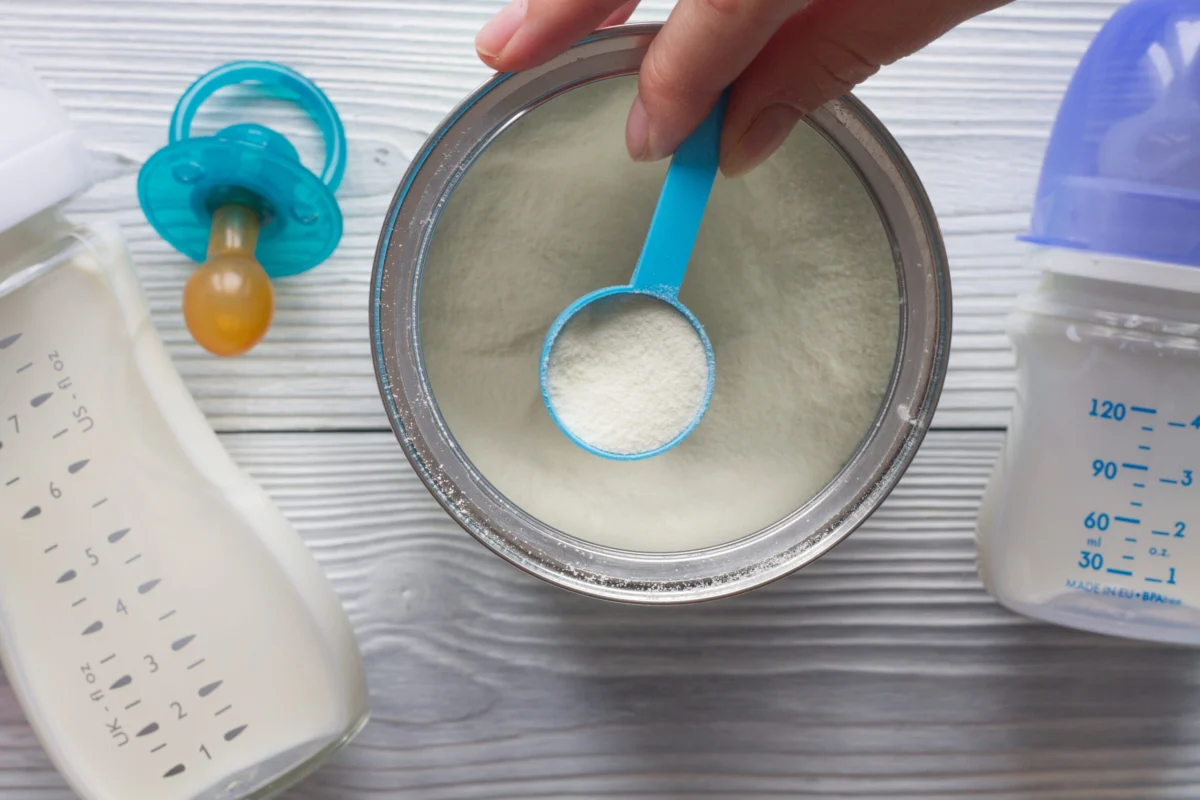
The United States has grappled with significant infant formula shortages over the past two years, a crisis exacerbated by widespread pandemic-related supply chain disruptions. This alarming situation underscores the critical dependence of many families on commercially produced infant formula, especially when human milk is not accessible or sufficient. While breastfeeding is universally encouraged by health organizations, it is not always a practical or possible option for all mothers. Factors such as the necessity for mothers to return to work early, limited access to robust lactation support systems, and infants with specific medical needs – including allergies, metabolic or gastrointestinal disorders, or disabilities that impede breastfeeding – necessitate reliable access to specialized or standard infant formulas. The recurrent nature and severity of these shortages have ignited urgent calls for policy reforms to safeguard the nutritional well-being of the nation’s most vulnerable population.
The Crisis Unfolds: A Cascade of Disruptions
The roots of the recent infant formula shortages can be traced to a confluence of events that began to significantly impact the U.S. market in late 2021 and intensified throughout 2022. The COVID-19 pandemic had already strained global supply chains, leading to increased shipping costs, labor shortages, and production delays across numerous industries. The infant formula sector, characterized by a highly concentrated market with a few dominant manufacturers, proved particularly vulnerable to these systemic shocks.
A pivotal moment in the crisis occurred in February 2022 when Abbott Nutrition, one of the largest U.S. infant formula producers, voluntarily recalled several of its products and shut down its Sturgis, Michigan manufacturing facility. This shutdown was prompted by concerns over potential bacterial contamination, specifically Cronobacter sakazakii, a pathogen that can cause severe illness and even death in infants. The U.S. Food and Drug Administration (FDA) launched an investigation into the facility, which, coupled with the recall, immediately removed a significant portion of the nation’s formula supply from shelves.
This single event, while addressing a critical safety concern, had an outsized impact due to the limited number of domestic manufacturers. The U.S. infant formula market is notably consolidated. Historically, a few companies, including Abbott Nutrition, Reckitt Benckiser (maker of Enfamil), and Nestlé (maker of Gerber), have controlled the vast majority of the market share. This lack of diversification meant that when one major producer faced significant operational issues, the ripple effect was immediate and profound.
Timeline of Critical Events and Responses
The unfolding crisis can be broadly categorized by key moments:
- Late 2021: Early signs of formula shortages begin to emerge, primarily attributed to ongoing pandemic-related supply chain issues, including ingredient sourcing and transportation bottlenecks.
- February 2022: Abbott Nutrition initiates a recall of certain powdered infant formulas produced at its Sturgis, Michigan facility due to potential Cronobacter sakazakii contamination. The facility is subsequently shut down pending FDA investigation. This action significantly constricts the national supply.
- March – April 2022: Widespread shortages become acute across the U.S. Retailers implement purchase limits, and desperate parents resort to desperate measures to find formula, including traveling long distances and seeking help online. Media reports highlight the growing panic and the plight of affected families.
- May 2022: The U.S. government begins to mobilize a more coordinated response. The Biden administration invokes the Defense Production Act to prioritize the production and distribution of infant formula. Operation Fly Formula is launched, a program designed to expedite the import of formula from overseas. The FDA works to streamline regulatory processes for foreign manufacturers seeking to import their products into the U.S.
- June 2022: The Sturgis, Michigan facility begins a phased restart of production after meeting certain FDA requirements. This marks a crucial step in replenishing the domestic supply. The first shipments of imported formula arrive in the U.S. under Operation Fly Formula.
- Late 2022 – Early 2023: While shortages ease considerably from their peak, the market remains somewhat fragile. Concerns about long-term supply chain resilience and the need for structural reforms persist. The FDA announces new initiatives to increase domestic manufacturing capacity and improve regulatory oversight.
Supporting Data and Market Dynamics
The U.S. infant formula market is a multi-billion dollar industry, with domestic production being a cornerstone of supply. Prior to the crisis, the U.S. relied heavily on domestic manufacturing, with only a small percentage of formula being imported. This reliance, however, was concentrated among a few key players.
- Market Concentration: Before the 2022 crisis, approximately 90% of the U.S. infant formula market was controlled by just three companies: Abbott Nutrition, Reckitt Benckiser, and Nestlé. Abbott alone accounted for a significant share, making its facility shutdown particularly impactful.
- Import Dependence: While the U.S. is a major producer, it historically imported a relatively small amount of infant formula. However, during the crisis, imports became a critical supplementary source. Operation Fly Formula facilitated the import of millions of pounds of formula from countries like the United Kingdom, Germany, and Australia, significantly boosting supply. For example, by mid-2022, Operation Fly Formula had facilitated the import of over 70 million 8-ounce bottle equivalents of infant formula.
- Specialty Formulas: A critical aspect of the shortage involved specialized formulas for infants with allergies (e.g., soy or amino acid-based formulas) or metabolic disorders. These formulas are often produced in smaller batches and by fewer manufacturers, making them even more susceptible to supply disruptions. The Sturgis facility, in particular, was a key producer of some of these specialized products.
Official Responses and Policy Interventions
The severity of the shortage prompted a multi-pronged response from federal and state governments, as well as regulatory bodies.
Government Actions
- Defense Production Act (DPA): President Biden invoked the DPA to prioritize and allocate materials and facilities necessary for the production of infant formula. This enabled the government to direct resources and ensure that manufacturers had the components they needed for increased production.
- Operation Fly Formula: This initiative, led by the Department of Health and Human Services (HHS), was established to identify and transport infant formula from overseas that meets U.S. safety standards. It involved coordination between multiple federal agencies and private companies to expedite the delivery of critical formula supplies.
- FDA Actions: The U.S. Food and Drug Administration played a central role in investigating the Abbott facility, facilitating the restart of production, and working with foreign manufacturers to gain emergency authorization to import their products. The FDA also announced plans to modernize its regulatory framework for infant formula to enhance oversight and ensure a more robust supply chain moving forward.
- Congressional Hearings and Legislation: Congress held numerous hearings to investigate the causes of the shortage and explore legislative solutions. Efforts were made to increase domestic production capacity, enhance regulatory oversight, and ensure greater market competition. The Access to Formula for Infants and Mothers Act of 2022, for instance, aimed to provide flexibility to WIC (Women, Infants, and Children) programs to allow for a wider range of formula options during emergencies.
Industry and Stakeholder Reactions
- Manufacturers: Infant formula manufacturers ramped up production to meet demand as much as possible, facing challenges with sourcing ingredients and managing their own supply chains. They also collaborated with government agencies on import efforts and facility restart plans.
- Retailers: Supermarket chains and pharmacies implemented purchase limits to prevent hoarding and ensure that formula was distributed more equitably. They also worked with manufacturers and distributors to restock shelves as quickly as possible.
- Healthcare Providers and Advocacy Groups: Pediatricians, nurses, and public health organizations played a crucial role in advising parents on safe formula feeding practices, providing information on available resources, and advocating for policy changes to prevent future shortages. Organizations like the American Academy of Pediatrics issued guidance on managing the crisis and ensuring infant nutrition.
Broader Impact and Implications
The infant formula shortage had profound and far-reaching implications, extending beyond the immediate crisis of an empty shelf.
- Public Health Emergency: The shortage highlighted the critical nature of infant formula as a public health necessity. For many infants, it is not a luxury but a lifeline, essential for their growth and development. The inability to access adequate nutrition can have serious health consequences, including malnutrition and developmental delays.
- Economic Strain on Families: The scarcity of formula forced many families to incur significant expenses, including travel costs to find formula, or to pay inflated prices on the black market. This placed an undue financial burden on already struggling households.
- Erosion of Trust: The crisis led to a decline in parental trust in the stability and reliability of the infant formula supply chain. Many parents experienced immense stress and anxiety, fearing for their baby’s well-being.
- Lessons for Supply Chain Resilience: The event served as a stark reminder of the fragility of highly concentrated supply chains. It underscored the need for greater diversification in manufacturing, robust domestic production capabilities, and effective contingency planning for critical goods.
- Policy Reform Imperative: The widespread disruption has spurred a renewed focus on policy solutions. The article from the American Journal of Clinical Nutrition outlines key action steps needed to prevent future crises. These include:
- Diversifying the Market: Encouraging new entrants into the infant formula market and supporting domestic manufacturing capacity can reduce reliance on a few key players.
- Strengthening Regulatory Oversight: While ensuring safety is paramount, regulatory processes need to be agile enough to respond effectively to emergencies without compromising standards.
- Improving Transparency and Data Collection: Better data on production, inventory, and distribution can help identify potential shortages earlier and enable more targeted interventions.
- Enhancing International Cooperation: Establishing protocols for mutual recognition of safety standards and facilitating emergency imports can provide critical support during domestic crises.
- Supporting Breastfeeding and Lactation Support: While acknowledging that not all mothers can or choose to breastfeed, continued efforts to support and promote breastfeeding, coupled with robust lactation support services, can reduce overall reliance on formula for some families.
Future Directions: Building a Resilient System
The recurring nature of supply chain vulnerabilities in critical sectors demands proactive and systemic solutions. The infant formula crisis has provided a clear impetus for such changes. The recommendations emerging from analyses like the one in the American Journal of Clinical Nutrition are not merely reactive measures but strategic investments in the long-term health and security of the nation’s infants.
Moving forward, sustained attention on policy implementation, regulatory reform, and industry collaboration will be essential. This includes fostering an environment where domestic manufacturers can thrive, ensuring that specialty formulas remain accessible, and building a resilient supply chain that can withstand future disruptions, be they pandemics, natural disasters, or other unforeseen events. The well-being of infants depends on the nation’s ability to learn from this crisis and implement lasting solutions.
