
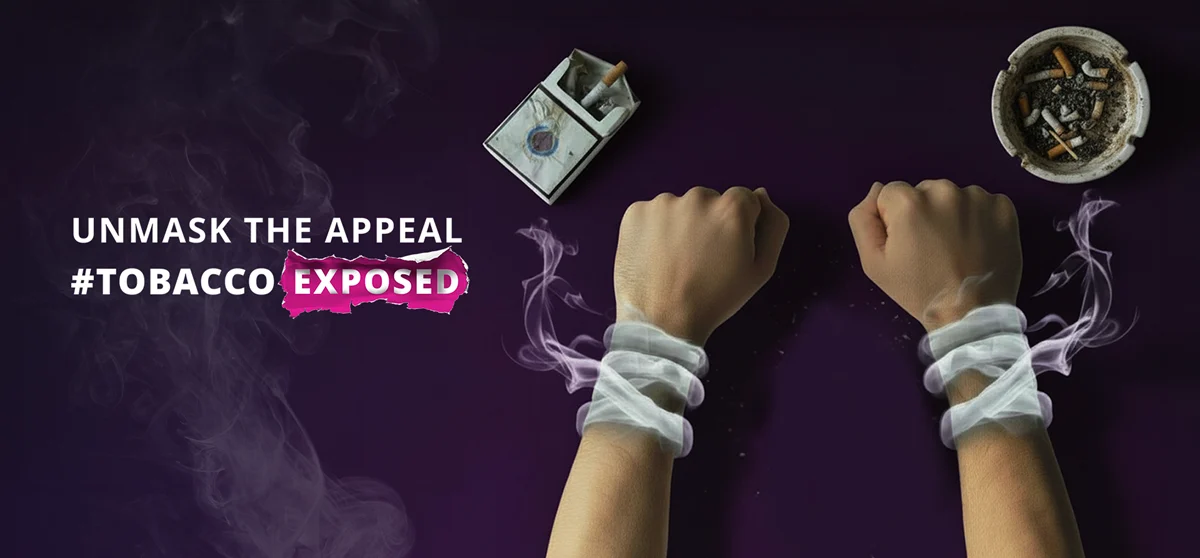
The World Health Organization (WHO) has issued an urgent call to governments across the globe to implement stricter regulations and protective measures to shield a new generation from the addictive grip of tobacco and nicotine products. According to the latest data released by the health agency, at least 40 million children between the ages of 13 and 15 are currently using tobacco products worldwide. This figure, while staggering, does not fully account for the rapid proliferation of electronic cigarettes (e-cigarettes) and nicotine pouches, which have seen a meteoric rise in popularity among adolescents and young adults. As the international community prepares to observe World No Tobacco Day on May 31, the WHO warns that the tobacco industry is successfully pivoting its business model to target a younger demographic, threatening decades of progress in global public health.
The core of the WHO’s warning centers on the deliberate engineering of modern nicotine delivery systems. Public health experts note that tobacco and nicotine companies are utilizing sophisticated design techniques to make their products more appealing, easier to conceal, and significantly harder to quit. By introducing a vast array of candy-like flavors—ranging from strawberry and bubblegum to exotic fruit blends—and utilizing sleek, high-tech designs that resemble USB drives or cosmetic items, the industry has effectively lowered the barrier to entry for non-smokers, particularly youth.
Dr. Etienne Krug, Director of the Department of Health Determinants, Promotion, and Prevention at the WHO, highlighted the cynical nature of this industry shift. He noted that even as traditional tobacco continues to claim millions of lives annually, major corporations are reinventing themselves. They continue to profit from the sale of deadly combustible cigarettes while simultaneously and aggressively pushing flavored e-cigarettes and nicotine pouches. This multi-pronged approach is designed to hook the next generation of users, ensuring long-term profitability at the expense of global health.
The Science of Addiction and Adolescent Vulnerability
Nicotine is a highly addictive substance that poses significant risks to the developing human brain. Medical research consistently shows that the brain continues to develop until the mid-20s, and exposure to nicotine during this critical window can lead to lasting cognitive and behavioral impairments. Nicotine changes the way synapses are formed, potentially harming the parts of the brain that control attention, learning, mood, and impulse control.
In high concentrations, such as those found in many modern e-cigarettes and nicotine pouches, the substance can cause acute nicotine toxicity. For children and adolescents, the rapid onset of addiction is a primary concern. Unlike older generations who may have taken years to develop a heavy smoking habit, today’s youth are being exposed to high-dose nicotine products that can lead to dependence within a matter of weeks or even days. Furthermore, the transition from "vaping" or using pouches to smoking traditional cigarettes is a well-documented phenomenon, often referred to as the "gateway effect," which complicates efforts to eradicate combustible tobacco use.
The Regulatory Void: Nicotine Pouches and Social Media
One of the most pressing challenges identified by the WHO is the lack of oversight regarding nicotine pouches. These products, which are placed between the lip and gum, are among the fastest-growing segments of the nicotine market. Because they do not contain tobacco leaf, they often fall into a regulatory "grey zone" in many jurisdictions, escaping the stringent taxes and marketing bans applied to traditional cigarettes.
A recent WHO report revealed that approximately 160 countries currently have no specific regulations in place for nicotine pouches. This legislative vacuum has allowed tobacco companies to exploit social media platforms, using influencers and lifestyle branding to reach millions of young followers. These campaigns often portray nicotine use as a sophisticated, modern, and "risk-free" lifestyle choice. The use of bright, colorful packaging and flavors that mimic popular snacks and beverages further reinforces the perception that these products are harmless.
The WHO contends that the primary goal of these tactics is to create a new wave of addiction. By the time many governments implement regulations, a significant portion of the youth population may already be dependent on these products. The agency is urging a proactive approach, recommending that nicotine pouches be regulated with the same intensity as other tobacco products to prevent a public health catastrophe.
A Chronology of Global Tobacco Control and Modern Challenges
The fight against tobacco has seen several major milestones over the last four decades. World No Tobacco Day was first established by the WHO in 1987 to draw global attention to the tobacco epidemic and the preventable deaths it causes. In 2003, the adoption of the WHO Framework Convention on Tobacco Control (FCTC) marked a turning point, providing a legal framework for countries to implement evidence-based tobacco control measures, including price and tax increases, large graphic health warnings, and bans on advertising.
However, the timeline of tobacco control is now entering a more complex phase:
- 1980s-1990s: Focus on combustible cigarettes and second-hand smoke.
- 2003-2010: Global adoption of the FCTC and the implementation of "MPOWER" measures (Monitor, Protect, Offer help, Warn, Enforce, Raise taxes).
- 2010-2020: The emergence of e-cigarettes as "harm reduction" tools, which quickly evolved into a youth-oriented market.
- 2020-Present: The surge of nicotine pouches and synthetic nicotine, alongside the intensive use of digital marketing and social media influencers to bypass traditional advertising bans.
This evolution demonstrates the industry’s ability to adapt to regulatory pressure. As smoking rates declined in many high-income countries, the industry sought new products and new markets to maintain its consumer base, leading to the current crisis in youth nicotine use.
Local Action and the Rio de Janeiro Model
While global policy is essential, the WHO emphasizes that local and national governments are the front line of defense. The city of Rio de Janeiro, Brazil, has recently been lauded as a global leader in this regard. Recognizing the threat posed by e-cigarettes, the city government intensified enforcement of existing bans on the sale and advertising of these products.
Rio de Janeiro’s strategy involved a multi-faceted approach:
- Coordinated Inspections: Hundreds of inspections were carried out across retail locations to ensure compliance with smoke- and vape-free laws.
- Legislative Updates: The city strengthened its legislation to explicitly include all tobacco and nicotine products, closing loopholes that previously allowed e-cigarettes to be used in indoor public spaces.
- Public Awareness: Large-scale campaigns were launched to educate parents, teachers, and young people about the hidden dangers of "vaping" and nicotine pouches.
This proactive stance served as the basis for Rio de Janeiro being recognized during the 2026 World No Tobacco Day Awards. On May 19, the WHO honored various leaders and organizations that have taken bold steps to counter industry tactics. These awardees represent a diverse range of strategies, from total bans on flavored products to innovative digital health campaigns designed to help youth quit.
Economic and Health Implications of Continued Use
The stakes of the nicotine epidemic extend far beyond individual health. Tobacco use remains one of the leading causes of preventable death globally, killing more than 7 million people every year. Of these deaths, more than 6 million are the result of direct tobacco use, while around 1.2 million are the result of non-smokers being exposed to second-hand smoke.
The health burden includes:
- Cardiovascular Disease: Tobacco use is a major cause of heart attacks and strokes.
- Respiratory Illness: Chronic obstructive pulmonary disease (COPD) and asthma are exacerbated by nicotine and tobacco products.
- Cancer: Tobacco use is linked to more than 20 different types or subtypes of cancer, including lung, mouth, throat, and bladder cancer.
Beyond the human toll, the economic impact is staggering. The global cost of smoking is estimated to be over $1.4 trillion per year in healthcare expenditures and lost productivity. For developing nations, the burden is particularly heavy, as tobacco-related illnesses drain limited healthcare resources and push families into poverty.
Recommendations for a Tobacco-Free Future
To protect the "new generation" cited by the WHO, the organization recommends a comprehensive suite of policy interventions. Governments are urged to:
- Ban Flavored Products: Removing flavors is seen as the single most effective way to reduce the appeal of nicotine products to children.
- Enforce Comprehensive Advertising Bans: This includes traditional media as well as social media platforms and the use of influencers.
- Increase Taxation: Making these products less affordable is a proven method for reducing consumption among price-sensitive youth.
- Expand Smoke-Free Environments: Ensuring that all indoor public places and workplaces are 100% smoke- and vape-free protects non-users and denormalizes nicotine use.
- Support Cessation Programs: Providing accessible resources for those who wish to quit, including digital toolkits and counseling.
As May 31 approaches, the WHO is encouraging the world’s more than 1 billion tobacco and nicotine users to take the first step toward a healthier life. The organization has launched a "quitting toolkit" to assist individuals in breaking free from addiction. The message for 2026 is clear: the industry’s pursuit of profit must not come at the expense of the world’s children. Through rigorous regulation, international cooperation, and local enforcement, the WHO believes it is possible to stop the cycle of addiction and ensure a tobacco-free future for the next generation.
