

Clinical researchers and nutritional scientists are increasingly identifying the Mediterranean diet as a cornerstone intervention for Polycystic Ovary Syndrome (PCOS), a complex endocrine disorder affecting an estimated 8% to 13% of women of reproductive age worldwide. While pharmacological treatments such as Metformin and hormonal contraceptives remain standard clinical responses, a growing body of evidence suggests that the Mediterranean dietary pattern offers a multi-faceted approach to addressing the underlying metabolic and hormonal imbalances characteristic of the syndrome. Recent studies indicate that this way of eating—rich in monounsaturated fats, fiber, and antioxidants—can significantly mitigate chronic inflammation, improve insulin sensitivity, and enhance fertility outcomes for patients who often struggle with traditional weight-loss strategies.
Understanding the Pathophysiology of PCOS and the Nutritional Shift
Polycystic Ovary Syndrome is characterized by a triad of symptoms: hyperandrogenism (elevated male hormones), ovulatory dysfunction, and polycystic ovarian morphology. However, beneath these diagnostic criteria lies a deeper metabolic framework often defined by insulin resistance and chronic low-grade inflammation. Historically, dietary advice for PCOS focused narrowly on calorie restriction and low-carbohydrate intake. However, the evolution of nutritional science has shifted the focus toward the quality of macronutrients and the anti-inflammatory properties of food.
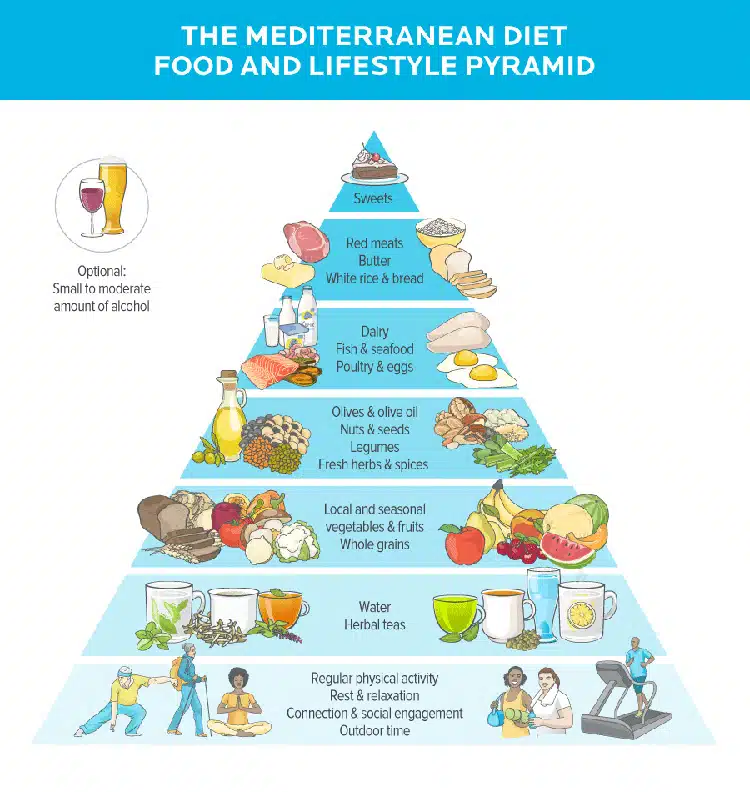
The Mediterranean diet, modeled after the traditional eating habits of populations bordering the Mediterranean Sea, emphasizes plant-based foods, including fruits, vegetables, legumes, whole grains, and nuts. It prioritizes olive oil as the primary fat source and incorporates moderate amounts of fish and poultry, while strictly limiting red meat and highly processed sugars. This shift from a restrictive "dieting" mentality to a sustainable "nutritional pattern" is proving more effective for long-term symptom management in PCOS patients.
Addressing the Driver of PCOS: Insulin Resistance and Metabolic Syndrome
Insulin resistance is a primary driver of PCOS, affecting approximately 50% to 70% of women with the condition, regardless of their Body Mass Index (BMI). When cells become resistant to insulin, the pancreas compensates by producing more of the hormone. Elevated insulin levels not only lead to weight gain and difficulty losing weight but also signal the ovaries to produce excess testosterone, worsening symptoms like acne and hirsutism.
Research published in Nutrients and Fertility and Sterility highlights the Mediterranean diet’s ability to improve glucose metabolism. By replacing refined carbohydrates—common in Western diets—with low-glycemic index (GI) whole grains and fiber-rich legumes, the diet prevents sharp spikes in blood sugar. This stabilization reduces the demand for insulin, thereby increasing insulin sensitivity. For women with PCOS, this metabolic improvement is comparable to the effects of insulin-sensitizing medications, offering a natural pathway to lower fasting insulin levels and reduce the risk of progressing to Type 2 Diabetes.
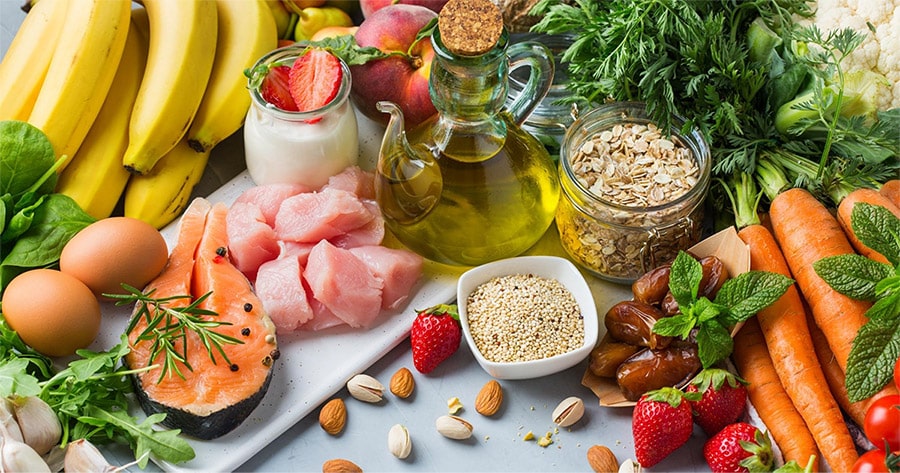
Furthermore, approximately one-third of women with PCOS meet the criteria for metabolic syndrome, a cluster of conditions that increase the risk of heart disease and stroke. The Mediterranean diet’s emphasis on heart-healthy fats and high fiber content directly counters these risks by improving lipid profiles and reducing blood pressure.
Chronic Inflammation and the Anti-Inflammatory Response
PCOS is now widely recognized as a state of chronic low-grade inflammation. This systemic inflammation is both a cause and a consequence of the syndrome’s metabolic disturbances, contributing to the development of insulin resistance and the overproduction of androgens. The Mediterranean diet is inherently anti-inflammatory, largely due to its high concentration of polyphenols and Omega-3 fatty acids.
Olive oil, the hallmark of this dietary pattern, contains oleocanthal, a phenolic compound with anti-inflammatory properties similar to ibuprofen. When combined with the antioxidants found in a high volume of leafy greens and colorful vegetables, the diet works to neutralize oxidative stress. Clinical data suggests that adherence to this regimen leads to a measurable decrease in inflammatory markers, such as C-reactive protein (CRP). By quieting the body’s inflammatory response, patients often report a reduction in systemic symptoms, including fatigue and joint pain, which are frequently reported by those with PCOS.
Enhancing Reproductive Health and Fertility Success
One of the most distressing aspects of PCOS is its impact on fertility, as it remains the leading cause of anovulatory infertility. However, nutritional interventions are showing remarkable promise in improving reproductive outcomes. A landmark study published in Human Reproduction examined the relationship between dietary patterns and In Vitro Fertilization (IVF) success. The findings were significant: women who strictly adhered to a Mediterranean-style diet had a 65% to 68% greater likelihood of achieving a successful pregnancy and live birth compared to those with low adherence.
The diet’s impact on fertility is attributed to several factors. First, by reducing insulin levels, the diet helps restore the delicate balance of the Hypothalamic-Pituitary-Ovarian (HPO) axis, which is necessary for regular ovulation. Second, the high intake of healthy fats, particularly Omega-3s found in fish and walnuts, is essential for egg quality and the health of the uterine lining. Interestingly, the benefits extend to male partners as well; research suggests that the Mediterranean diet can improve semen quality, making it a vital strategy for couples attempting to conceive.
Hormonal Regulation and the Reduction of Hyperandrogenism
Hyperandrogenism, or elevated levels of "male" hormones like testosterone, is responsible for many of the visible symptoms of PCOS, including cystic acne, thinning scalp hair (androgenic alopecia), and excess body hair (hirsutism). The Mediterranean diet’s role in lowering testosterone is two-fold.
Primarily, by improving insulin sensitivity, the diet reduces the insulin-stimulated production of androgens in the ovaries. Secondly, specific components of the diet, such as healthy oils and nuts, have been shown to increase Sex Hormone-Binding Globulin (SHBG). SHBG is a protein that binds to testosterone in the blood, making it inactive. When SHBG levels are low—which is common in PCOS due to high insulin—there is more "free" testosterone circulating in the body to cause symptoms. By increasing SHBG and lowering total testosterone, the Mediterranean diet provides a systemic approach to managing hormonal dermatological issues.
Gut Microbiome Diversity and Hepatic Health
Emerging research into the gut-brain-skin axis has revealed that women with PCOS often possess a less diverse gut microbiome than their healthy counterparts. This "dysbiosis" can exacerbate inflammation and insulin resistance. The Mediterranean diet, being exceptionally high in prebiotic fibers from legumes, fruits, and vegetables, acts as a fuel source for beneficial gut bacteria. Improving gut health through this diet can lead to better digestion, improved mood regulation, and a stronger immune system.
Simultaneously, the diet addresses Non-Alcoholic Fatty Liver Disease (NAFLD), a condition that women with PCOS are disproportionately prone to developing. The accumulation of fat in the liver is closely tied to insulin resistance. Clinical trials have demonstrated that following a Mediterranean diet for 12 months can significantly reduce liver fat and improve liver enzyme markers, even in the absence of significant weight loss. This underscores the diet’s value as a metabolic healer rather than just a weight-loss tool.
Comparative Analysis: Mediterranean vs. Western Dietary Patterns
The efficacy of the Mediterranean diet is best understood when contrasted with the "Standard American Diet" or Western diet. The Western diet is characterized by high intakes of red meat, refined sugars, trans fats, and ultra-processed snacks. These foods are known to trigger pro-inflammatory pathways and cause rapid fluctuations in blood glucose.
In contrast, the Mediterranean model focuses on:
- Whole, Unprocessed Foods: Reducing the chemical load and sodium intake associated with processed goods.
- Monounsaturated and Polyunsaturated Fats: Replacing saturated and trans fats with olive oil, avocado, and nuts.
- Plant-Based Protein: Utilizing beans, lentils, and chickpeas as primary protein sources, which also provide essential fiber.
- Low-GI Carbohydrates: Opting for quinoa, farro, and oats instead of white bread and sugary cereals.
Lifestyle Factors: The "How" of Eating
The Mediterranean approach is more than a list of ingredients; it is a lifestyle. Two critical components often overlooked in clinical settings are the sourcing of food and the pace of consumption. The traditional Mediterranean lifestyle emphasizes eating locally produced, seasonal foods. This ensures a higher nutrient density, as produce does not lose vitamins during long-distance transport.
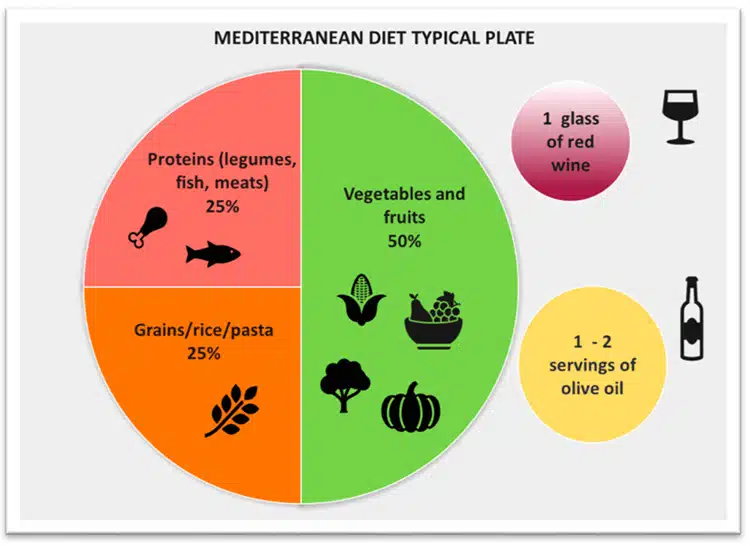
Furthermore, the practice of eating slowly and mindfully—often in a social setting—has physiological benefits. Slow eating allows the body’s satiety hormones, such as leptin and cholecystokinin, to signal to the brain that it is full, preventing overeating. For women with PCOS, who often struggle with "hunger hormones" and cravings due to insulin spikes, this mindful approach to meals is a vital behavioral tool for weight management and digestive health.
Broader Impact and Public Health Implications
The adoption of the Mediterranean diet for PCOS management has significant implications for public health. By managing PCOS through nutritional therapy, healthcare systems can potentially reduce the long-term incidence of Type 2 Diabetes, cardiovascular disease, and endometrial cancer—all of which are linked to untreated PCOS.
Medical professionals are increasingly advocating for a "food as medicine" approach, recognizing that sustainable dietary changes can reduce a patient’s reliance on multiple medications. For the patient, this translates to fewer side effects, lower healthcare costs, and a greater sense of agency over their chronic condition. While more large-scale, long-term clinical trials specifically targeting the PCOS population are needed, the existing data provides a robust foundation for recommending the Mediterranean diet as a primary therapeutic intervention.
In conclusion, the Mediterranean diet offers a comprehensive, evidence-based strategy for managing the complex symptoms of PCOS. By targeting the root causes of the syndrome—inflammation and insulin resistance—this nutritional pattern provides a path toward improved fertility, hormonal balance, and long-term metabolic health. As the medical community continues to explore the nuances of endocrine disorders, the Mediterranean lifestyle stands out as a gold standard for holistic recovery and wellness.
