
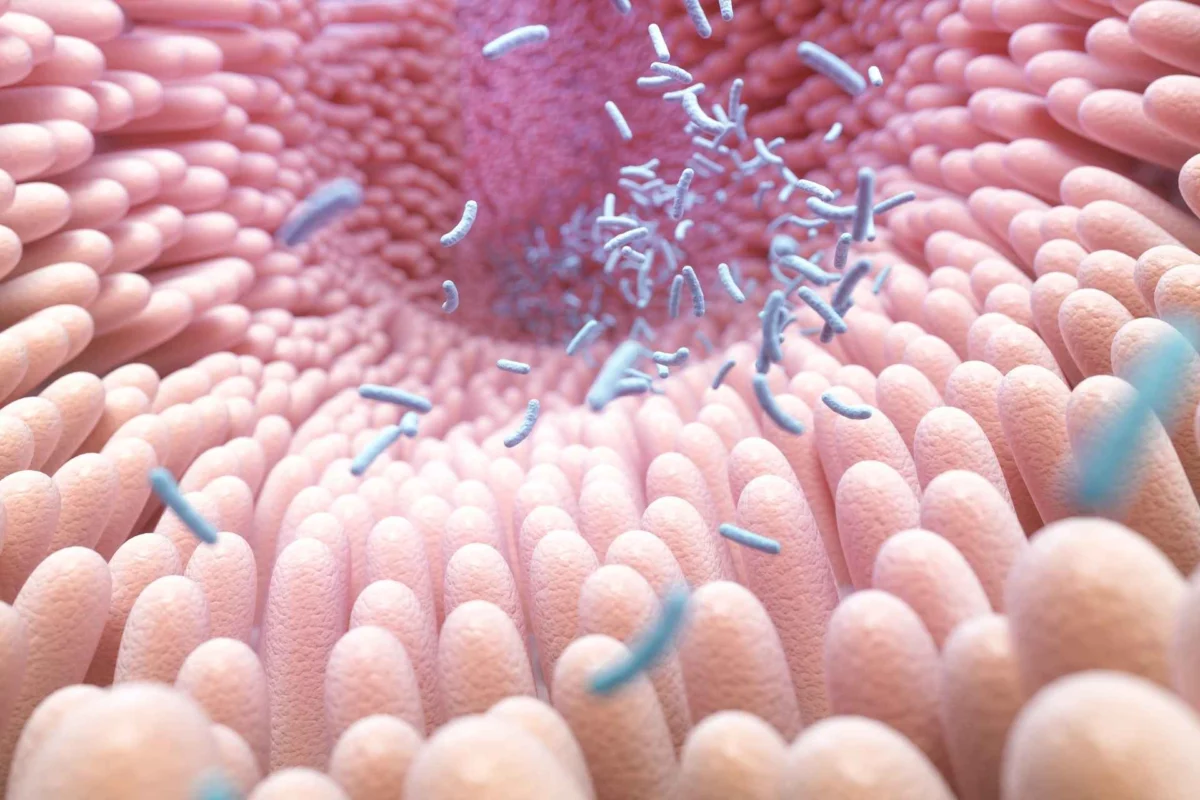
The human immune system does not operate in a vacuum; rather, it is a highly dynamic network influenced by a complex interplay of genetics, lifestyle, and the trillions of microorganisms residing within the gastrointestinal tract. Recent research published in the journal Cell has provided new clarity on this relationship, revealing that specific differences in the gut microbiota are fundamentally linked to variations in a person’s baseline immune activity. This study, led by Joel Babdor and his colleagues at the University of California, San Francisco (UCSF), suggests that the "resting state" of our immune system—specifically its readiness to fight viral infections—is significantly shaped by the microbial inhabitants of the gut. These findings offer a potential roadmap for improving how individuals respond to vaccines, cancer immunotherapies, and treatments for autoimmune diseases by targeting the microbiome.
The Intersection of Microbial Ecology and Immunology
For decades, the scientific community focused primarily on genetics as the primary determinant of immune health. However, as the field of metagenomics has advanced, it has become increasingly clear that environmental factors play a dominant role in shaping immune responses. While animal models have long demonstrated that gut microbes can tune the immune system, translating these observations to healthy human populations has proven challenging due to the immense variability in human lifestyles.
The UCSF study sought to bridge this gap by examining 110 healthy adults. The goal was to determine why some individuals possess a naturally "primed" immune system while others do not. By collecting and analyzing blood samples, stool samples, and comprehensive health surveys, the researchers were able to create a multi-dimensional map of the participants’ internal ecosystems. This "multi-omics" approach allowed the team to look beyond simple bacterial counts and instead analyze the metabolites (microbial products) and specific immune cell subsets that define an individual’s biological profile.
Identifying the Antiviral Baseline: The Role of Interferons
One of the most significant discoveries of the study was the identification of a specific pattern of immune activity linked to the gut microbiota: the interferon response. Interferons are signaling proteins released by host cells in response to the presence of viruses. They act as a "burglar alarm," alerting neighboring cells to heighten their antiviral defenses.
The researchers found that participants with a higher baseline of antiviral immune activity showed significantly stronger expression of interferon-related genes. These individuals also possessed higher levels of interferon-related signaling molecules circulating in their blood, even in the absence of an active infection. This baseline state is critical because it determines how quickly and effectively the body can mobilize against a new pathogen.
Crucially, the study noted that these high-interferon patterns are the same ones observed in "high responders" to the influenza vaccine. In clinical settings, individuals whose immune systems are naturally primed in this manner tend to generate more robust antibody responses following vaccination. Similarly, in the field of oncology, patients who respond favorably to immune checkpoint inhibitors—a type of cancer immunotherapy—often exhibit these same baseline immune characteristics. The link between these immune traits and specific gut bacteria suggests that the microbiome may be the "hidden hand" behind medical treatment success or failure.
Microbial Metabolites and Immune Specialization
The research team went a step further by identifying the specific microbial signatures associated with this heightened antiviral state. They found that individuals with stronger baseline immunity also possessed a more diverse array of specialized immune cells. These immune traits were strongly correlated with the presence of gut microbes known to produce beneficial molecules, most notably short-chain fatty acids (SCFAs).
SCFAs, such as butyrate, propionate, and acetate, are produced when gut bacteria ferment dietary fiber. These metabolites are known to have systemic effects, traveling from the gut into the bloodstream where they influence the development and function of T-cells and other white blood cells. The study found that the presence of these beneficial microbial products was stable over time, suggesting that an individual’s "immune-microbiota axis" is a consistent feature of their biology rather than a fleeting state.
A Chronology of Microbiome Research and the Path to the Current Study
To understand the weight of these findings, it is necessary to view them within the broader timeline of immunological and microbiological discovery:
- 2007–2008: The launch of the Human Microbiome Project (HMP) by the National Institutes of Health (NIH) laid the groundwork by mapping the microbial communities found across the human body.
- 2013–2015: Landmark studies in mice demonstrated that the efficacy of certain chemotherapy drugs and immunotherapies depended on the presence of specific gut bacteria, such as Bifidobacterium and Akkermansia muciniphila.
- 2018–2020: Researchers began identifying correlations between gut health and COVID-19 severity, noting that patients with "dysbiosis" (imbalanced gut bacteria) often suffered from more severe cytokine storms and poorer outcomes.
- 2022–2023: Advances in single-cell sequencing and proteomics allowed scientists to start looking at "baseline" states in healthy humans, leading to the current UCSF study published in early 2024.
This progression shows a shift from general observation to high-resolution mechanistic understanding. We are moving from simply knowing that "the gut matters" to identifying the exact genes and metabolites that dictate immune readiness.
Supporting Data: Quantifying the Link
The study’s data highlights a clear divergence among the 110 participants. While all were classified as "healthy," their immune profiles were far from uniform. Key data points from the research include:
- Interferon Variation: There was a multi-fold difference in the expression of Type I interferon-stimulated genes (ISGs) across the cohort. This variation was not explained by age or sex, but by microbial composition.
- Microbial Clusters: Participants could be grouped into "microbiotypes" based on their bacterial diversity. Those in clusters characterized by high fiber-fermenting bacteria (e.g., Faecalibacterium prausnitzii) showed the most robust antiviral signatures.
- Metabolic Correlation: A direct positive correlation was found between the concentration of fecal butyrate and the frequency of mucosal-associated invariant T (MAIT) cells in the blood, which are vital for rapid response to pathogens.
Implications for Public Health and Precision Medicine
The clinical significance of these findings is profound. If the baseline immune state can be mapped to the gut microbiota, it opens the door for "microbiome-informed precision medicine."
Vaccine Optimization
Currently, vaccine efficacy varies wildly across populations. For example, the seasonal flu vaccine may be 60% effective in some years but significantly lower in elderly or immunocompromised populations. By assessing a patient’s gut-immune profile before vaccination, clinicians might one day be able to provide a "pre-treatment" of specific probiotics or dietary interventions to prime the immune system, ensuring the vaccine "takes" more effectively.
Cancer Immunotherapy
One of the greatest challenges in modern oncology is why some patients experience miracle cures with immunotherapy while others see no benefit. The UCSF study adds to a growing body of evidence suggesting that the gut microbiome is a primary mediator of these treatments. If a patient lacks the microbial signature required for a strong interferon response, fecal microbiota transplants (FMT) or targeted microbial consortia could be used to "reset" their immune system before starting cancer treatment.
Autoimmune and Inflammatory Diseases
Conversely, for patients with autoimmune diseases, where the immune system is overactive, understanding the microbial drivers of baseline inflammation could lead to new ways to "dampen" the immune response through dietary shifts rather than systemic immunosuppressants, which often carry heavy side effects.
Analysis: Moving Toward Therapeutic Intervention
The UCSF researchers have been careful to note that while their study identifies strong links, it is a starting point. The study group of 110 people is relatively small, and while the patterns were stable over the period of the study, the long-term impact of changing one’s diet or taking probiotics remains a subject for further clinical trials.
However, the "data resource" provided by this study is a significant contribution to the field. By providing a blueprint of how microbes, metabolites, and immune cells interact in a healthy state, the team has given other researchers the targets they need to develop new therapies. We are entering an era where a blood test and a stool sample could provide a comprehensive "health weather report," predicting how an individual might fare during flu season or how they might respond to a new medical diagnosis.
The vision for the future, as articulated by the study’s authors, involves a move toward "microbiome-informed precision immunotherapy." This would involve dietary interventions, microbial colonization, or the use of specific microbial products to modulate the immune system for therapeutic benefit.
Conclusion
The findings published in Cell underscore a fundamental truth of human biology: our health is a collaborative effort between our human cells and our microbial guests. By identifying that the gut microbiota is a key architect of our baseline antiviral defenses, the UCSF team has provided a scientific basis for the old adage that "health begins in the gut." As research continues to unravel these complex connections, the potential to manipulate the microbiome to bolster infection resistance and improve the outcomes of life-saving medical treatments becomes increasingly tangible. The next decade of immunology will likely be defined not just by how we treat the human body, but by how we cultivate the internal garden that protects it.
