
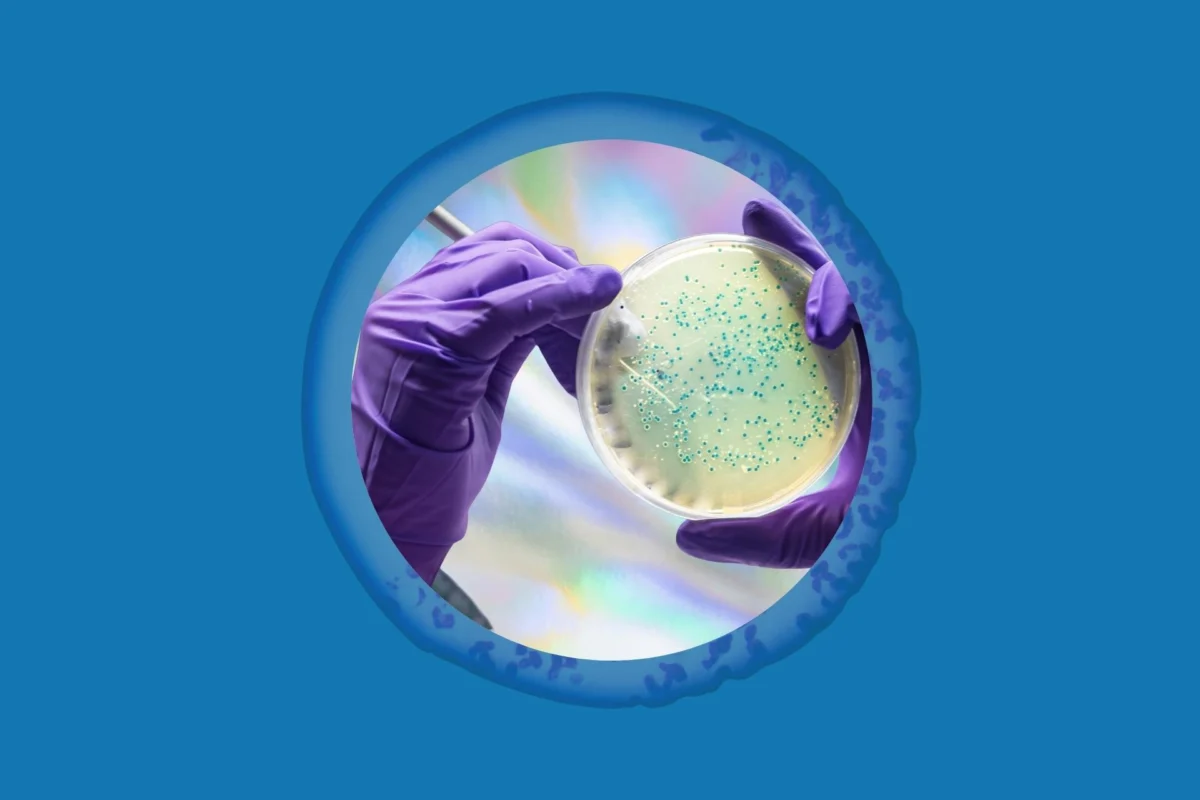
The burgeoning longevity industry has successfully commercialized the most sophisticated health monitoring infrastructure in medical history, yet it remains fundamentally incomplete due to the systemic omission of microbiome analysis. For a premium of several thousand euros, high-net-worth individuals can now access a suite of diagnostic tools that were once the exclusive province of research laboratories: full-body MRI scans, high-resolution cardiovascular imaging, 200-dimensional biomarker mapping, and advanced metabolic trajectory modeling. These data points are increasingly delivered through sleek, user-friendly applications designed to nudge the user toward optimal lifestyle decisions. However, a growing consensus among clinical researchers suggests that this "hardware-first" approach ignores the body’s "operating system"—the human microbiome—thereby undermining the predictive promises of the entire sector.
While contemporary longevity clinics track the structural and chemical outputs of the human body with extraordinary precision, they frequently overlook the microbial ecosystem that modulates immune function, drug metabolism, inflammatory load, and hormonal balance. The microbiome is not merely one variable among many; it is the foundational layer that conditions how other physiological markers express themselves. Without integrating metagenomic data, even the most expensive biomarker panel remains a static photograph of a building taken without any knowledge of its structural foundations.
The Evolution of the Longevity Sector and the Rise of Precision Surveillance
The longevity industry has transitioned over the last decade from a niche interest in "anti-aging" supplements to a multi-billion-dollar sector focused on "Healthspan" optimization. This shift has been driven by advancements in genomic sequencing and the falling cost of biotechnology. Companies such as Fountain Life, Human Longevity, Inc., and various European boutique clinics have pioneered the "proactive" model of medicine, which seeks to identify chronic disease decades before symptoms manifest.
The current market is characterized by "Deep Phenotyping," a process of collecting massive amounts of data on an individual’s biology. This typically includes Whole Genome Sequencing (WGS), blood-based liquid biopsies for cancer detection, and continuous glucose monitoring. Despite this data-heavy approach, the industry has been slow to adopt comprehensive stool and oral microbiome sequencing. This lag persists despite a decade of research from the Human Microbiome Project and subsequent studies linking gut dysbiosis to the very "hallmarks of aging" that these clinics claim to combat, such as cellular senescence, mitochondrial dysfunction, and chronic systemic inflammation.
The Diagnostic Gap: Breath Testing vs. Metagenomic Sequencing
One of the primary criticisms leveled against current longevity protocols is the reliance on inadequate diagnostic proxies. Some clinics have begun to offer breath tests as a nod toward microbiome assessment. However, clinical experts argue that a breath test is a rudimentary tool compared to the complexity of the ecosystem it purports to measure. A breath test primarily detects the metabolic byproducts of microbial fermentation—typically hydrogen and methane—in response to a substrate like glucose or lactulose. While useful for diagnosing Small Intestinal Bacterial Overgrowth (SIBO), it provides no information regarding the specific species present, their functional capacity, or their metabolic potential.
In contrast, metagenomic sequencing (Shotgun Sequencing) reads the actual genetic map of the microbiome. It identifies the relative abundance of thousands of species and reveals their collective ability to produce essential metabolites, such as Short-Chain Fatty Acids (SCFAs), which are critical for maintaining the gut barrier and regulating the immune system. The industry’s current reliance on breath tests is frequently compared to checking an engine’s temperature rather than opening the hood to inspect the components. While the temperature indicates the engine is running, it does not reveal which parts are failing or how the system will respond to a planned intervention.
A Chronology of Microbiome Discovery and Clinical Lag
The disconnect between microbiome science and longevity clinic protocols is particularly striking when viewed through a chronological lens of scientific milestones:
- 2007: The National Institutes of Health (NIH) launches the Human Microbiome Project (HMP), establishing the baseline for microbial diversity in healthy individuals.
- 2012: Results from the HMP reveal that the microbiome contributes more genes responsible for human survival than the human genome itself.
- 2015-2018: Research identifies the "Gut-Brain Axis" and the role of the microbiome in neurodegenerative diseases like Alzheimer’s and Parkinson’s—key targets for longevity medicine.
- 2020: Studies demonstrate that the microbiome’s composition can predict a patient’s response to immunotherapy and other life-extending medical treatments.
- 2023-Present: While the research community emphasizes "Multi-omics" (combining genomics, proteomics, and microbiomics), the commercial longevity sector continues to prioritize imaging and blood-based markers.
This timeline suggests that while the science has reached a level of maturity that allows for clinical application, the commercial infrastructure has failed to pivot. The result is a model that remains reactive to downstream signals—such as elevated C-reactive protein (CRP) or glucose spikes—while ignoring the upstream microbial drivers of those signals.
Logistical and Commercial Barriers to Integration
The resistance to comprehensive microbiome integration is rarely scientific; rather, it is logistical and conceptual. From a logistical standpoint, stool and saliva sampling lack the clinical "elegance" of a blood draw or an MRI. High-end wellness centers, often designed with minimalist aesthetics and curated environments, find the collection and processing of fecal matter to be at odds with their brand image.
Commercially, the integration of metagenomic sequencing introduces significant complexity. Interpreting microbiome data requires a different set of clinical skills than reading a standard lipid panel or an MRI report. It requires expertise in microbial ecology and bioinformatics, which are not yet standard in the training of many clinicians working in the longevity space. Furthermore, admitting that the microbiome is essential requires clinics to acknowledge that their current "comprehensive" packages—for which clients pay five-figure sums—are missing a critical layer of biological reality.
The Broader Impact: From Surveillance to True Prevention
The implications of this diagnostic "hole" are significant. Longevity medicine positions itself as the antithesis of the modern healthcare system, which is often criticized for being reactive and "sick-care" oriented. However, by ignoring the microbiome, the longevity industry risks reproducing the same structural flaws: treating the body as a collection of isolated parts rather than an integrated ecosystem.
A truly preventive model would integrate microbial data with genomic and metabolic data to create a high-resolution map of individual health. For example, the oral microbiome is increasingly linked to cardiovascular health and systemic inflammation. A clinic that monitors cardiovascular risk through imaging but ignores the oral microbial signatures of periodontal disease is missing a primary driver of arterial inflammation.
Furthermore, the microbiome is highly plastic. Unlike the human genome, which is static, the microbiome can be modified through diet, prebiotics, probiotics, and lifestyle changes. This makes it perhaps the most "actionable" data point in a longevity protocol. By failing to track this system longitudinally, clinics are providing their clients with "surveillance" rather than "prevention"—observing the decline of a system without intervening at its most fundamental level.
Fact-Based Analysis of the Future Landscape
As the longevity market matures, the pressure for "Multi-omic" transparency is expected to increase. Clients in this sector are typically data-literate and highly invested in their health outcomes. As public awareness of the microbiome’s role in "inflammaging" (age-related chronic inflammation) grows, clinics that continue to exclude metagenomic sequencing may face a crisis of credibility.
The next phase of precision medicine will likely require the integration of microbial diversity scores into standard health dashboards. This would allow for the monitoring of "microbial drift" over time, providing an early warning system for metabolic and immune dysfunction. The technology for this integration already exists; the sequencing costs have dropped, and the analytical frameworks are available. The only remaining hurdle is the industry’s willingness to move beyond the "dashboard" and look into the "engine."
In conclusion, the longevity industry currently offers a sophisticated, high-resolution view of human biology that is nonetheless blind to its most influential variable. Until the microbiome is treated as a central pillar of the longevity dashboard rather than an optional add-on or a simplified breath test, the promise of personalized, preventive medicine will remain unfulfilled. The industry is currently charging its clients for the privilege of a detailed map that is missing the very terrain upon which the body’s health is built. To move forward, longevity science must embrace the complexity of the invisible ecosystem within, recognizing that true health begins where the eyes—and most current diagnostics—cannot see.
