
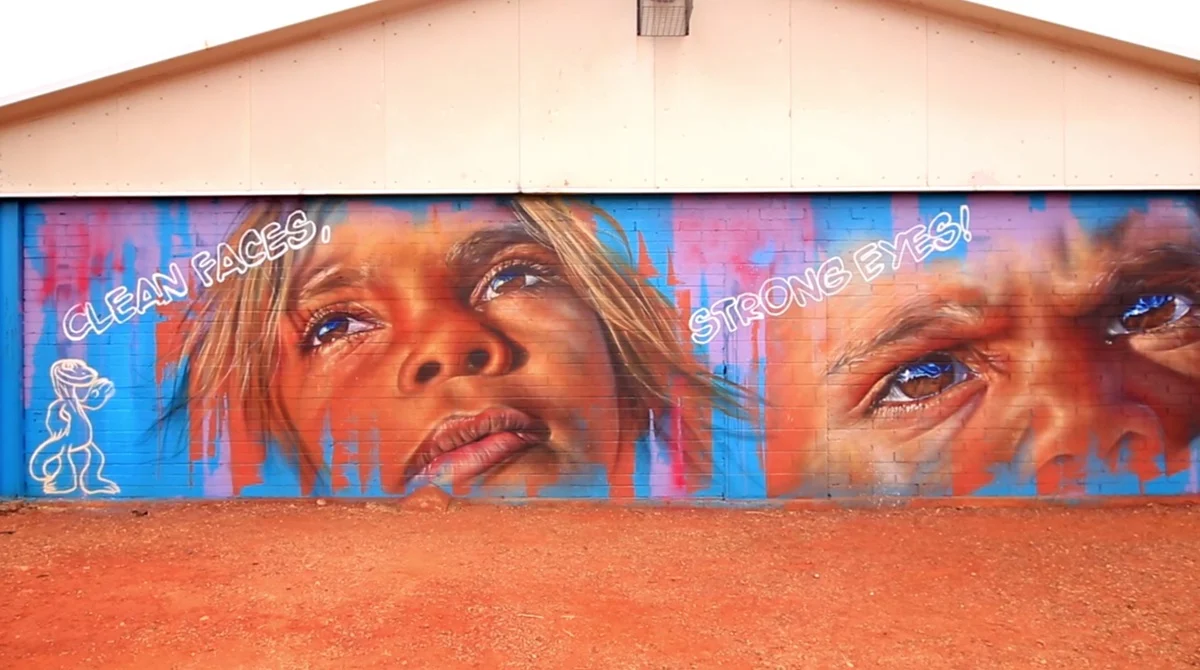
In a historic development for global public health and Indigenous equity, the World Health Organization (WHO) has officially validated Australia for the elimination of trachoma as a public health problem. This achievement marks the first time the WHO has confirmed the elimination of a neglected tropical disease (NTD) in Australia, positioning the nation as a leader in the Western Pacific region’s efforts to eradicate preventable causes of blindness. Trachoma, an infectious eye disease that has plagued humanity for millennia, is no longer considered a threat to the sight of the Australian population, signaling the end of a protracted battle against a condition that primarily affected the country’s most vulnerable communities.
The validation serves as a testament to decades of coordinated action between the Australian government, Indigenous health organizations, and international health bodies. Australia now joins a growing list of 63 countries globally that have successfully eliminated at least one NTD, contributing significantly to the targets established in the WHO’s road map for neglected tropical diseases 2021–2030. For Australia, this success is particularly poignant, as it was previously the only high-income country in the world where trachoma remained endemic.
Understanding the Impact of Trachoma
Trachoma is an ocular infection caused by the bacterium Chlamydia trachomatis. It is categorized as a neglected tropical disease because it predominantly affects populations with limited access to clean water, adequate sanitation, and basic healthcare services. The infection is highly contagious and spreads through direct contact with the eye or nose discharge of infected individuals, as well as through contact with contaminated surfaces like towels or clothing. Additionally, eye-seeking flies (Musca sorbens) play a significant role in transmission in arid regions.
While a single infection may cause mild irritation, repeated infections over several years lead to a condition known as trachomatous trichiasis. In this advanced stage, the inner surface of the eyelid becomes so severely scarred that the eyelashes turn inward, scraping against the cornea. Every blink causes excruciating pain and permanent damage to the eye’s surface. Without surgical intervention, this condition inevitably leads to irreversible blindness. Historically, trachoma was the leading infectious cause of blindness worldwide, a burden that fell disproportionately on women and children in remote areas.
A Chronology of Australia’s Public Health Intervention
The journey toward elimination in Australia has been a long-term endeavor, rooted in the recognition that health outcomes are inextricably linked to socio-economic conditions. While trachoma disappeared from Australia’s major metropolitan centers in the early 20th century due to improved living standards, it persisted in remote Aboriginal and Torres Strait Islander communities for decades.
In the late 1970s, the National Trachoma and Eye Health Program, led by the late Professor Fred Hollows, highlighted the staggering rates of eye disease among Indigenous Australians. This spurred a renewed national focus on eye health. However, it was not until the early 2000s that efforts were systematically scaled.
A pivotal moment occurred in 2006 with the establishment of the National Trachoma Management Programme. This initiative provided the framework for a standardized approach across the Northern Territory, South Australia, and Western Australia—the jurisdictions where the disease remained endemic. By 2009, the Australian Government committed significant funding under the "Closing the Gap" framework, aiming to eliminate trachoma by 2020. While the global pandemic shifted some timelines, the momentum remained, leading to the sustained reduction in cases required for WHO validation in 2024.
The SAFE Strategy: A Multidisciplinary Approach
Australia’s success was built upon the rigorous implementation of the WHO-recommended SAFE strategy. This four-pronged approach addresses both the immediate medical needs of the population and the underlying environmental factors that allow the disease to thrive.
- Surgery (S): Efforts were focused on identifying individuals with trichiasis and providing them with corrective eyelid surgery to prevent the onset of blindness.
- Antibiotics (A): Australia utilized targeted treatment using the antibiotic azithromycin. Unlike some nations that utilized mass drug administration (MDA) for the entire population, Australia often employed a more granular approach, treating specific households and communities based on precise screening data.
- Facial Cleanliness (F): Public health campaigns focused on the importance of washing children’s faces to prevent the spread of bacteria. This was supported by school-based programs and community education.
- Environmental Improvement (E): Long-term success required improvements in housing, water supply, and sanitation. Ensuring that remote communities had functioning bathrooms and laundry facilities was critical in breaking the cycle of reinfection.
The integration of these four pillars, supported by regular screening of at-risk communities by specialized health teams, ensured that the prevalence of the disease remained below the thresholds required for elimination status.
Statistical Success and WHO Criteria
The WHO defines the elimination of trachoma as a public health problem through three specific criteria, all of which Australia has met. First, the prevalence of trachomatous trichiasis (TT) "unknown to the health system" must be less than 0.2% in adults aged 15 and older. Second, the prevalence of trachomatous inflammation—follicular (TF) in children aged 1 to 9 years must be less than 5% in each formerly endemic district. Finally, the country must demonstrate a robust system to identify and manage incident cases of trichiasis.
Data from the National Trachoma Surveillance and Reporting Unit indicated a dramatic decline in prevalence over the last fifteen years. In 2009, the prevalence of trachoma in children in screened communities was roughly 14%. By the time of the validation application, this figure had dropped well below the 5% threshold across all jurisdictions. This statistical victory represents thousands of individuals who have been spared from chronic pain and vision loss.
Leadership and Community-Led Solutions
A defining feature of Australia’s campaign was the central role of Aboriginal Community Controlled Health Organisations (ACCHOs). These organizations provided the cultural safety and local expertise necessary to engage with remote communities effectively. By employing local health workers and ensuring that interventions were community-led, the program built trust and ensured high rates of participation in screening and treatment.
Mark Butler, Australia’s Minister for Health and Ageing, emphasized the collaborative nature of this achievement. "Elimination of trachoma is a win for the eye health of communities across Australia," Butler stated. "This major milestone is thanks to Aboriginal and Torres Strait Islander leadership, community commitment, and sustained investment over many decades."
Malarndirri McCarthy, Minister for Indigenous Australians, echoed these sentiments, noting that the recognition from the WHO reflects the tireless work of First Nations health workers. "Their work has been critical to eliminating trachoma as a public health problem in Australia," she said, highlighting that the lessons learned from this campaign will be applied to other preventable health conditions in regional areas.
Global Context and the Fight Against NTDs
Australia is the 16th country in the WHO Western Pacific Region to eliminate at least one neglected tropical disease. Dr. Saia Ma’u Piukala, WHO Regional Director for the Western Pacific, praised Australia’s persistence. "Tackling neglected tropical diseases in the Western Pacific Region has long been a challenge… given the complexities in reaching the most vulnerable communities," he said. He urged the nation to remain vigilant, as maintaining elimination status requires ongoing surveillance and a continued focus on environmental health.
The global landscape for NTDs remains a priority for the WHO. These 21 diseases and disease groups affect more than 1 billion people worldwide. While Australia has eliminated trachoma, other NTDs such as Buruli ulcer, leprosy, and scabies remain endemic in certain parts of the country. The success against trachoma provides a blueprint for how cross-sectoral collaboration and political will can overcome even the most entrenched public health challenges.
Implications and the Path Forward
The elimination of trachoma in Australia is more than just a medical victory; it is an achievement in social justice. It demonstrates that with sufficient resources and community partnership, health inequities can be corrected. The infrastructure built for the trachoma program—including mobile screening units and improved environmental health monitoring—will continue to serve remote communities in the fight against other infectious diseases.
However, health experts warn against complacency. The bacterial agent Chlamydia trachomatis can still be present in the environment, and the risk of re-emergence exists if sanitation standards slip or if surveillance programs are defunded. Australia must now transition from an "elimination phase" to a "maintenance phase," ensuring that every new case of trichiasis is identified and treated immediately and that the environmental conditions in remote communities continue to improve.
As the 63rd country to reach this milestone, Australia stands as a beacon of hope for other nations still struggling with trachoma. From the deserts of the Northern Territory to the halls of the WHO in Geneva, the message is clear: a world free from the suffering caused by trachoma is not just an aspiration, but an achievable reality. The focus now shifts to the remaining endemic regions, as the global community works toward the 2030 goal of total worldwide elimination.
