
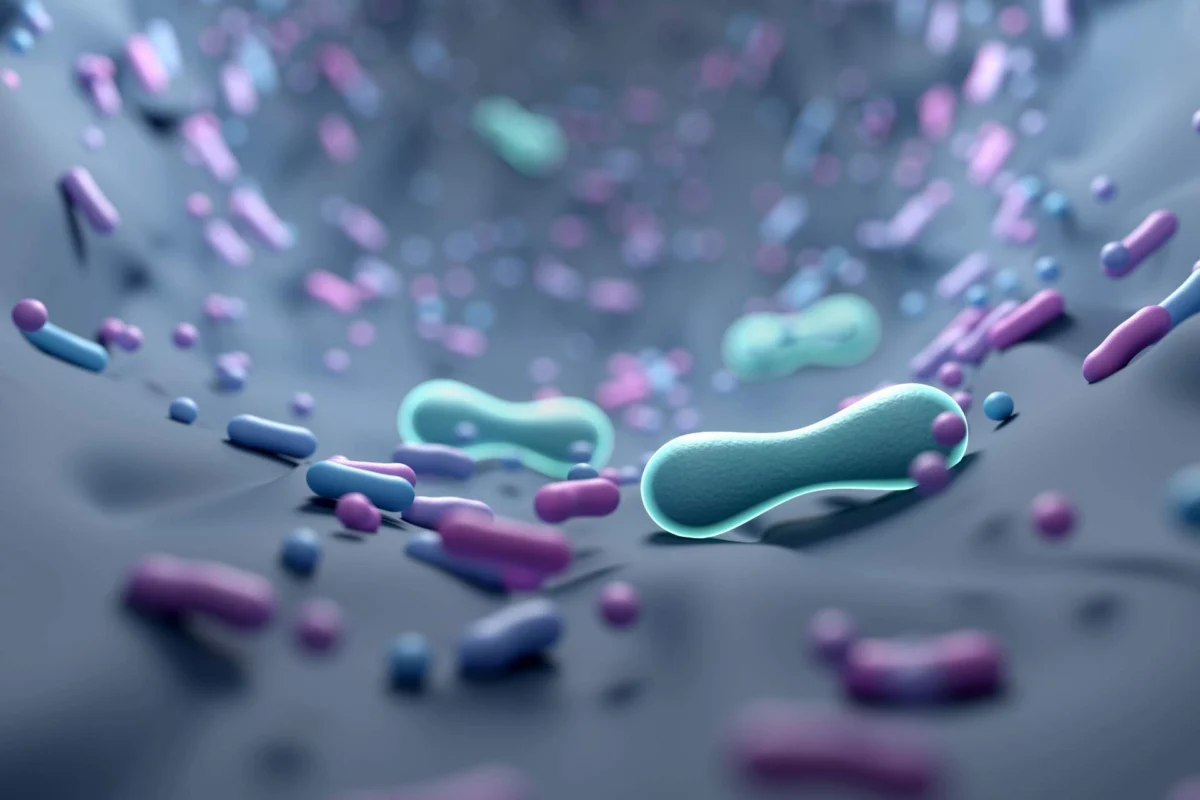
The long-standing medical mystery of why fecal microbiota transplantation (FMT) yields transformative results for some patients while failing others appears to have been solved by a groundbreaking study identifying individual bacterial strains as the primary drivers of therapeutic success. Research published in the journal Cell Host & Microbe suggests that the prevailing clinical focus on "gut diversity"—the sheer number of different bacterial species present in a donor sample—is an insufficient metric for predicting patient outcomes. Instead, the study demonstrates that the successful colonization of specific, high-performance bacterial strains is the critical factor in determining whether a transplant will effectively augment cancer treatments or assist in the management of chronic conditions.
Led by Kai Chen and a team of investigators at Soochow University in Suzhou, China, the research provides a new framework for understanding the "strain-function-efficacy" paradigm. By moving beyond species-level analysis and utilizing a sophisticated new tracking tool, the researchers have identified a specific cohort of 38 microbial strains that are directly linked to positive clinical responses. This discovery marks a significant shift in the field of gastroenterology and oncology, potentially paving the way for a new generation of precision microbiome-based drugs that move away from the "one-size-fits-all" approach of traditional fecal transplants.
The Evolution of Fecal Microbiota Transplantation
Fecal microbiota transplantation is not a new concept, but its application in modern oncology represents the cutting edge of biological medicine. While the practice of using fecal matter for medicinal purposes dates back to 4th-century China—where "yellow soup" was used to treat severe diarrhea—it only gained mainstream clinical acceptance in the 21st century as a primary treatment for recurrent Clostridioides difficile (C. diff) infections. In the context of C. diff, FMT boasts a success rate often exceeding 90%, a figure that initially led researchers to believe the procedure would be equally effective for other ailments.
However, as clinical trials expanded into inflammatory bowel disease (IBD), obesity, and cancer, the results became frustratingly inconsistent. In oncology, specifically, the gut microbiome has been recognized as a major regulator of the immune system. Previous studies have shown that patients with a "favorable" gut microbiome respond better to Immune Checkpoint Inhibitors (ICIs), such as PD-1 and PD-L1 blockers. Despite this knowledge, early attempts to use FMT to "convert" non-responders into responders yielded mixed results. The Soochow University study addresses this inconsistency by proving that the presence of a species is less important than the specific strain of that species and its ability to take up permanent residence in the recipient’s gut.
Methodology and the Introduction of ucgMLST
To conduct the study, the research team focused on a cohort of patients suffering from advanced non-small cell lung cancer (NSCLC) and other refractory conditions. These patients were administered a combination of standard chemotherapy and immunotherapy, supplemented by oral capsules containing gut bacteria harvested from healthy donors. The use of capsules, rather than invasive colonoscopy-delivered transplants, represents a more modern, patient-friendly approach to FMT.
Out of the ten participants who completed the full course of treatment, six exhibited significant clinical benefits. These benefits included measurable tumor shrinkage and stabilized disease control, effectively halting the progression of advanced cancer that had previously resisted other forms of therapy. Crucially, the treatment was deemed safe, with no severe adverse events reported, reinforcing the viability of bacterial capsules as a delivery mechanism.
The technical core of the study involved the development of a novel microbial tracking tool named ucgMLST (universal core genome multilocus sequence typing). Traditional metagenomic sequencing often stops at the species level, which the researchers found to be too broad. For example, two different strains of the same species can have entirely different metabolic functions—one might be anti-inflammatory while the other is neutral or even harmful. The ucgMLST tool allowed the team to analyze samples with unprecedented resolution, identifying nearly 49,000 unique microbial strains across the study participants.
Findings: The Mechanism of Colonization
The data revealed a stark contrast between "responders" and "non-responders." In patients who saw clinical improvement, there was a high rate of "strain replacement," where donor-derived bacterial strains successfully displaced the patient’s original, potentially dysfunctional microbes. Conversely, non-responders tended to retain their original gut flora, with donor strains failing to engraft or "colonize" the intestinal lining.
The researchers discovered that successful colonizers—strains that persist in the recipient’s gut over the long term—possess specific genetic profiles. These "persistent" strains carry genes that facilitate survival in a competitive environment, such as enhanced nutrient acquisition and mechanisms to interact with the host’s immune system. In contrast, "transient" strains—those that appear briefly and then vanish—rely on rapid growth and opportunistic expansion but lack the genetic "staying power" to remain in the gut once the initial transplant period ends.
Specific species were highlighted for their varying abilities to colonize. Akkermansia muciniphila, a bacterium often associated with lean phenotypes and positive immunotherapy responses, was found to establish itself easily and persist in recipients. On the other end of the spectrum, Enterobacter kobei rarely achieved successful long-term colonization. This suggests that future donor screening should not only look for "healthy" bacteria but specifically for "colonization-capable" strains.
Identifying the "Beneficial 38" and the Predictive Score
A major output of the research is the identification of 38 specific microbial strains that are statistically linked to clinical success. Among these is Faecalibacterium prausnitzii, a well-known producer of butyrate, a short-chain fatty acid that helps maintain the gut barrier and reduce systemic inflammation. By focusing on these 38 strains, the team developed a "Microbial Response Score."
This scoring system acts as a predictive blueprint. By analyzing the strain composition of a potential donor and comparing it to the recipient’s existing microbiome, clinicians can now predict with higher accuracy whether a transplant will "take" and whether it will provide the desired therapeutic effect. This move toward a predictive model is seen as a vital step in moving FMT from an experimental procedure to a standardized medical treatment.
"These findings establish a strain-function-efficacy paradigm," the authors noted in their report. "By elucidating the mechanistic basis of variable outcomes, we can guide the next generation of microbiome drug development, moving away from the uncertainty of raw fecal material toward defined microbial consortia."
Broader Implications for Oncology and Beyond
The implications of this study extend far beyond lung cancer. The ability to manipulate the gut microbiome at the strain level offers a new lever for treating a wide array of "cold" tumors—cancers that do not typically respond to immunotherapy. By introducing specific strains that "prime" the immune system, doctors may be able to turn these cold tumors "hot," making them susceptible to modern drugs.
Furthermore, the study’s focus on strain-level persistence provides a roadmap for treating metabolic syndrome, autoimmune diseases, and even neurological conditions currently being linked to the "gut-brain axis." If the medical community can identify the "master colonizers" for various diseases, the potential for personalized microbiome therapy becomes nearly limitless.
However, the transition from raw FMT to strain-specific "bugs-as-drugs" faces several hurdles. Regulatory bodies like the U.S. Food and Drug Administration (FDA) have traditionally struggled with how to categorize FMT. While the FDA recently approved the first fecal-derived products for C. diff (such as Rebyota and Vowst), those products are still derived from human donor material. The Soochow University study supports the development of "synthetic" or "defined" microbial products—capsules containing lab-grown versions of the 38 beneficial strains—which would be easier to standardize, test, and regulate than human donor samples.
Timeline of Recent Microbiome Milestones
To understand the context of this study, it is helpful to look at the rapid progression of the field over the last decade:
- 2013: The first randomized controlled trial proves FMT is superior to vancomycin for treating recurrent C. diff.
- 2017-2018: Major studies in Science and Nature link the gut microbiome to the effectiveness of PD-1 immunotherapy in melanoma and lung cancer patients.
- 2021: Researchers demonstrate that FMT can "reset" the immune systems of melanoma patients who had previously failed to respond to immunotherapy.
- 2023: The FDA approves the first oral fecal microbiota product, marking the transition of FMT from a surgical procedure to a pharmaceutical product.
- 2024 (Current Study): The shift from "species" to "strains" is solidified, providing the high-resolution data needed for precision medicine.
Conclusion and Future Outlook
The work of Kai Chen and his colleagues at Soochow University represents a turning point in microbiome research. By proving that gut diversity is merely a background noise against which specific, high-functioning strains perform, they have provided a clearer target for drug developers and oncologists alike.
As the medical community moves forward, the focus will likely shift toward "precision donor selection" and the engineering of "designer microbiomes." The era of simply hoping a transplant works is ending; the era of knowing why it works, and ensuring it does, has begun. For patients with advanced cancer, this could mean the difference between a treatment that fails and a therapy that provides a long-term, durable cure. The "Microbial Response Score" and the ucgMLST tool are now poised to become essential components of the oncological toolkit, ensuring that the power of the gut microbiome is harnessed to its fullest potential.
