
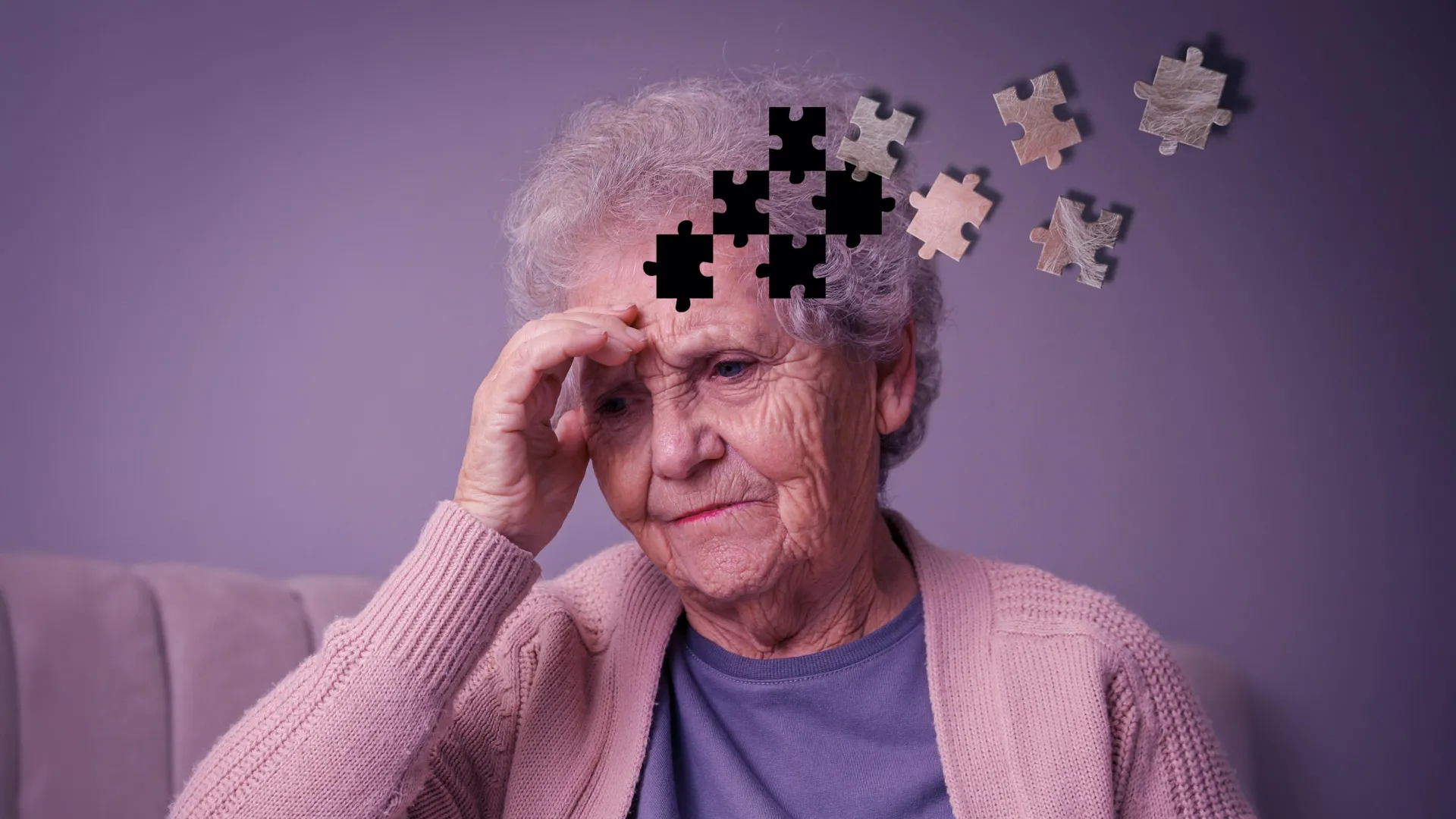
Women not only face higher rates of Alzheimer’s disease and other forms of dementia, but new research suggests they may also be more strongly affected by several common risk factors linked to cognitive decline. This groundbreaking study, conducted by scientists at the University of California San Diego School of Medicine, analyzed data from over 17,000 middle-aged and older adults, revealing that certain modifiable dementia risk factors appear to exert a greater negative influence on women’s cognitive function compared to men’s. The findings, published on May 19, 2026, in the esteemed journal Biology of Sex Differences, have significant implications for the development of more targeted and effective dementia prevention strategies.
The Growing Alzheimer’s Burden: A Gendered Perspective
Alzheimer’s disease and related dementias represent a significant and growing public health challenge worldwide. In the United States alone, nearly seven million Americans are currently living with Alzheimer’s disease, a number projected to rise dramatically in the coming decades due to an aging population. What is particularly striking, however, is the pronounced gender disparity in Alzheimer’s prevalence. Women constitute a disproportionately large share of these cases, accounting for nearly two-thirds of all individuals diagnosed with Alzheimer’s disease in the U.S. While it is a known fact that women generally live longer than men, this longevity alone cannot fully account for the substantial gap in Alzheimer’s incidence. This observation has prompted a deeper scientific inquiry into the complex interplay of biological, social, and lifestyle factors that may shape dementia risk differently across sexes.
Unpacking the Research: Methodology and Key Findings
The research team, led by Megan Fitzhugh, PhD, assistant professor of neurosciences at UC San Diego School of Medicine, and senior author Judy Pa, PhD, professor of neurosciences at the same institution, embarked on a comprehensive analysis of established dementia risk factors. Their work drew upon the extensive dataset of the Health and Retirement Study (HRS), a nationally representative longitudinal study that tracks the health and economic well-being of American adults in mid to late life. The HRS provides a rich source of information, enabling researchers to examine a wide array of potential contributors to cognitive decline.
The study meticulously examined 13 commonly recognized modifiable dementia risk factors. These included:
- Educational Attainment: Lower levels of education have been consistently linked to a higher risk of cognitive decline later in life.
- Sensory Impairment: Hearing loss, often overlooked, is emerging as a significant factor in dementia risk.
- Lifestyle Habits: Smoking and excessive alcohol consumption are well-known detriments to overall health, including brain health.
- Metabolic Health: Obesity, hypertension (high blood pressure), and diabetes are critical cardiometabolic conditions that impact vascular health and, consequently, brain function.
- Mental Health: Depression, a pervasive mental health condition, has also been associated with an increased risk of dementia.
- Physical Activity: Sedentary lifestyles and physical inactivity are detrimental to cardiovascular and cognitive health.
- Other Cardiometabolic Conditions: This category encompasses a range of health issues related to the heart and metabolism that can influence brain health.
By analyzing data from over 17,000 participants within the HRS cohort, Fitzhugh and Pa were able to identify not only the prevalence of these risk factors within each sex but also, crucially, their differential impact on cognitive performance.
Differential Impact: Where Risk Factors Diverge
The analysis revealed several noteworthy distinctions in the prevalence of certain risk factors between women and men. While specific details regarding the exact percentages and categories of risk factors were not fully elaborated in the initial announcement, the study indicated that women were more likely to report certain factors, and men were more likely to report others. For instance, women in the study generally had slightly lower average educational attainment, a factor known to be protective against cognitive decline. Conversely, men exhibited higher rates of other risk factors, though the specifics were not detailed.
Interestingly, widespread health challenges were observed across both sexes. High blood pressure, or hypertension, was a significant concern, affecting approximately six out of every ten participants, regardless of gender. Similarly, the average body mass index (BMI) for both men and women fell within the overweight to obese range, underscoring the pervasive nature of metabolic health issues in the population studied.
However, the most profound revelation of the study emerged when the researchers investigated the strength of association between these risk factors and cognitive performance. They discovered that several modifiable risk factors were linked to poorer cognitive outcomes more strongly in women than in men. Specifically:
- Cardiovascular and Metabolic Health: Conditions such as hypertension and elevated body mass index demonstrated steeper negative associations with cognitive function among women. This suggests that the detrimental effects of high blood pressure and excess weight on brain health may be more pronounced in females.
- Hearing Loss and Diabetes: Even though hearing loss and diabetes were reported to be more common in men in this study, they were still significantly tied to lower cognitive scores in women. This indicates that while these conditions might affect men more broadly in terms of prevalence, their impact on cognitive decline could be particularly severe for women.
This finding is particularly significant, as it suggests that a risk factor that might cause moderate cognitive effects in men could potentially have a much more substantial influence on women’s brain health. "Looking beyond which risk factors are most common, we found that some have a disproportionately larger impact on women’s cognition," stated Dr. Fitzhugh. "This suggests that prevention efforts may be more effective if they are tailored not just to risk factor prevalence, but to how strongly each factor affects cognition in women versus men."
Implications for Precision Dementia Prevention
The study’s findings provide compelling evidence supporting the growing movement towards precision medicine, an approach that seeks to tailor healthcare strategies to individual characteristics, including biological sex. The researchers argue that instead of solely focusing on the most common dementia risk factors across the entire population, a more effective strategy might involve prioritizing those factors that exert the greatest cognitive impact within specific demographic groups, particularly women.
The research team highlighted that a substantial proportion of the identified risk factors are modifiable. This means that there are tangible opportunities to reduce the risk of dementia through targeted interventions. For women, this could translate into a greater emphasis on:
- Managing Depression: Addressing and effectively treating depression may be a critical step in preserving cognitive health.
- Increasing Physical Activity: Encouraging and supporting regular physical activity could mitigate the adverse effects of sedentary lifestyles on the female brain.
- Improving Cardiovascular Health: Proactive management of hypertension and other cardiovascular issues is paramount, especially in cases of untreated high blood pressure.
Dr. Pa emphasized the critical need to acknowledge and incorporate sex as a fundamental variable in dementia research. "Sex differences are profoundly overlooked among many leading causes of death like Alzheimer’s, heart disease and cancer," she remarked. This oversight, she suggests, hinders the development of truly effective prevention and treatment strategies.
The Path Forward: Understanding and Action
While the study sheds crucial light on sex differences in dementia risk factors, the researchers acknowledge that more work is needed to fully unravel the underlying mechanisms. Possible explanations for these observed disparities include:
- Hormonal Influences: Fluctuations in estrogen levels throughout a woman’s life, particularly during menopause, are thought to play a role in brain health and may influence susceptibility to cognitive decline.
- Genetic Differences: Inherited genetic predispositions could interact with environmental and lifestyle factors differently in men and women.
- Unequal Access to Healthcare: Systemic disparities in healthcare access, utilization, and quality could contribute to differing health outcomes and the management of risk factors.
The intricate interactions between these biological and societal factors remain an active area of investigation. "Ultimately, a more nuanced understanding of these differences could help us design smarter, more targeted interventions," Dr. Fitzhugh concluded. "That’s an essential step toward reducing the burden of dementia for everyone, but especially for women, who are disproportionately affected."
The research, titled "Sex differences in modifiable risk factors of dementia and their associations with cognition," was generously funded by the National Institute on Aging (Grant RF1AG088811 to Dr. Pa) and the Alzheimer’s Association (Grant SAGA23-1141238 to Dr. Pa). The authors reported no conflicts of interest, underscoring the objective and scientific integrity of their findings. This study marks a significant step forward in recognizing and addressing the unique vulnerabilities of women in the fight against Alzheimer’s disease and other forms of dementia, paving the way for more equitable and effective public health initiatives.
