
Polycystic Ovary Syndrome (PCOS) remains one of the most prevalent endocrine disorders among women of reproductive age, affecting approximately 8% to 13% of the global female population. While the condition is frequently discussed in the context of fertility and metabolic health, its dermatological manifestations—specifically the persistent issue of greasy hair and seborrhea—present significant daily challenges for those affected. Greasy hair in the context of PCOS is not merely a cosmetic inconvenience but a clinical symptom of hyperandrogenism, a state characterized by elevated levels of male hormones such as testosterone. As beauty standards evolve to prioritize authenticity and diversity, the focus for many women has shifted toward internal health as the primary driver of external confidence. Understanding the physiological link between hormonal fluctuations and scalp health is essential for developing effective, long-term management strategies.
The Biological Mechanism of Hyperandrogenism and Sebum Production
The primary catalyst for greasy hair in women with PCOS is a hormonal imbalance known as hyperandrogenism. Under normal physiological conditions, the ovaries and adrenal glands produce small amounts of androgens. However, in women with PCOS, the ovaries often produce excessive amounts of these hormones. This hormonal surge directly impacts the sebaceous glands, which are microscopic exocrine glands in the skin that secrete an oily matter called sebum.
Sebum serves a vital purpose in lubricating and waterproofing the skin and hair. However, when androgen levels rise, the sebaceous glands become overactive, producing an abundance of oil. Because the scalp possesses one of the highest concentrations of sebaceous glands on the human body, the effects are most visible in the hair. This often results in a "greasy" appearance just hours after washing, a condition that can be exacerbated by environmental factors and stress. Furthermore, this excess oil can lead to secondary issues such as seborrheic dermatitis or clogged hair follicles, which may eventually contribute to thinning hair or "female pattern hair loss," another common symptom of PCOS.

The Role of Insulin Resistance in Hormonal Escalation
To address the root cause of greasy hair, one must examine the role of insulin. Clinical data suggests that between 50% and 70% of women with PCOS exhibit some degree of insulin resistance, regardless of their body mass index (BMI). Insulin is a hormone produced by the pancreas that allows cells to use sugar (glucose) for energy. When the body becomes resistant to insulin, it compensates by producing even higher levels of the hormone to keep blood sugar stable.
This hyperinsulinemia (excess insulin in the blood) is a major driver of PCOS symptoms. High levels of insulin stimulate the ovaries to produce more testosterone and simultaneously decrease the levels of sex hormone-binding globulin (SHBG), a protein that normally binds to testosterone and renders it inactive. When SHBG levels are low, more "free" testosterone circulates in the bloodstream, directly triggering the oil glands in the scalp. Consequently, managing greasy hair requires a systemic approach that prioritizes the stabilization of blood sugar and the improvement of insulin sensitivity.
Strategic Scalp Care and Product Selection
While systemic treatment is necessary for long-term results, immediate relief can be found through specialized scalp care. The health of the hair is inextricably linked to the environment of the scalp. Many commercial hair care products contain sulfates, parabens, and silicones that may provide a temporary sensation of cleanliness but ultimately contribute to long-term issues. Sulfates are aggressive detergents that strip the hair of all oils, which can trigger a "rebound effect" where the scalp produces even more oil to compensate for the sudden dryness.
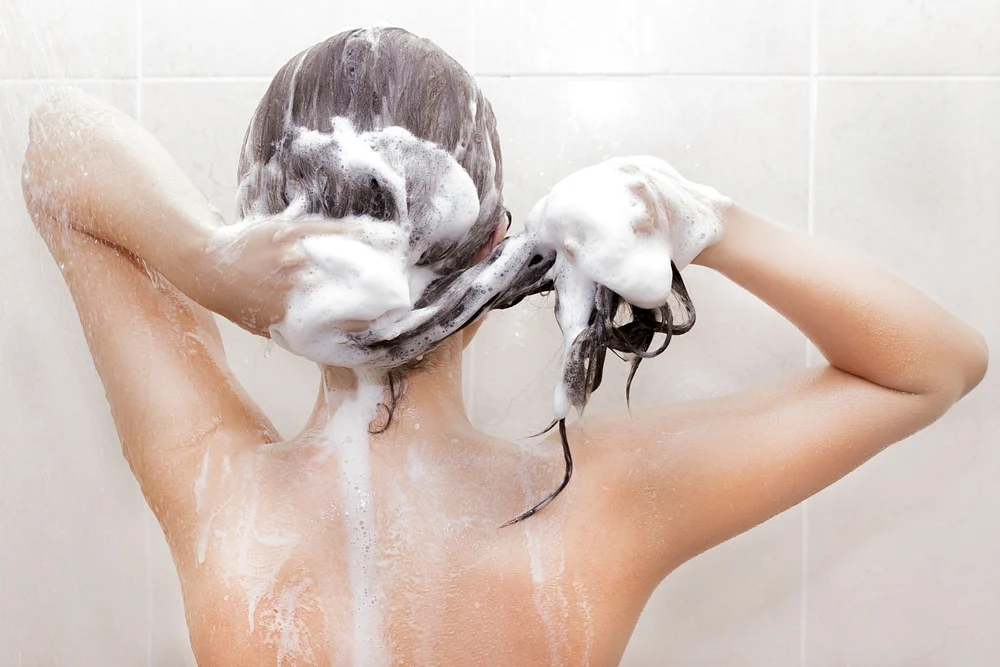
For women with PCOS, transitioning to high-quality, sulfate-free shampoos is often recommended. These products clean the hair without disrupting the scalp’s natural barrier. Additionally, "clarifying" shampoos play a critical role in a PCOS hair care routine. Clarifying formulas are designed to remove the stubborn build-up of products, minerals from hard water, and excess sebum that regular shampoos might miss. However, because these formulas are more potent, experts suggest using them no more than once a week or once every two weeks to avoid irritation.

The Paradox of Frequent Washing
A common reaction to greasy hair is to increase the frequency of washing, often to once or even twice daily. However, dermatological research indicates that over-washing can be counterproductive. Constantly stripping the scalp of its natural oils can signal the sebaceous glands to enter a state of hyper-production.
Clinical experts suggest "training" the scalp by gradually increasing the intervals between washes. While the transitional period may involve a few days of discomfort, the scalp eventually adjusts its sebum production to a more balanced level. During this period, dry shampoo becomes an invaluable tool. By using starch-based powders to absorb excess oil at the roots, women can maintain a fresh appearance without the need for daily detergent exposure. Furthermore, avoiding the application of conditioner to the roots and focusing only on the mid-lengths and ends can significantly reduce the speed at which hair becomes weighed down by oils.
Nutritional Interventions: The Three Pillars of a PCOS Diet
Dietary choices are perhaps the most powerful non-pharmacological tool available for managing PCOS-related symptoms. Because insulin drives androgen production, nutritional strategies focus on minimizing insulin spikes. The "Three Pillars" of a PCOS-friendly diet are:
- Low Glycemic Index (GI) Carbohydrates: Focusing on whole grains, legumes, and non-starchy vegetables ensures that glucose is released slowly into the bloodstream, preventing the rapid insulin surges that trigger testosterone production.
- Anti-Inflammatory Foods: PCOS is often characterized by chronic low-grade inflammation. Incorporating leafy greens, berries, and olive oil can help reduce systemic inflammation, which in turn supports hormonal balance.
- High-Fiber Intake: Fiber aids in the excretion of excess hormones and slows the absorption of sugar.
In addition to these pillars, the inclusion of Omega-3 fatty acids is highly beneficial. Found in fatty fish, flaxseeds, and walnuts, Omega-3s have been shown in clinical trials to reduce testosterone levels in women with PCOS. By nourishing the hair follicles from within, these fatty acids improve the structural integrity of the hair, making it more resilient to the fluctuations in oil production.

Physical Activity and Metabolic Regulation
Staying active is another critical component of managing the underlying causes of greasy hair. Exercise improves the way the body uses insulin, allowing glucose to enter the cells more efficiently and reducing the need for the pancreas to overproduce insulin. Both aerobic exercise and resistance training have been shown to be effective. Resistance training, in particular, increases muscle mass, which serves as a primary site for glucose disposal. By lowering circulating insulin, regular physical activity indirectly reduces the hormonal stimulus for sebum production. Furthermore, exercise helps with weight management, which is vital as adipose tissue (fat) can also contribute to hormonal imbalances.
Clinical Perspectives and Diagnostic Importance
Medical professionals emphasize that while lifestyle changes are foundational, they should be conducted in tandem with clinical oversight. General practitioners and endocrinologists can perform blood panels to measure levels of Free Testosterone, Dehydroepiandrosterone sulfate (DHEA-S), and fasting insulin. In some cases, physicians may prescribe medications such as spironolactone—an anti-androgen—or oral contraceptives to help regulate the hormonal cycle. Metformin, a medication typically used for Type 2 Diabetes, is also frequently prescribed off-label for PCOS to address insulin resistance.
The presence of greasy hair, when combined with other symptoms like irregular periods or adult acne, serves as a significant clinical indicator. Early diagnosis and intervention can prevent the progression of PCOS into more serious metabolic conditions, such as cardiovascular disease or gestational diabetes.
Broader Impact and Psychological Well-being
The impact of PCOS symptoms extends beyond physical health, often touching upon psychological and social well-being. Hair is often tied to identity and femininity; therefore, the struggle with greasy or thinning hair can lead to diminished self-esteem and increased anxiety. Recognizing that these symptoms are the result of a complex biological condition—rather than a failure of personal hygiene—is a crucial step in the healing process.

Community support and shared experiences play a vital role in managing the chronic nature of PCOS. With approximately one in five women potentially living with the condition, the movement toward transparent discussion and evidence-based management is growing. By combining medical intervention with strategic hair care, nutritional discipline, and regular activity, women can regain control over their symptoms.
Conclusion and Future Outlook
Managing greasy hair in the context of Polycystic Ovary Syndrome requires a multi-faceted approach that looks past the surface of the scalp. While clarifying shampoos and dry shampoos provide necessary short-term relief, the long-term solution lies in the stabilization of insulin and the reduction of androgen levels through diet, exercise, and medical guidance. As research continues to uncover the intricate links between the gut microbiome, the endocrine system, and skin health, new therapies and more personalized nutritional protocols are expected to emerge. For now, the combination of internal metabolic management and external scalp health remains the gold standard for those seeking to restore their hair to its natural, healthy state. Through persistence and a holistic understanding of the body’s internal chemistry, the "crowning glory" can once again become a source of confidence rather than frustration.
