
The World Health Organization (WHO) has officially validated Algeria for having eliminated trachoma as a public health problem, marking a monumental achievement in the nation’s long-standing commitment to infectious disease control. With this validation, Algeria becomes the 10th country in the WHO African Region and the 29th country globally to reach this significant public health milestone. This achievement is not merely a statistical victory but a testament to over a century of organized medical intervention, socio-economic development, and a robust national health strategy that has successfully protected millions from the leading infectious cause of blindness worldwide.
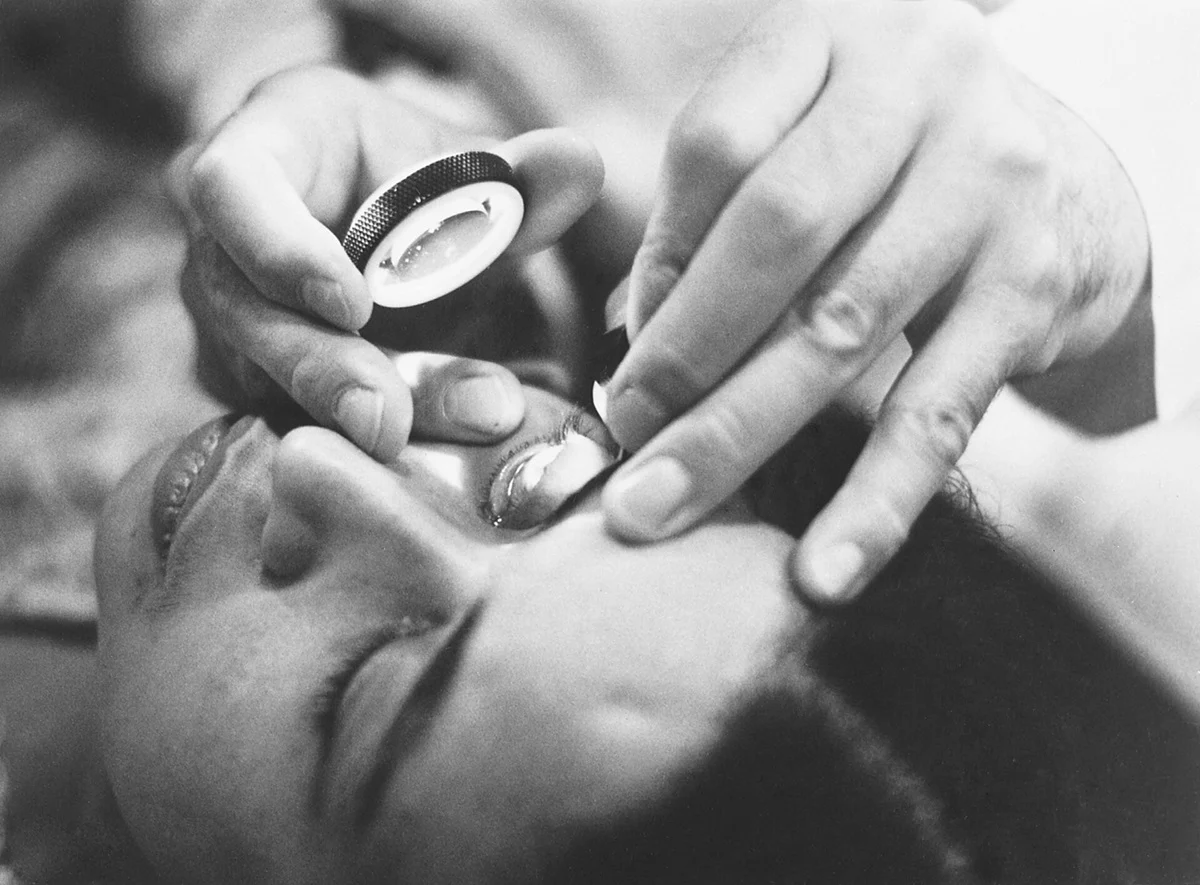
Trachoma is a devastating eye disease caused by the bacterium Chlamydia trachomatis. The infection is transmitted through direct or indirect contact with eye and nose discharges from infected people, particularly young children who serve as the main reservoir of infection. These discharges can be spread by hands, shared clothing, or eye-seeking flies (Musca sorbens). In areas where trachoma is endemic, repeated infections over many years lead to severe scarring of the inner eyelid. This scarring eventually causes the eyelashes to turn inward, a painful condition known as trachomatous trichiasis (TT). If left untreated, the constant friction of the lashes against the cornea leads to irreversible corneal opacities and permanent blindness.
The Global Burden and the Significance of Algeria’s Success
Globally, trachoma remains a significant threat to public health, particularly in impoverished and marginalized communities. According to the latest epidemiological data, the disease is still endemic in 30 countries and is responsible for the visual impairment or blindness of approximately 1.9 million people. Furthermore, recent figures indicate that 97 million people continue to live in trachoma-endemic areas, remaining at high risk of losing their sight.
In this global context, Algeria’s success provides a blueprint for other nations grappling with neglected tropical diseases (NTDs). The elimination of trachoma in Algeria reflects a broader trend of progress in the African Region, which carries the highest burden of the disease. By meeting the rigorous criteria set by the WHO, Algeria has demonstrated that even long-standing endemic challenges can be overcome through sustained political will, multi-sectoral coordination, and the implementation of evidence-based strategies.
Dr. Tedros Adhanom Ghebreyesus, WHO Director-General, lauded the achievement, stating, "Algeria’s elimination of trachoma is a historic triumph that connects the past, present, and future of public health, and is rooted in a century-long commitment. This milestone proves that with sustained political will and on-the-ground leadership from committed health professionals, we can eliminate neglected tropical diseases and build a healthier, more resilient future for all."
A Century of Medical Mobilization: The Chronology of Progress
The history of Algeria’s fight against trachoma is intertwined with the evolution of its modern healthcare system. The groundwork for this victory was laid in the early 20th century, specifically with the establishment of the Pasteur Institute of Algeria in 1909. During this colonial era, the institute began investigating the prevalence of eye diseases and identifying the environmental factors contributing to their spread.
Following the nation’s independence, the mission to eradicate trachoma was taken up with renewed vigor by Algerian medical professionals. Leading this charge was Professor Mohamed Aouchiche, whose pioneering work in ophthalmology helped shape the national response. A critical turning point occurred in 1974 when the Algerian government established a national public healthcare system that provided medical services free of charge to all citizens. This policy of universal health coverage ensured that even the most vulnerable populations in remote areas could access diagnosis and treatment for eye infections.
The strategy intensified in the 21st century. Between 2013 and 2015, the Ministry of Health implemented a targeted three-year strategy aimed at the final pockets of endemicity. This initiative led to the creation of a National Expert Committee, which focused specifically on 12 southern wilayas (provinces): Adrar, Laghouat, Biskra, Béchar, Tamanrasset, Ouargla, El Bayadh, Illizi, Tindouf, El Oued, Naama, and Ghardaïa. These regions, characterized by their arid climates and historical challenges in water access, were the last frontiers in the battle against the disease.
Implementing the SAFE Strategy
Algeria’s success is attributed to the meticulous application of the WHO-recommended SAFE strategy. This comprehensive approach addresses both the immediate medical needs of infected individuals and the underlying environmental conditions that facilitate the transmission of Chlamydia trachomatis. The SAFE strategy consists of four pillars:
- Surgery (S): To treat the late, blinding stage of the disease (trachomatous trichiasis). Algerian surgeons performed thousands of corrective procedures to prevent corneal damage in patients whose eyelids had already begun to turn inward.
- Antibiotics (A): The mass administration of antibiotics, primarily azithromycin, was used to clear the pool of infection within communities. This required extensive logistical coordination to reach nomadic and rural populations in the southern provinces.
- Facial Cleanliness (F): Public awareness campaigns were launched to educate families on the importance of personal hygiene. Encouraging regular face-washing, particularly among children, significantly reduced the transmission of the bacteria.
- Environmental Improvement (E): The Algerian state invested heavily in infrastructure to improve access to clean water and sanitation. By reducing the presence of flies and improving waste management, the environmental reservoir for the disease was effectively diminished.
The Path to Validation: Rigorous Surveys and Evidence
The journey toward WHO validation required rigorous scientific proof that the disease was no longer a public health threat. In 2022, Algeria conducted a series of WHO-compliant surveys across the previously endemic wilayas. These surveys were designed to measure two key indicators: the prevalence of active trachoma in children aged 1–9 years and the prevalence of trachomatous trichiasis (TT) in adults aged 15 years and older.
The results confirmed that the elimination threshold for active trachoma had been achieved in all surveyed areas. While the TT threshold was initially met in most regions, three specific areas required further intervention. To ensure no one was left behind, health authorities conducted door-to-door screenings and case management in these final zones. This exhaustive effort ensured that the criteria for TT elimination were met nationwide.
In December 2025, the Ministry of Health of Algeria compiled a comprehensive dossier detailing these efforts and outcomes. The dossier highlighted the country’s well-functioning school health system, its robust health information system, and the extensive coverage of specialized eye care services as the pillars that would prevent the disease from returning.
Leadership and Multi-sectoral Coordination
The success of the program was bolstered by high-level political commitment and the dedication of thousands of healthcare workers. Professor Mohamed Seddik Ait Messaoudene, Algeria’s Minister of Health, emphasized the collective nature of this victory. "WHO’s validation marks the culmination of sustained efforts, exemplary multisectoral coordination, and enduring commitment," he said. "It attests to our country’s capacity to meet the most rigorous public health standards—standards grounded in prevention, equitable access to care, and the improvement of living conditions."
Dr. Mohamed Janabi, WHO Regional Director for Africa, noted the profound socio-economic impact of this achievement. "Trachoma devastates individuals and communities profoundly, with blindness or visual impairment causing painful economic and livelihood loss. The milestone by Algeria is a major achievement that transforms the health and well-being of children, women, and entire families."
Broader Implications for Neglected Tropical Diseases
Trachoma is the first neglected tropical disease (NTD) to be officially eliminated in Algeria. This success places Algeria among the 62 countries globally that have eliminated at least one NTD, showcasing the feasibility of the goals set forth in the WHO’s 2021–2030 roadmap for neglected tropical diseases.
NTDs comprise a group of 21 conditions that disproportionately affect impoverished communities in tropical and subtropical regions. These diseases often lead to social stigma, lost educational opportunities, and reduced economic productivity. Algeria’s triumph over trachoma serves as a catalyst for the country’s efforts to tackle other NTDs and infectious diseases, proving that a combination of clinical intervention and social development is the most effective path forward.
Sustaining the Victory: Post-Validation Surveillance
While the validation marks the end of trachoma as a public health problem, the WHO and the Algerian government agree that the work is not entirely finished. To prevent a resurgence of the disease, Algeria has committed to a period of post-validation surveillance. This involves the continued monitoring of formerly endemic populations, particularly through the existing school health infrastructure.
The WHO is currently providing technical assistance to help Algeria’s health authorities integrate trachoma monitoring into the broader national disease surveillance system. By maintaining a high index of suspicion and ensuring that specialized eye care remains accessible, Algeria aims to ensure that the "silent thief of sight" never returns to its borders.
The elimination of trachoma in Algeria stands as a beacon of hope for the remaining 30 endemic countries. It demonstrates that with a century of dedication, a decades-long commitment to universal healthcare, and the strategic application of modern medical protocols, the goal of a world free from preventable blindness is within reach.
