
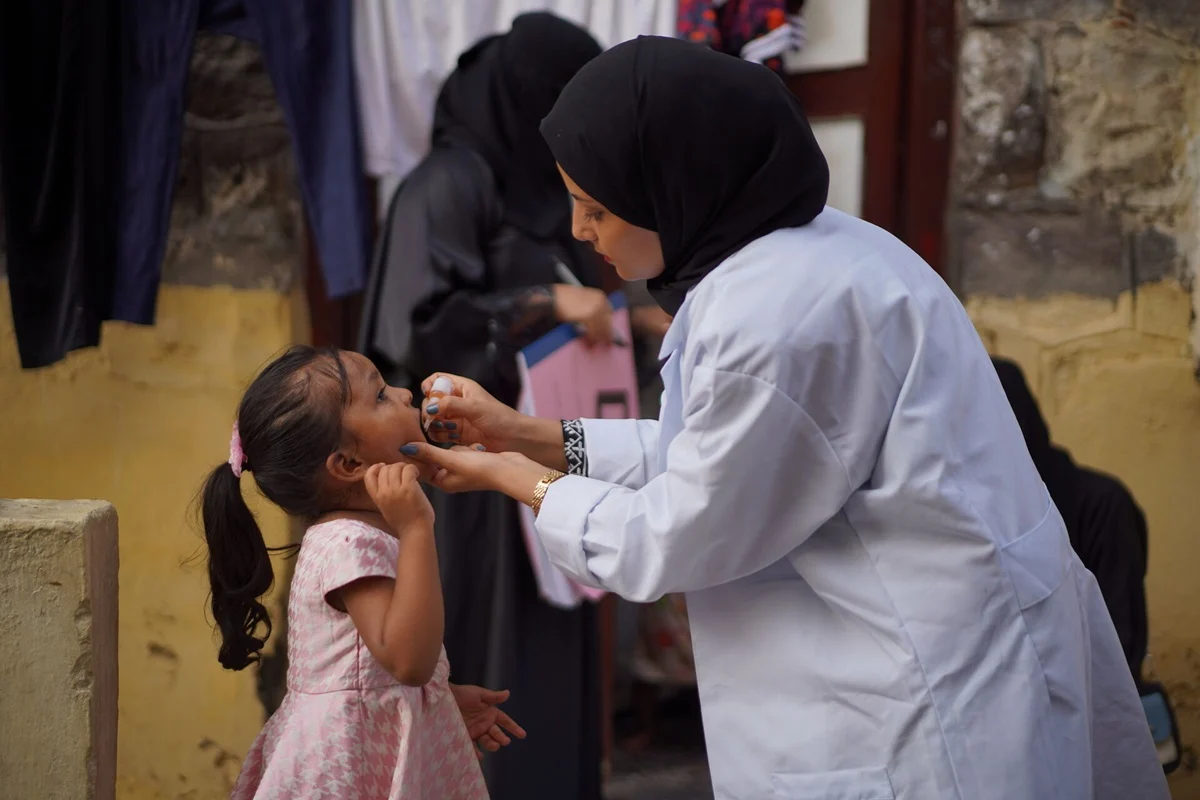
In a landmark achievement for global public health, a multi-year, international coalition has successfully delivered more than 100 million doses of life-saving vaccines to children who missed critical immunizations during the height of the COVID-19 pandemic. The initiative, known as The Big Catch-Up (BCU), has reached an estimated 18.3 million children between the ages of 1 and 5 across 36 priority countries. Announced by Gavi, the Vaccine Alliance, the World Health Organization (WHO), and UNICEF at the commencement of World Immunization Week 2026, the results signal a significant narrowing of the immunity gaps that have left millions of children vulnerable to preventable diseases for over half a decade.
The program, which concluded its primary implementation phase on March 31, 2026, focused heavily on "zero-dose" children—those who have not received a single vaccine dose—and those who are under-immunized. Of the 18.3 million children reached, approximately 12.3 million were identified as zero-dose cases. Furthermore, 15 million children received their first-ever measles vaccination through the program, while 23 million doses of inactivated polio vaccine (IPV) were administered to bolster global eradication efforts. While final data aggregation continues, the initiative is currently forecasted to meet its ambitious goal of reaching at least 21 million un- and under-immunized children by the time all reporting is finalized.
The Genesis of the Crisis: Pandemic-Driven Backsliding
The Big Catch-Up was conceived as a direct response to the most significant sustained backsliding in childhood immunization in a generation. Between 2020 and 2022, the COVID-19 pandemic caused unprecedented disruptions to global health systems. Supply chains were severed, health workers were diverted to pandemic response, and lockdowns prevented families from accessing routine clinics. By the end of 2021, global immunization coverage had dropped to levels not seen since 2008, leaving an estimated 25 million children missing out on one or more doses of the DTP (diphtheria, tetanus, and pertussis) vaccine in a single year.
This "immunization gap" created a ticking time bomb for public health. Diseases like measles, polio, and yellow fever do not respect borders, and the decline in herd immunity led to a resurgence of outbreaks in regions that had previously been stable. Recognizing that routine systems alone could not clear the backlog of millions of "older" children—those who had aged out of the standard infant vaccination window—Gavi, WHO, and UNICEF launched the BCU in 2023 to systematically target the 1-to-5-year-old cohort.
A Strategic Shift: Targeting the Older Cohort
Historically, global immunization programs have focused almost exclusively on infants under the age of one. However, the unique circumstances of the pandemic necessitated a paradigm shift. The Big Catch-Up represented the first time that routine immunization systems were systematically leveraged to reach children up to five years old on a global scale.
By expanding the age eligibility for vaccines, the BCU allowed health systems to capture the "missed generation" of the pandemic years. This required more than just additional vaccine vials; it necessitated a complete overhaul of local health policies. Participating countries had to update their national guidelines to allow for catch-up vaccinations in older children and retrain thousands of frontline health workers to screen and vaccinate children outside the traditional infant age bracket.
Statistical Achievements and Geographic Focus
The initiative concentrated its resources on 36 countries across Africa and Asia, which collectively account for 60% of the world’s zero-dose children. These nations often face intersecting challenges, including conflict, displacement, and fragile health infrastructure, all of which were exacerbated by the pandemic.
The results from individual nations underscore the scale of the effort:
- Ethiopia: As one of the program’s standout successes, Ethiopia reached more than 2.5 million zero-dose children with the DTP1 vaccine. The country also administered nearly 5 million doses of IPV and over 4 million doses of the measles vaccine.
- Nigeria: In Africa’s most populous nation, the BCU reached 2 million zero-dose children with DTP1 and administered 3.4 million doses of IPV, alongside millions of other essential vaccines.
- High-Performance Nations: Twelve countries, including Burkina Faso, the Democratic People’s Republic of Korea, Kenya, Madagascar, Mauritania, Niger, Pakistan, Somalia, Togo, Tanzania, and Zambia, reported reaching more than 60% of their identified zero-dose children under the age of five.
Beyond these 36 primary recipients of Gavi funding and technical assistance, dozens of other countries self-funded similar catch-up activities, inspired by the BCU framework to recover their own immunization service levels.
Operational Innovations and Systemic Strengthening
The Big Catch-Up was designed not just as a temporary campaign, but as a catalyst for long-term health system resilience. To find children in the hardest-to-reach communities, the program utilized innovative technologies and community-based strategies:
- Biometrics and Digital Tracking: In several regions, digital tools were used to register children and track their vaccination status, ensuring they completed the full series of required doses.
- Logistical Innovations: Gavi’s support included the use of cold-chain technology and, in some remote areas, drone delivery to ensure vaccine potency in tropical climates and underserved rural zones.
- Community Engagement: Civil society organizations and local leaders were recruited to combat vaccine hesitancy, which has risen in some regions due to pandemic-era misinformation. By engaging with trusted local voices, the program successfully identified children in "urban slums" and remote "last-mile" villages.
Official Perspectives from Global Health Leaders
The success of the initiative has drawn praise from the heads of the world’s leading health organizations, though their statements remain tempered by the challenges that lie ahead.
Dr. Sania Nishtar, CEO of Gavi, the Vaccine Alliance, emphasized the collaborative nature of the project. "As the largest ever international effort to reach missed children with life-saving vaccines, the Big Catch-Up shows what is possible when governments, partners and communities work together to protect the most vulnerable in society," she stated. She noted that the initiative has not only protected millions of individuals but has also fortified the collective immunity of entire communities.
WHO Director-General Dr. Tedros Adhanom Ghebreyesus highlighted the program’s role in pandemic recovery. "By protecting children who missed out on vaccinations because of disruptions to health services caused by COVID-19, the Big Catch-Up has helped to undo one of the pandemic’s major negative consequences," he said. He credited the success to the resilience of health workers who are now better equipped to integrate catch-up services into routine care.
UNICEF Executive Director Catherine Russell issued a call for sustained investment. "Vaccinations save lives," Russell noted. "We’ve caught up with some of the children who missed routine vaccinations during the pandemic—but many more remain out of reach. The gains made through the Big Catch-Up must be sustained through investment in strong, reliable immunization systems, especially at a time where measles is resurging."
The Persistent Challenge: The Zero-Dose Gap
Despite the achievements of the BCU, global health agencies warn that the battle is far from over. In 2024, an estimated 14.3 million infants under the age of one failed to receive even a single vaccine dose through routine services. While the BCU addressed the backlog of older children, the "annual inflow" of zero-dose infants remains a critical concern.
The difficulty of reaching these children is compounded by a global landscape of "polycrisis." Conflict and displacement in regions like the Sahel, the Middle East, and parts of Eastern Europe have created mobile populations that are difficult for traditional health services to track. Furthermore, funding cuts in the wake of the pandemic and strained national budgets have put many immunization programs at risk of stagnation.
The Measles Resurgence: A Warning Signal
The urgency of the BCU’s mission is perhaps most visible in the current measles crisis. Measles is often described by epidemiologists as the "canary in the coal mine" for health systems because it is highly contagious and outbreaks occur quickly when vaccination coverage drops.
In 2024, measles cases surged to approximately 11 million globally. The number of countries experiencing large or disruptive outbreaks has nearly tripled since 2021. This resurgence is attributed to persistent gaps in routine immunization and a decline in vaccine confidence in previously high-coverage areas. The 15 million measles doses delivered via the BCU are a critical intervention, but experts argue that 95% coverage is required to prevent outbreaks—a target that many nations are still struggling to meet.
Looking Toward 2030: Sustainability and Routine Immunization
As World Immunization Week 2026 continues under the theme "For every generation, vaccines work," the focus is shifting toward the midpoint of the Immunization Agenda 2030 (IA2030). The goal of IA2030 is to reduce the number of zero-dose children by 50% by the end of the decade.
The Big Catch-Up serves as a bridge to Gavi’s 2026–2030 strategy (Gavi 6.0), which prioritizes reaching zero-dose children in the most fragile and conflict-affected settings. The consensus among health experts is that while large-scale catch-up campaigns are effective for clearing backlogs, they are resource-intensive and cannot replace the efficiency of a robust routine immunization system.
The path forward requires a transition from emergency response to sustainable domestic investment. By integrating the lessons learned from the BCU—such as the importance of community health workers and the need for flexible age-eligibility policies—nations can build systems that ensure no child is left behind, regardless of the global health climate. The 100 million doses administered through the Big Catch-Up represent more than just a statistical success; they represent a renewed global commitment to the principle that every child, everywhere, deserves the protection that vaccines provide.
