
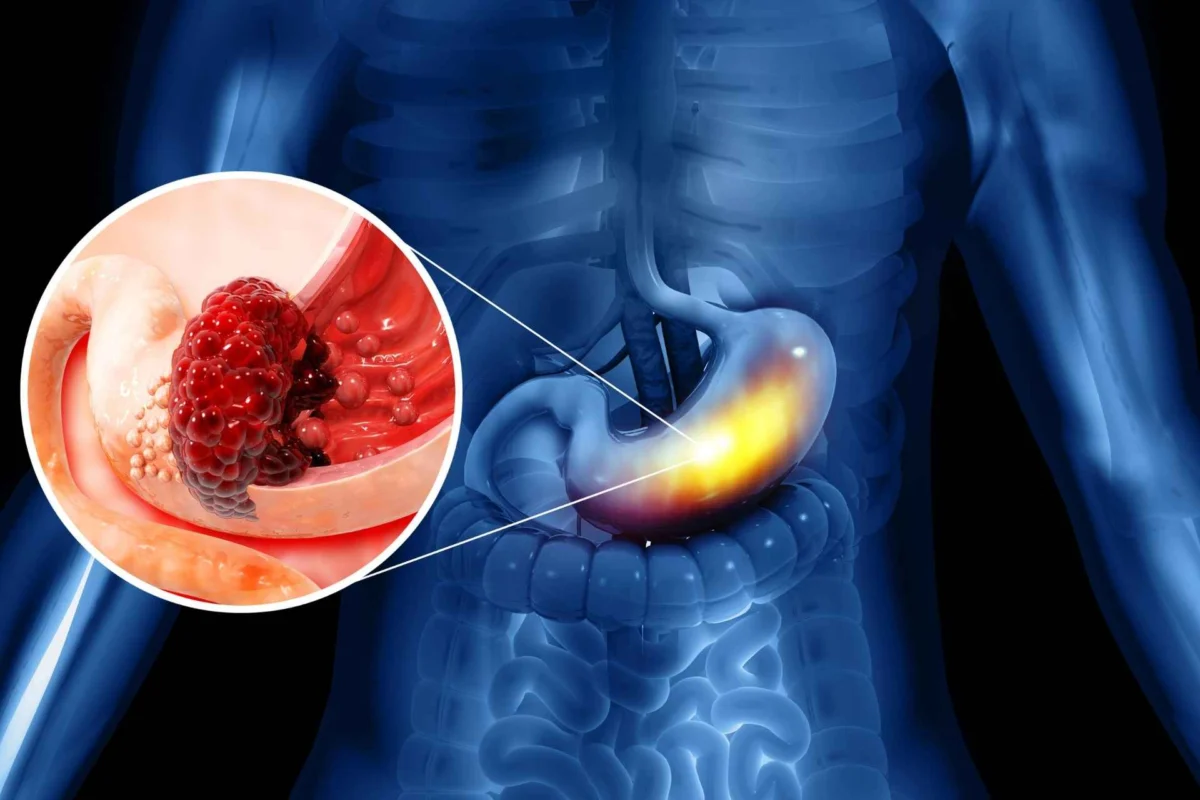
Gastric cancer, a highly aggressive malignancy of the digestive tract, remains one of the leading causes of cancer-related mortality worldwide, particularly in East Asia. While the advent of immunotherapy—specifically immune checkpoint inhibitors—has revolutionized the treatment landscape for various solid tumors, its efficacy in stomach cancer has been inconsistent, with many patients failing to respond or experiencing early relapse. However, a groundbreaking study published in the journal Cell Reports Medicine has identified a potential game-changer in the form of microscopic messengers released by gut bacteria. Researchers led by Xiang Yu at Southern Medical University in Guangzhou, China, have discovered that extracellular vesicles derived from a specific gut microbe, Ligilactobacillus salivarius, can significantly boost the immune system’s ability to clear gastric tumor cells, offering a promising new avenue for combination therapies.
The study highlights a sophisticated "microbial-macrophage axis," where bacterial extracellular vesicles (BEVs) act as biological delivery vehicles that reshape the tumor microenvironment. By activating specific immune cells and suppressing survival proteins within the cancer cells themselves, these tiny particles turn "cold" tumors—those that the immune system ignores—into "hot" tumors that are highly susceptible to immunotherapy. This discovery not only sheds light on the complex relationship between the human microbiome and oncology but also suggests that orally deliverable microbial adjuvants could soon become a standard component of gastric cancer treatment regimens.
The Global Burden and the Limits of Current Immunotherapy
To understand the significance of this study, it is essential to consider the broader context of gastric cancer. According to the World Health Organization’s International Agency for Research on Cancer (IARC), stomach cancer is the fifth most common cancer globally and the fourth leading cause of cancer death. In 2022 alone, over one million new cases were diagnosed, with a disproportionately high incidence in countries like China, Japan, and South Korea.
For decades, the standard of care involved surgical resection followed by chemotherapy or radiation. The introduction of immunotherapy, particularly drugs targeting the PD-1/PD-L1 pathway, offered hope for patients with advanced or metastatic disease. These drugs work by "releasing the brakes" on the immune system, allowing T cells to recognize and attack cancer. However, the success rate for gastric cancer immunotherapy remains modest, often hovering between 15% and 25% in unselected populations. The primary hurdle is the immunosuppressive nature of the gastric tumor microenvironment, which often excludes or exhausts the very immune cells required for the treatment to work.
Chronology of the Discovery: From Patient Samples to Molecular Mechanisms
The research team at Southern Medical University began their investigation by looking for differences in the gut and gastric microbiomes of patients who responded well to immunotherapy versus those who did not. This approach followed a growing body of evidence suggesting that the "oncobiome"—the collection of microbes living within or near tumors—plays a decisive role in cancer progression and treatment response.
The study followed a rigorous chronological progression:
- Clinical Observation: The researchers analyzed samples from 68 patients with gastric cancer. They found a striking correlation: patients who showed a positive response to immunotherapy had significantly higher levels of the bacterium Ligilactobacillus salivarius in their systems. Conversely, this bacterium was found to be depleted in tumor tissues compared to healthy gastric mucosa.
- In Vivo Testing: To verify if the bacterium was merely a marker or a functional driver of health, the team introduced L. salivarius into mouse models of stomach cancer. While the bacterium alone provided a slight reduction in tumor growth, the results were transformative when it was paired with anti-PD-1 therapy.
- Strain Identification: The team narrowed their focus to a specific strain, L. salivarius BNCC367991. They discovered that the primary therapeutic benefit was not coming from the live bacteria themselves, but from the extracellular vesicles (BEVs) they secreted.
- Molecular Dissection: Through lab-grown tumor models and proteomic analysis, the researchers identified a specific protein carried by these vesicles, known as 2,3-BdpM, which served as the key signaling molecule to alert the immune system.
Data Analysis: How L. salivarius Reshapes the Tumor Microenvironment
The quantitative data from the Southern Medical University study provides a compelling case for the efficacy of microbial adjuvants. In the mouse models, the combination of L. salivarius BEVs and immunotherapy led to a "dramatic improvement" in tumor clearance compared to the control groups.
A primary metric of success was the infiltration of CD8+ T cells, often referred to as "killer T cells." In tumors treated with the microbial vesicles, the concentration of these cells was significantly higher. Furthermore, the researchers observed a shift in the polarization of macrophages—white blood cells that can either promote or inhibit tumor growth. The BEVs encouraged the development of "M1-type" pro-inflammatory macrophages, which are active in killing cancer cells, while reducing the prevalence of "M2-type" macrophages that typically help tumors evade the immune system.
The study also delved into the direct impact on cancer cell viability. Beyond just stimulating the immune system, the BEVs were found to suppress a specific protein within the gastric cancer cells that is vital for their survival and proliferation. At high doses, the bacterial vesicles demonstrated the ability to directly induce apoptosis (programmed cell death) in cancer cells, independent of the immune system’s involvement. This dual-action mechanism—direct toxicity to cancer and indirect activation of immunity—makes the L. salivarius vesicles a potent multi-pronged weapon.
Scientific and Official Responses to the Findings
While the study was primarily laboratory-based, the oncology community has viewed the results with cautious optimism. Experts in the field of the microbiome and cancer, such as those involved in previous fecal microbiota transplant (FMT) trials for melanoma, suggest that this research provides a much-needed mechanistic explanation for why some patients thrive on immunotherapy while others do not.
In the published report, the authors stated, “These findings describe a microbial-macrophage axis that enhances gastric cancer immunotherapy and highlights the translational potential of orally deliverable microbial adjuvants.” This statement underscores a shift in how researchers view the microbiome: moving away from general "gut health" toward specific, targeted molecular therapies derived from bacteria.
Inferred reactions from the pharmaceutical sector suggest a growing interest in "postbiotics"—the non-viable bacterial products like BEVs—as they are easier to standardize, store, and dose than live probiotics. Clinical researchers at Southern Medical University have indicated that the next logical step is to move toward Phase I clinical trials to ensure the safety and efficacy of these bacterial proteins in human subjects.
Broader Implications for the Future of Cancer Treatment
The implications of this research extend far beyond gastric cancer. The discovery of the 2,3-BdpM protein and its role in macrophage activation suggests a biological pathway that could potentially be exploited in other types of "cold" tumors, such as pancreatic or colorectal cancer.
One of the most significant advantages of using bacterial extracellular vesicles is their delivery method. Unlike many cancer treatments that require intravenous infusion, BEVs have the potential to be delivered orally. Because they are nano-sized and naturally produced by gut bacteria, they are better equipped to survive the acidic environment of the stomach and interact directly with the gastric lining where many tumors originate.
Furthermore, this study supports the movement toward personalized oncology. By screening a patient’s microbiome at the time of diagnosis, doctors may eventually be able to predict immunotherapy success or prescribe a specific microbial "primer" to ensure the patient’s immune system is primed for the drugs.
Conclusion and Future Outlook
The study led by Xiang Yu and his colleagues represents a significant leap forward in our understanding of the synergy between the microbiome and modern oncology. By identifying Ligilactobacillus salivarius and its extracellular vesicles as key players in the fight against stomach cancer, the researchers have provided a roadmap for improving the lives of thousands of patients who currently face a poor prognosis.
As the medical community moves toward a more integrated approach to cancer care, the "microbial-macrophage axis" will likely become a focal point of research. If the success seen in mice and lab models can be replicated in human clinical trials, the addition of tiny bacterial particles to the oncologist’s toolkit could transform gastric cancer from a devastating diagnosis into a manageable condition. The road from the laboratory to the clinic is long, but the signals from Southern Medical University suggest that the gut microbiome may hold the key to unlocking the full potential of the immune system in the war against cancer.
