
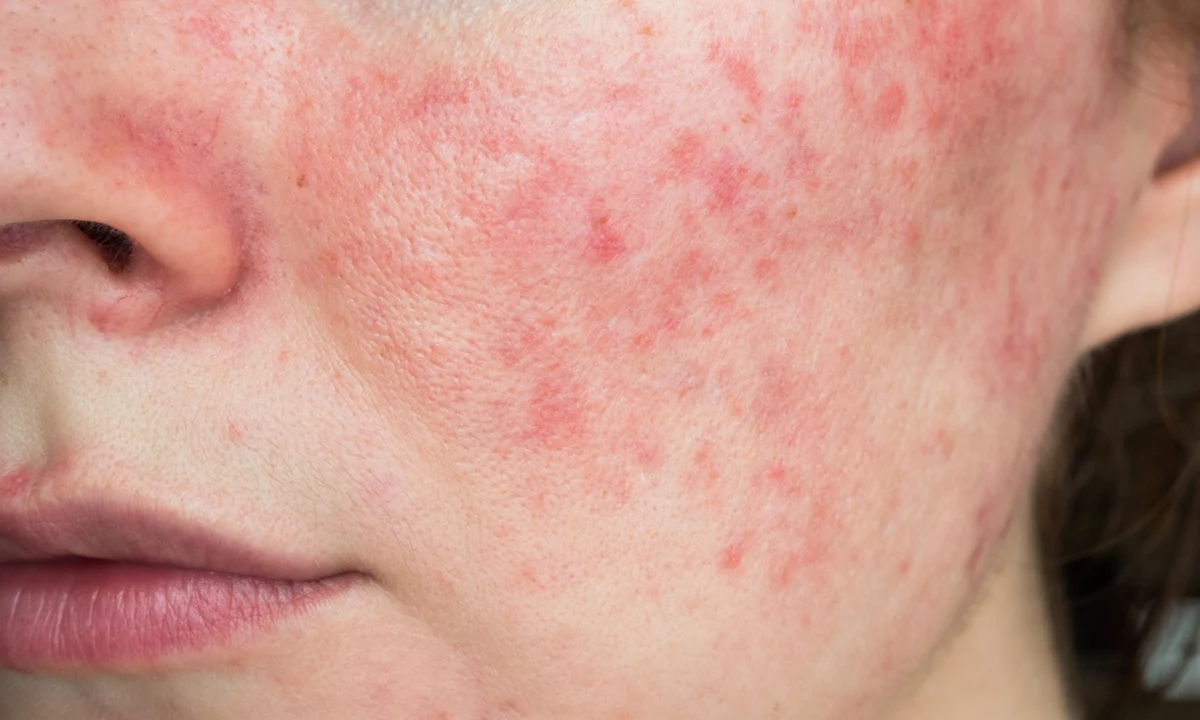
Recent clinical findings from the George Washington (GW) University School of Medicine and Health Sciences have provided a transformative perspective on dermatological health, establishing that sensitive skin syndrome (SSS) is a biologically distinct condition from rosacea. This pilot study, published in the prestigious Journal of the American Academy of Dermatology, challenges the long-held clinical assumption that sensitive skin is merely a precursor or a milder manifestation of rosacea. By identifying specific molecular and microbiological markers—or the lack thereof—researchers have cleared a path toward more precise diagnostic criteria and targeted therapeutic interventions for millions of individuals suffering from skin hyper-reactivity.
For decades, the medical community and the skincare industry have often conflated sensitive skin with the early stages of rosacea, a chronic inflammatory condition characterized by facial redness, visible blood vessels, and sometimes acne-like bumps. However, the GW research team, led by senior author Adam Friedman, MD, professor and chair of dermatology at GW, has demonstrated that the underlying biological drivers of these two conditions are fundamentally different. The study’s findings suggest that SSS should be categorized as a unique clinical entity, necessitating its own specialized approach to management and treatment.
The Scientific Foundation of the GW Pilot Study
The research focused on a cohort of 30 women between the ages of 30 and 50, a demographic most frequently affected by both sensitive skin and rosacea. To ensure the integrity of the data, the participants were categorized into those with self-reported and clinically confirmed sensitive skin and those with non-sensitive skin. The researchers employed a multi-faceted investigative approach, analyzing skin surface biomarkers and the presence of microorganisms typically associated with inflammatory skin diseases.
Central to the investigation was the analysis of Demodex mites. In patients with rosacea, Demodex folliculorum—a microscopic mite that lives in human hair follicles—is typically found in significantly higher densities than in healthy skin. These mites are known to trigger the skin’s innate immune system, leading to the inflammation and redness characteristic of rosacea. However, the GW study revealed a critical divergence: Demodex mites were present at the same rate in both the sensitive skin and non-sensitive skin groups. This absence of mite overgrowth in SSS participants suggests that the parasitic trigger common in rosacea does not play a primary role in sensitive skin syndrome.
Furthermore, the study examined the levels of specific antimicrobial peptides (AMPs), which serve as the skin’s first line of defense against pathogens. In rosacea patients, cathelicidin (specifically the LL-37 peptide) is usually found in elevated and abnormally processed forms, contributing to vascular changes and inflammation. Dermcidin, another antimicrobial peptide produced in the sweat glands, also plays a role in the skin’s immune response. In a surprising turn, the GW researchers found that both cathelicidin and dermcidin were significantly reduced in participants with sensitive skin syndrome compared to the control group. This reduction points toward a deficiency in the skin’s protective barrier and innate immune regulation, rather than the overactive inflammatory response seen in rosacea.
Chronology of Dermatological Understanding
The evolution of the "sensitive skin" diagnosis has been fraught with ambiguity. Historically, the term was often dismissed as a subjective complaint rather than a medical diagnosis.
- Late 20th Century: Dermatologists began to recognize "Sensitive Skin" as a common patient concern, though it was largely attributed to psychological factors or simple contact dermatitis.
- Early 2000s: Research into the skin barrier (the stratum corneum) suggested that sensitive skin was linked to increased transepidermal water loss (TEWL) and impaired lipid barriers. During this era, many clinicians began treating SSS as "pre-rosacea."
- 2010–2020: The rise of "clean beauty" and a surge in consumer reports of skin sensitivity led to a push for more rigorous scientific definitions. The International Forum for the Study of Itch (IFSI) defined SSS as a syndrome characterized by the occurrence of unpleasant sensations (stinging, burning, pain, pruritus, and tingling sensations) in response to stimuli that normally should not provoke such sensations.
- 2024: The GW University study provides the molecular evidence required to decouple SSS from rosacea, marking a significant milestone in the chronology of dermatological science.
Comparative Data: SSS vs. Rosacea
To understand the implications of the GW study, it is necessary to compare the biological profiles of both conditions based on the new data and existing dermatological literature.
| Feature | Rosacea (Standard Profile) | Sensitive Skin Syndrome (GW Study) |
|---|---|---|
| Demodex Mite Density | Significantly Elevated | Normal/Baseline |
| Cathelicidin (LL-37) | High/Overactive | Significantly Reduced |
| Dermcidin Levels | Variable/High | Significantly Reduced |
| Inflammatory Pathway | Innate Immune Overactivation | Barrier/Protective Deficiency |
| Primary Symptoms | Persistent Redness, Papules, Pustules | Stinging, Burning, Itching (often invisible) |
| Vascular Involvement | Telangiectasia (visible vessels) | Usually absent or minimal |
The reduction of antimicrobial peptides in SSS patients suggests that their skin is not "fighting" an invader (like Demodex) but is instead vulnerable due to a lack of natural protective agents. This distinction is vital for the development of topical treatments; while rosacea treatments often aim to suppress immune activity or kill mites, SSS treatments may need to focus on supplementing the skin’s natural defenses and repairing the barrier.
Expert Analysis and Official Responses
Adam Friedman, MD, emphasized that the distinction between these two conditions is not merely academic—it is a clinical necessity. "These findings further support our ongoing work that SSS is a unique skin condition, not simply a milder form of rosacea," Friedman stated. "This distinction matters because it can help clinicians avoid treatments that may not benefit sensitive skin patients and instead focus on over-the-counter and prescription therapies better aligned with the biology of the condition."
While the study is a pilot with a relatively small sample size, the dermatological community has reacted with cautious optimism. Inferred reactions from industry stakeholders suggest that this data could lead to a shift in how "sensitive skin" products are formulated and marketed. Currently, many products labeled for "sensitive skin" are essentially diluted versions of standard skincare or are marketed under the umbrella of rosacea care. If the biology is truly different, the industry may see a new wave of "pro-barrier" and "AMP-mimetic" products designed specifically to address the deficiencies identified in the GW study.
Furthermore, medical insurers and diagnostic coding systems may eventually need to reflect these findings. If SSS is recognized as a distinct biological syndrome with measurable biomarkers, it could transition from a subjective symptom to a reimbursable medical diagnosis, allowing patients better access to specialized care.
Implications for Treatment and Patient Care
The implications of this research extend directly to the pharmacy counter and the physician’s office. For years, patients with stinging or burning skin were often prescribed metronidazole, ivermectin, or azelaic acid—standard treatments for rosacea. However, for a patient with SSS who lacks Demodex overgrowth and has low antimicrobial peptide levels, these treatments might be ineffective or, in some cases, further irritate an already compromised skin barrier.
The GW study suggests that the future of SSS treatment may lie in:
- Barrier Repair Therapy: Utilizing ceramides, fatty acids, and cholesterol in specific ratios to compensate for the lack of natural protection.
- AMP Supplementation: Research into synthetic antimicrobial peptides or ingredients that stimulate the natural production of dermcidin and cathelicidin.
- Neuro-Sensory Modulation: Since SSS is often characterized by "unpleasant sensations" without visible inflammation, treatments targeting the nerve endings in the skin (TRPV1 receptors) may be more effective than traditional anti-inflammatories.
Broader Impact on the Skincare Industry
The global sensitive skin market is estimated to be worth billions of dollars, with a significant percentage of the population in developed nations claiming to have some form of skin sensitivity. This study provides a scientific "anchor" for a market that has long been criticized for using "sensitive skin" as a vague marketing term.
By identifying that SSS involves a reduction in peptides like dermcidin, the research opens the door for bio-tech beauty firms to develop targeted ingredients. It also provides a framework for more rigorous clinical testing of "sensitive skin" claims. Instead of simply testing for the absence of irritation, companies may eventually be required to show how their products interact with the specific biological markers identified by the GW team.
Future Research Directions
While the GW study provides a strong foundation, the researchers acknowledge that as a pilot study, further investigation is required. Future research will likely need to:
- Expand Sample Size: Test these findings across larger and more diverse populations, including men and various ethnic groups, to see if the biological markers remain consistent.
- Longitudinal Observation: Track participants over time to determine if those with low AMP levels eventually develop other dermatological conditions or if SSS remains a stable, lifelong state.
- Environmental Triggers: Investigate how external factors like pollution, UV radiation, and climate change interact with the low peptide levels found in SSS patients.
In conclusion, the George Washington University study marks a pivotal shift in dermatological philosophy. By proving that sensitive skin syndrome is biologically independent of rosacea, the research moves the medical community closer to a "precision medicine" approach for skin health. Patients who have long felt their symptoms were misunderstood or misdiagnosed now have scientific evidence validating their experience, paving the way for a new era of targeted, effective dermatological care.
