
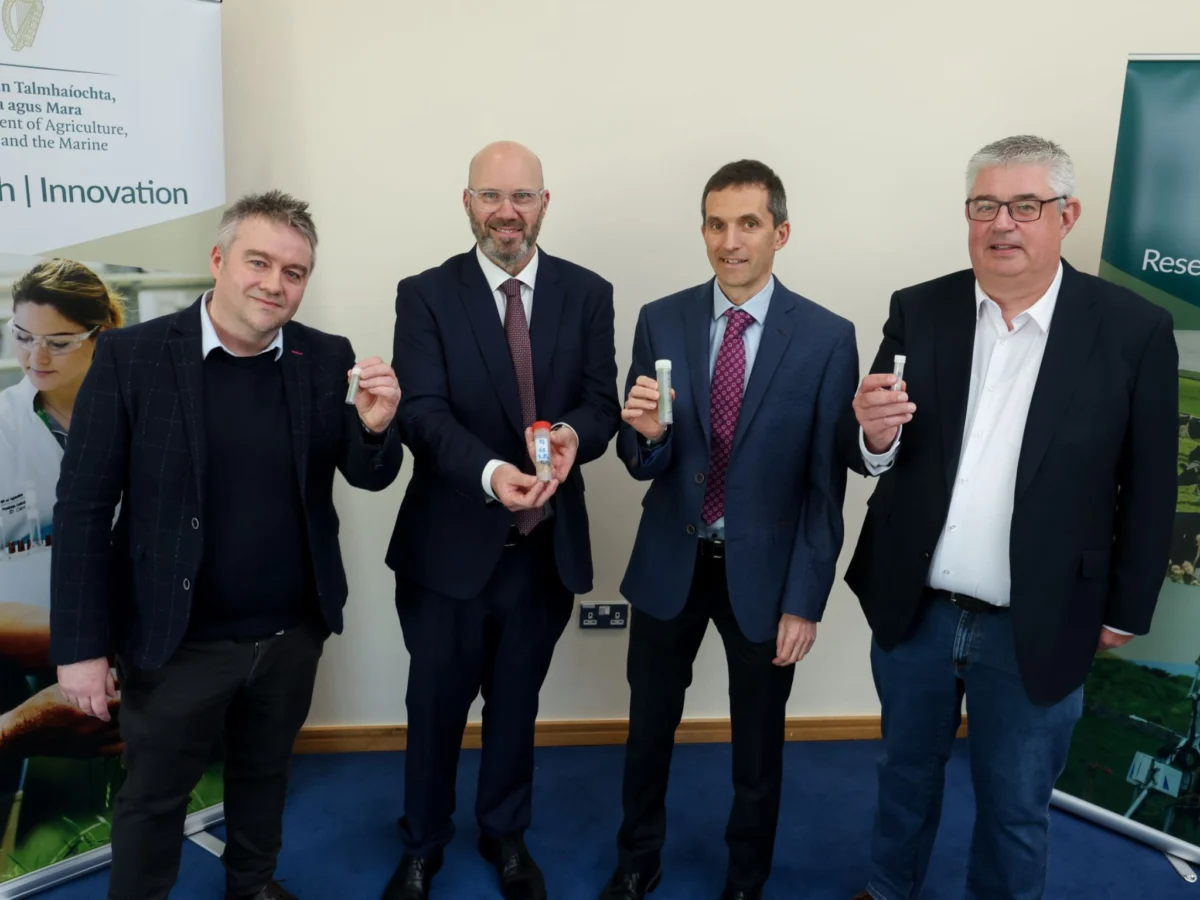
Munster Technological University (MTU) in Ireland has been awarded a significant €3 million (approximately $3.5 million USD) grant from the Irish Department of Agriculture, Food and the Marine to spearhead the development of advanced biorefinery technologies. This pivotal funding will fuel the Grass4Value project, an ambitious initiative aimed at transforming Ireland’s extensive grassland resources and bolstering its bioeconomy by converting grass and legumes into valuable protein sources. The project marks a crucial step in diversifying Ireland’s agricultural output and reducing reliance on imported feedstocks, positioning the nation at the forefront of sustainable protein production.
The Grass4Value project represents a collaborative effort involving leading Irish research institutions and agencies. Key partners include University College Dublin (UCD), the University of Galway, and Teagasc, the agrifood research and development authority. This network of expertise will leverage several newly established and operational demonstration and pilot-scale biorefinery sites across Ireland. These include MTU’s recently launched pilot biorefinery facility in County Kerry, the Green Biorefinery and Anaerobic Digestion demonstration facility at Farm Zero C in County Cork, and the National Bioeconomy Pilot Plant located in Lisheen, County Tipperary. The strategic placement of these facilities will enable robust testing, scaling, and validation of the developed technologies.
At its core, the Grass4Value project seeks to innovate the way Ireland utilizes its abundant grassland. Historically, Ireland has been recognized for its extensive pastures, with over 50% of its landmass dedicated to grassland, a unique characteristic within Europe. This project aims to harness this natural advantage, moving beyond traditional livestock grazing to extract high-value proteins and other co-products from grasses and legumes. The research will focus on developing sustainable protein concentrates as viable alternatives to imported soy, a common ingredient in animal feed. Furthermore, the project will explore the creation of "press cake fiber feed" for cattle, a byproduct that could further enhance the circularity of the process.
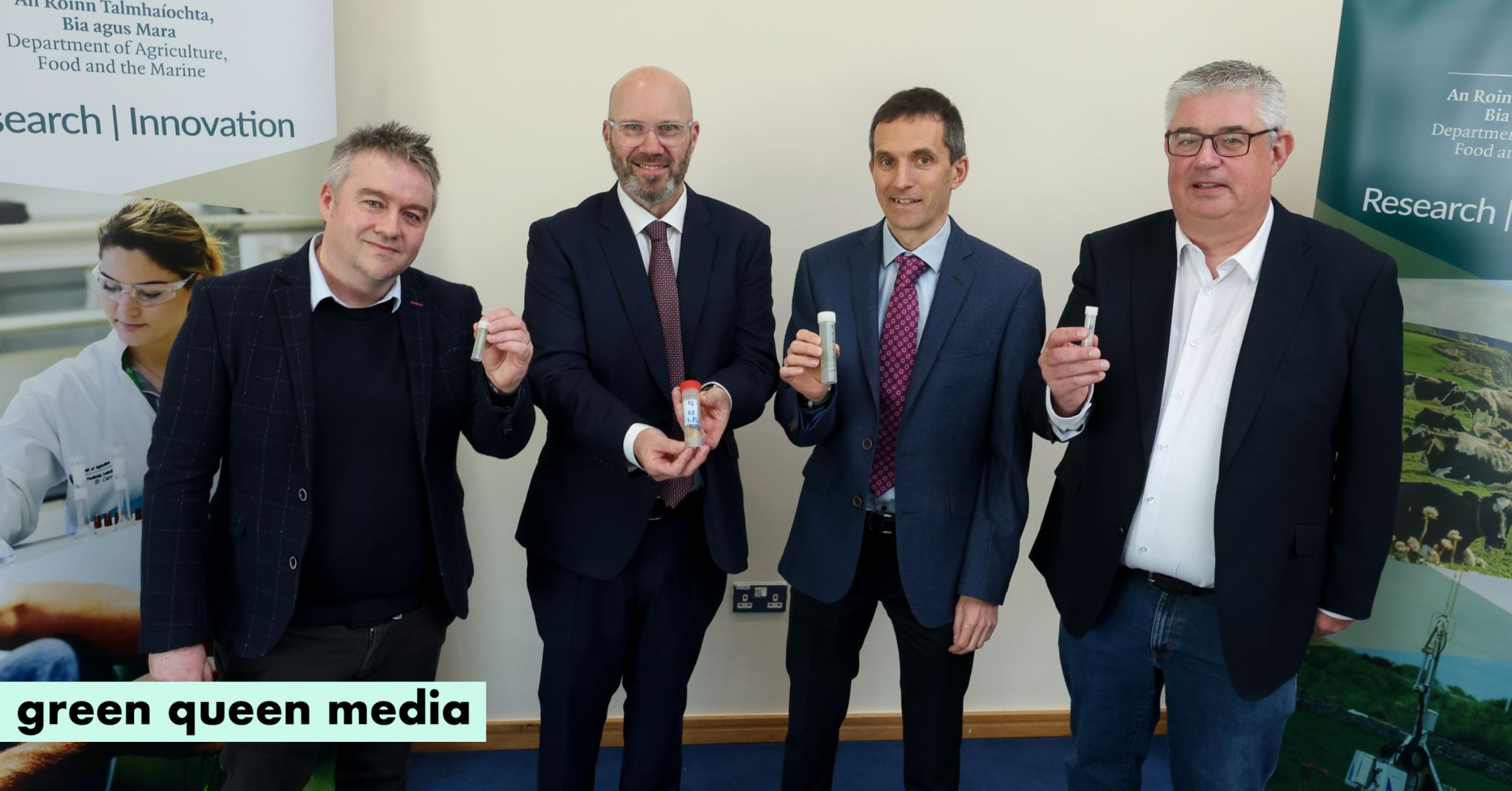
The implications of this research extend beyond animal feed. Scientists within the Grass4Value consortium will also advance and scale novel technologies for the extraction of high-value functional proteins and ingredients suitable for human consumption. This dual focus on animal feed and human food applications underscores the project’s ambition to create a comprehensive bio-economy model. The project will also delve into downstream processing techniques, including precision fermentation and anaerobic digestion. These methods are critical for refining the extracted components into high-quality food and feed ingredients, while simultaneously generating renewable energy and valuable nutrients from the residual streams.
Professor James Gaffey, the project coordinator and a co-director of MTU’s Circular Biology Research Group, articulated the project’s vision in a LinkedIn post, emphasizing its role in establishing a circular economy. "The residual streams from these processes will be converted to renewable energy and nutrients in a circular economy model," he stated. Professor Gaffey highlighted the project’s strategic importance in enhancing the resilience and robustness of Irish farming. "The approach aims to make farming in Ireland more resilient and robust in light of rising input costs and market volatility and other environmental and socio-economic pressures," he added, underscoring the economic and environmental drivers behind this innovative research.
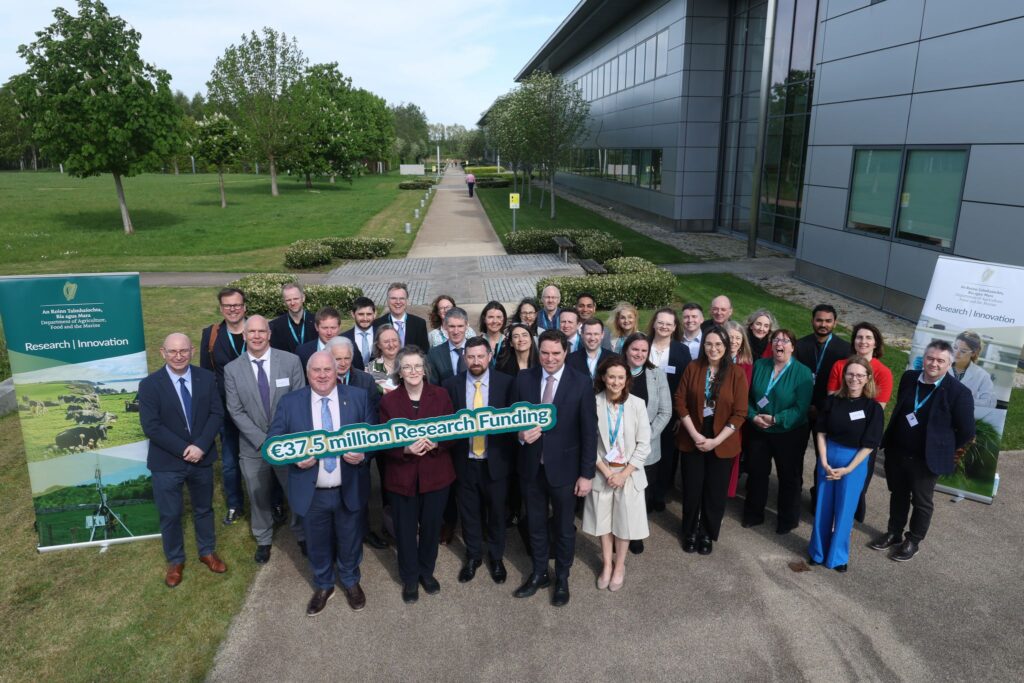
This substantial government investment aligns with Ireland’s broader strategy to champion sustainable proteins and advance its bioeconomy. The €3 million grant is part of a larger €37.5 million allocation by the Irish Department of Agriculture, Food and the Marine into agrifood, forest, and bioeconomy research. This comprehensive funding package demonstrates a strong commitment to fostering innovation and sustainability across multiple sectors. Within this broader outlay, other significant investments have been made, including a €732,000 grant to University College Cork for the development of novel functional foods targeting protein requirements in older adults and weight management cohorts. Additionally, University College Dublin received €1.57 million to support its initiatives in transitioning Ireland towards sustainable protein sources.
The establishment of MTU’s green biorefinery earlier this year laid the groundwork for the Grass4Value project. This facility has already demonstrated the feasibility of extracting proteins from grass, clover, and green leaves for livestock feed, alongside the production of other valuable byproducts. Professor Gaffey previously commented on Ireland’s unique position in this field: "As the only country in Europe with more than 50% grassland, Ireland is uniquely positioned to play a leading role in [the] development of green biorefining." He further emphasized the significance of the new pilot facility, stating, "This new pilot facility is the first of its kind in Ireland, and complements our excellent track record of research in this space. It offers a great platform for us to scale this research and test these innovation opportunities with industry."
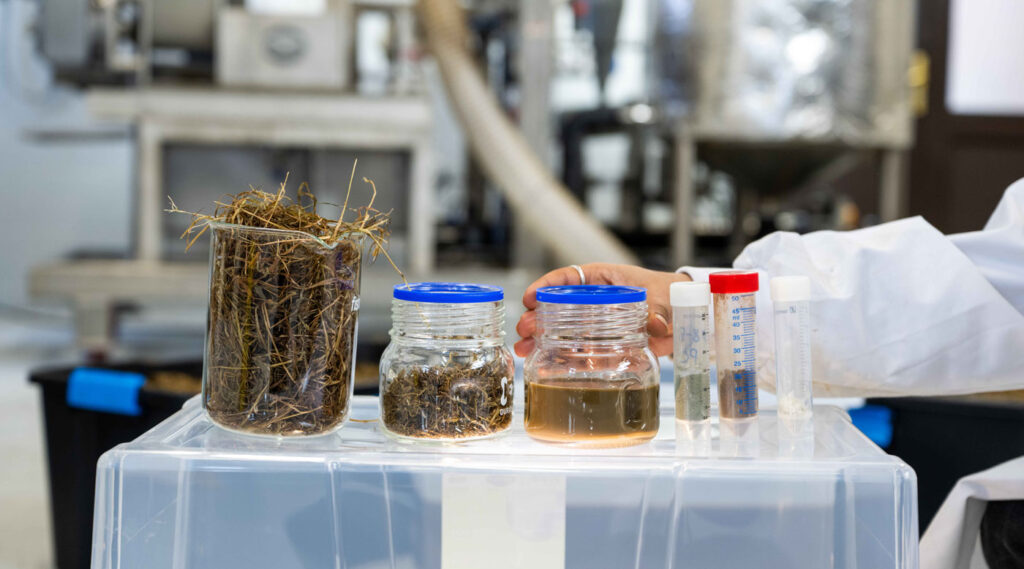
The potential economic and environmental benefits of the Grass4Value project are substantial. By developing domestic protein sources, Ireland can reduce its dependence on imported soy, which is often associated with deforestation and high transportation emissions. The project’s focus on a circular economy model, where byproducts are valorized into energy and nutrients, further enhances its sustainability credentials. This could lead to reduced waste, lower carbon footprints for agricultural operations, and a more stable and predictable supply chain for animal feed. For farmers, the development of new value chains from grassland could offer additional income streams and improve the economic viability of their operations, particularly in the face of fluctuating global commodity prices and increasing environmental regulations.
Professor Hugh McGlynn, VP for Research at MTU, underscored the university’s leadership in this area. "This investment reflects MTU’s leadership in bioeconomy research and builds on the success of our recently launched green biorefinery," he stated. "Through Grass4Value, we are working with national partners to unlock new opportunities for Irish agriculture, supporting farmers while contributing to climate and sustainability goals." This statement highlights the strategic alignment of the project with national objectives for climate action and sustainable development.
The timeline of this initiative is crucial. The funding secured now will enable the Grass4Value project to move from initial research and development phases into more advanced pilot and demonstration stages. This progression is vital for de-risking the technology and preparing it for commercial adoption. The collaboration with industry partners, facilitated by the pilot facilities, will be key to translating research findings into tangible benefits for the agricultural sector. The project’s success could pave the way for a significant shift in Ireland’s agricultural landscape, creating a more sustainable, resilient, and economically robust future for its farmers and the broader bioeconomy.
The role of precision fermentation in the project is particularly noteworthy. This advanced biotechnological process allows for the targeted production of specific proteins and compounds. By applying precision fermentation to grass and legume feedstocks, researchers aim to create highly functional ingredients that can be tailored for various applications, from specialized animal nutrition to novel human food products. This technology offers a sophisticated approach to unlocking the full potential of plant-based raw materials.
The broader context of global protein demand further underscores the importance of projects like Grass4Value. With a growing world population and increasing consumer demand for protein-rich diets, the need for sustainable and diverse protein sources is paramount. Traditional animal agriculture faces significant environmental challenges, prompting a global search for alternatives. Biorefining of plant biomass, particularly abundant resources like grass, offers a promising avenue for meeting this demand responsibly. Ireland’s commitment to this research positions it as a potential leader in this emerging field.
The involvement of multiple academic institutions and Teagasc ensures a multidisciplinary approach, drawing on expertise in fields ranging from plant science and biochemistry to process engineering and animal nutrition. This integrated strategy is essential for tackling the complex challenges associated with developing and scaling up biorefinery processes. The project’s success will not only benefit Ireland but also provide a blueprint for other grassland-rich nations seeking to enhance their bioeconomies and transition towards more sustainable food systems. The ongoing work at the demonstration sites will be crucial for gathering real-world data, optimizing processes, and building confidence among potential investors and adopters. The long-term vision is to create a thriving green biorefining sector that generates economic value, environmental benefits, and a more secure food future for Ireland.
