
The landscape of recreational running has undergone a significant evolution. Once characterized by informal gatherings of individuals seeking a shared physical activity, contemporary run clubs have transformed into meticulously orchestrated social events. These gatherings, often facilitated by platforms like Strava, seamlessly blend athletic pursuits with social interaction, frequently culminating in post-run coffee gatherings. A notable aspect of this shift is the heightened awareness of personal presentation, with attire becoming a discernible element of an individual’s participation and engagement within the group. This sartorial consideration is not merely superficial; it communicates an individual’s understanding and respect for the established norms and ethos of the running community. Arriving unprepared or with a disregard for these unspoken expectations can, therefore, lead to a noticeable disconnect, a departure from the subtle cues that signal belonging.
Understanding the Run Club Vibe: A Fusion of Fitness and Social Culture

Strava meet-ups occupy a unique intersection between the burgeoning fitness culture and established social dynamics. They are distinct from the competitive intensity of a formal race and the singular focus of a gym session. Instead, they foster an environment that is both athletic and curated, where personal presentation plays a crucial role in signaling one’s integration into the group. This visibility extends across multiple phases of the event: the pre-run introductions, the duration of the run itself, and the post-run social engagements, particularly when the group convenes for refreshments. Consequently, an individual’s chosen attire must effectively navigate these three distinct contexts. The guiding principle for selecting appropriate gear is straightforward yet paramount: functionality must precede aesthetic considerations, though both hold significant weight. An individual sporting a decade-old, visibly worn race t-shirt paired with ill-fitting cotton shorts might inadvertently convey a sense of afterthought or unpreparedness. Conversely, someone clad in a clean, thoughtfully assembled ensemble signals a serious commitment to the activity and an understanding of its social intricacies, irrespective of their actual running pace.
The communicative power of running attire is undeniable. A well-maintained, tasteful race t-shirt can be acceptable, but a faded t-shirt from a charity 5K event held years prior sends a distinctly different message. The clothing chosen serves as a silent ambassador, articulating an individual’s intentions and affiliation before any verbal interaction occurs. This underscores the importance of selecting pieces that resonate with the group’s collective identity and values.
The Essential Running Kit: A Top-to-Bottom Approach

While an overly complex approach to individual garment selection is unnecessary, each component of a running outfit plays a vital role in achieving the desired blend of functionality and style.
The Upper Layer: Technical Tees and Singlets
For the upper body, the optimal choice typically lies with technical tees or singlets crafted from lightweight, moisture-wicking fabrics. Neutral or muted color palettes are generally favored, contributing to a sophisticated and understated appearance. The prominence of brand logos should also be considered; while subtle branding is often acceptable, overly large or ostentatious logos can detract from the overall aesthetic, unless the brand itself carries a specific niche appeal that signals discerning taste rather than mere brand allegiance. Brands such as Satisfy Running, with their distinct trail-adjacent aesthetic, or a clean, minimalist Adidas Running tee, are often seen as landing well within this community. These choices not only perform admirably during a run but also contribute to a polished look for the social aspects of the meet-up.
For example, the Satisfy Running Moth Tech Tee, often available in subdued tones like aged black, offers a premium feel and technical performance suitable for both the run and the subsequent social gathering. Similarly, a Nike Miller Tee, featuring Dri-FIT technology, provides essential moisture management and a clean aesthetic that aligns with the contemporary running scene. The selection of these items reflects a conscious decision to invest in quality and style that complements the run club’s ethos.

The Lower Body: Performance Shorts
In terms of lower body wear, running shorts typically ranging from 5 to 7 inches in length are the standard. The presence of a built-in liner or compression inner is a matter of personal preference, offering varying levels of support and comfort. The key consideration here is to avoid garments that are excessively long, baggy, or bear a strong resemblance to athletic wear designed for other sports, such as basketball shorts, which can be perceived as indicative of a lack of familiarity with running-specific apparel. For instance, Adidas’s Own The Run shorts, often featuring a supportive liner, offer a practical and stylish option. Nike’s Dri-FIT Stride shorts, available in various lengths and with built-in briefs, also provide excellent performance and a streamlined look. These shorts are designed for optimal freedom of movement and breathability, essential for comfort during a run.
Footwear: Current and Well-Maintained Running Shoes
Footwear is a critical element, and the emphasis is on shoes that are current in design and meticulously maintained. While the allure of carbon-plated racing shoes might be present, they are not a prerequisite for participation. The primary concern is that the shoes appear modern and are in good condition. Brands like Hoka, with models such as the Clifton or Bondi, convey a sense of serious commitment to running without appearing overly flashy. Other reputable brands like On or Saucony also signal a runner’s informed choice and familiarity with quality running gear. The condition of the shoes is paramount; scuffed, dirty, or visibly worn-out footwear can detract significantly from an otherwise well-coordinated outfit. Regularly cleaning and maintaining running shoes ensures they project an image of dedication and care.
The Importance of Accessories: The Finishing Touches

Accessories are often the details that elevate a running outfit from merely functional to truly cohesive.
- Socks: The current standard for socks leans towards crew-length styles. White or off-white hues are generally preferred, and while subtle logos are acceptable, overly loud or garish designs are typically avoided. A simple, branded crew sock from a reputable athletic company like Nike Running can perfectly complement the overall ensemble.
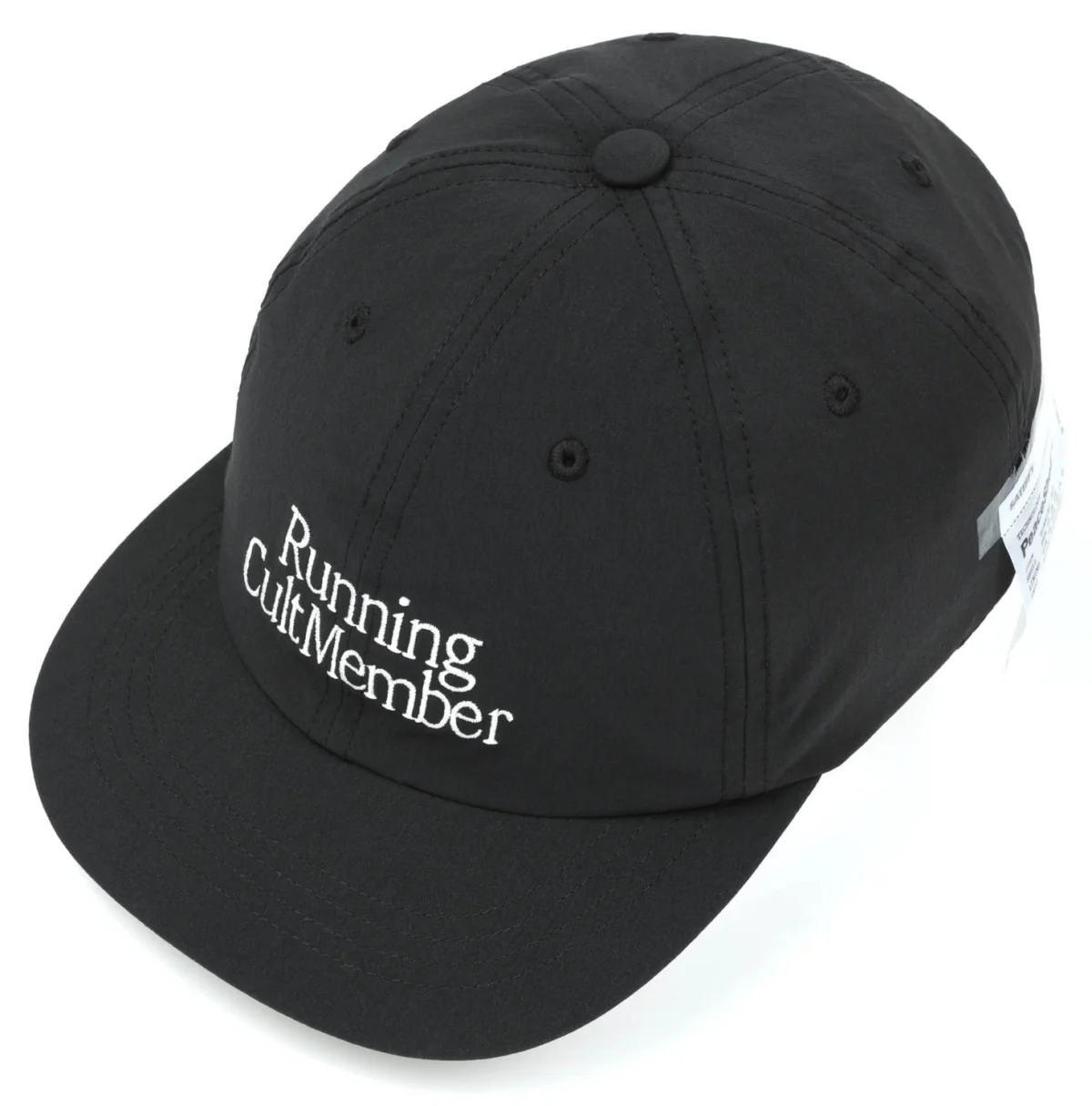
- Cap: A cap serves a dual purpose, offering both functional protection from the elements and an aesthetic contribution. A low-profile, technical cap is ideal. For instance, Satisfy Running’s PeaceShell cap is often cited as a benchmark for its blend of utility and cultural signaling. Such caps effectively shield the eyes from the sun and convey an understanding of the running community’s style. Fashion-oriented caps, with their exaggerated brims and less streamlined fits, can appear out of place during an actual run.
- Layering Piece: Packing a lightweight layering piece, such as a zip-up jacket, a shell, or an overshirt, is a practical consideration for both pre- and post-run wear. This item can complete the look when standing around before or after the run and provides essential warmth as temperatures drop following exertion.
The Style Layer: Personalizing Your Running Ensemble
The art of personalizing a running outfit lies in color discipline. A maximum of two to three colors is generally recommended to maintain a sophisticated appearance. Earth tones, monochromatic palettes, or soft, complementary color schemes are highly effective. An individual who attempts to coordinate every piece of their kit in neon hues may appear to be trying too hard, whereas someone opting for an all-black ensemble with a single, considered accent color often achieves a more polished and understated look.

The Formula for a Credible Run Meet Outfit:
- Top: An off-white technical tee, such as those offered by Satisfy Running or Adidas Running, provides a clean and functional base.
- Shorts: Black 5-inch lined shorts offer a versatile and performance-oriented choice.
- Shoes: Clean Hoka Clifton or On Cloudmonster models are excellent options, emphasizing a well-maintained appearance.
- Socks: White crew socks from brands like Nike Running or similar performance-oriented labels complete the look.
- Extras: A GPS watch from brands like Garmin or Coros signals a serious approach to performance. A cap is optional but can enhance the aesthetic. Performance sunglasses are advisable for sunny conditions.
Regarding wristwear, a GPS watch from Garmin, Coros, or even an Apple Watch, can subtly indicate a dedication to performance tracking. For eyewear, performance-oriented sunglasses are always the appropriate choice; oversized fashion sunglasses worn during a run can appear staged rather than functional.
Key Brands to Consider: Adidas Running, Satisfy Running, Hoka, Nike Running.

What Not to Wear: Avoiding Common Missteps
Understanding what to avoid is as crucial as knowing what to wear. Certain items and styles can detract from the desired impression.
- Overly Casual Cotton: Cotton t-shirts and shorts are generally unsuitable for running due to their poor moisture-wicking properties and tendency to become heavy and uncomfortable when wet.
- Basketball or Gym Shorts: These often appear too baggy and are designed for different types of athletic movement, signaling a lack of specific running attire.
- Faded or Inappropriate Graphics: T-shirts with excessively loud graphics, old race logos that are no longer relevant, or overtly casual slogans can appear out of place.
- Fashion-Forward Accessories: Items like oversized fashion sunglasses or non-performance-oriented headwear can misrepresent the intent of the gathering.
The Tone Note: Striking the Right Balance

The objective when dressing for a run club meet is to project an image of competence and belonging, without appearing as if it’s a first-time endeavor or an overly curated social media photoshoot. Both extremes are easily discernible and can create an unfavorable impression. The aim is to convey that you are a part of the community, not merely an observer or an amateur.
The Social Factor: Extending the Run Club Experience
The social dimension of run clubs extends beyond the physical act of running. The post-run coffee or gathering is an integral part of the experience. A lightweight layering piece, such as a stylish hoodie, an overshirt, or a jacket that transitions seamlessly from running attire to casual wear, is a simple yet highly effective upgrade. This allows individuals to comfortably engage in conversation and socialize after the exertion of the run.

In many running communities, individuals connect through shared aesthetic preferences as much as through their running pace. Therefore, dressing in a manner that aligns with the group’s visual identity can foster a sense of camaraderie and shared purpose.
Adapting to Weather Conditions
While specific attire recommendations are provided, it is essential to adapt them based on prevailing weather conditions. This might involve incorporating thermal layers for colder temperatures, windproof shells for blustery days, or lighter, more breathable fabrics for warmer climates. The principle of functionality remains paramount, ensuring comfort and performance regardless of external factors.

Confidence: The Ultimate Variable
Ultimately, the most impactful accessory for any run club meet is confidence. Wearing an outfit that you have previously run in and feel comfortable and assured in is paramount. Comfort is palpable, and its absence is equally noticeable. The goal is not to acquire the most expensive gear, but to make intentional choices. A thoughtfully assembled, mid-priced kit from brands like Hoka, Adidas Running, or Nike, which is clean, well-worn, and put together with care, will always make a better impression than an expensive, brand-new ensemble that appears unaccustomed.
The ultimate objective is not to impress individuals with the extravagance of one’s gear, but to present oneself as someone who understands the culture, is prepared for the activity, and participates with an appropriate level of self-awareness. As the editorial team at FashionBeans wisely notes, "Looking like you belong isn’t about copying others. It’s about understanding the culture and showing up prepared, comfortable, and self-aware." This encapsulates the essence of navigating the social and stylistic expectations of modern run clubs.
