
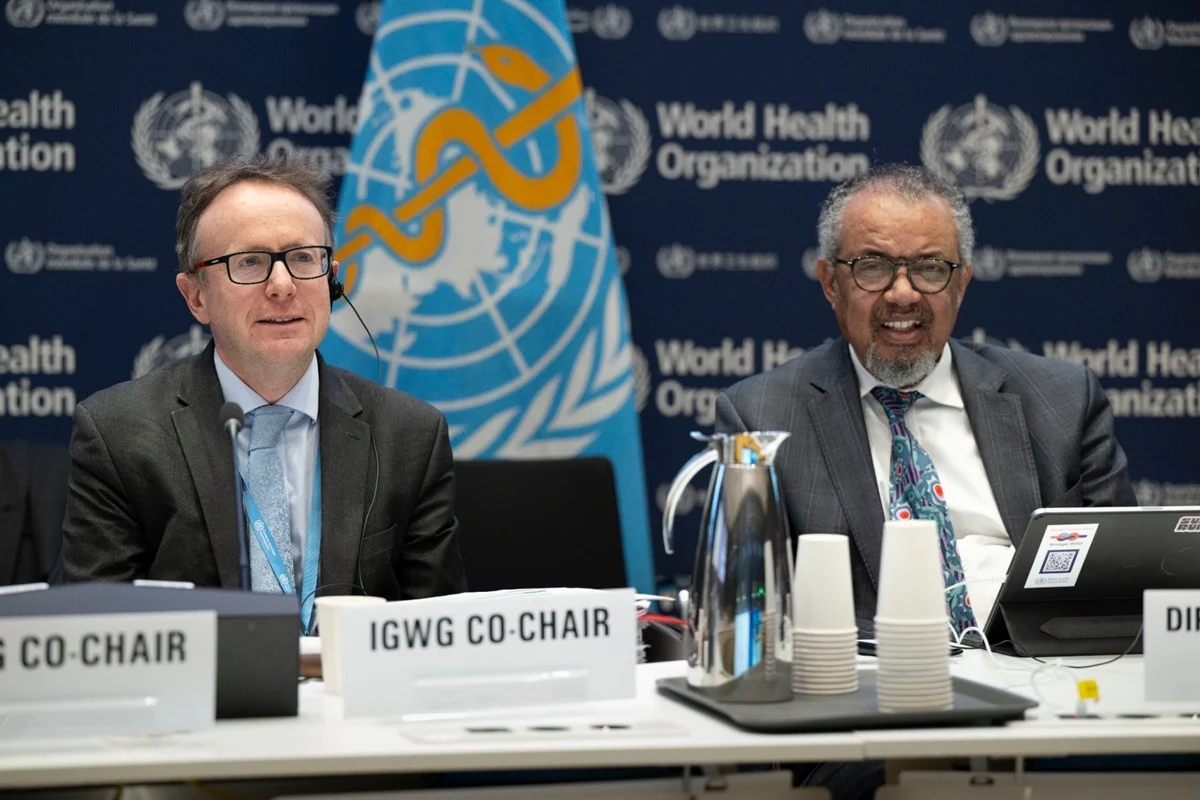
In a decisive move to salvage one of the most contentious elements of the proposed global pandemic treaty, Member States of the World Health Organization (WHO) have officially agreed to extend negotiations regarding the Pathogen Access and Benefit Sharing (PABS) annex. The decision, reached after a week of intensive deliberations in Geneva, sets the stage for a critical final push from April 27 to May 1. This extension is designed to bridge significant diplomatic gaps before the 77th World Health Assembly (WHA) convenes in May 2024, where the full Pandemic Agreement is slated for consideration and potential adoption.
The PABS system is widely regarded as the "engine room" of the Pandemic Agreement. It seeks to establish a permanent, legally binding framework for the rapid sharing of biological materials and genetic sequence data of pathogens with pandemic potential. In exchange, the system mandates the fair and equitable sharing of benefits derived from that data—most notably vaccines, diagnostics, and therapeutics. The current impasse reflects a long-standing tension in global health: the divide between the "Global North," which hosts the majority of the world’s pharmaceutical manufacturing capacity, and the "Global South," which often provides the primary data on emerging outbreaks but frequently lacks timely access to the resulting medical countermeasures.
The Genesis of the Pandemic Agreement
The push for a unified Pandemic Agreement began in the wake of the COVID-19 pandemic, which exposed profound vulnerabilities in global health infrastructure. During the height of the crisis, the world witnessed "vaccine nationalism," where wealthy nations secured the lion’s share of initial doses, leaving low- and middle-income countries (LMICs) at the back of the queue. According to WHO data, while some high-income countries reached 70% vaccination rates by mid-2021, many nations in Africa remained below 5%.
In December 2021, during a rare Special Session of the World Health Assembly, the 194 Member States of the WHO agreed to launch a global process to draft and negotiate a new convention, agreement, or other international instrument to strengthen pandemic prevention, preparedness, and response. The Intergovernmental Negotiating Body (INB) was established to spearhead this effort. The PABS annex emerged as a vital component of this document, aiming to institutionalize the lessons learned from the COVID-19 pandemic and the earlier 2014-2016 Ebola outbreak in West Africa.
Defining the PABS System: The "Grand Bargain"
The PABS system is built upon what diplomats call a "grand bargain." On one side, countries agree to share pathogen samples and genetic sequences through a WHO-coordinated network with speed and transparency. This is essential for scientists to develop vaccines and treatments quickly. On the other side, the "benefit-sharing" component requires that the manufacturers who use this data contribute back to the global health pool.
Key elements currently under negotiation include:
- Standard Material Transfer Agreements (SMTAs): Legal contracts that govern the transfer of pathogen materials and define the obligations of the recipients.
- The "20% Clause": A controversial proposal that would require manufacturers of pandemic-related products to reserve at least 20% of their production (10% as a donation and 10% at affordable, non-profit prices) for the WHO to distribute based on public health need.
- Monetary Contributions: Discussions regarding whether entities utilizing the PABS system should pay an annual fee or a percentage of sales into a fund dedicated to pandemic preparedness in developing nations.
Timeline of Negotiations and the Road to May
The journey to the current extension has been marked by several rounds of high-stakes diplomacy. Following the establishment of the INB in late 2021, the group held nine formal sessions. The most recent round, conducted under the Intergovernmental Working Group (IGWG), saw negotiators working late into the night to refine the text of the PABS annex.
- December 2021: WHA Special Session mandates the creation of the Pandemic Agreement.
- February 2022 – March 2024: Nine rounds of INB meetings held in Geneva, gradually moving from conceptual frameworks to line-by-line text negotiations.
- March 2024: Recognition that the PABS annex requires more specialized attention, leading to the current week of intensive IGWG talks.
- Late-April 2024: Newly scheduled session to finalize the PABS annex.
- May 2024: The 77th World Health Assembly, the ultimate deadline for the adoption of the agreement.
The decision to hold informal intersessional discussions leading up to the April 27 restart indicates that while the official sessions have paused, the diplomatic machinery remains in high gear. These informal talks are expected to focus on "bridging proposals" that could satisfy both the pharmaceutical industry’s concerns regarding intellectual property and the developing world’s demands for guaranteed access.
Perspectives from Leadership and Member States
The extension has been met with a mixture of cautious optimism and a sense of urgent responsibility. Dr. Tedros Adhanom Ghebreyesus, WHO Director-General, has been a vocal advocate for the agreement, frequently reminding Member States that the next pandemic is a matter of "when," not "if."
"The Pathogen Access and Benefit Sharing system lies at the heart of the WHO Pandemic Agreement," Dr. Tedros stated following the decision to extend talks. "I urge all delegations to believe in the power of trust—trust in one another, in our institutions, and in our shared ability to transcend differences for the common public good."
The leadership of the IGWG Bureau reflects the geographic and economic diversity of the negotiations. Ambassador Tovar da Silva Nunes of Brazil, representing the Bureau, emphasized the intensity of the work being done. "Member State negotiators are working towards having an ambitious and equitable Pathogen Access and Benefits Sharing annex ready for adoption," he noted. His counterpart, Mr. Matthew Harpur of the United Kingdom, echoed this sentiment, welcoming the commitment to find consensus on "outstanding areas" despite the looming deadline.
Supporting Data: The Cost of Inaction
The economic and human data surrounding pandemics provide a sobering backdrop to these negotiations. A report by the G20 High-Level Independent Panel estimated that the COVID-19 pandemic cost the global economy approximately $12.5 trillion through 2024. Furthermore, the investment required for global pandemic preparedness is estimated at roughly $10 billion to $15 billion per year—a fraction of the cost of a major outbreak.
From a public health perspective, the "access" side of PABS is critical. During the 2009 H1N1 influenza pandemic, it took months for vaccines to reach developing nations, by which time the peak of the virus had passed in many regions. The PABS system aims to ensure that "just-in-case" manufacturing and "just-in-time" delivery become the global standard, rather than the "me-first" approach seen in previous decades.
Challenges: Intellectual Property and Governance
Despite the progress, several "red line" issues remain. Developed nations, particularly those with large pharmaceutical sectors like the United States, the European Union, and Switzerland, have expressed reservations about any language that might undermine intellectual property (IP) rights. They argue that IP protections are the primary driver of innovation and that mandatory sharing could disincentivize companies from developing new vaccines.
Conversely, the Group of Equity (a coalition of developing nations) argues that without a legally binding requirement for benefit sharing, the PABS system will be a one-way street. They point to the Nagoya Protocol—an international treaty on biodiversity—as a precedent for the principle that those who provide genetic resources should share in the benefits of their use.
Governance also remains a sticking point. Negotiators are debating how the PABS system will be managed: Who will oversee the contracts with manufacturers? How will transparency be enforced? What happens if a country or a company fails to meet its obligations? The current draft suggests a WHO-managed PABS Secretariat, but the level of autonomy and funding for such a body is still under debate.
Broader Implications for Global Health Security
The outcome of the PABS negotiations will likely define the future of the WHO’s authority and the viability of multilateralism in the 21st century. If a robust PABS annex is adopted, it would represent a historic shift toward a more equitable global health architecture. It would signal that the international community is capable of prioritizing collective safety over individual profit or national interest.
However, a failure to reach an agreement, or the adoption of a "watered-down" version, could lead to a fragmented global landscape. Some experts warn that if a multilateral solution is not found, countries may resort to bilateral deals or regional networks, which could lead to gaps in surveillance and slower responses to emerging viral threats.
The "One Health" approach is also intrinsically linked to these talks. By focusing on pathogens with pandemic potential—many of which are zoonotic (jumping from animals to humans)—the PABS system acknowledges the interconnectedness of human, animal, and environmental health.
Conclusion: The Final Countdown to May
As the WHO Member States prepare for the late-April session, the stakes could not be higher. The extension of negotiations is a testament to the complexity of the issues at hand, but also to the shared recognition that a world without a formal pandemic agreement is a world at risk.
The upcoming discussions will require significant compromises. Negotiators must find a way to guarantee the 20% access quota for the WHO while addressing the concerns of the private sector. They must ensure that pathogen sharing is "rapid and timely" while respecting the sovereign rights of nations over their biological resources.
The 77th World Health Assembly in May 2024 will serve as the ultimate litmus test for global solidarity. For the thousands of health workers who served on the front lines of COVID-19 and the millions who lost their lives, the finalization of the PABS annex represents more than just a legal document—it represents a global promise that the inequities of the past will not be repeated in the future. The world now looks toward the April 27 restart in Geneva, hoping for a breakthrough that will secure global health for generations to come.
