
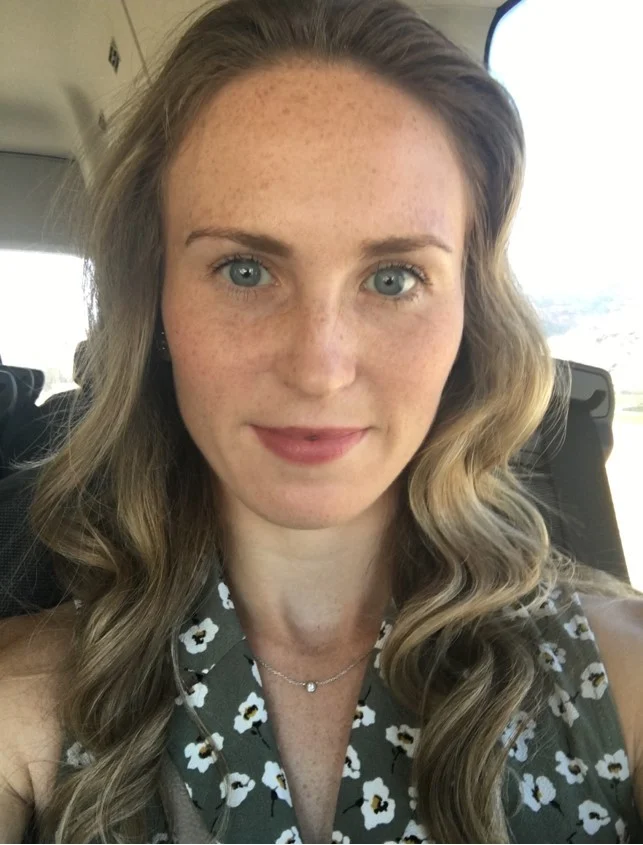
Brittany McKertcher, a 32-year-old nurse residing in Alberta, embodies the protracted and often emotionally arduous journey faced by millions grappling with chronic acne. Her personal struggle, spanning two decades since its onset at age 13, illustrates the multifaceted challenges of managing a condition often dismissed as a transient teenage affliction, yet which profoundly impacts adult lives. McKertcher’s candid account reveals the deep psychological toll, the relentless pursuit of effective treatments, and the societal misconceptions surrounding persistent acne.
A Protracted Journey: The Onset and Early Impact of Acne
McKertcher’s dermatological odyssey began in her early adolescence, around the age of 13. What started as surface acne, characterized by pustules, quickly escalated to include painful cystic acne – deep, inflammatory bumps beneath the skin. This severe presentation, indicative of significant hormonal involvement, marked the beginning of what she describes as "frustrating and difficult" two decades. "It’s still an ongoing journey in my 30’s," she states, underscoring the enduring nature of her condition.
In her nascent years of dealing with acne, McKertcher initially resorted to self-treatment, a common first response for many teenagers. Her efforts were concentrated on over-the-counter (OTC) solutions, including various face washes and topical creams, all purchased with the hope of alleviating her symptoms. The desire to conceal her skin condition also led her on an intensive search for a foundation that could offer adequate coverage without exacerbating dryness, a common side effect of many acne products. However, the deeper, cystic lesions proved stubbornly resistant to cosmetic camouflage, remaining visibly apparent even beneath layers of makeup. This early period of self-management, while understandable, highlights a critical juncture where early professional intervention could potentially alter the trajectory of the condition and its emotional impact.
The effect on her teenage life was profound and immediate. McKertcher describes a complete erosion of self-esteem, leading to significant social withdrawal. Activities that are hallmarks of adolescent social life, such as swimming, using hot tubs, or floating on a river, became impossible due to the fear of compromising her carefully applied makeup and exposing her acne. As an active teenager, particularly involved in gymnastics, the constant need to carry makeup for reapplication after sweating further underscored the pervasive nature of her concern. This period was compounded by a feeling of isolation, as she perceived herself as "the only one with serious acne" among her high school peers, a sentiment that speaks to the often-hidden prevalence of severe acne and the lack of open dialogue surrounding it.
Navigating the Treatment Landscape: From OTC to Prescription Therapies
Within a year of acne’s onset, recognizing the limitations of self-care, McKertcher sought medical advice from her family doctor. This step marked the beginning of a prolonged and complex engagement with the healthcare system in pursuit of relief. Her initial prescription treatments included topical medications, which, to her disappointment, yielded minimal improvement. This lack of efficacy is not uncommon, as many topical treatments are effective for milder forms of acne but struggle against more severe, inflammatory presentations like cystic acne.
Subsequently, at the remarkably young age of 14, McKertcher was prescribed oral contraceptives, or "birth control," specifically for acne management. This intervention points to the early recognition of a hormonal component to her condition. Birth control pills containing estrogen and progestin can reduce androgen levels, thereby decreasing sebum production and improving acne in many women. Her journey then progressed to specialist care with a dermatologist, indicating the severity and persistence of her acne.
Under dermatological guidance, McKertcher underwent a series of treatments, including multiple courses of oral antibiotics. While antibiotics can reduce inflammatory acne by targeting bacteria (P. acnes) and their inflammatory effects, their long-term use is often avoided due to concerns about antibiotic resistance and potential side effects. The next significant step in her treatment regimen was isotretinoin, commonly known by its brand name Accutane, a powerful oral retinoid. She commenced this therapy within a couple of years of seeing a dermatologist. Isotretinoin is renowned for its effectiveness in treating severe, recalcitrant acne, often leading to long-term remission. However, it is also associated with a range of significant side effects. McKertcher experienced severe dryness, including nosebleeds, dry eyes, and generalized skin dryness, necessitating the use of a humidifier and thick body creams. Despite these challenges, her acne did show some improvement.
Following her initial course of isotretinoin, treatment reverted to birth control pills, with the additional prescription of spironolactone. Spironolactone is an anti-androgen medication that can be highly effective in treating hormonal acne in women by blocking androgen receptors and reducing androgen production. McKertcher identified the combination of birth control pills and spironolactone as "the most helpful treatments that I experienced," highlighting the individualized nature of acne management and the efficacy of hormonal therapies for certain patients.
Adult Acne: A Persistent Burden and New Challenges
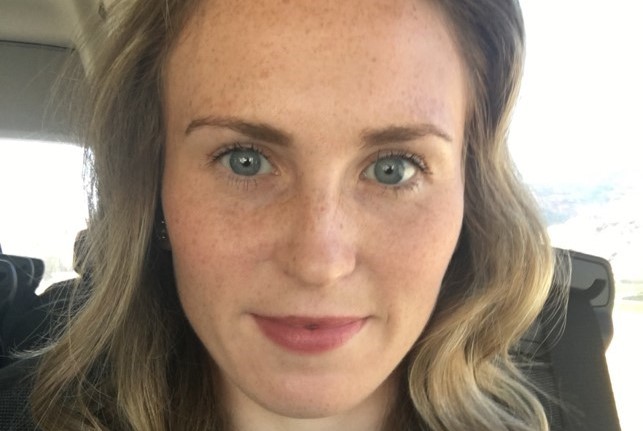
The conventional wisdom often suggests that individuals "grow out of" acne. However, McKertcher’s experience starkly refutes this notion, as her acne persisted throughout her twenties and into her university years. This phenomenon of adult acne, affecting a significant portion of the adult population, particularly women, underscores the need for ongoing medical attention and challenges the simplistic view of acne as solely a teenage issue.
A pivotal moment in her adult struggle occurred post-university when she discontinued oral birth control and switched to an intrauterine device (IUD). This change precipitated a severe breakout, forcing her to return to regular birth control pills. This experience illustrates how changes in hormonal contraception can dramatically impact acne, reinforcing the critical role of hormones in her condition.
The emotional impact of acne, McKertcher observes, intensified as an adult. While adolescence brings its own set of insecurities, there is often an underlying expectation of eventual improvement. As an adult, the persistence of acne, especially when friends do not share similar struggles, can lead to heightened feelings of isolation and self-consciousness. "The acne has taken a bigger toll on me as an adult," she reflects. "All my friends do not struggle with acne at all and I still feel like it affects me – that is so hard. When I look in the mirror, that is all I see." This powerful statement conveys the profound psychological burden of chronic adult acne, where the condition can dominate self-perception and significantly diminish quality of life.
Approximately a year prior to her recent account, McKertcher underwent another round of isotretinoin, this time a newer formulation, for about eight months. She reported "really good" results, with only occasional breakouts during specific times of the month, indicating a period of significant improvement. However, this progress was short-lived. A change in makeup application for her wedding triggered a widespread breakout, affecting not only her face but also her eyelids, and leading to the development of body acne. This setback highlights the sensitivity of acne-prone skin and the myriad factors that can contribute to flare-ups, even after successful treatment. Currently, her treatments are on hold as she and her partner hope to start a family, a common challenge for women managing chronic conditions with medications that may be contraindicated during pregnancy.
Reflecting on her extensive history with acne, McKertcher expresses significant regret over the "considerable amount of money, time and effort" invested in ineffective OTC acne treatments and skincare products. She now understands that such products are largely ineffectual against cystic acne, a crucial lesson for others facing similar severe conditions.
Broader Context: Understanding Acne Prevalence, Impact, and Treatment
Brittany McKertcher’s narrative resonates with millions globally, as acne vulgaris is the most common skin condition, affecting an estimated 85% of young people aged 12 to 24. However, as her story profoundly illustrates, it is far from exclusively a teenage ailment. Adult acne, affecting individuals over 25, is increasingly recognized as a significant dermatological concern. Studies suggest that adult acne affects up to 50% of women in their 20s and 30s, and a substantial percentage of adults into their 40s and 50s. Persistent acne, like McKertcher’s, where the condition continues from adolescence into adulthood, is particularly common.
Acne manifests in various forms, from non-inflammatory lesions like blackheads and whiteheads (comedones) to inflammatory lesions such as papules (small red bumps), pustules (pus-filled bumps), nodules (large, solid, painful lumps deep in the skin), and cysts (large, painful, pus-filled lesions deep under the skin). Cystic acne, which McKertcher experienced, is one of the most severe forms, often leading to permanent scarring if not promptly and effectively treated. The underlying causes are complex, involving excessive sebum production, clogged hair follicles, proliferation of Cutibacterium acnes (formerly Propionibacterium acnes) bacteria, and inflammation. Hormonal fluctuations, as evidenced in McKertcher’s case with puberty, birth control, and IUD experiences, play a critical role, particularly in adult women.
The psychological impact of acne is extensively documented. Far from being a mere cosmetic inconvenience, acne is strongly associated with a diminished quality of life, low self-esteem, social anxiety, depression, and even an increased risk of suicidal ideation in severe cases. Research published in the British Journal of Dermatology, for instance, found that patients with acne have a significantly higher risk of developing major depression, particularly in the first year after diagnosis. McKertcher’s sentiments – "When I look in the mirror, that is all I see" – encapsulate this profound mental health burden, highlighting how a skin condition can distort self-perception and daily functioning.
The treatment landscape for acne has evolved considerably, moving beyond simple OTC remedies to a sophisticated array of prescription medications and procedures. Initial treatments often involve topical retinoids (e.g., tretinoin, adapalene), topical antibiotics, and benzoyl peroxide. For more moderate to severe cases, oral antibiotics, hormonal agents (like oral contraceptives and spironolactone, as used by McKertcher), and oral isotretinoin are often prescribed. Isotretinoin, a derivative of vitamin A, works by significantly reducing sebum production, normalizing follicular keratinization, and exerting anti-inflammatory effects. While highly effective, its use requires careful monitoring due to potential side effects, especially its teratogenic risk, meaning it can cause severe birth defects if taken during pregnancy, which directly impacts individuals like McKertcher who are planning a family.

Implications and Expert Perspectives: A Call for Holistic Care
McKertcher’s advice to those struggling with serious acne – "Try to see your GP sooner and get a referral to a dermatologist if you need that. It’s not a one-size-fits-all in terms of acne treatments" – underscores critical aspects of effective acne management. Early intervention by a healthcare professional, particularly a dermatologist, can prevent the progression of acne, reduce the risk of scarring, and mitigate the associated psychological distress. Waiting too long, as McKertcher initially did with OTC products, can prolong suffering and potentially lead to more intractable cases.
Dermatologists emphasize that acne treatment is rarely a "one-and-done" solution. It often requires a personalized, combinatorial approach, adjusting medications based on the type and severity of acne, patient response, and side effects. The success McKertcher found with the combination of birth control and spironolactone, and then later with a new formulation of Accutane, exemplifies this tailored approach.
Furthermore, the issue of scarring, which McKertcher fortunately avoided, is a major concern. Acne scars can be physically disfiguring and carry their own significant psychological burden, often requiring further dermatological procedures for correction. Her admonition, "Get on something before you have scarring. I’m really thankful that I did not end up with acne scars. It’s really hard to not pick your face though – don’t do it, which I should take my own advice," is a poignant reminder of preventative measures and the difficulty of adhering to them.
The challenge of pausing treatments for family planning, as McKertcher currently faces, highlights a significant gap in care for women with chronic conditions. Many highly effective treatments for acne, particularly hormonal therapies and isotretinoin, are contraindicated during pregnancy and breastfeeding. This necessitates careful planning with healthcare providers to manage the condition during these critical life stages, often involving temporary discontinuation or switching to less effective, pregnancy-safe alternatives. This period can be particularly stressful, as patients may experience a resurgence of symptoms.
From a broader societal perspective, McKertcher’s experience challenges the pervasive "perfect skin" ideal often propagated by media and social platforms. Her statement about feeling worse as an adult because her peers don’t have acne illustrates how societal pressures can exacerbate personal distress. This underscores the need for greater awareness and destigmatization of adult acne, recognizing it as a legitimate medical condition requiring empathy and effective treatment, rather than a cosmetic flaw.
Advocacy groups like Acne Action Canada, which originally shared McKertcher’s story, consistently call for increased public and professional awareness of acne’s severity and its comprehensive impact. They advocate for better access to dermatological care, ongoing research into new and safer treatments, and a holistic approach that addresses both the physical and psychological aspects of the condition. Mental health professionals increasingly collaborate with dermatologists to provide integrated care, offering counseling and support to help patients cope with the emotional toll of chronic skin conditions.
Looking ahead, Brittany McKertcher’s ultimate goal remains clear: "My ultimate goal is to have clear skin. It’s tough where I am. Hopefully I won’t have to take medications forever. I hope there’s more research into treatments for acne." Her aspiration for sustained clear skin without perpetual medication reflects a universal desire among those with chronic conditions. Her call for more research is vital, pointing to the ongoing need for innovations that offer safer, more effective, and long-term solutions, particularly for complex cases like hers, and options that accommodate life events such as family planning.
Brittany McKertcher’s two-decade struggle with acne serves as a powerful testament to the complexity and profound personal impact of persistent dermatological conditions. Her journey from frustrated self-treatment to navigating advanced medical therapies, all while contending with significant emotional distress, highlights the critical importance of early professional intervention, individualized treatment plans, and a holistic understanding of acne as a condition affecting both skin and spirit. Her story is a compelling call to action for greater awareness, improved access to specialized care, and continued research to alleviate the burden on individuals like her who are tirelessly seeking clarity, both on their skin and in their lives.
