
The persistent shadow of the COVID-19 pandemic, which began its global ascent in early 2020, has irrevocably altered the fabric of daily life. As the world transitioned into 2021, the health crisis continued to exert its influence across virtually every domain, from personal well-being to global economies. For a significant portion of the population, this unprecedented public health emergency has precipitated a cascade of unique and individual challenges. These have ranged from disruptions in food access and significant income volatility to pervasive emotional distress and heightened anxiety. Amidst this backdrop of uncertainty, the importance of maintaining robust health has taken center stage, not merely as a personal aspiration but as a critical societal imperative.
While scientific research has yet to identify specific dietary interventions with a direct, demonstrable impact on reducing the risk of contracting COVID-19, a robust body of evidence unequivocally underscores the pivotal role of a healthy lifestyle in fortifying the immune system. Beyond its immediate implications for immune defense, a wealth of long-term studies has illuminated the profound benefits of adopting key health-conscious habits. Research, including influential publications from Harvard T.H. Chan School of Public Health, consistently demonstrates that individuals who adhere to five core lifestyle pillars—namely, consuming a nutritious diet, engaging in regular physical activity, maintaining a healthy body weight, moderating alcohol consumption, and refraining from smoking—experience a significantly extended lifespan. These studies have indicated that individuals embracing these habits can expect to live, on average, more than a decade longer compared to their counterparts who do not.
Furthermore, the advantages of these lifestyle choices extend beyond mere longevity. Emerging research suggests that not only do these practices contribute to living longer, but they also enhance the quality of those additional years. Adults who have adopted these five key healthy habits during their middle-aged years have been found to experience a greater number of years free from debilitating chronic diseases. This includes a reduced incidence and delayed onset of conditions such as type 2 diabetes, cardiovascular disease, and various forms of cancer. This evidence paints a compelling picture of healthy living as a powerful strategy for maximizing both the duration and the vitality of life.
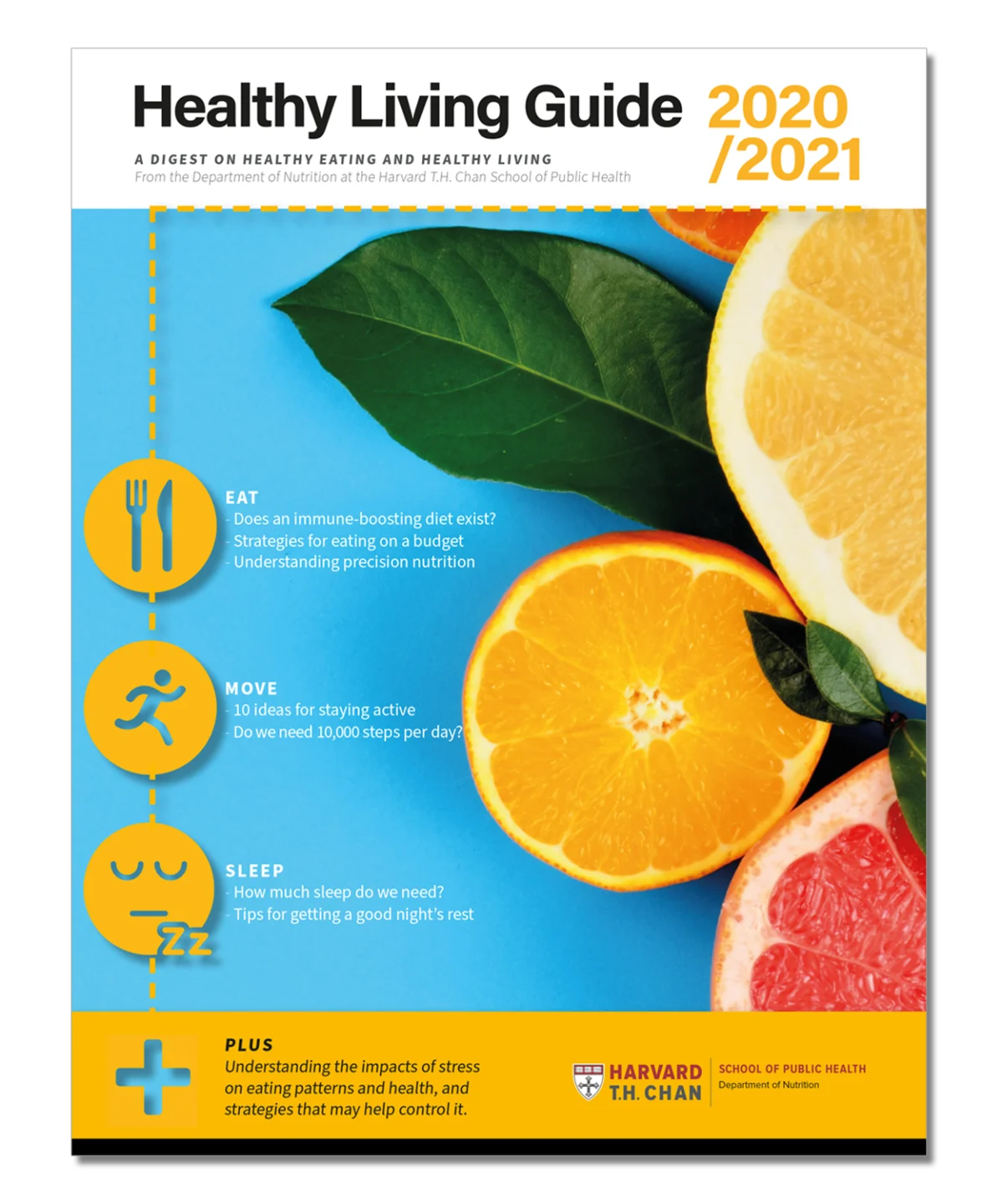
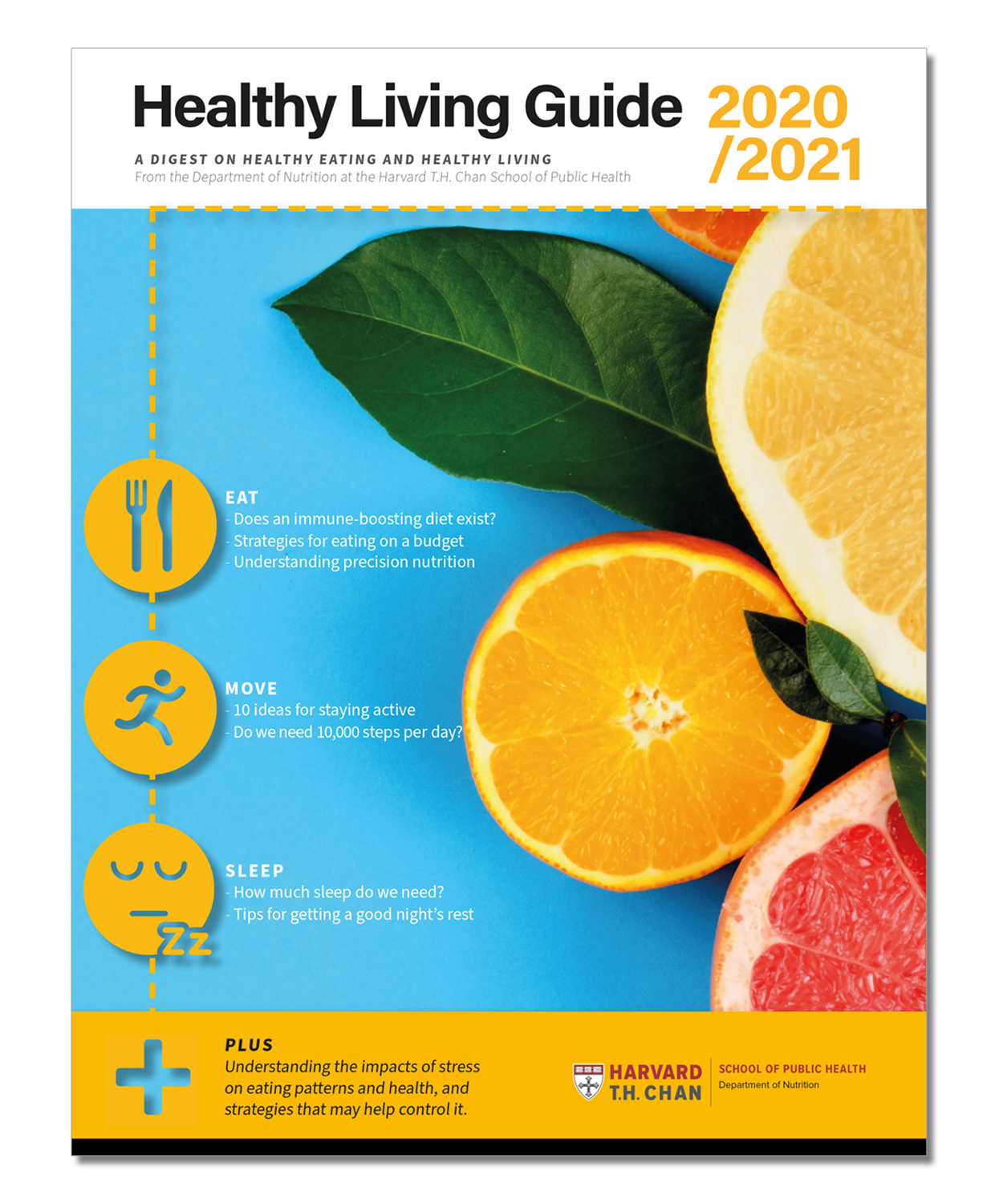
However, the practical implementation of healthy habits often presents a formidable challenge, even under ordinary circumstances. In the context of the ongoing pandemic, with its inherent stressors and disruptions, the task of adhering to these principles can be even more arduous. Recognizing this, numerous organizations and health experts have dedicated efforts to provide accessible resources and practical guidance. The Harvard Nutrition Source, for instance, has developed a comprehensive "Healthy Living Guide," designed to offer actionable tips and effective strategies to support individuals in their pursuit of a healthier lifestyle. This initiative aims to empower individuals to make informed choices, even amidst prevailing uncertainties. The guide, available as a downloadable PDF, includes printable tip sheets and concise summaries, alongside links to more in-depth online articles.
The Pandemic’s Impact on Health Behaviors
The onset of the COVID-19 pandemic in early 2020 triggered a global health emergency that rapidly permeated all facets of society. Lockdowns, social distancing mandates, and widespread fear and uncertainty significantly altered daily routines, impacting everything from work and education to social interactions and personal well-being. For many, this period was characterized by unprecedented challenges that directly affected their ability to maintain healthy lifestyles.
Food Access and Security:
The pandemic exacerbated existing issues of food insecurity and created new ones. Supply chain disruptions, job losses, and increased food prices made it more difficult for many households to access nutritious food. Reports from organizations like Feeding America indicated a substantial increase in demand for food assistance programs throughout 2020 and 2021, highlighting the profound impact on dietary patterns for vulnerable populations. For instance, a USDA report in 2020 indicated that household food security declined in the United States, with the most significant increases in food insecurity observed among households with children. This meant that many families struggled to put enough food on the table, let alone ensure the nutritional quality of their meals.
Disruptions to Physical Activity:
Gym closures, restrictions on public gatherings, and the shift to remote work often led to a more sedentary lifestyle for many. While some individuals adapted by incorporating home-based workouts or outdoor activities, a significant portion of the population experienced a reduction in their overall physical activity levels. A study published in the Journal of the American Medical Association (JAMA) Network Open in late 2020 found a significant decrease in physical activity and an increase in sedentary behavior among adults during the early months of the pandemic. This decline in physical activity has been linked to potential negative health outcomes, including weight gain and increased risk of chronic diseases.
Mental Health and Emotional Well-being:
The prolonged period of isolation, anxiety about health, and economic instability took a considerable toll on mental health. Stress, depression, and anxiety can often lead to unhealthy coping mechanisms, such as increased consumption of comfort foods, reduced motivation for exercise, and disrupted sleep patterns, all of which can negatively impact physical health. The Centers for Disease Control and Prevention (CDC) reported in mid-2020 that a significant percentage of adults in the U.S. reported symptoms of anxiety or depression, alongside increased substance use and suicidal ideation, underscoring the widespread mental health crisis accompanying the pandemic.
The Enduring Benefits of Foundational Healthy Habits
Despite the challenges, the fundamental principles of healthy living remain paramount, especially in safeguarding against illness and promoting long-term well-being. The established link between lifestyle choices and health outcomes is not diminished by the presence of a novel virus; rather, it is amplified.
A Cornerstone of Immune Function:
A well-nourished body with a robust immune system is better equipped to fend off infections. A diet rich in fruits, vegetables, whole grains, and lean proteins provides essential vitamins, minerals, and antioxidants that support the optimal functioning of immune cells. Conversely, diets high in processed foods, sugar, and unhealthy fats can impair immune responses, making individuals more susceptible to illness. The Harvard Nutrition Source’s emphasis on a healthy diet aligns with global health recommendations that prioritize nutrient-dense foods for overall immune resilience.
Preventing Chronic Diseases:
The long-term benefits of healthy habits, as highlighted by Harvard research, are particularly relevant in the context of the pandemic. Individuals with pre-existing chronic conditions, such as diabetes, heart disease, and obesity, are often at higher risk for severe COVID-19 complications. By adopting and maintaining healthy lifestyles, individuals can proactively manage or prevent these conditions, thereby reducing their overall vulnerability. The data indicating that middle-aged adults adopting these habits live more years free of chronic diseases underscores the power of preventive health. This suggests that investments in healthy living can yield substantial dividends in terms of both quantity and quality of life, particularly in the face of widespread health threats.
Boosting Mental and Emotional Resilience:
Beyond the physical benefits, healthy habits play a crucial role in bolstering mental and emotional resilience. Regular exercise is a well-documented mood enhancer, capable of reducing stress hormones and releasing endorphins, which have natural mood-lifting effects. A balanced diet can also positively influence brain function and mood regulation. Moreover, engaging in fulfilling hobbies or activities, as suggested in the Healthy Living Guide, can provide a sense of purpose and enjoyment, counteracting feelings of isolation and distress.
Navigating the Path to Healthier Living: Strategies and Resources
The "Healthy Living Guide" developed by the Harvard Nutrition Source serves as a practical tool to assist individuals in navigating these challenges. It acknowledges that making sustained lifestyle changes requires more than just knowledge; it demands practical strategies and ongoing support.
Actionable Guidance:
The guide offers concrete tips and summaries that can be readily integrated into daily life. This includes advice on meal planning, incorporating physical activity into busy schedules, managing stress, and establishing healthy sleep routines. The availability of printable resources, such as bingo-style challenges (as visually represented by the "Healthy Living Bingo Challenge" image), gamifies the process of adopting healthy habits, making it more engaging and motivating. These types of tools can help break down larger goals into smaller, achievable steps, fostering a sense of accomplishment and encouraging continued progress.
Leveraging Digital Resources:
In an era of digital connectivity, online platforms and resources have become invaluable for health education and support. The Healthy Living Guide, by providing links to full online articles, extends its reach and accessibility. This allows individuals to delve deeper into specific topics, access evidence-based information, and find tailored advice that suits their individual needs and circumstances. The integration of digital tools in health promotion is a growing trend, recognizing the power of technology to disseminate information and foster community support.
A Call to Action and Empowerment:
The underlying message of the Healthy Living Guide is one of empowerment. It encourages individuals to "do what you can" to maintain a healthy lifestyle, acknowledging that perfection is not always attainable, especially during challenging times. This pragmatic approach fosters a sense of self-compassion and encourages consistent effort rather than all-or-nothing thinking. By focusing on small, sustainable changes and finding enjoyment in the process—whether through trying new recipes, engaging in physical activity, or pursuing fulfilling hobbies—individuals can build lasting habits that contribute to their overall well-being.
Broader Implications and Future Outlook
The experiences of the COVID-19 pandemic have underscored the critical importance of public health preparedness and the intrinsic value of individual health. The heightened awareness of the interconnectedness between personal well-being and societal resilience is likely to have lasting implications.
Increased Focus on Preventive Health:
Governments, healthcare systems, and individuals are likely to place a greater emphasis on preventive health strategies in the future. This could translate into increased investment in public health initiatives, community-based wellness programs, and accessible health education resources. The pandemic has served as a stark reminder that a healthy population is a fundamental prerequisite for a robust and functioning society.
The Role of Nutrition and Lifestyle in Public Health:
The discourse surrounding nutrition and lifestyle choices has gained significant traction during the pandemic. The understanding that these factors are not merely personal preferences but critical determinants of health outcomes is becoming more widespread. This could lead to policy changes aimed at promoting healthier food environments, encouraging physical activity, and supporting mental well-being. The long-term benefits of these shifts could include reduced healthcare costs, improved quality of life, and greater societal resilience in the face of future health challenges.
Technological Integration in Health Promotion:
The pandemic accelerated the adoption of digital health technologies. Telemedicine, wearable health trackers, and online health platforms have become more mainstream. This trend is expected to continue, offering new avenues for personalized health interventions, remote monitoring, and virtual support networks. The integration of technology can help overcome geographical barriers and make health resources more accessible to a wider population.
In conclusion, the COVID-19 pandemic, while presenting immense challenges, has also served as a powerful catalyst for re-evaluating our priorities regarding health and well-being. The enduring principles of healthy eating and healthy living, supported by robust scientific evidence and practical guidance from reputable sources like the Harvard Nutrition Source, offer a clear pathway towards enhanced individual and collective resilience. By embracing these habits, individuals can not only navigate current uncertainties but also lay the foundation for a longer, healthier, and more fulfilling life, contributing to a healthier future for all.
