
As the world continued to grapple with the evolving landscape of the COVID-19 pandemic throughout 2021, the habits and routines of individuals underwent a subtle yet significant recalibration. A shift emerged from the intense, pandemic-induced changes of 2020, with many Americans reporting a return to some pre-pandemic behaviors while simultaneously integrating new hobbies and lifestyle adjustments. This evolving dynamic is reflected in recent consumer surveys, which indicate a notable decrease in certain food-related behaviors that had surged during the initial phases of widespread lockdowns.
According to the 2021 Food & Health Survey conducted by the International Food Information Council (IFIC), a significant percentage of Americans reported consuming fewer snacks and eating less overall compared to the previous year. In 2021, 18% of respondents indicated they were snacking more, a considerable drop from 32% in 2020. Similarly, the proportion of individuals reporting an increase in their overall food intake decreased from 20% in 2020 to 11% in 2021. This data suggests a partial return to pre-pandemic eating patterns, where habitual snacking and increased general consumption were less prevalent.
However, this trend towards normalcy was not uniform across all aspects of food consumption. The same survey revealed a decline in another behavior that had become a hallmark of the pandemic era: home cooking. In 2021, 47% of consumers reported cooking at home more frequently, a notable decrease from the 60% who had adopted this habit in 2020. This shift could be attributed to a variety of factors, including the reopening of restaurants and other food service establishments, a renewed engagement in social activities outside the home, or simply a return to established routines that involved less time dedicated to meal preparation.
Beyond these shifts in dietary habits, the survey also underscored persistent and concerning disparities in food security. While the overall narrative of 2021 might suggest a move towards pre-pandemic norms, the reality for a segment of the population remained one of significant challenge. Food insecurity, defined as the lack of consistent access to enough food for an active, healthy life, continued to be a critical issue, exacerbated by the economic fallout of the pandemic. These disparities highlight the uneven impact of the global health crisis, affecting different socioeconomic groups disproportionately.
On a broader global scale, the COVID-19 pandemic continued to exert its influence, presenting a complex tapestry of individual and societal challenges. The emergence of new disease variants throughout 2021 served as a stark and sobering reminder of the ongoing threat posed by the virus. This reality underscored the critical and urgent need for increased global vaccination efforts, particularly in low- and lower-middle-income countries where access to vaccines and healthcare infrastructure often lagged significantly behind wealthier nations. The disparity in vaccination rates not only perpetuated health inequities but also created a breeding ground for further viral mutations, posing a risk to global health security.
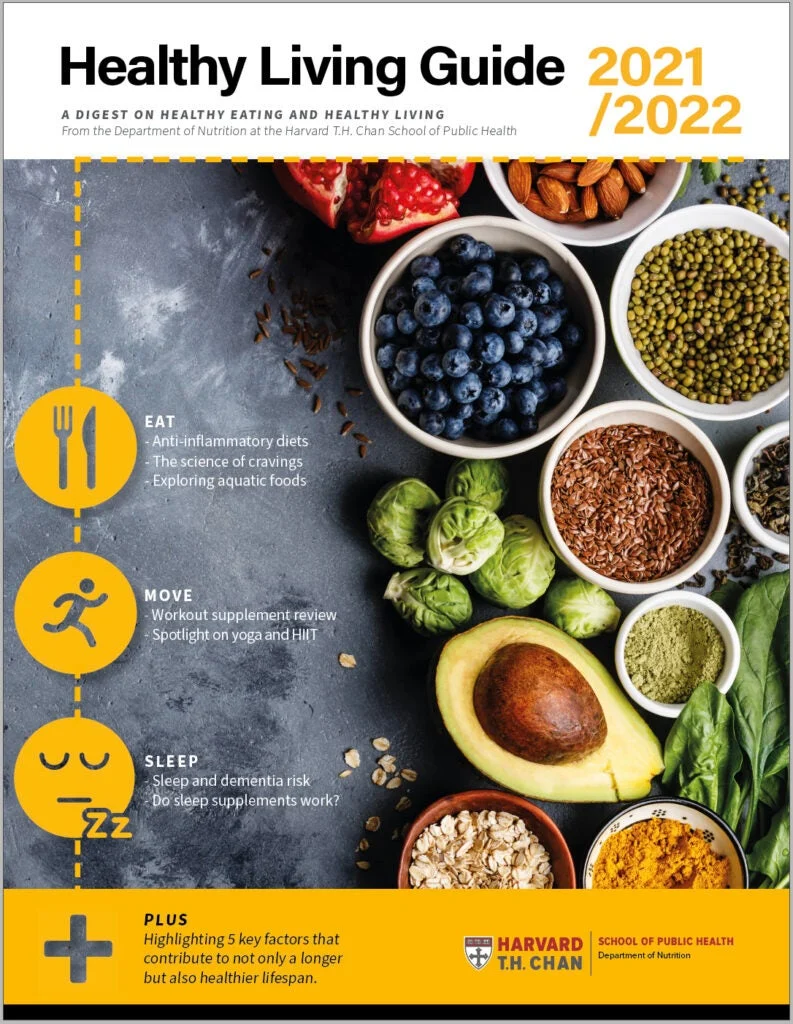
In response to these ongoing challenges and the persistent need for guidance on maintaining well-being, experts continue to emphasize the importance of integrating healthy behaviors into daily life. The Harvard T.H. Chan School of Public Health, through its Nutrition Source initiative, has consistently provided resources to support public health and individual wellness. Their "Healthy Living Guide," a recurring publication designed to offer practical advice and research-backed insights, released its 2021-2022 edition to coincide with the ongoing period of adaptation.
This latest iteration of the Healthy Living Guide revisits fundamental pillars of well-being: eating well, engaging in physical activity, and ensuring adequate sleep. The guide aims to synthesize current research and popular nutrition and lifestyle topics into accessible formats, offering a renewed focus on core principles that are essential for navigating a complex and often unpredictable world. By providing curated information and practical tips, the publication seeks to empower individuals to make informed choices that contribute to their overall health and fulfillment.
Key Themes and Research Highlights
The 2021-2022 Healthy Living Guide emphasizes that while the pandemic may have altered daily routines, the foundational principles of healthy living remain constant. The guide delves into a selection of research highlights that offer updated perspectives on established health recommendations.
Nutrition and Diet:
The guide revisits the importance of a balanced diet, emphasizing whole foods and nutrient-dense options. Research continues to support the benefits of diets rich in fruits, vegetables, whole grains, and lean proteins. Specific areas of focus within the guide often include:
- Plant-Based Eating: With growing interest in plant-forward diets, the guide likely explores the nutritional benefits and practical considerations of incorporating more plant-based meals. This includes examining sources of essential nutrients like protein, iron, and vitamin B12 from plant-based foods.
- Gut Health: The intricate relationship between diet and the gut microbiome remains a significant area of research. The guide may offer insights into foods that promote a healthy gut, such as fermented foods and fiber-rich options, and their potential impact on overall health, including immune function and mental well-being.
- Sugar and Processed Foods: Continuing the discourse on reducing intake of added sugars and ultra-processed foods, the guide likely reiterates the health risks associated with excessive consumption, including increased risk of chronic diseases like type 2 diabetes, cardiovascular disease, and obesity.
- Hydration: The fundamental importance of adequate water intake is also a recurring theme. The guide may provide updated recommendations on daily fluid needs, considering factors such as activity level and climate.
Physical Activity:
The guide underscores the critical role of regular physical activity in maintaining both physical and mental health. In an era where sedentary lifestyles can be amplified by remote work and increased screen time, the emphasis is on integrating movement throughout the day.
- Cardiovascular Health: The guide likely highlights research connecting regular aerobic exercise to improved heart health, including lower blood pressure, reduced cholesterol levels, and a decreased risk of heart disease.
- Strength Training: The importance of muscle mass and strength for metabolic health, bone density, and functional independence is a key focus. The guide may offer guidance on incorporating resistance training into a weekly routine, even with limited equipment.
- Sedentary Behavior: Beyond the benefits of exercise, the guide may also address the detrimental effects of prolonged sitting. Strategies for breaking up sedentary periods, such as short walks or stretching breaks, are often recommended.
- Mental Health Benefits: The profound impact of physical activity on mental well-being is increasingly recognized. The guide likely touches upon how exercise can alleviate symptoms of anxiety and depression, improve mood, and enhance cognitive function.
Sleep Hygiene:
Adequate and quality sleep is presented as a cornerstone of overall health, impacting everything from cognitive performance to immune system function.
- Sleep Duration and Quality: The guide likely reiterates recommended sleep durations for different age groups and discusses the importance of uninterrupted, restorative sleep.
- Sleep Environment: Factors contributing to a conducive sleep environment, such as light, temperature, and noise levels, are often detailed.
- Sleep Habits: Establishing consistent sleep schedules, avoiding caffeine and alcohol before bed, and creating pre-sleep relaxation routines are common recommendations.
- Impact of Sleep Deprivation: The guide may outline the negative consequences of chronic sleep deprivation, including impaired judgment, increased risk of accidents, and a weakened immune system.
Broader Implications and Future Outlook
The data presented in consumer surveys and the continued emphasis on healthy living resources like the Harvard Healthy Living Guide offer insights into the long-term implications of the pandemic on public health.
Behavioral Resilience: The observed shifts in eating habits, while showing a partial return to pre-pandemic norms, also reveal a degree of behavioral resilience. Individuals demonstrated an ability to adapt their routines during a crisis, and some of these adaptations, such as increased home cooking, may have lasting positive effects if maintained. However, the decline in home cooking also raises concerns about potential increases in reliance on less healthy convenience foods or restaurant meals.
The Digital Divide in Health Information: While online resources and digital guides have become invaluable tools for disseminating health information, they also highlight the digital divide. Access to reliable internet and digital devices remains a barrier for some populations, potentially exacerbating health information inequities. Ensuring that health guidance is accessible across various platforms and formats is crucial.
Global Health Equity: The persistent disparities in vaccination rates and the ongoing impact of the pandemic on food security in lower-income countries underscore the interconnectedness of global health. Addressing these inequities is not only a moral imperative but also a strategic necessity for preventing future pandemics and ensuring a more resilient global community.
Sustaining Healthy Habits: The challenge moving forward is to translate the lessons learned during the pandemic into sustained healthy behaviors. The increased awareness of the importance of physical activity, mental well-being, and balanced nutrition, spurred by the crisis, offers an opportunity for long-term positive change. However, this requires continued public health initiatives, accessible resources, and supportive environments that encourage and enable healthy choices for all.
The 2021-2022 Healthy Living Guide, therefore, serves as more than just a compilation of advice; it represents a commitment to empowering individuals with the knowledge and tools necessary to navigate the complexities of modern life and foster lasting well-being. As individuals continue to adapt to a post-pandemic world, the foundational principles of healthy eating, active living, and adequate rest remain vital for building a healthier future, both individually and collectively. The ongoing evolution of research and public health strategies will undoubtedly continue to shape our understanding and practice of healthy living in the years to come. The guide also encourages a proactive approach to health, prompting readers to engage with the material and test their knowledge, reinforcing the idea that health is an ongoing journey of learning and application.
