
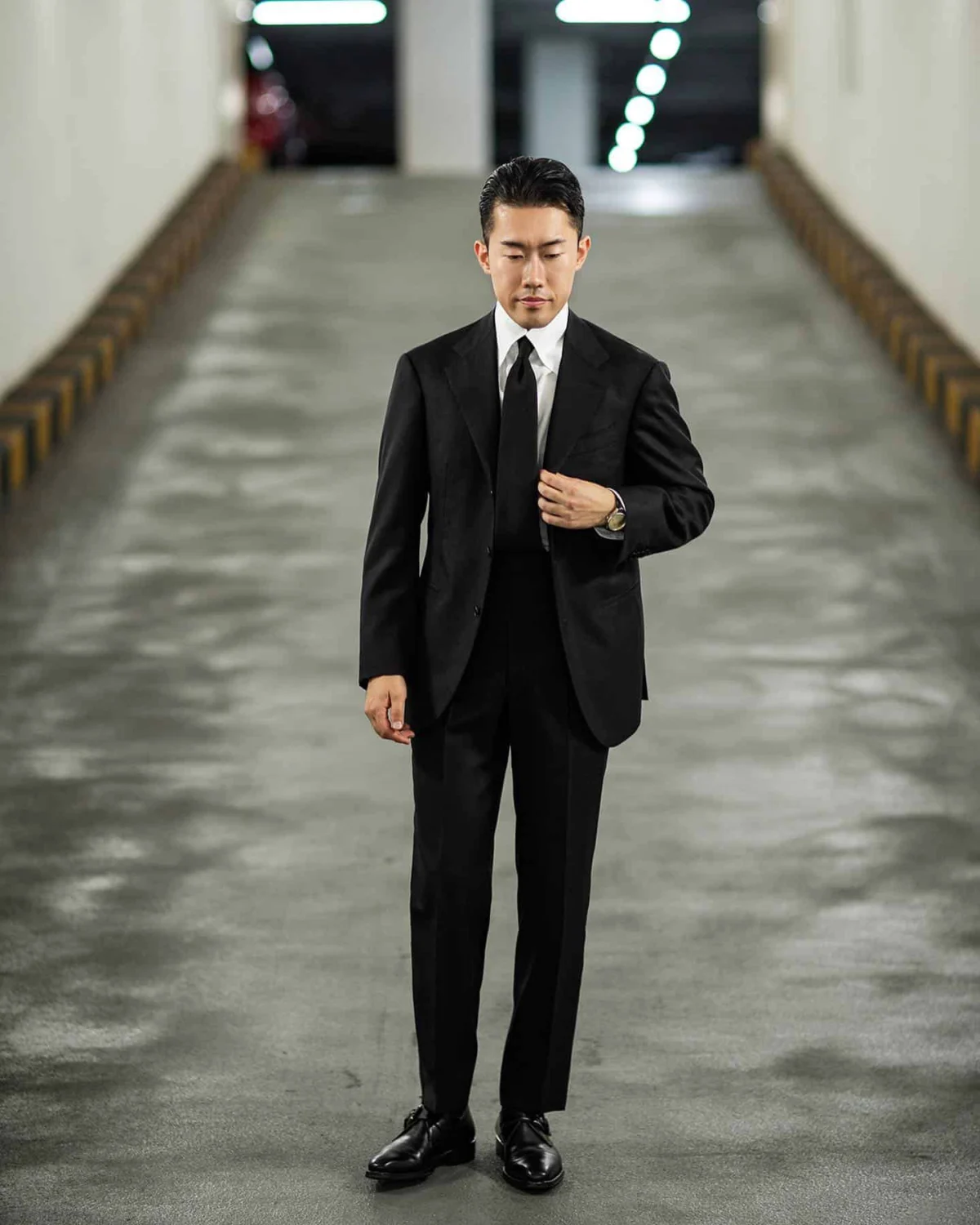
Attending a funeral is a solemn occasion that requires careful consideration of attire, not as a fashion statement, but as a profound display of respect for the deceased and their grieving family. While the topic of funeral wear for men might feel sensitive, it is a practical aspect of honoring traditions and showing solidarity during a difficult time. Navigating the unspoken dress code can be challenging, leading many to seek guidance. This comprehensive guide aims to demystify funeral attire for men, offering essential advice on appropriate choices and items to avoid, ensuring attendees can present themselves with dignity and respect.
The Importance of Somber Attire
The act of attending a funeral is deeply rooted in cultural and societal practices that emphasize remembrance, mourning, and the acknowledgment of loss. Historically, across many cultures, dark clothing has been associated with grief and mourning. This tradition stems from ancient practices where darker dyes were often more readily available and represented a somber mood, contrasting with the vibrancy of life. In Western cultures, black has become the predominant color for funeral attire, symbolizing death and sorrow. This practice has evolved over centuries, becoming a widely accepted visual cue for expressing condolences and respect. While specific cultural nuances exist, the underlying principle remains: to dress in a manner that reflects the gravity of the occasion and honors the departed.
Key Principles of Funeral Attire for Men
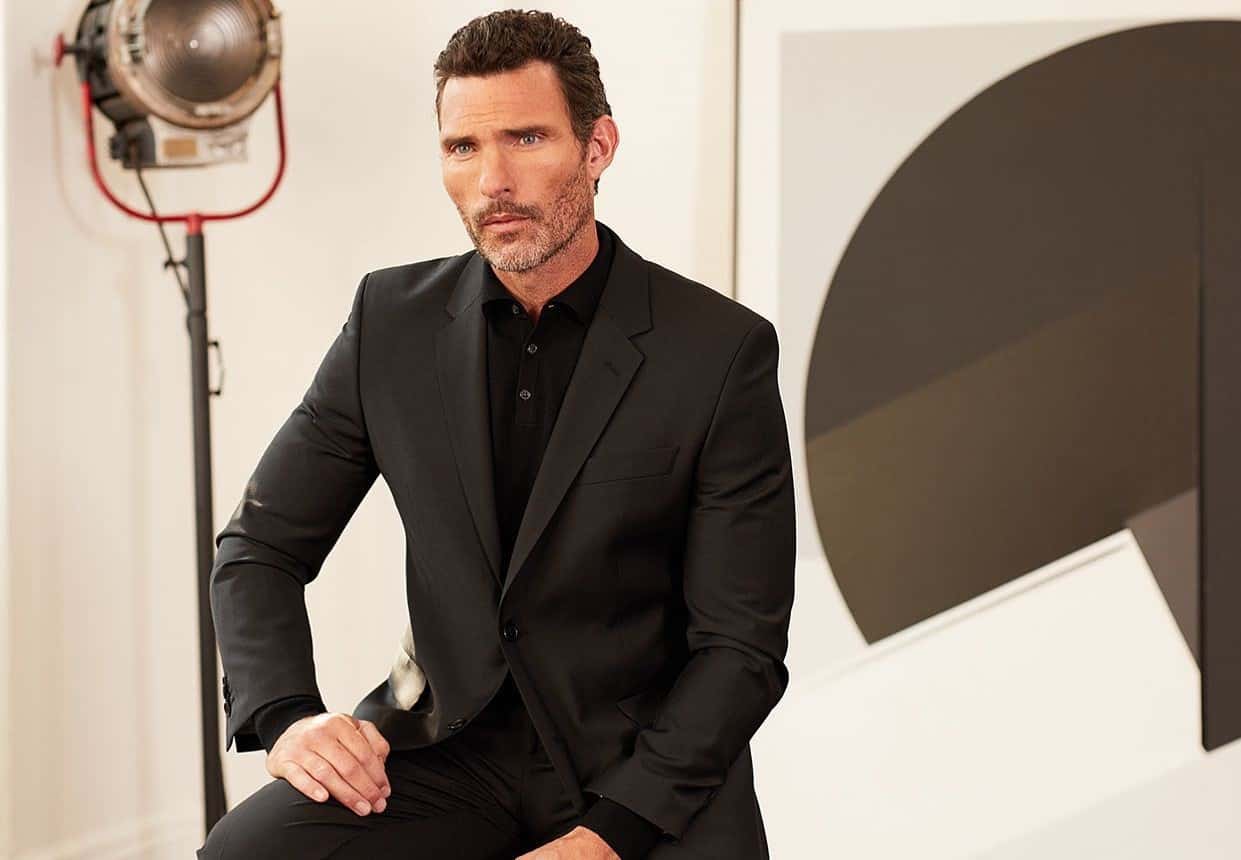
The fundamental principle guiding funeral attire for men is to present a respectful, understated, and dignified appearance. This means opting for conservative choices that do not detract from the solemnity of the event or draw undue attention to the wearer. The focus should be on offering comfort and support to the bereaved, and attire plays a role in conveying this.
- Respectful Presentation: The primary goal is to show respect. This translates to choosing clothing that is clean, well-maintained, and appropriate for a formal, somber gathering.
- Understated Elegance: Avoid flashy or attention-grabbing garments. The emphasis should be on classic, timeless pieces that convey a sense of gravitas.
- Comfort and Practicality: While formality is key, consider the season and potential duration of the service. Layers may be necessary for cooler weather, and comfortable footwear is essential.
- Family Wishes: Always be mindful of any specific requests from the deceased’s family regarding dress code. Some families may opt for a celebration of life theme, encouraging brighter colors, while others may strictly adhere to traditional black.
Essential Wardrobe Staples for Funeral Attendance
When preparing for a funeral, certain wardrobe items form the bedrock of appropriate attire. These pieces are versatile and can be combined to create a suitable ensemble for most occasions.
Option 1: The Classic Black Suit
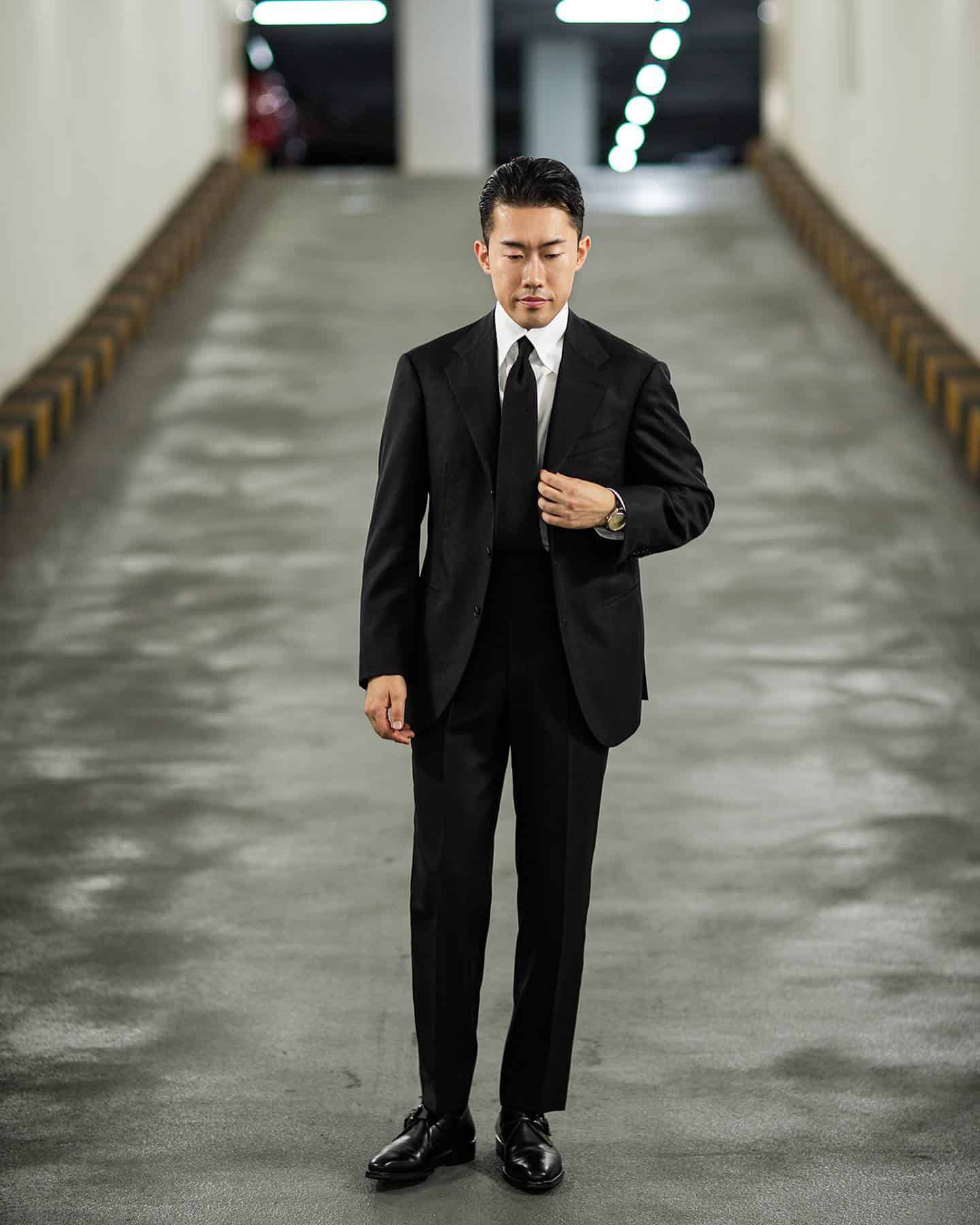
The black suit remains the quintessential choice for men attending a funeral. Its inherent formality and somber color make it a fail-safe option. A well-fitting black suit conveys respect and adherence to traditional mourning customs.
- Fabric and Fit: Opt for a suit made from wool or a wool blend, which drapes well and maintains a formal appearance. A slim or classic fit is generally preferred over overly trendy or relaxed styles.
- Alternatives: While black is the standard, dark charcoal grey or deep navy suits are also considered acceptable alternatives in many contexts, particularly if black is not readily available or if the family has indicated a slightly less rigid dress code. However, black should always be the first choice when possible.
- Versatility Beyond Funerals: The men’s suit is a cornerstone of a gentleman’s wardrobe, serving equally well for business meetings, formal events, and professional settings. This makes an investment in a quality black suit a practical choice for long-term wear. Brands like Hawes & Curtis offer slim-fit options that provide an elegant silhouette.
Option 2: The Crisp White Dress Shirt
A white dress shirt is a foundational piece that complements nearly any formal outfit. Its crispness and clean appearance lend an air of refinement and respectability.
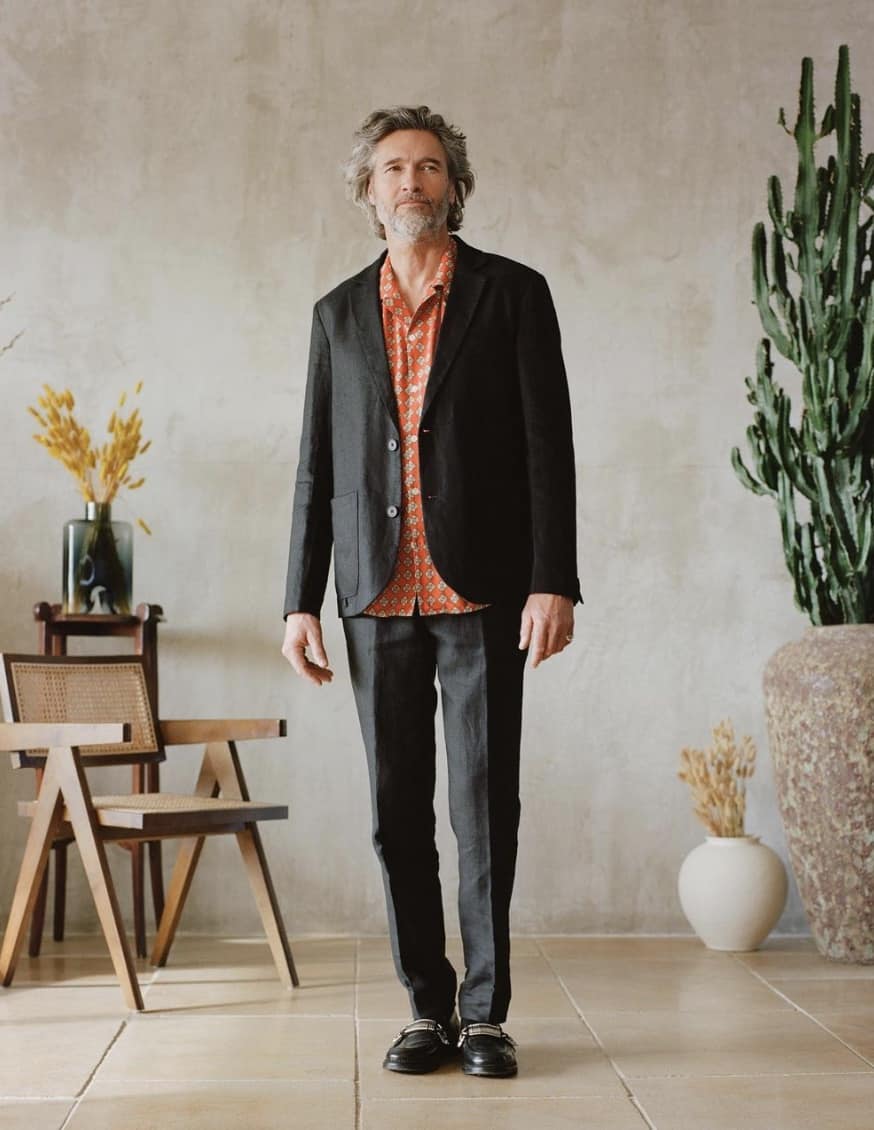
- Styling: A white dress shirt pairs seamlessly with a black suit and a black tie. Ensure it is well-ironed, with no visible stains or wrinkles.
- Fabric and Cuff Style: A fine twill or poplin fabric is suitable. For funerals, single cuffs are generally preferred over double (French) cuffs, which are typically reserved for more formal evening events or weddings.
- Significance: The white shirt serves as a neutral canvas, allowing the somber elements of the outfit to remain the focal point. It symbolizes purity and order, offering a subtle contrast that highlights the overall respectfulness of the attire.
Option 3: Dark Knitwear for Layering
In cooler weather or for a slightly more relaxed, yet still appropriate, ensemble, dark knitwear can be a valuable addition. It provides warmth and an additional layer of sophistication.
- Color and Texture: Choose knitwear in black, dark grey, or deep navy. Fine-gauge merino wool or cashmere are ideal choices. Avoid chunky cable knits or overly textured sweaters, as these can appear too casual.
- Styles: Options include V-neck sweaters, crew necks, or turtlenecks. Half-zip sweaters can also be appropriate. The key is to maintain a sleek, understated look.
- Fit: The knitwear should fit well, neither too tight nor too loose. It should sit comfortably over a dress shirt or a fine-gauge base layer. Brands like Asket offer versatile merino wool sweaters suitable for such occasions.
Option 4: Tailored Trousers
While a full suit is often the most appropriate, tailored trousers can be a suitable option, especially when paired with a blazer or a smart jacket.
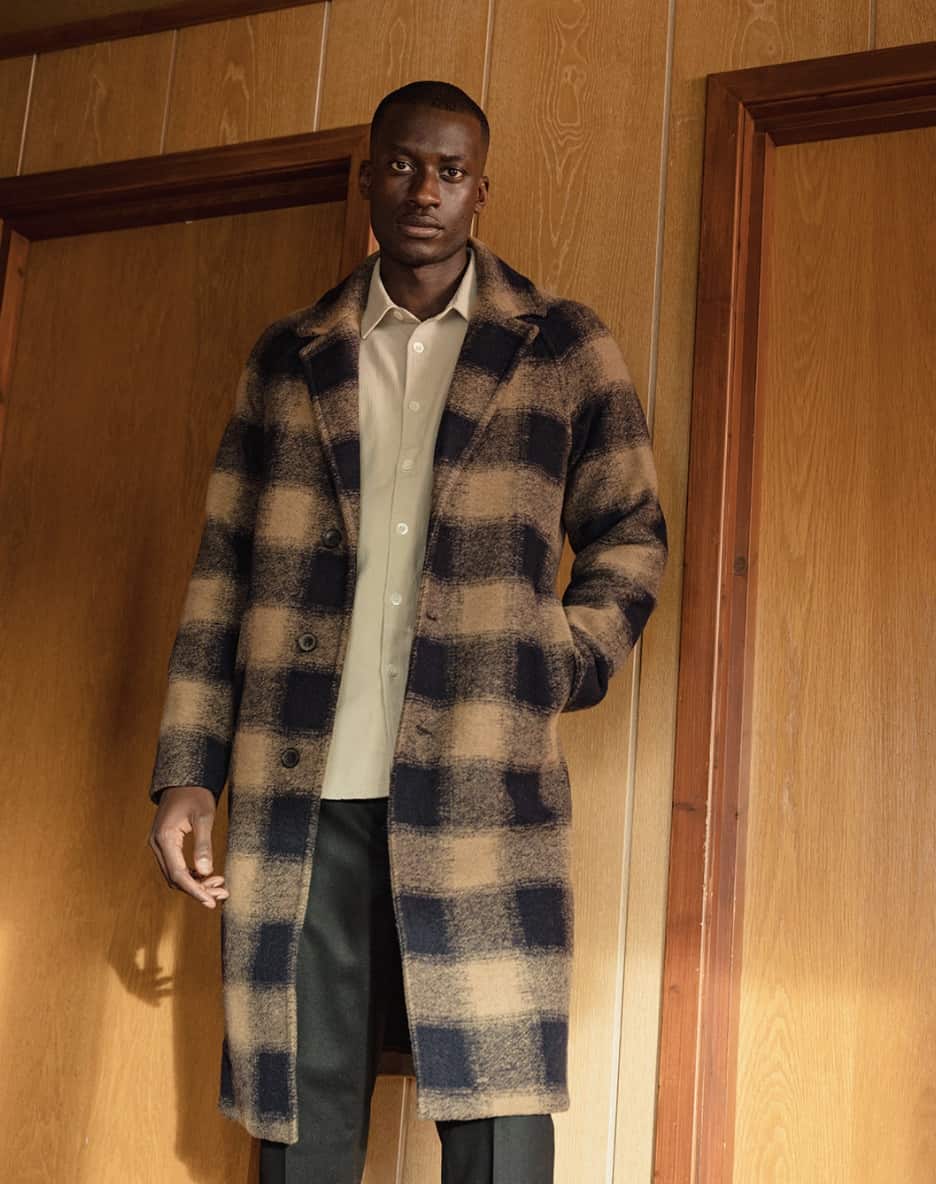
- Material and Color: Opt for trousers in wool, wool blends, or high-quality cotton. Black, charcoal grey, or dark navy are the most suitable colors.
- Fit: Tailored trousers should have a clean, classic fit. A slight taper can be flattering, but avoid overly skinny or wide-leg styles.
- Pairing: These can be worn with a dress shirt and a blazer, or with a fine knit sweater. Brands like Paul Smith offer well-cut chino trousers that can serve this purpose.
Option 5: The Overcoat
For colder months or to add an extra layer of formality and protection from the elements, an overcoat is an essential item.
- Style and Color: A classic wool overcoat in black, dark grey, or dark navy is ideal. Styles such as the Chesterfield or a simple single-breasted wool coat are timeless.
- Functionality: The overcoat should be long enough to cover the suit jacket or blazer, providing a cohesive and polished appearance.
- Material: Look for high-quality wool or wool blends that offer warmth and durability. Brands like Velasca offer elegant wool-blend overcoats.
Option 6: Black Leather Shoes
Footwear is a crucial element of any outfit, and for a funeral, it must be impeccable.

- Style: Black cap-toe Oxford shoes are the gold standard for funeral attire. They are classic, formal, and exude sophistication. Black loafers or Chelsea boots can also be acceptable, provided they are clean, polished, and in good condition.
- Condition: Shoes should be meticulously polished and free from scuffs or damage. This attention to detail signifies respect for the occasion.
- Avoidance: Never wear casual shoes like sneakers, trainers, or open-toed sandals. These are entirely inappropriate for a funeral setting. Brands like Myrqvist offer high-quality leather shoes suitable for formal occasions.
What to Avoid: Items That Undermine Respect
Certain clothing items are generally considered inappropriate for funerals due to their casual nature, distracting elements, or lack of solemnity.
1. Casual Footwear
- Sneakers and Trainers: Unless specifically requested by the family (which is rare), sneakers are a definite no-go. They are inherently casual and detract from the respectful tone of a funeral. Even "smart" or "minimalist" sneakers should be avoided.
- Flip-flops and Sandals: These are highly inappropriate and disrespectful. They convey a sense of informality that is completely at odds with the gravity of a funeral.
2. T-shirts and Casual Tops
- Graphic T-shirts: T-shirts featuring loud graphics, slogans, or logos are unacceptable. They are too casual and can be seen as disrespectful.
- Baggy or Ill-fitting Tops: Even plain T-shirts can be problematic if they are baggy or poorly fitted. A fitted, high-quality plain black t-shirt might be permissible in some very specific, informal circumstances, but it is generally safer to opt for a dress shirt.
3. Jeans and Casual Trousers
- Denim: Unless explicitly permitted by the family, jeans are generally considered unsuitable. This includes ripped, distressed, or overly faded denim. Even dark, slim-fit jeans can be too casual for most funeral services.
- Shorts and Cargo Pants: These are entirely inappropriate for a funeral.
4. Loud Colors and Patterns
- Bright Hues: Unless a specific request is made for colorful attire (e.g., a "celebration of life"), bright colors should be avoided. The color palette should be predominantly neutral and somber.
- Bold Patterns: While subtle patterns on ties or socks might be acceptable, large, distracting patterns on clothing should be avoided.
5. Overly Casual or Revealing Clothing
- Athletic Wear: Any form of sportswear, including tracksuits, athletic shorts, or sports jerseys, is inappropriate.
- Revealing Garments: Clothing that is too tight, too short, or too revealing (e.g., low-cut shirts) should be avoided. The focus should be on modesty and decorum.
6. Scruffy or Unkempt Items
- Wrinkled or Stained Clothing: All garments should be clean, pressed, and free from any visible damage, such as rips, pulls, or stains.
- Unpolished Shoes: As mentioned, footwear should be in excellent condition and polished.
- Incorrectly Tied Tie: If wearing a tie, ensure it is the correct length, typically reaching the belt buckle.
Factors to Consider When Choosing Funeral Attire
Beyond the general guidelines, several specific factors can influence your clothing choices.

Time of Year and Weather
- Summer: Lighter fabrics for suits and shirts are advisable. Consider a breathable wool blend or a lightweight cotton. Layers should be minimized, but a light blazer or a smart jacket may still be appropriate.
- Winter: Warmer fabrics like heavier wool are suitable. An overcoat, scarf, and gloves can be necessary accessories. Ensure that any outerwear is also in dark, somber colors.
- Rain: If rain is expected, an umbrella and waterproofed footwear or overshoes might be practical, but they should still align with the overall somber aesthetic.
The Family’s Wishes and Cultural Norms
- Specific Requests: The most important consideration is the wishes of the deceased’s family. They may request guests wear black, or they might suggest a different dress code, such as bright colors to celebrate the life of the departed. Always heed these requests.
- Cultural Variations: While black is common in many Western cultures, other cultures may have different traditions. For instance, in some East Asian cultures, white is worn for mourning. It is respectful to be aware of and adhere to the specific cultural norms of the service.
Personal Circumstances and Budget
- Accessibility: Not everyone has a full wardrobe of formal wear readily available. If budget is a constraint, focus on the most essential items. A dark suit or dark trousers and a dark jacket with a white shirt can be a respectable combination.
- Second-hand Options: Well-maintained second-hand clothing can be a practical and economical choice for funeral attire.
Beyond the Clothes: The Broader Context
The act of dressing appropriately for a funeral is more than just following a dress code; it’s a non-verbal communication of empathy, support, and respect. It acknowledges the shared human experience of loss and the importance of communal grieving. In a world that often prioritizes individuality and self-expression, adhering to traditional funeral attire serves as a reminder of collective values and the significance of marking profound life events with solemnity. The careful selection of attire, therefore, becomes a quiet but powerful tribute to the departed and a gesture of solidarity with those left behind. By understanding and respecting these sartorial conventions, individuals can navigate such sensitive occasions with grace and dignity.
