
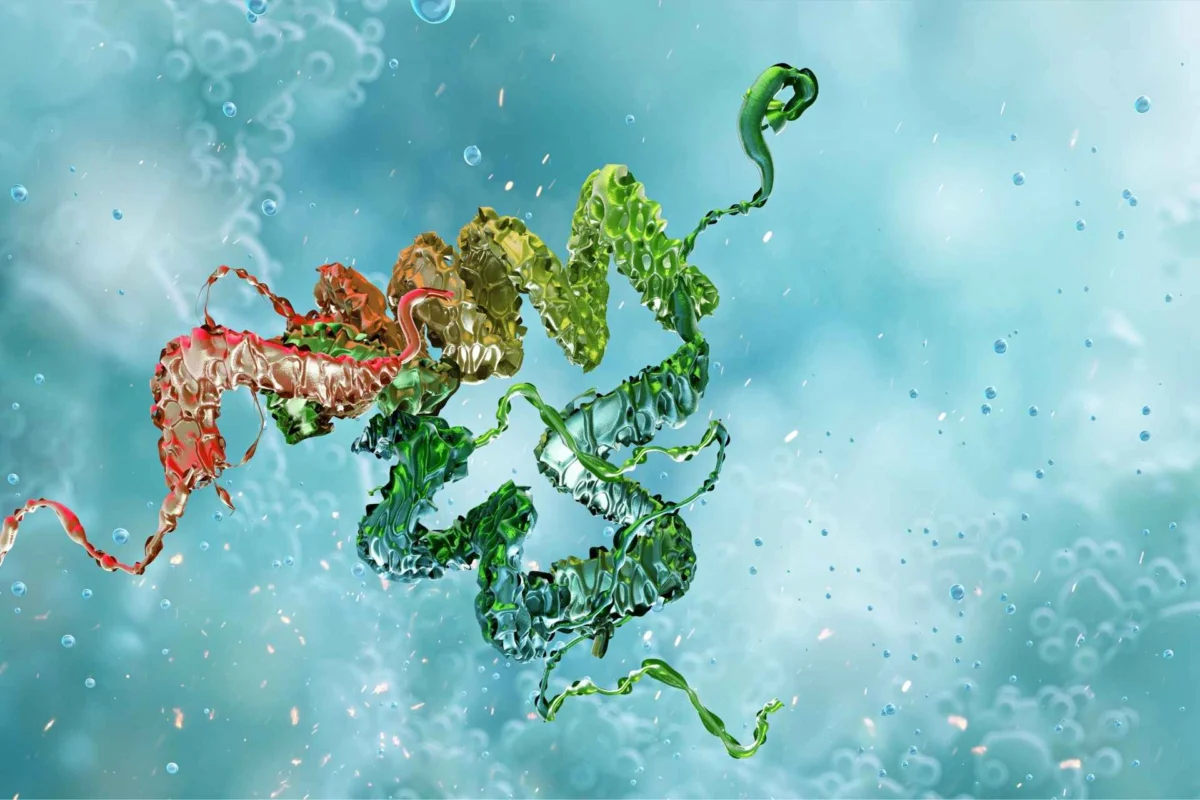
The human gastrointestinal tract serves as a complex ecosystem, housing trillions of microorganisms that play a fundamental role in digestion, vitamin synthesis, and immune system modulation. However, the delicate balance between the host and these microbes is a precarious one; normally beneficial bacteria can transform into opportunistic pathogens if they breach the protective barriers of the intestinal lining. A groundbreaking study led by researchers at the Cleveland Clinic has identified a specific protein, High Mobility Group Box 1 (HMGB1), as a primary sentinel in this defense system. Published in the journal Cell Host & Microbe, the research reveals that HMGB1 is secreted into the colonic mucus to physically block bacterial adhesion and suppress microbial virulence, offering a new perspective on the pathogenesis of inflammatory bowel diseases such as ulcerative colitis.
The Role of HMGB1 in Mucosal Immunity
The colon is protected by a thick, multi-layered coating of mucus that serves as the first line of defense against the dense population of gut microbiota. Under healthy conditions, this barrier prevents microbes from coming into direct contact with the underlying epithelial cells. When this barrier fails, bacteria can attach to and invade the gut wall, triggering a cascade of inflammation and tissue damage. While the structural components of mucus, such as mucins, are well-studied, the specific biochemical signals that regulate bacterial behavior within this layer have remained partially shrouded in mystery.
HMGB1 has long been recognized by cell biologists as a versatile protein. Within the nucleus, it acts as a DNA-binding protein that stabilizes nucleosomes and regulates transcription. When cells are stressed or damaged, HMGB1 is often released into the extracellular space, where it typically functions as a "danger signal" or alarmin, alerting the immune system to injury. However, the study led by Anne-Marie Overstreet and her colleagues at the Cleveland Clinic suggests a far more proactive and homeostatic role for the protein. In the healthy gut, HMGB1 is not merely a marker of damage but a constitutive component of the defensive mucus layer, specifically tasked with keeping commensal bacteria in a non-threatening state.
Chronology of the Research and Experimental Methodology
The investigation began with an analysis of the distribution of HMGB1 in healthy human intestinal tissue versus tissue from patients suffering from ulcerative colitis. The research team observed a striking correlation: in healthy individuals, HMGB1 was abundant not only within the epithelial cells but also throughout the overlying mucus layer. Conversely, in patients with active ulcerative colitis, the protein was significantly depleted or entirely absent from the mucus, particularly in regions characterized by severe ulceration and inflammation.
To understand the mechanics behind this observation, the researchers turned to murine models. They developed specialized strains of mice lacking the HMGB1 protein specifically within their intestinal epithelial cells. This targeted deletion allowed the team to isolate the effects of the protein in the gut without interfering with its essential functions in other organs. The chronology of the experiments followed a logical progression:
- Baseline Observation: Researchers confirmed that in healthy mice, HMGB1 is continuously released into the colon’s mucus.
- Microbial Signaling: By using germ-free mice—animals raised in sterile environments without any gut bacteria—the team discovered that the release of HMGB1 is not spontaneous. Instead, it is triggered by signals from the gut microbiota themselves. In the absence of bacteria, HMGB1 remained trapped inside the epithelial cells.
- Deficiency Consequences: In mice where HMGB1 was genetically removed from the gut lining, the protective barrier failed. Bacteria were observed moving through the mucus layer, adhering directly to the intestinal cells, and invading the tissue, leading to symptoms mimicking human inflammatory bowel disease.
Molecular Mechanisms: The FimH-ToH1 Interaction
A critical component of the study involved identifying how HMGB1 interacts with bacteria at a molecular level. The researchers focused on Escherichia coli, a common inhabitant of the human gut that can become pathogenic under certain conditions. They discovered that HMGB1 acts as a molecular "decoy" or "shield" by binding to FimH, a well-known bacterial adhesin.
FimH is a protein found on the tips of fimbriae (hair-like appendages) on the surface of E. coli and other Enterobacteriaceae. Bacteria use FimH to latch onto mannose sugars on the surface of host cells, a process essential for colonization and infection. The Cleveland Clinic study revealed that HMGB1 binds specifically to a domain of FimH known as ToH1. By occupying this site, HMGB1 effectively "clumps" the bacteria together—a process known as agglutination—and prevents them from using their fimbriae to dock onto the intestinal wall.
Furthermore, the binding of HMGB1 to ToH1 appears to send a signal to the bacteria that suppresses their virulence. When exposed to HMGB1, normally aggressive strains of E. coli showed a reduction in the expression of genes associated with inflammation and tissue invasion. This suggests that HMGB1 does more than provide a physical barrier; it actively manages the "behavioral" state of the microbiota, ensuring they remain commensal rather than pathogenic.
Supporting Data and Comparative Analysis
The researchers utilized computer modeling and high-resolution imaging to validate their findings. The data indicated a mathematical relationship between the concentration of HMGB1 and the prevalence of FimH-expressing bacteria. As the levels of HMGB1 in the mucus decreased, the population of bacteria capable of expressing the FimH adhesin increased proportionally.
In human clinical samples, the team found that the severity of ulcerative colitis was directly tied to this breakdown. In healthy tissue, the presence of HMGB1 kept FimH-expressing bacteria at bay. However, in the inflamed colon of a UC patient, the lack of HMGB1 created a "niche" that allowed virulent, FimH-positive bacteria to dominate and penetrate the epithelial lining. This provides a clear mechanistic link between a host protein deficiency and the microbial dysbiosis observed in chronic inflammatory conditions.
Scientific and Clinical Implications
The implications of this study are significant for the field of gastroenterology and the development of new therapeutics. Currently, treatments for ulcerative colitis and Crohn’s disease largely focus on suppressing the immune system’s overactive response. While drugs like biologics (anti-TNF agents) and corticosteroids are effective for many, they often come with systemic side effects and do not address the underlying cause of why the bacteria were able to trigger the inflammation in the first place.
The identification of the HMGB1-FimH-ToH1 axis opens the door for "precision" antibacterial strategies. Rather than using broad-spectrum antibiotics that kill both "good" and "bad" bacteria, researchers could potentially develop small molecules or synthetic proteins that mimic the action of HMGB1. By specifically targeting the ToH1 domain of FimH, such treatments could prevent bacterial invasion without disrupting the overall balance of the microbiome.
Moreover, HMGB1 levels in colonic mucus could serve as a valuable biomarker for disease progression. Measuring the depletion of this protein in stool samples or during colonoscopies might allow doctors to predict flares in ulcerative colitis patients before clinical symptoms become severe, enabling earlier intervention.
Analysis of the "Leaky Gut" Phenomenon
This research adds a sophisticated layer to the popular concept of "leaky gut." While the term is often used loosely in wellness circles, in a clinical context, it refers to increased intestinal permeability. The Cleveland Clinic study demonstrates that permeability is not just a matter of the "gaps" between cells (tight junctions) failing, but also a failure of the biochemical "gatekeeper" in the mucus.
The fact that gut bacteria themselves trigger the release of HMGB1 suggests a co-evolutionary relationship. The host has developed a system where the presence of the microbiota essentially "turns on" the very defense mechanism required to keep those microbes in check. This feedback loop is essential for homeostasis. When it breaks down—whether due to genetic factors, environmental triggers, or a primary loss of HMGB1—the result is a catastrophic failure of the gut’s internal borders.
Future Research Directions
While the findings in mice and human tissue samples are compelling, several questions remain for future investigation. Researchers are keen to determine why HMGB1 becomes depleted in the mucus of ulcerative colitis patients. It is currently unclear if the reduction in HMGB1 is a primary genetic defect or if it is secondary to the inflammation itself, creating a vicious cycle where inflammation destroys the protein, which in turn allows more bacterial invasion and more inflammation.
Additionally, the study focused heavily on E. coli. Future research will likely explore whether HMGB1 interacts with other common gut pathogens or commensals in a similar way. If the protein serves as a universal "anti-adhesive" agent, its therapeutic potential could extend beyond IBD to other gastrointestinal infections or even urinary tract infections, where FimH-mediated adhesion is also a critical step in the infection process.
Conclusion
The study by Anne-Marie Overstreet and her team represents a paradigm shift in our understanding of gut health. By repositioning HMGB1 from a simple marker of cell death to a sophisticated guardian of the mucosal barrier, the research provides a missing link in the complex interaction between the human host and its microbial inhabitants. As the scientific community continues to move toward personalized medicine, the ToH1 domain of bacterial adhesins stands out as a promising target for therapies that seek to restore the natural balance of the gut rather than simply suppressing the symptoms of its failure.
The findings underscore the importance of the "unseen" defenses within our bodies. In the struggle to maintain health, the colon does not merely act as a passive container; it actively monitors and manages its microbial load through the secretion of specialized proteins like HMGB1. For the millions of people worldwide suffering from inflammatory bowel diseases, this discovery offers not only a deeper understanding of their condition but also the hope of more effective, targeted treatments in the years to come.
