
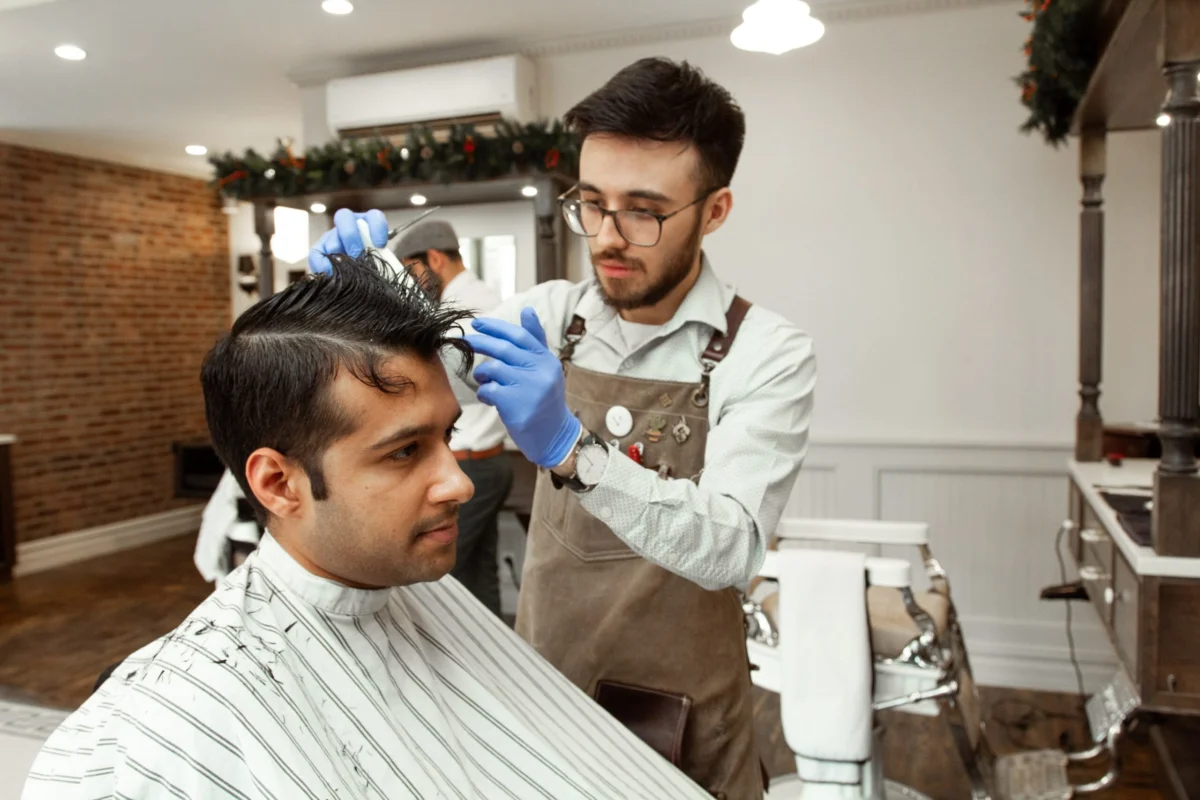
A man’s hair has historically served as a powerful signifier of his status, signaling class, wealth, and masculinity. While the nuances of style have evolved over centuries, the fundamental importance of a well-maintained hairstyle remains. The cuts that graced the heads of historical figures and cultural icons continue to influence contemporary trends, proving their timeless appeal. This exploration delves into twelve iconic men’s hairstyles that have transcended eras, offering enduring inspiration for modern grooming.

Alexander the Great’s Shaggy, Yet Stylish Mane
The logistical demands of leading the Macedonian empire left little room for elaborate grooming. Alexander the Great’s solution was a naturally tousled, shaggy cut that proved remarkably practical. This style, characterized by its relaxed texture, is particularly well-suited for men with naturally curly hair. According to Alex Glover, a master barber at Murdock, this look is best worn pushed slightly off the face and tucked behind the ears, allowing the hair’s natural growth pattern to frame the wearer’s features.
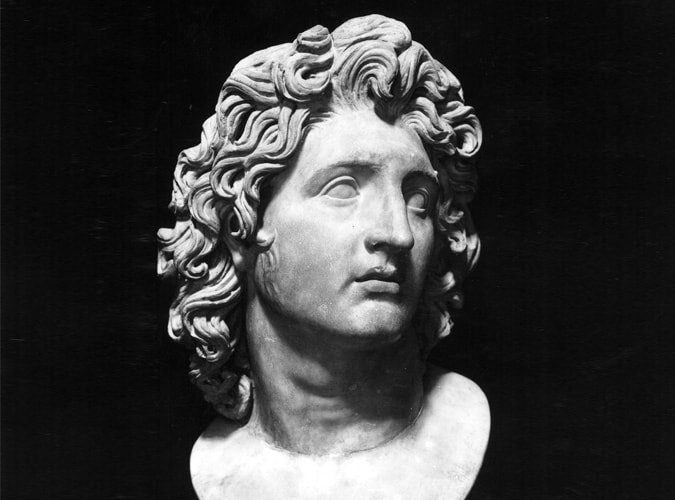
In contemporary times, the abundance of styling products allows for the enhancement of this style’s inherent texture. Applying a sea salt spray while drying the hair can amplify its natural waves and volume, while a matte clay or putty can provide necessary hold and definition. However, the suitability of this style is context-dependent. For those in formal or corporate environments, the "texture" might be misconstrued as untidiness. It aligns best with a more relaxed dress code, such as smart casual or raw denim. To maintain the intended aesthetic, it’s recommended to wear this style without significant facial hair, mirroring Alexander’s own preference for a clean-shaven appearance, which emphasized the overall untamed yet controlled look of his hair.
Brad Pitt’s Enduring Buzz Cut
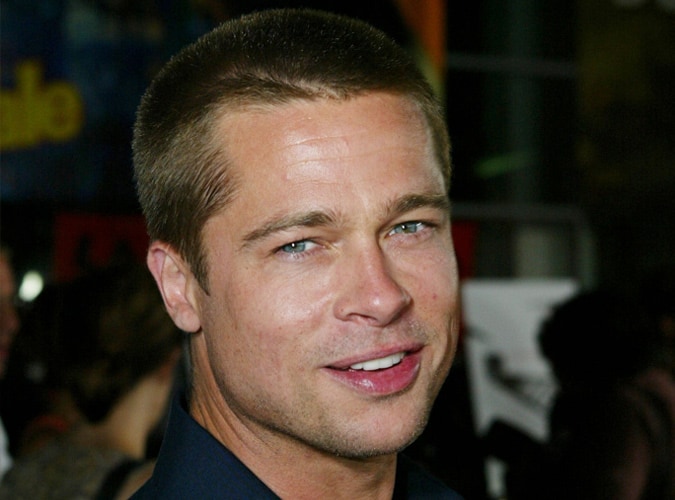
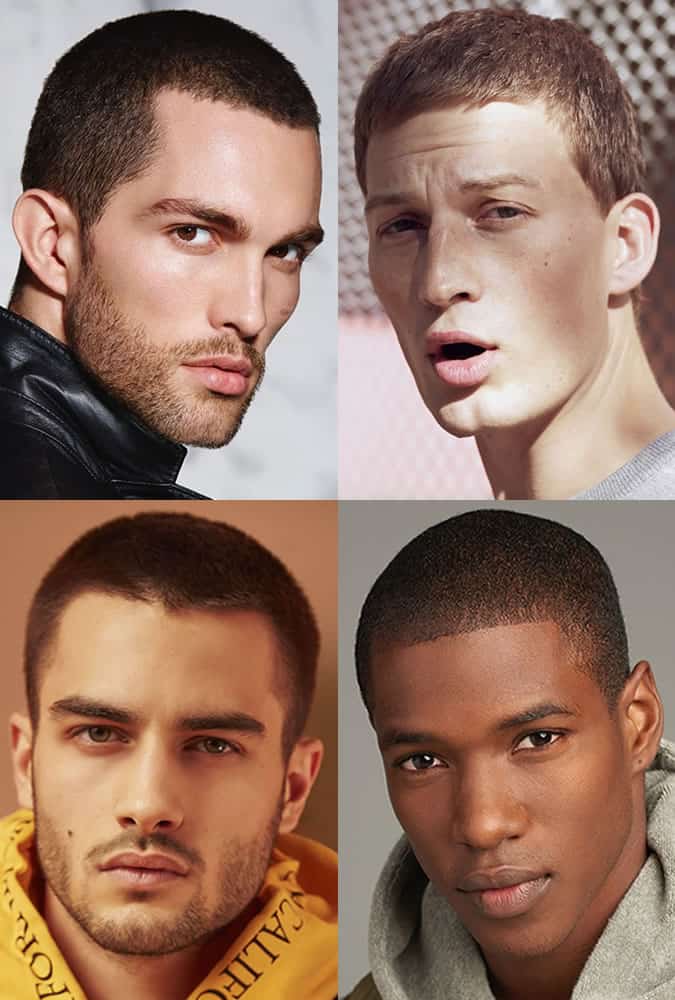
The early 2000s are often recalled as a period of questionable men’s hair trends, marked by exaggerated styles like slicked-back fringes and frosted tips. In contrast, the buzz cut, popularized by actor Brad Pitt around 2005, offers a more enduring and universally flattering alternative. Joe Mills, owner of Joe & Co barbers, notes the resurgence of military-inspired haircuts, with the buzz cut leading the charge. This trend has been observed on fashion runways and has gradually permeated mainstream style as a departure from the ubiquitous "short back and sides."

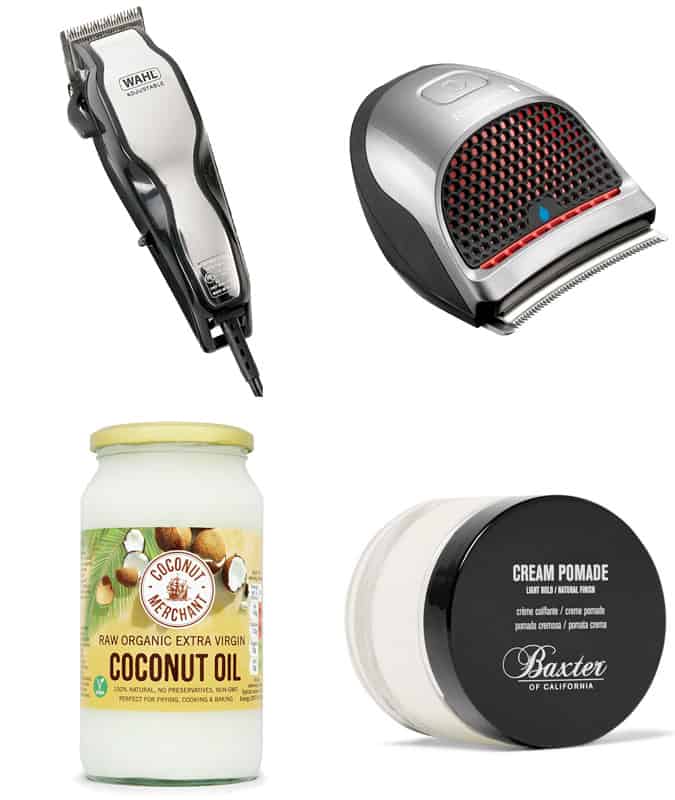
The name "buzz cut" derives from the sound of the electric clippers used to achieve it. While a uniform length can be achieved at home, professional barbers can expertly tailor the cut to camouflage scars or address concerns like a prominent occipital bone, ensuring a polished finish. The versatility of the buzz cut, ranging from a close shave to slightly longer variations, makes it a consistently popular choice for its low maintenance and clean aesthetic.
JFK’s Quintessential Ivy League Cut
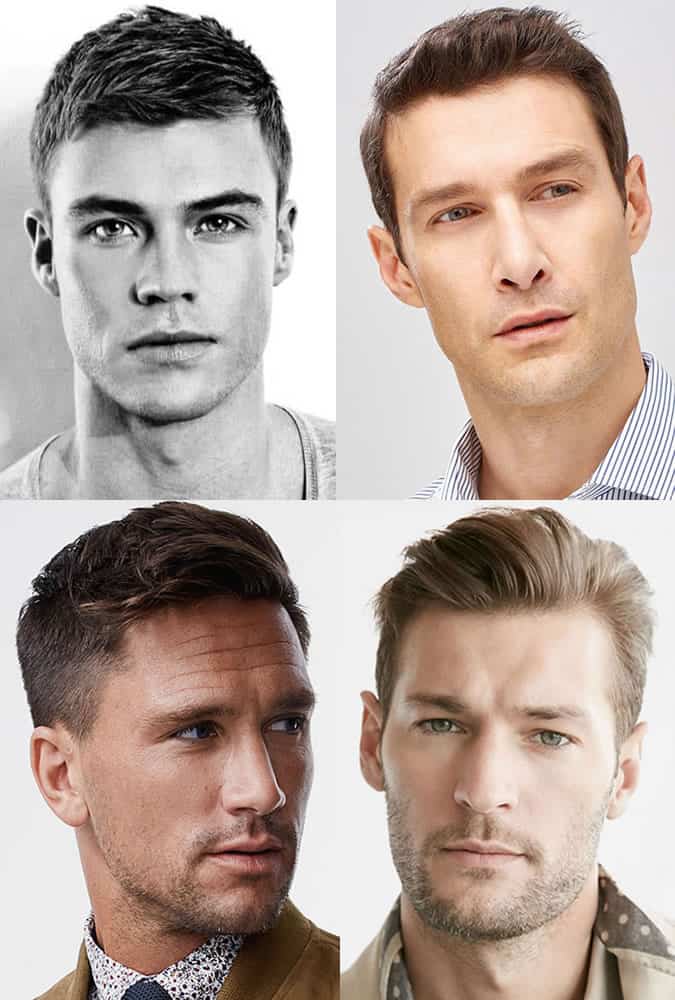
Shifting away from the more ostentatious styles of the 1950s, the Ivy League cut, also known as the Harvard Clip or Princeton, emerged as a refined and preppy staple. This style is essentially a slightly longer iteration of the military crew cut, offering more versatility in styling. Its popularity was significantly boosted by John F. Kennedy, whose impeccable grooming set a standard for the era. The added length on top allows for styling, traditionally into a neat side parting, a look echoed by contemporary style icons like Daniel Craig and Ryan Gosling.
The prevalence of the Ivy League cut during the 1950s and early 1960s was partly influenced by the strict grooming policies of Ivy League universities. This widespread adoption cemented its status as a classic barbershop offering. To achieve this look, barbers typically use a graduated clipper length on the back and sides, blending from a higher number at the top to lower numbers towards the nape. The top is then meticulously trimmed with scissors to maintain a neat, structured appearance, often styled with a medium-hold, moderate-shine product.
David Beckham’s Textured Falling Quiff
David Beckham, a perennial style icon, has sported numerous memorable hairstyles, but his textured falling quiff stands out for its blend of contemporary flair and classic appeal. This style eschews the sharp lines of a typical fade, opting instead for a softer, more organic finish achieved through meticulous scissor work on the back and sides. This technique enhances texture and creates a less stark contrast, contributing to the overall effortless look.

Styling this quiff involves a combination of paste and pomade, emulsified in the hands before application to towel-dried hair. A touch of sea salt spray can further boost texture. The hair is then raked backward and scrunched to create the signature "falling strand" effect. This style is best suited for men with medium to thick hair possessing a natural wave, as it relies on the hair’s own texture for volume and movement. It’s a style that performs best when worn with a degree of casual confidence, rather than during strenuous activity that might disrupt its carefully constructed volume.
River Phoenix’s Embrace of Long, Textured Hair
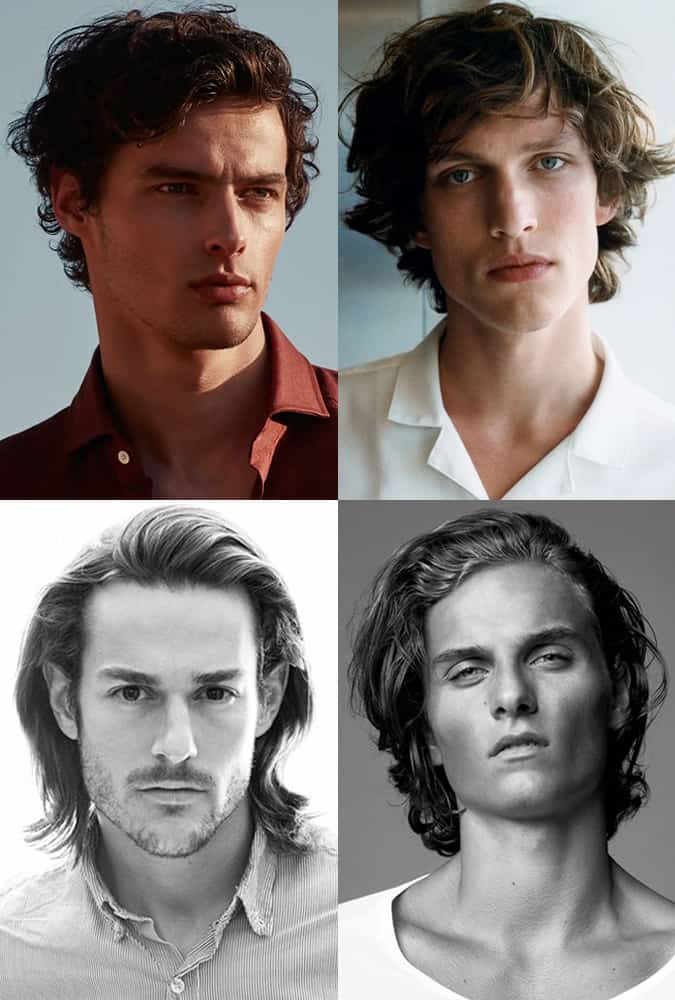
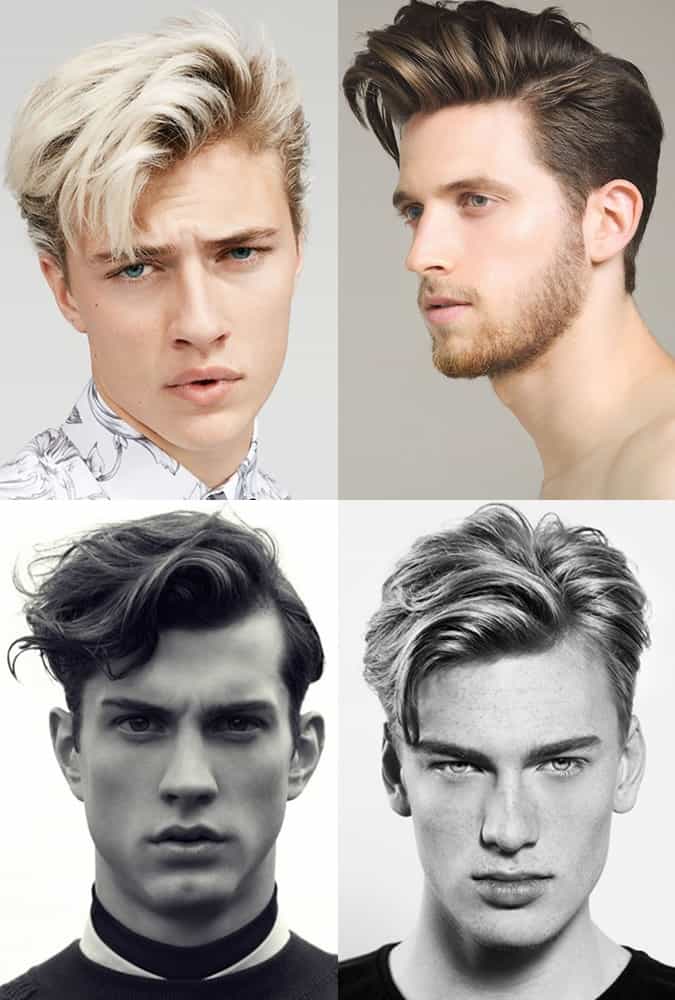
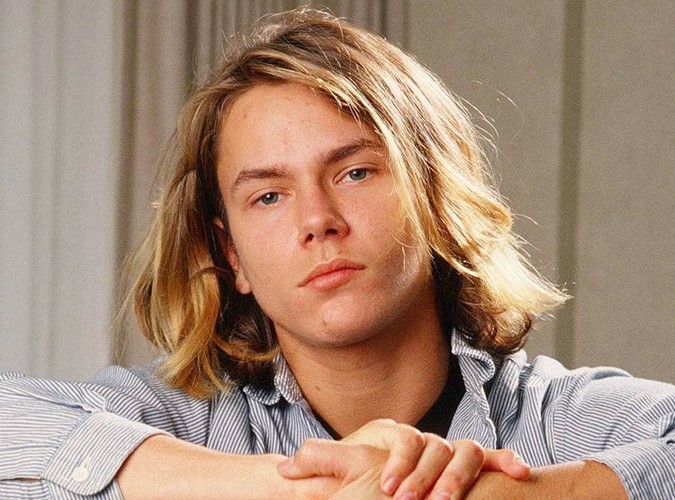
The 1970s marked a significant shift in men’s grooming, with longer hairstyles gaining widespread acceptance for the first time in centuries. This trend, initially a departure from shorter, more conventional styles, persisted well into the 1980s, championed by young actors like River Phoenix. This era’s aesthetic has seen a notable resurgence in contemporary fashion, heavily influenced by designers like Gucci.

Recreating this look involves strategic layering by a barber, which adds softness and adaptability to various face shapes. The guiding principle for long hair layers is to maintain visual balance, ensuring the cut appears cohesive rather than disjointed. Essential for maintaining the health and appearance of longer hair are strengthening shampoos and conditioners. Styling products such as surf sprays or texturizing creams can enhance volume and definition, bringing out the hair’s natural movement and texture.

Jean-Michel Basquiat’s Iconic Short Dreads
Artist Jean-Michel Basquiat’s professional career, though brief, left an indelible mark on art and culture, including his distinctive hairstyle. His short dreads have become an enduring symbol, continuing to inspire contemporary afro hairstyles, notably seen on artists like The Weeknd. However, achieving dreadlocks is a process that requires time and dedicated effort.
The creation of dreadlocks involves twisting and locking the hair, a technique best performed by experienced professionals to ensure proper formation and avoid damage. While the initial process requires expert intervention, the upkeep of dreadlocks is manageable at home. This typically involves regular twisting and rinsing the hair, rather than frequent shampooing, to maintain the locks’ integrity. The application of wax or moisturizing gel can further help in maintaining the style and controlling any stray hairs, ensuring a neat and polished appearance.

Julius Caesar’s Timeless Face-Framing Crop
Julius Caesar’s short, textured crop is as recognizable today as it was millennia ago, a testament to its enduring flattery and adaptability. This style, characterized by hair trimmed to a uniform length all over, offers a gentle framing effect for the face, accentuating bone structure. Master barber Alex Glover emphasizes that the edges should maintain a natural texture, avoiding an overly neat or sharp appearance. This approach ensures the cut looks intentional yet effortlessly styled.
The Caesar crop is particularly advantageous for individuals with thinner hair, as it creates the illusion of greater thickness. To further enhance this effect, allowing the hair to air dry naturally after showering and applying a light styling cream, gum, or wax can provide definition without weighing the hair down. While the style itself is classic, it’s important to avoid pairing it with historically anachronistic attire, such as a toga, to maintain a contemporary relevance.

Cillian Murphy’s Disconnected Undercut
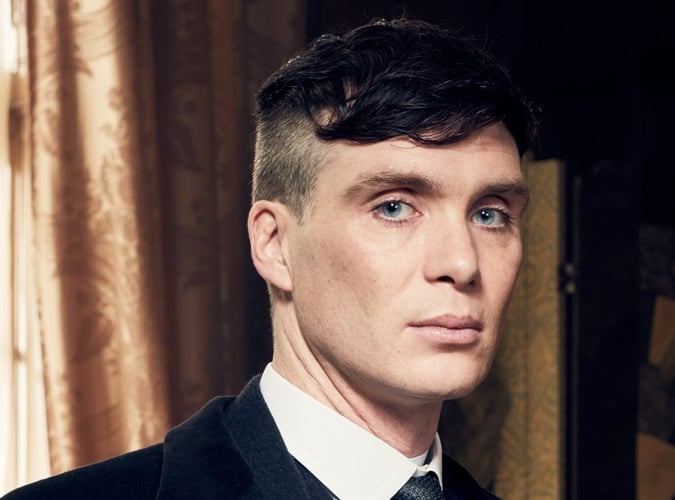
Cillian Murphy’s portrayal of Thomas Shelby in the critically acclaimed series Peaky Blinders has reignited interest in early 20th-century aesthetics, particularly in men’s grooming. The show’s distinct visual style, including its hairstyles, has captivated audiences, driving a trend towards traditional barbering techniques. Liam Campbell, a senior barber at Nomad in Shoreditch, observes a shift back to barbershops and a preference for classic styles.

The disconnected undercut, popularized by the show, features significant length on top with tightly faded or shaved sides. This contrast creates a sharp, defined silhouette. Campbell advises requesting a skin fade on the sides for maximum definition and a raw edge. This style offers a bold yet refined look, embodying a sense of calculated swagger. While the overall aesthetic leans towards a raw, edgy appeal, the precision of the cut ensures a sophisticated finish, making it a standout choice for modern men.

Elvis Presley’s Textured Pompadour
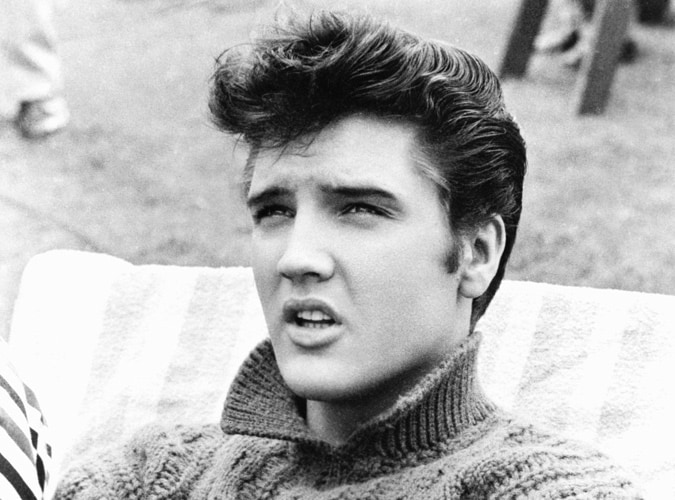
The pompadour, a style synonymous with the rock and roll era, remains a classic choice, but its modern interpretation requires a departure from its original, more rigidly styled form. While Elvis Presley’s iconic quiff set a benchmark, contemporary versions emphasize texture and a more natural flow. This updated pompadour is generally suited for individuals with thicker hair and a natural wave, allowing for a softer, less structured appearance.

To achieve a modern pompadour, a short taper on the neckline and softer scissored texture on top are recommended. Styling begins with a cream applied to damp hair, followed by a rough dry using fingers to shape the quiff. A fiber product can then be used sparingly for hold and definition. For those whose hair tends to lose volume, a strong-hold hairspray can be employed to maintain the pomp throughout the day, ensuring the style endures from morning to night.

Will Smith’s High-Top Fade
The 1980s, a golden age for hip-hop and rap music, also gave rise to iconic hairstyles that symbolized the era’s vibrant culture. The high-top fade, worn by artists like Big Daddy Kane, Kid ‘n Play, and Will Smith (The Fresh Prince), became a definitive look of this period. This style, characterized by its sculpted vertical volume, requires a skilled barber for its precise execution.

Afro specialist Richard Tucker highlights the high-top fade as an art form for barbers, appreciated by clients for its precision and ability to manage thick, curly hair. Maintaining this style necessitates regular visits to the barber, typically every couple of weeks, to preserve its sharp lines and proportions. Styling involves using a bristle brush to manage flyaways and a pomade to add shine and definition. For full high-top variations, hairspray and an afro comb are essential tools for shaping and securing the hair, ensuring the style remains intact.
Liam Gallagher’s Brit Pop Mop
The 1990s in Britain were defined by a cultural explosion, including the rise of Brit Pop, and its associated fashion and hairstyles. Amidst the popularity of more conventional "curtain" and "bowl" cuts, Oasis frontman Liam Gallagher’s signature messy, textured mop emerged as the ultimate style statement. His hair perfectly encapsulated the era’s youthful, rebellious rock ‘n’ roll attitude.
Recreating Gallagher’s look requires a skilled barber who understands how the fringe and sideburns should sit differently on various hair types. Reference photos are crucial for achieving the desired effect. Once the cut is established, minimal styling is required. Texturizing products and a nonchalant attitude are key to maintaining the intentionally unkempt yet stylish appearance that characterized this iconic 90s hairstyle.

George V’s Classic Slick Side-Parting
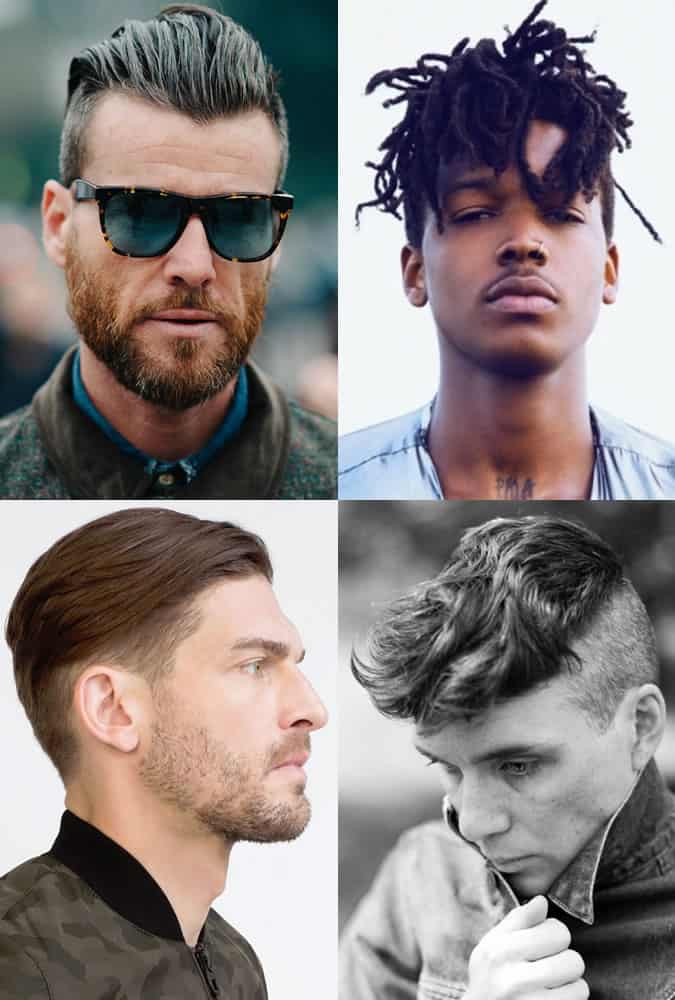
The side-parting, a style that has remained a cornerstone of men’s grooming for decades, experienced a particular resurgence in popularity around 2010, often paired with the growing trend of beards. King George V, known for his impeccable grooming, exemplified a refined and timeless approach to this style, which remains relevant across different eras. Alan Jones, from Alan Jones Men’s Grooming, notes that the side-parting’s versatility allows it to be worn at various lengths, making it an ideal choice for in-between haircuts.
A modern interpretation of the side-parting often involves tapering the back and sides for a cleaner finish. Styling can be achieved with wax or pomade for a slick, polished look, or a matte paste or clay for a more natural texture. For those with unruly hair, hairspray can effectively set the parting in place. The combination of a well-executed side-parting and a well-groomed beard creates an effortlessly sophisticated and regal appearance, reminiscent of classic male elegance.
