
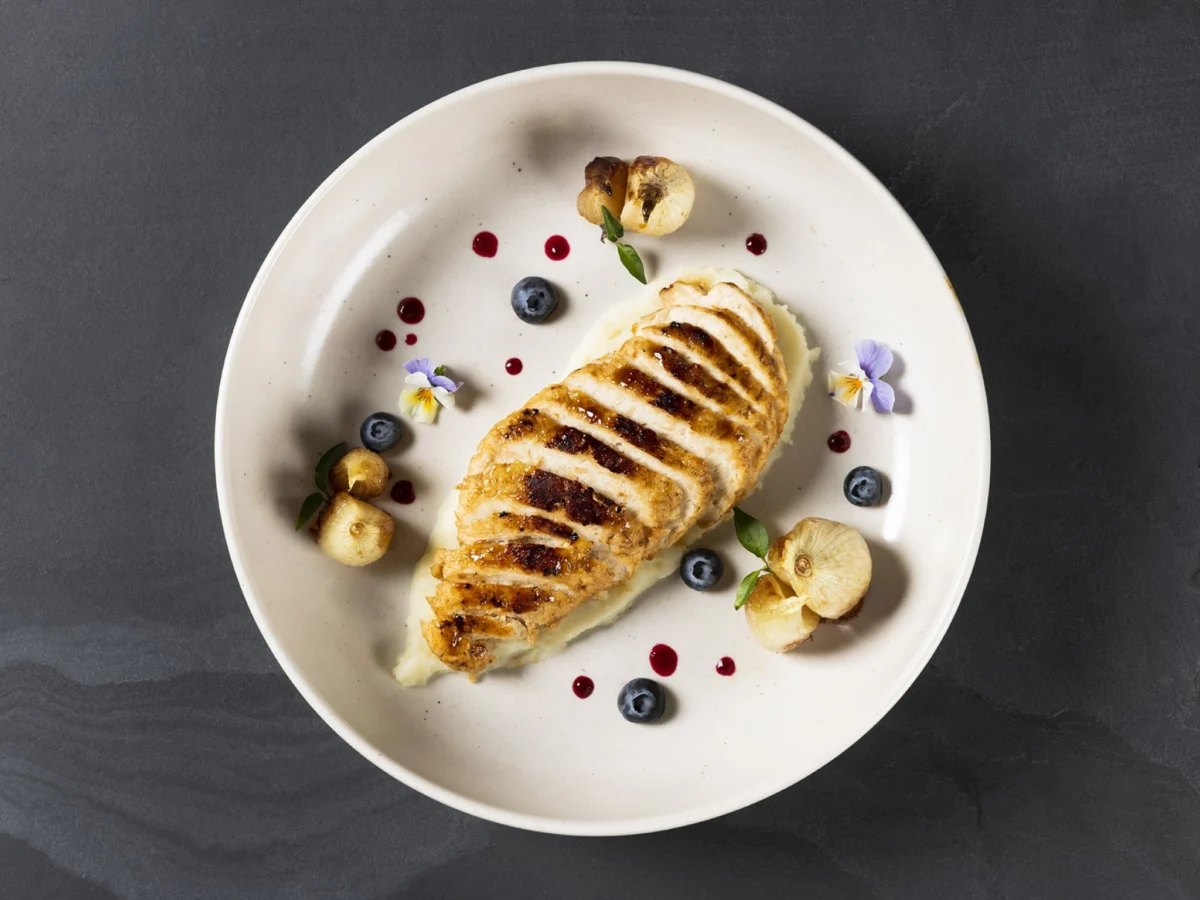
Cultivated meat startup SuperMeat has raised $6 million in fresh financing, as part of a targeted $10 million Series A4 round, and filed for regulatory approval in Switzerland.
Six months after securing $3.5 million in funding, Israeli food tech startup SuperMeat has received another significant boost from investors, signaling continued confidence in the burgeoning cultivated meat sector. The company announced the successful first close of its Series A4 funding round, bringing in $6 million. This latest infusion of capital was led by existing investors Agronomics, a prominent UK-based investment firm focused on alternative proteins, which injected $5 million through the issuance of new ordinary shares, and New Agrarian Company, which contributed $1 million. Milk & Honey Ventures and other existing backers also participated in this funding round. The targeted $10 million raise aims to further propel SuperMeat’s commercialization strategy, which is centered around a licensing-based model. With this initial closing, SuperMeat’s total funding to date now stands at an impressive $24.5 million, a testament to its progress and the increasing investor appetite for sustainable protein solutions.
The company is strategically positioning Switzerland as its initial launch market, having officially filed for regulatory approval to sell its cultivated chicken products in the European nation. This move is a critical step in the long and complex process of bringing lab-grown meat to consumers and signifies SuperMeat’s readiness to navigate stringent regulatory frameworks. The approval process in Switzerland is known for its thoroughness, and a successful outcome would pave the way for wider market access in Europe, where consumer and regulatory interest in novel food technologies is growing.
SuperMeat Hits Several Milestones Ahead of Reorganization Under UK Company
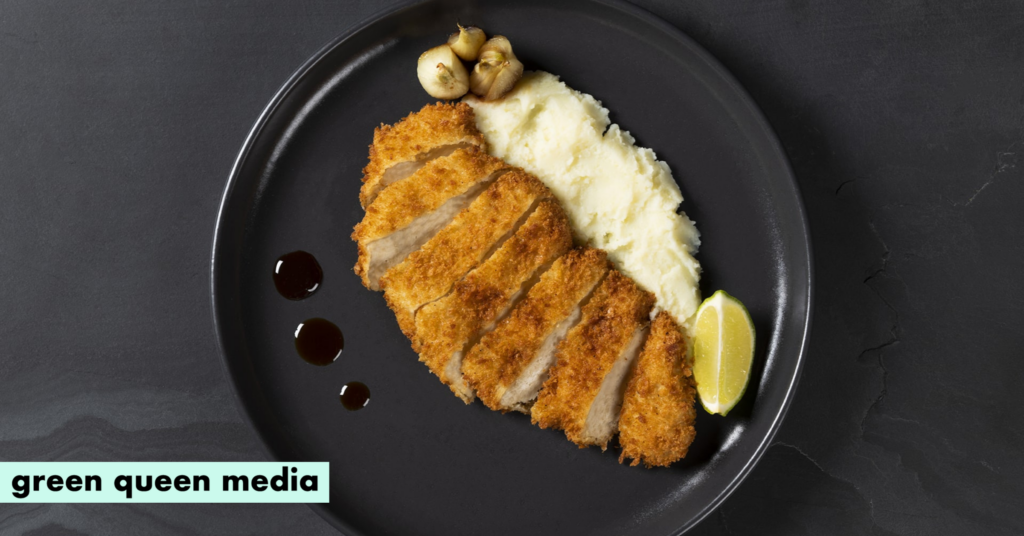
The substantial funding secured by SuperMeat is earmarked to accelerate its path to market, a journey that has been marked by strategic partnerships and significant technological advancements. The company has cultivated a robust ecosystem of collaborations designed to optimize production, reduce costs, and facilitate market entry.
Since 2022, SuperMeat has been engaged in a comprehensive Research & Development and technology development framework agreement with Japanese conglomerate Ajinomoto. Ajinomoto, itself a significant investor in SuperMeat, has been actively expanding its footprint in the future food sector. In a notable development last month, Ajinomoto announced the development of a plant-derived transferrin protein alternative. This innovation is particularly significant for the cultivated meat industry as it promises to substantially lower the cost of culture media, a key component in the production of cell-based meats. The reliance on expensive animal-derived components has been a persistent challenge, and Ajinomoto’s breakthrough offers a potential solution to a critical cost bottleneck.
Further strengthening its European presence, SuperMeat has extended its ongoing collaboration with Micarna Group, a leading Swiss meat processor and a subsidiary of the prominent Swiss retailer Migros Group. This partnership is central to SuperMeat’s strategy for the production and distribution of its cultivated chicken within Switzerland, leveraging Micarna’s established infrastructure and market reach. The involvement of a major retailer like Migros is a strong indicator of market readiness and consumer engagement strategies.
In a move to enhance production efficiency and cost-effectiveness, SuperMeat joined forces last year with Argentinian biotech company Stämm. This collaboration focuses on optimizing production processes to improve yields and reduce manufacturing costs, with a stated goal of bringing cultivated chicken to market by 2026. Such strategic alliances are crucial for scaling up production and achieving price parity with conventional meat.
Environmental sustainability is a core tenet of the cultivated meat movement, and SuperMeat has backed its claims with scientific data. In 2024, a comprehensive life-cycle analysis conducted by CE Delft concluded that SuperMeat’s cultivated meat could generate approximately 50% fewer carbon emissions compared to conventional chicken production. This finding is vital for appealing to environmentally conscious consumers and regulators alike.
According to Agronomics, the near-term milestones achieved by SuperMeat in preparation for market entry are multifaceted. These include joint product development initiatives with Ajinomoto, a crucial Swiss consumer validation study led by Migros to gauge market acceptance, and process verification at a commercial scale to ensure manufacturing viability. The culmination of these efforts is the recent Swiss regulatory submission, a significant step towards commercialization.
SuperMeat is not alone in seeking regulatory approval in Switzerland. Fellow Israeli startup Aleph Farms and Dutch firm Mosa Meat are also awaiting regulatory clearance for their respective cultivated meat innovations in the country. These companies, along with others, have also submitted applications in the UK, indicating a coordinated effort to establish regulatory frameworks across key markets. In line with these international developments, SuperMeat is also progressing a reorganization under a UK holding company, likely to facilitate investment and streamline operations within the European regulatory landscape.
Cost Reduction and Scalability: Key Drivers for Cultivated Meat Funding Success
The success of SuperMeat’s latest funding round underscores the critical importance of cost reduction and scalability in attracting investment within the cultivated meat sector. The industry, while promising, has faced headwinds in securing consistent investor capital, making breakthroughs in these areas paramount.
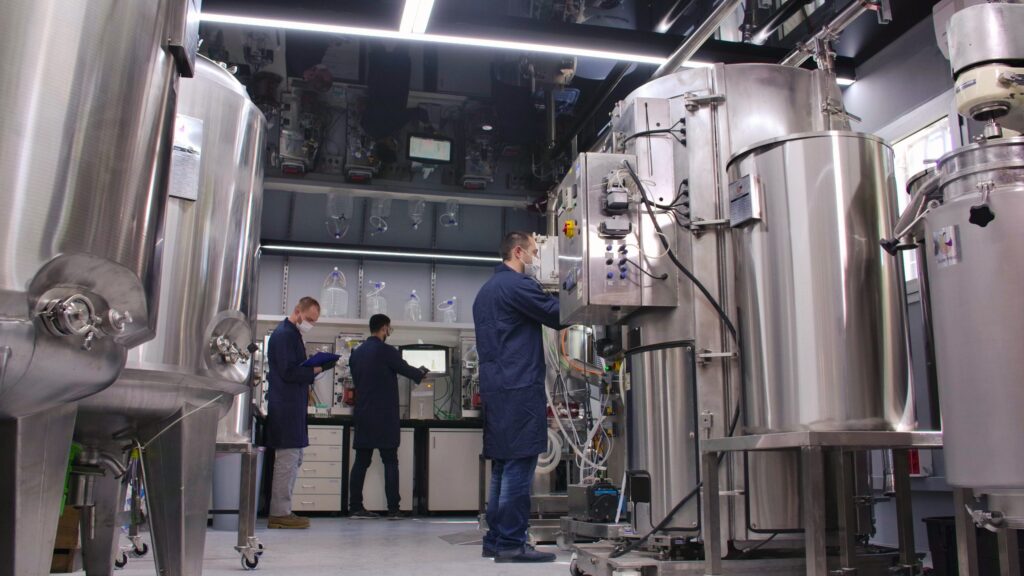
SuperMeat employs a continuous production process that cultivates both muscle and fat cells from chicken cell lines. The process begins with cells being grown in a seeding bioreactor, where they are provided with optimal conditions, including warmth, oxygen, and nutrients, to mature into meat tissues, mimicking natural biological processes. Once the cells reach the desired density, they are harvested by removing the residual liquid feed. This method allows for daily harvesting of the meat mass, which is presented as ground chicken ready for culinary use. The system is designed for efficiency, requiring minimal space and resources. Notably, it can produce three pounds of meat—equivalent to the yield from one conventional chicken—in just two days, a stark contrast to the 42 days required for traditional poultry farming and processing.

A key enabler of SuperMeat’s efficiency is its robust, self-renewing cell line, which allows for rapid growth to densities of 80 million cells per milliliter within a nine-day period. The company has developed a high-throughput system that replaces expensive animal-derived ingredients, such as serum and albumin, with more cost-effective alternatives. This strategic substitution has driven down media costs to under 50 cents per liter, a significant achievement in reducing overall production expenses.
In 2024, SuperMeat reported several breakthroughs aimed at making its cultivated chicken more affordable and competitive. The company’s ability to maintain a highly stable cell line, coupled with a fully controlled, animal-free media formulation and rapid differentiation protocols, has enabled it to achieve production costs of $11.80 per pound at a 25,000-liter scale. This cost point is directly comparable to the price of premium chicken in the United States, a critical benchmark for market acceptance. Furthermore, these cost reductions are achieved with a 100% cultivated chicken product, comprising 85% muscle and 15% fat, without the need for hybrid formulations that incorporate a larger proportion of plant-based ingredients.
As part of the Series A4 round, SuperMeat’s previous SAFE (Simple Agreement for Future Equity) investment from November has now been converted into equity. These shares have been integrated into Agronomics’ existing holdings, solidifying the UK investor’s stake in the company. Agronomics has now invested a total of £15.2 million (approximately $20.5 million) in SuperMeat, holding a significant 27.8% ownership in the cultivated meat maker.
This latest funding round for SuperMeat serves as a vital vote of confidence for the broader cultivated meat sector, which has faced considerable challenges in attracting sustained investment. In the preceding year, startups within this segment collectively raised only $74 million, a figure that represents a nearly 50% decrease from the previous year’s total and is a fraction of the peak investment levels observed in 2021. However, companies demonstrating a clear, cost-efficient, and scalable pathway to market are succeeding in bucking this trend. A prime example is London-based Meatly, which recently secured £10 million (approximately $14.1 million) to establish Europe’s largest cultivated meat facility, with plans to launch pet food products by 2027. These developments suggest a bifurcation in the market, where tangible progress in production economics and market strategy is increasingly rewarded by investors.
The successful closure of SuperMeat’s Series A4 round, coupled with its strategic regulatory filings in Switzerland, signals a maturing cultivated meat industry poised to overcome previous financial hurdles. The focus on cost reduction, efficient production, and clear regulatory pathways is demonstrably paying dividends, positioning companies like SuperMeat at the forefront of a potentially transformative shift in global food production. The coming years will be critical in determining the widespread adoption and impact of this innovative technology.
