

Medical professionals and clinical researchers have identified a growing correlation between Polycystic Ovary Syndrome (PCOS) and Irritable Bowel Syndrome (IBS), two distinct conditions that frequently present as a comorbid pair in female patients. PCOS, a complex endocrine disorder affecting roughly 8% to 13% of women of reproductive age, is increasingly being linked to the functional gastrointestinal disturbances characteristic of IBS. Recent data suggests that while the prevalence of IBS in the general global population hovers around 11%, that figure nearly doubles to 20% among women diagnosed with PCOS. Some specialized clinical observations, including those noted in integrative medicine, suggest the overlap may be as high as 40% in specific patient cohorts.
This intersection of endocrine and gastrointestinal health represents a significant challenge for healthcare providers. PCOS is primarily characterized by hyperandrogenism, ovulatory dysfunction, and polycystic ovarian morphology, often accompanied by insulin resistance. Conversely, IBS is defined as a functional disorder of the large intestine, resulting in abdominal pain, bloating, and altered bowel habits. The emerging consensus among researchers points to shared underlying mechanisms, including chronic low-grade inflammation, gut dysbiosis, and specific hormonal imbalances—particularly involving luteinizing hormone (LH) and follicle-stimulating hormone (FSH)—as the primary drivers of this dual diagnosis.
Understanding the Syndromes: Definitions and Subtypes
To address the complexities of these overlapping conditions, medical experts emphasize the importance of distinguishing between functional irritation and structural disease. Irritable Bowel Syndrome (IBS) is categorized as a functional gastrointestinal disorder (FGID), meaning the symptoms occur without visible damage or inflammation to the digestive tract. This stands in contrast to Inflammatory Bowel Disease (IBD), such as Crohn’s disease or ulcerative colitis, which involves chronic inflammation and physical damage to the bowel wall.
Clinical guidelines categorize IBS into four primary subtypes based on the predominant stool consistency:
- IBS-C: Characterized by predominant constipation.
- IBS-D: Characterized by predominant diarrhea.
- IBS-M: Mixed bowel habits alternating between diarrhea and constipation.
- IBS-U: Unsubtyped, where the stool consistency does not fit the other categories.
In the context of PCOS, researchers have observed a higher prevalence of IBS-C. This specific subtype is frequently linked to elevated levels of LH and FSH, which can influence gut motility and lead to slower transit times. Understanding these subtypes is critical for developing targeted treatment plans, as the management of constipation-dominant IBS differs significantly from the management of diarrhea-dominant symptoms.
The Physiological Intersection: Inflammation and Hormones
The link between PCOS and IBS is rooted in the systemic nature of both disorders. Chronic inflammation is a hallmark of PCOS, often exacerbated by insulin resistance and visceral adiposity. This inflammatory state can sensitize the enteric nervous system, leading to the visceral hypersensitivity commonly reported in IBS patients.
Furthermore, the "Gut-Gonadal Axis" has become a focal point of recent endocrinology research. The gut microbiome plays a vital role in regulating estrogen levels through the secretion of β-glucuronidase, an enzyme that deconjugates estrogens into their active forms. When gut dysbiosis occurs—a frequent occurrence in women with PCOS—this process is disrupted, potentially worsening hormonal imbalances.

Data from the Journal of Geburtshilfe und Frauenheilkunde indicates that women with PCOS exhibit significantly less diverse gut bacteria compared to healthy controls. This lack of microbial diversity is associated with several metabolic markers, including:
- Increased insulin resistance and hyperinsulinemia.
- Elevated levels of total testosterone and free androgen index.
- Higher markers of systemic inflammation (such as C-reactive protein).
- Increased intestinal permeability, often referred to as "leaky gut," which allows bacterial endotoxins to enter the bloodstream and further trigger inflammatory responses.
Chronological Evolution of Clinical Understanding
The medical community’s understanding of the PCOS-IBS link has evolved significantly over the past two decades.
- Early 2000s: Initial observations focused primarily on the reproductive and metabolic aspects of PCOS, with gastrointestinal complaints often dismissed as unrelated or secondary to dietary choices.
- 2010-2014: Researchers began investigating the role of lifestyle interventions. A 2010 study in the Asian Journal of Sports Medicine highlighted how regular exercise improved cardiovascular health in PCOS patients, while 2014 research published in Clinical Gastroenterology and Hepatology refined the definitions of IBS subtypes, providing a framework for better diagnosis in women.
- 2016-2020: This period saw a surge in research regarding the "microbiome-hormone" connection. The Journal of Osteopathic Medicine published findings in 2020 showing that mindful practices like yoga could directly influence androgen levels. Simultaneously, studies in Health and Quality of Life Outcomes quantified the impact of IBS on the psychological well-being of women with PCOS, noting higher rates of anxiety and depression in those suffering from both conditions.
Therapeutic Strategies: The Low FODMAP Approach
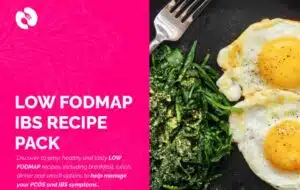
One of the most effective dietary interventions for managing the symptoms of both IBS and PCOS is the Low FODMAP diet. FODMAP is an acronym for Fermentable Oligosaccharides, Disaccharides, Monosaccharides, and Polyols. These are short-chain carbohydrates and sugar alcohols that are poorly absorbed in the small intestine. When they reach the colon, they are fermented by bacteria, producing gas and drawing water into the bowel, which leads to bloating, pain, and altered motility.
High FODMAP foods commonly found in modern diets include:
- Vegetables: Onions, garlic, cabbage, and broccoli.
- Fruits: Apples, pears, and stone fruits like peaches.
- Legumes: Beans, lentils, and chickpeas.
- Dairy: Milk and soft cheeses containing lactose.
- Sweeteners: Honey, agave, and artificial sweeteners like sorbitol or xylitol.
Clinical protocols suggest a three-phase approach: elimination, reintroduction, and personalization. Patients remove high-FODMAP foods for three to six weeks to allow the gut to "reset." If symptoms improve, foods are systematically reintroduced to identify specific triggers. For women with PCOS, this diet serves a dual purpose: it reduces gastrointestinal distress and, by focusing on whole, unprocessed foods, can help stabilize blood sugar and insulin levels.
Physical Activity and Symptom Management
While exercise is a cornerstone of PCOS management due to its ability to improve insulin sensitivity and aid in weight regulation, its impact on IBS is more nuanced. High-intensity interval training (HIIT) and heavy resistance training, while beneficial for metabolic health, can sometimes exacerbate IBS symptoms by increasing intra-abdominal pressure or triggering a stress response that slows digestion.
In contrast, low-impact activities such as walking and yoga have shown remarkable efficacy for both conditions. A randomized controlled trial published in the Journal of Osteopathic Medicine found that a one-hour yoga class practiced three times a week resulted in a 29% reduction in free testosterone levels over three months. Furthermore, walking has been shown to improve the waist-to-hip ratio in PCOS patients while simultaneously promoting peristalsis—the wave-like muscle contractions that move food through the digestive tract—thereby alleviating constipation.
Probiotic Intervention and Microbiota Diversity
The use of probiotics is increasingly recommended as a supplementary treatment for women navigating the PCOS-IBS overlap. Because PCOS is associated with reduced microbial diversity, introducing specific strains of live cultures can help restore balance to the gut ecosystem.
Clinical studies suggest that multi-strain probiotics can:
- Improve the intestinal barrier function.
- Reduce the production of pro-inflammatory cytokines.
- Potentially lower insulin resistance by modulating the gut-brain axis.
- Alleviate the urgency and bloating associated with IBS.
Medical professionals suggest that patients look for targeted probiotic formulations that contain at least 10 to 15 different strains to ensure a broad spectrum of support for the digestive system.
Broader Impact and Implications for Patient Care
The high prevalence of IBS among PCOS patients necessitates a shift toward multidisciplinary care. The psychological burden of managing two chronic syndromes can lead to a significant decrease in quality of life. Anxiety and mood disorders are prevalent in both populations; the discomfort of IBS can increase social anxiety, while the hormonal fluctuations of PCOS contribute to mood instability.
From a healthcare perspective, the failure to recognize the link between these two conditions can lead to fragmented treatment. A patient may see a gynecologist for PCOS and a gastroenterologist for IBS without the two specialists coordinating their approach. Experts argue that an integrated model—combining endocrinology, gastroenterology, and nutritional therapy—is essential for achieving long-term symptom relief.
Future Outlook
As research into the human microbiome continues to expand, the medical community anticipates more personalized treatments for the PCOS-IBS comorbidity. Future therapies may include "psychobiotics" (probiotics that support mental health) and more refined dietary protocols that account for individual genetic variations in carbohydrate metabolism.
For now, the most effective management strategy remains a combination of meticulous symptom tracking via food journals, targeted dietary changes like the Low FODMAP protocol, and lifestyle adjustments that prioritize stress reduction and moderate physical activity. By addressing the gut and the endocrine system as an interconnected whole, women can better manage the symptoms of both PCOS and IBS, leading to improved health outcomes and a higher quality of life.
