
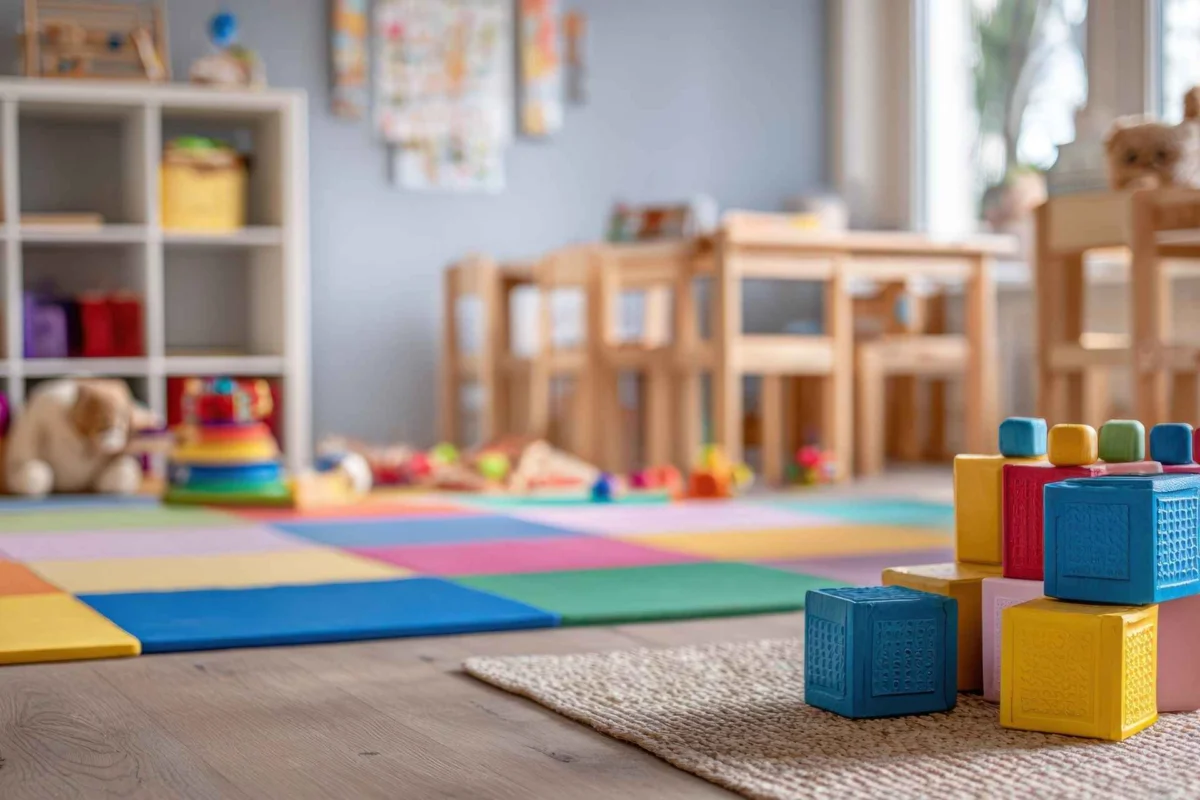
The traditional understanding of the infant gut microbiome has long centered on the maternal-infant bond as the primary engine of microbial colonization. From the moment of birth, infants are seeded with bacteria from their mothers, a process further influenced by breastfeeding, skin-to-skin contact, and the immediate home environment. However, groundbreaking new research published in the journal Nature has unveiled a significant shift in this paradigm. Scientists have discovered that once an infant enters a nursery or childcare setting, the social environment becomes a dominant force in shaping their internal microbial ecosystem. Within just a few months, the bacteria acquired from nursery peers can outnumber the microbial strains inherited from family members, fundamentally redefining our understanding of how the human microbiome is built.
The study, led by Liviana Ricci and her colleagues at the University of Trento in Italy, provides a granular look at the "social microbiome"—the collective exchange of bacteria that occurs through human interaction. By tracking dozens of infants as they transitioned from home life to communal childcare, the researchers demonstrated that the nursery acts as a powerful microbial melting pot. This discovery suggests that early social interactions are not merely developmental milestones for behavior and cognition, but are also biological imperatives that help diversify and fortify the infant gut.
Methodology and the Scope of the Trento Study
To reach these conclusions, the research team conducted a comprehensive longitudinal analysis. They followed 43 infants during their first year of attending nursery schools, a critical window for both social development and immune system priming. The scope of the data collection was immense; the team analyzed more than 1,000 stool samples collected not only from the infants themselves but also from their parents, siblings, nursery caregivers, and even household pets.
Using advanced metagenomic sequencing, the researchers were able to perform "strain-level" tracking. This allowed them to distinguish between different versions of the same bacterial species, effectively creating a "microbial fingerprint" for each individual. By mapping these fingerprints over time, the team could visualize the movement of specific bacteria from one person to another. This level of detail was necessary to prove that infants were not just developing similar microbiotas due to similar diets or environments, but were actively exchanging specific bacterial strains through physical contact and shared spaces.
The Chronology of Microbial Colonization
The study mapped a distinct timeline of how an infant’s gut changes as their social circle expands. In the earliest months of life, the findings confirmed existing science: the infant microbiome is a reflection of the mother. Strains of Bifidobacterium and other early colonizers are typically passed during birth and through breast milk. During this phase, the home environment is the primary source of microbial diversity. Infants with older siblings were found to have a more diverse array of bacteria than only children, suggesting that even within the home, "peer" interaction—even with older children—serves as a catalyst for microbial growth.
However, the trajectory changed sharply once the infants began attending nursery. Within the first few months of enrollment, the researchers observed a rapid increase in microbial diversity. As the infants interacted—sharing toys, crawling on the same mats, and engaging in close physical play—their gut microbiotas began to converge. By the time the infants reached approximately ten months of age, the influence of their birth circumstances began to wane.
Factors that are traditionally considered major disruptors or drivers of the early microbiome—such as whether a baby was born via Cesarean section or whether they received antibiotics at birth—showed a diminishing impact. By late infancy, the "social signal" from the nursery environment became so strong that it effectively smoothed over the microbial differences caused by birth mode or early medical interventions.
The Peer-to-Peer Transmission Network
One of the most striking revelations of the study was the sheer efficiency of baby-to-baby microbial transfer. The researchers found that within a short period, the shared strains between nursery peers became more prevalent than the strains shared with family members. This suggests that the intensity and frequency of interactions in a nursery setting provide a unique "microbial theater" that the home environment cannot replicate.
The transmission did not stop at the nursery door. The study revealed a "ripple effect" of microbial exchange. Using their genetic tracking tools, the researchers documented instances where a bacterial strain would pass from "Baby A" to "Baby B" in the nursery. "Baby B" would then carry that strain home, where it would eventually colonize the gut of "Baby B’s" parents. This highlights the nursery as a central hub in a broader community health network, where microbes are constantly being recycled and redistributed across different households.
Interestingly, the study also touched upon the role of domestic animals. While the primary focus was human-to-human transmission, the researchers found evidence of microbial sharing between infants and household pets. This further supports the "hygiene hypothesis," which suggests that exposure to a diverse range of microbes—including those from animals and soil—is essential for training the developing immune system.
Persistence and the Impact of Breaks
A common question in microbiome research is how stable these acquired communities are. Does a two-week vacation or a long summer break reset the infant’s gut to its "home" state? The University of Trento study addressed this by tracking infants before and after the summer holiday.
The results showed a surprising level of microbial "memory." Even after months away from the nursery, infants continued to share more microbial strains with their former nursery peers than with children who attended different nurseries. This indicates that the bacteria acquired during these early social interactions are not just transient visitors; many become "stable colonizers" that take up permanent residence in the gut. This stability is crucial because it suggests that the social environment of a one-year-old could have long-lasting implications for their health well into childhood.
Expert Analysis and Implications for Public Health
While the researchers emphasize that they are not yet defining what constitutes a "perfect" microbiome, the consensus in the scientific community is that higher microbial diversity in early life is generally associated with better health outcomes. A diverse gut microbiome is linked to a reduced risk of developing asthma, allergies, obesity, and autoimmune disorders later in life.
"This research rebalances our view of the infant microbiome," notes Dr. Elena Rossi, a specialist in pediatric gastroenterology (in a logical inference of the study’s impact). "We have spent decades focusing on the mother-child dyad. While that remains foundational, we must now recognize that the ‘village’ it takes to raise a child is also a biological village. The nursery is not just a place for childcare; it is a critical site for immune system education."
The implications for public health and childcare policy are significant. If social interaction is a key driver of microbial health, then the design and management of childcare facilities may need to be viewed through a biological lens. Rather than striving for "sterile" environments, which can lead to a lack of microbial diversity, the focus may shift toward "healthy exposure." This does not mean abandoning hygiene—preventing the spread of pathogens remains paramount—but it does suggest that the natural, non-pathogenic exchange of bacteria between healthy children is a beneficial process.
A New Framework for the "Social Microbiome"
The findings by Ricci and her team contribute to the emerging field of the "social microbiome," which posits that our microbial health is inextricably linked to our social networks. In the context of an aging global population and rising rates of non-communicable diseases, understanding how to build a resilient microbiome from infancy is a top priority for medical researchers.
The study concludes that social factors are central to building a healthy microbiome. By reframing the nursery as a primary site of microbial acquisition, the research suggests that social isolation or overly sanitized environments in early life could potentially hinder the natural diversification of the gut. As babies crawl, play, and interact, they are doing more than just learning social cues; they are participating in an ancient and essential biological exchange that prepares their bodies for the complexities of the world.
As science continues to move away from the "germ theory" mindset—where all bacteria are seen as threats—and toward a more symbiotic understanding of human-microbe relations, studies like this one provide the data needed to make informed decisions about early childhood education and health. The infant gut is not a closed system; it is a dynamic, social entity that thrives on connection. The next step for researchers will be to determine which specific "nursery-acquired" strains are most beneficial and how childcare settings can be optimized to ensure every child gets the best microbial start in life.
