

Polycystic Ovary Syndrome (PCOS) remains the most prevalent endocrine disorder among women of reproductive age globally, characterized by hormonal imbalances, ovulatory dysfunction, and metabolic complications. At the center of this condition is insulin resistance, a physiological state where the body’s cells become less responsive to insulin, leading the pancreas to overproduce the hormone to maintain stable blood glucose levels. Clinical data indicates that up to 75% of women diagnosed with PCOS suffer from some degree of insulin resistance, regardless of their body mass index (BMI). This metabolic dysfunction triggers a cascade of symptoms, including weight gain, hirsutism, acne, and infertility. To address these systemic issues, healthcare providers frequently prescribe insulin sensitizers. The two most prominent options are Metformin, a pharmaceutical staple for type 2 diabetes, and Inositol, a naturally occurring carbohydrate that has gained significant traction as a clinical supplement.
The Role of Insulin Sensitizers in PCOS Management
The primary objective of using insulin sensitizers in PCOS treatment is to break the cycle of hyperinsulinemia—excessively high levels of insulin in the blood. When insulin levels remain elevated, they stimulate the ovaries to produce excess androgens, such as testosterone. This androgen excess is responsible for the physical symptoms of PCOS, including male-pattern hair growth and persistent adult acne. Furthermore, high insulin levels interfere with the maturation of ovarian follicles, leading to irregular menstrual cycles and reduced fertility.

By improving the body’s sensitivity to insulin, medications like Metformin and supplements like Inositol aim to lower circulating insulin levels. This reduction helps restore hormonal balance, promotes regular ovulation, and may assist in weight management. However, while both substances share a common goal, their mechanisms of action, side effect profiles, and secondary benefits differ substantially, necessitating a detailed comparison for patients and practitioners alike.
Metformin: The Pharmaceutical Foundation
Metformin has served as a cornerstone of metabolic medicine since its introduction in the mid-20th century. Originally derived from the French lilac plant, it was approved for the treatment of type 2 diabetes in the United Kingdom in 1958 and later in the United States in 1995. While its use for PCOS is considered "off-label" by some regulatory bodies, it is widely recognized by the international medical community as an effective intervention for the syndrome’s metabolic symptoms.
Mechanism of Action
Metformin operates through three primary pathways to lower blood glucose and insulin levels. First, it reduces the amount of glucose produced by the liver (gluconeogenesis). Second, it slows the absorption of glucose from the intestines into the bloodstream after meals. Third, it increases the sensitivity of peripheral tissues—particularly muscle and fat cells—to insulin, allowing them to utilize glucose more efficiently.

Recent pharmacological research suggests that Metformin also influences the gut microbiome, which may contribute to its metabolic benefits. However, its primary impact remains its ability to suppress hepatic glucose output, thereby reducing the demand on the pancreas to secrete insulin.
Clinical Efficacy and Benefits
Extensive randomized clinical trials have established Metformin’s efficacy in the PCOS population. A landmark study published in the Journal of Clinical Endocrinology & Metabolism demonstrated that a six-month course of Metformin significantly improved insulin sensitivity and reduced androgen levels. The drug is particularly noted for:
- Improving Ovulation Rates: By lowering insulin, Metformin often helps restore a regular menstrual cycle.
- Enhancing Pregnancy Outcomes: It is frequently used to reduce the risk of gestational diabetes in women with PCOS.
- Long-term Metabolic Protection: It serves as a preventative measure against the development of type 2 diabetes.
Despite these benefits, the impact of Metformin on weight loss remains a subject of debate. While some patients experience modest weight reduction, other studies show little to no change in BMI, suggesting that Metformin is more effective as a metabolic stabilizer than a primary weight-loss agent.

Inositol: The Nutritional Alternative
Inositol, often referred to as Vitamin B8 (though technically a sugar alcohol), is found naturally in fruits, beans, grains, and nuts. In the context of PCOS, two specific isomers are of clinical interest: Myo-inositol (MI) and D-chiro-inositol (DCI). The human body typically maintains a specific ratio of these isomers to ensure proper cell signaling.
Mechanism of Action
Inositol functions as a secondary messenger in the insulin signaling pathway. It acts as a "mediator" at the cellular level. When insulin binds to a cell receptor, inositol-containing molecules (inositol phosphoglycans) are released to trigger the internal mechanisms that allow the cell to process glucose.
In many women with PCOS, there is a defect in this "lock and key" mechanism. Either the body is deficient in inositol, or it fails to convert Myo-inositol to D-chiro-inositol effectively. Supplementing with inositol helps repair this signaling pathway, allowing the cell wall to "open" and accept insulin more efficiently. This reduces the need for the body to overproduce insulin, addressing the root cause of PCOS symptoms.

Clinical Efficacy and Benefits
Recent comparative studies have positioned Myo-inositol as a formidable alternative to Metformin. A 2021 systematic review and meta-analysis published in European Review found that Myo-inositol was as effective as Metformin in improving insulin resistance and reducing androgen levels, but with a significantly better safety profile. Key benefits include:
- Superior Egg Quality: Unlike Metformin, inositol is highly concentrated in the follicular fluid of the ovaries and has been shown to improve oocyte (egg) quality, which is critical for women undergoing IVF or trying to conceive naturally.
- Reduction in Hirsutism: Studies indicate that inositol can be more effective than Metformin in reducing physical symptoms like excess hair growth over a six-month period.
- Lipid Profile Improvement: Inositol has shown a positive impact on cholesterol levels, specifically increasing HDL (good) cholesterol.
Comparative Analysis: Side Effects and Tolerability
The most significant divergence between Metformin and Inositol lies in their side effect profiles. This factor often determines patient compliance and long-term success in managing PCOS.
The Challenges of Metformin
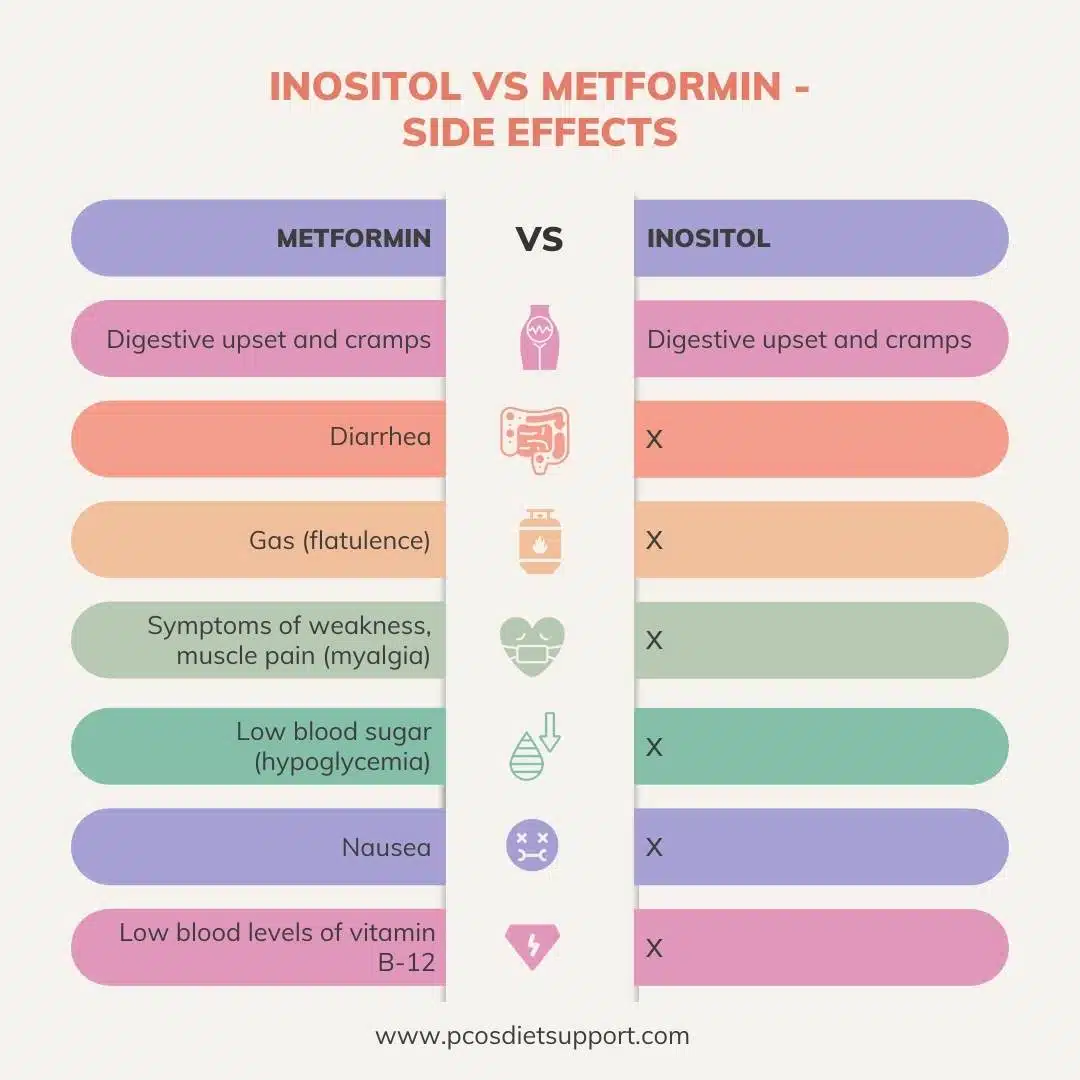
Metformin is notorious for gastrointestinal distress. Clinical data suggests that up to 30% of patients experience side effects such as:

- Gastrointestinal Upset: Nausea, diarrhea, abdominal cramping, and flatulence are common, particularly during the initiation phase.
- Vitamin B12 Deficiency: Long-term use of Metformin is associated with malabsorption of Vitamin B12, which can lead to fatigue, anemia, and nerve damage if not monitored and supplemented.
- Lactic Acidosis: Though extremely rare, this is a serious condition where lactic acid builds up in the bloodstream; it typically only affects those with underlying kidney or liver issues.
The Tolerability of Inositol
In contrast, inositol is remarkably well-tolerated. Because it is a substance the body recognizes and produces naturally, side effects are minimal. Some users report mild digestive upset if a high dose is taken on an empty stomach, and rare instances of headaches have been noted. However, these are generally resolved by adjusting the dosage or taking the supplement with food.
Timeline of Treatment Evolution
The approach to treating PCOS has shifted significantly over the last three decades:
- 1990s: Metformin becomes the primary "off-label" treatment for PCOS-related insulin resistance following the realization that PCOS is a metabolic disorder.
- Early 2000s: Research begins to emerge regarding the role of inositol phosphoglycans in insulin signaling.
- 2010-2015: Multiple clinical trials establish the 40:1 ratio (Myo-inositol to D-chiro-inositol) as the physiological standard for optimal PCOS treatment.
- 2020-Present: International evidence-based guidelines for PCOS begin to acknowledge inositol as an experimental but highly effective therapy, often preferred by patients seeking "natural" interventions or those unable to tolerate Metformin.
Expert Perspectives and Patient Considerations
Medical professionals, including registered dietitians and endocrinologists, increasingly advocate for a personalized approach. Angela Grassi, a leading dietitian specializing in PCOS, notes that Metformin’s ability to reduce glucose production in the liver makes it a powerful tool for those with significant blood sugar spikes. Conversely, for women primarily concerned with fertility and egg quality, inositol often takes precedence.
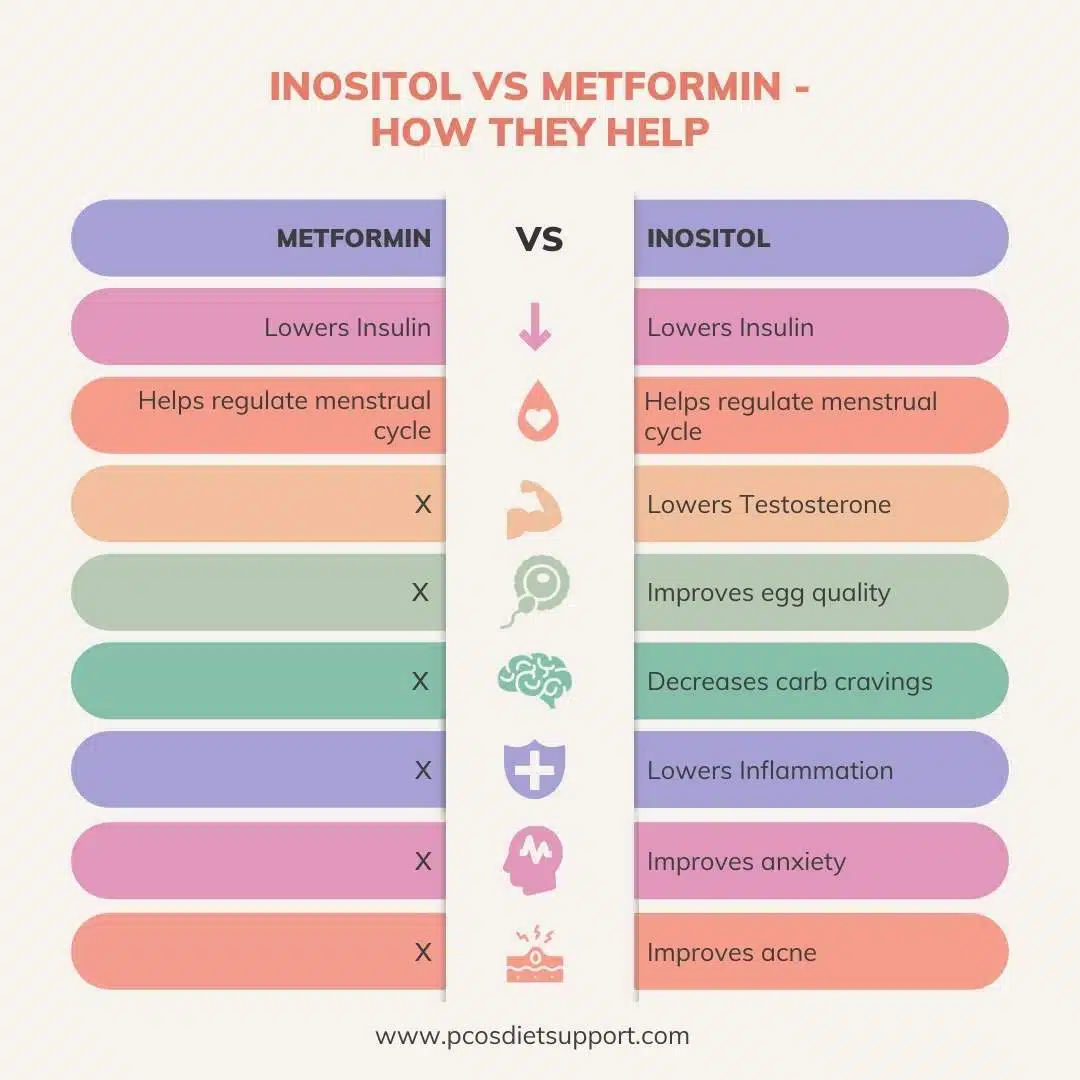
The question of whether to combine the two treatments is frequently raised. Because they work via different pathways—Metformin primarily via the liver and gut, and inositol via cellular signaling—they can be used adjunctively. However, caution is advised. Both are insulin sensitizers; taking them together increases the risk of hypoglycemia (low blood sugar). Patients are urged to consult with their physicians to monitor glucose levels if a dual-therapy approach is adopted.
Broader Impact and Implications
The debate between Metformin and Inositol reflects a larger shift in modern medicine toward "integrative" care. For the millions of women living with PCOS, the availability of both a pharmaceutical and a nutritional option provides a vital safety net.
The implications of choosing the right sensitizer extend beyond symptom management. Effective control of insulin resistance in the reproductive years can significantly lower the lifetime risk of cardiovascular disease, metabolic syndrome, and endometrial cancer. As research continues to evolve, the medical community is moving toward a consensus: while Metformin remains a reliable, evidence-based medication, Inositol offers a comparable, safer, and often more holistic alternative for the long-term management of Polycystic Ovary Syndrome.
Ultimately, the choice between Inositol and Metformin should be dictated by a patient’s specific hormonal profile, their tolerance for side effects, and their immediate reproductive goals. Regular blood work to monitor fasting insulin, glucose, and Vitamin B12 levels remains essential for any woman utilizing these interventions.
