

Polycystic Ovary Syndrome (PCOS), a complex endocrine disorder affecting an estimated 8% to 13% of reproductive-aged women globally, is increasingly recognized by the medical community as more than a reproductive health issue. While irregular menstruation, hirsutism, and infertility remain hallmark symptoms, emerging clinical data highlights a pervasive systemic complication: chronic low-grade inflammation. This inflammatory state frequently manifests as debilitating joint pain, stiffness, and localized swelling, creating a significant burden of disease that extends far beyond the ovaries. For many patients, the sensation of aching or burning in the joints is not merely an incidental discomfort but a direct consequence of a systemic immune response that, if left unmanaged, can lead to long-term musculoskeletal decline.
The Pathophysiology of Inflammation in PCOS
Inflammation is fundamentally a protective biological response, designed to signal the immune system to heal injuries or combat pathogens. When the body detects a perceived threat, white blood cells release chemicals into the bloodstream and tissues, increasing blood flow to the affected area. This process often results in redness, warmth, and swelling. However, in women with PCOS, this immune response often becomes chronic and irrational, triggered not by external injury but by internal metabolic dysfunction.

Central to this process is the C-reactive protein (CRP), a key marker of systemic inflammation produced by the liver. Extensive clinical studies have demonstrated a consistent correlation between PCOS and elevated CRP levels. High concentrations of CRP are not only indicative of inflammation but are also closely linked to the "metabolic syndrome" cluster, which includes obesity, glucose intolerance, insulin resistance, and an increased risk of cardiovascular disease. Because a high percentage of women with PCOS also struggle with weight management, the physical stress of excess weight on weight-bearing joints—such as the knees and hips—compounds the biochemical inflammation, creating a dual-layered challenge for pain management.
The Link to Autoimmunity and Rheumatoid Arthritis
The implications of chronic inflammation in PCOS patients extend into the realm of autoimmune disorders. Recent longitudinal studies suggest that women with PCOS or irregular menstrual patterns are at a statistically higher risk of developing Rheumatoid Arthritis (RA). RA is a chronic autoimmune condition characterized by the immune system attacking the synovium—the lining of the membranes that surround the joints.
The intersection of these two conditions is believed to be driven by insulin resistance. High levels of insulin can stimulate the ovaries to produce excess testosterone, the primary androgen responsible for many PCOS symptoms. Elevated androgens and insulin resistance together create a feedback loop that exacerbates the inflammatory cytokines responsible for joint degradation. Unlike standard age-related wear-and-tear, the joint pain associated with PCOS and RA often worsens during periods of inactivity and can affect smaller joints, such as those in the hands and wrists, potentially necessitating pharmacological intervention or mobility aids.

Diagnostic Challenges and the "Invisible" Nature of Symptoms
One of the primary hurdles for patients is the often-invisible nature of inflammatory pain. While redness and swelling are visible indicators, chronic inflammation frequently presents as systemic fatigue, recurring headaches, or internal organ stress that does not appear on standard physical examinations. This can lead to a delay in diagnosis, as patients may be told their labs are "normal" despite experiencing significant physical distress.
Medical professionals increasingly utilize specific diagnostic tools to bridge this gap. High-sensitivity CRP (hs-CRP) blood tests can provide a window into the body’s inflammatory status, while advanced imaging such as X-rays or CAT scans can detect early signs of joint erosion or soft tissue swelling. Experts urge patients not to "suffer in silence," emphasizing that persistent joint pain in the context of PCOS warrants a comprehensive metabolic and rheumatological workup.
Multi-Modal Management Strategies
Given the systemic nature of PCOS-related joint pain, clinical guidelines suggest a multi-modal approach to management that combines dietary intervention, supplementation, physical activity, and pharmacological support.

1. Nutritional Intervention and the Glycemic Index
Dietary choices serve as a primary lever in managing the insulin-inflammation axis. Research confirms that hyperinsulinemia (excess levels of insulin) acts as a pro-inflammatory stimulus. Consequently, transitioning to a low-glycemic index (GI) diet is often the first line of defense. High-GI foods, such as refined carbohydrates and sugary beverages, cause rapid spikes in blood glucose, triggering further insulin production and subsequent inflammation.
Conversely, a diet rich in anti-inflammatory "whole" foods—including leafy greens, fatty fish (rich in omega-3s), nuts, olive oil, and antioxidant-heavy fruits like berries—can dampen the body’s inflammatory response. The inclusion of specific spices, most notably turmeric, has also gained clinical interest. Curcumin, the active compound in turmeric, has been shown in various trials to inhibit the molecules that play a role in inflammation, offering a natural adjunct to traditional pain management.
2. The Role of Omega-3 Supplementation
Omega-3 fatty acids are essential polyunsaturated fats that the body cannot produce on its own. For women with PCOS, Omega-3 supplementation has shown promise in reducing androgen levels and improving insulin sensitivity. More importantly, in the context of joint health, Omega-3s serve as precursors to resolvins and protectins—compounds that actively "switch off" the inflammatory response. By lowering CRP levels, these supplements can significantly reduce the frequency and intensity of joint "flares."

3. Therapeutic Physical Activity
While joint pain often discourages movement, sedentary behavior can actually worsen stiffness. The key lies in "gentle" aerobic exercise. Low-impact activities such as swimming, cycling, or walking on a treadmill reduce the mechanical load on joints while promoting the release of endorphins. Endorphins are the body’s natural analgesics, capable of altering the perception of pain. Furthermore, regular physical activity helps manage weight, thereby reducing the structural stress on the musculoskeletal system.
4. Pharmacological Support and NSAIDs
Non-steroidal anti-inflammatory drugs (NSAIDs), such as ibuprofen or naproxen, remain a staple for acute pain relief. These medications function by inhibiting the production of prostaglandins—chemicals that signal the brain to perceive pain and trigger inflammation. For patients who experience predictable flare-ups during certain times of their menstrual cycle or after physical exertion, the strategic use of NSAIDs can prevent the inflammatory response from reaching debilitating levels.
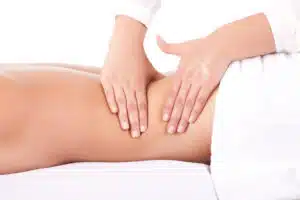
5. Massage Therapy and Cytokine Regulation
Professional massage therapy offers more than just relaxation; it provides a physiological benefit for inflamed tissues. Gentle manipulation of soft tissues increases local blood circulation and has been shown to lower levels of arginine-vasopressin, a hormone that can contribute to high blood pressure and stress. Some studies also suggest that massage can reduce the concentration of pro-inflammatory cytokines, the signaling proteins that drive systemic inflammation.
6. Environmental and Ergonomic Adjustments
The modern shift toward remote work has introduced new ergonomic risks for those with underlying inflammatory conditions. Spending extended hours in non-ergonomic furniture can exacerbate joint misalignment and muscular tension. Experts recommend a proactive approach to workspace setup, including the use of chairs with lumbar support and the implementation of "movement breaks." Standing or stretching every 30 to 60 minutes prevents the joints from "locking" and encourages lymphatic drainage, which helps clear inflammatory byproducts from the tissues.
7. Thermal Therapy: The Alternation of Heat and Cold
Thermal therapy provides a cost-effective, at-home method for symptom management. Heat therapy, such as hot water bottles or warm baths, encourages vasodilation, bringing nutrient-rich blood to sore muscles and joints to facilitate repair. Cold therapy, through ice packs, induces vasoconstriction, which is essential for reducing acute swelling and numbing sharp pain. Alternating between these two methods can provide a "pumping" effect that moves stagnant inflammatory fluids out of the joint space.
Broader Impact and Future Outlook
The recognition of joint pain as a significant symptom of PCOS marks a shift toward a more holistic understanding of women’s health. The economic impact of untreated chronic pain in this population is substantial, manifesting in lost productivity and increased healthcare utilization. Furthermore, the psychological toll of living with a chronic, "invisible" source of pain can contribute to the higher rates of anxiety and depression already observed in the PCOS community.

As research continues to evolve, the focus is shifting toward personalized medicine. Future treatments may involve more targeted biological therapies that address the specific inflammatory pathways unique to the PCOS-insulin resistance phenotype. For now, the integration of aggressive lifestyle modifications with traditional medical care remains the gold standard for improving the quality of life for millions of women worldwide. By addressing the root cause—systemic inflammation—rather than just the surface symptoms, patients and practitioners can work together to mitigate the debilitating effects of joint pain and ensure long-term physical mobility.
