
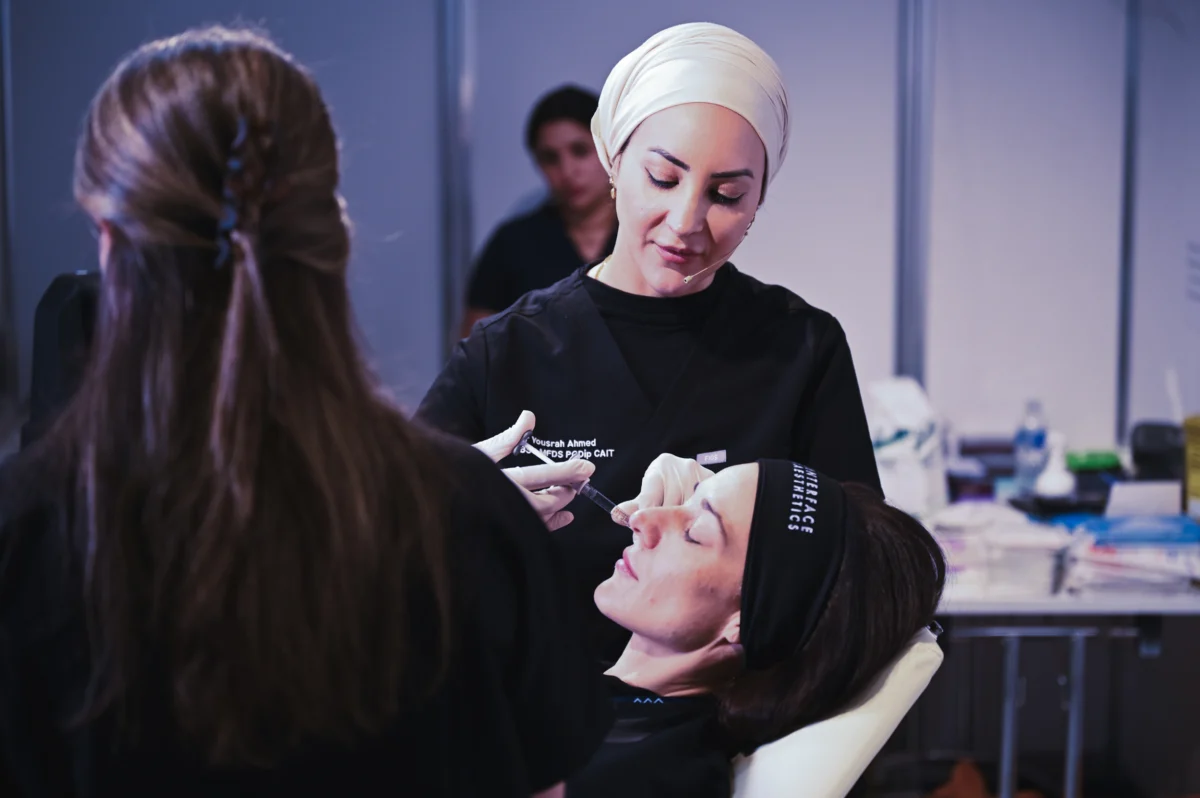
The medical aesthetics industry is currently undergoing a period of unprecedented transformation, driven by rapid technological advancements, shifting regulatory landscapes, and an exponential increase in consumer demand for non-surgical cosmetic procedures. At the center of this evolution is the Aesthetics Journal, a primary source of information and professional development for practitioners in the United Kingdom and beyond. By diversifying its content delivery through a multi-platform strategy—encompassing digital news, webinars, podcasts, print journals, and comprehensive reports—the publication has established itself as a critical pillar for the medical aesthetics community. Managed by the international event organizer Easyfairs, the platform serves as a bridge between clinical innovation and professional practice, ensuring that practitioners remain informed of the latest safety protocols, product launches, and business strategies.
The Strategic Role of Multi-Platform Media in Medical Aesthetics
The diversification of media channels by the Aesthetics Journal reflects a broader trend in medical education and professional communication. In an era where information is consumed in real-time, the traditional monthly print cycle is no longer sufficient to address the fast-paced nature of clinical developments. The inclusion of webinars and podcasts allows for a more dynamic exchange of ideas, where key opinion leaders (KOLs) can discuss complex anatomical considerations or the nuances of patient psychology in a format that is accessible to busy clinicians.
This multi-faceted approach serves several functions. First, it provides a "one-stop shop" for Continuing Professional Development (CPD). Practitioners can earn educational credits and stay abreast of peer-reviewed research through the Journal, while simultaneously gaining practical business insights from industry reports. Second, the use of social media platforms like Instagram, LinkedIn, and Facebook facilitates a community-centric environment. These platforms are not merely used for promotion but serve as interactive forums where the aesthetics community can react to regulatory changes or share clinical experiences.
The Impact of Easyfairs on Industry Standards
The integration of the Aesthetics Journal into the Easyfairs portfolio has significantly amplified its reach and influence. Easyfairs, a global leader in the exhibitions and events industry, operates with a mission to "visit the future" by creating communities that meet at the intersection of business and innovation. Within the UK aesthetics sector, Easyfairs is responsible for major flagship events such as the Aesthetics Conference & Exhibition (ACE) and Clinical Cosmetic & Reconstructive (CCR).
The synergy between the publication and these large-scale live events creates a powerful ecosystem. Data suggests that multi-channel engagement—where practitioners attend a live conference, read the follow-up reports in a professional journal, and listen to post-event podcasts—leads to higher retention of clinical knowledge and better adherence to safety standards. By leveraging the logistical expertise and global network of Easyfairs, the Aesthetics Journal has been able to scale its operations, providing deeper investigative reports and more frequent updates on the legislative shifts currently impacting the UK market.
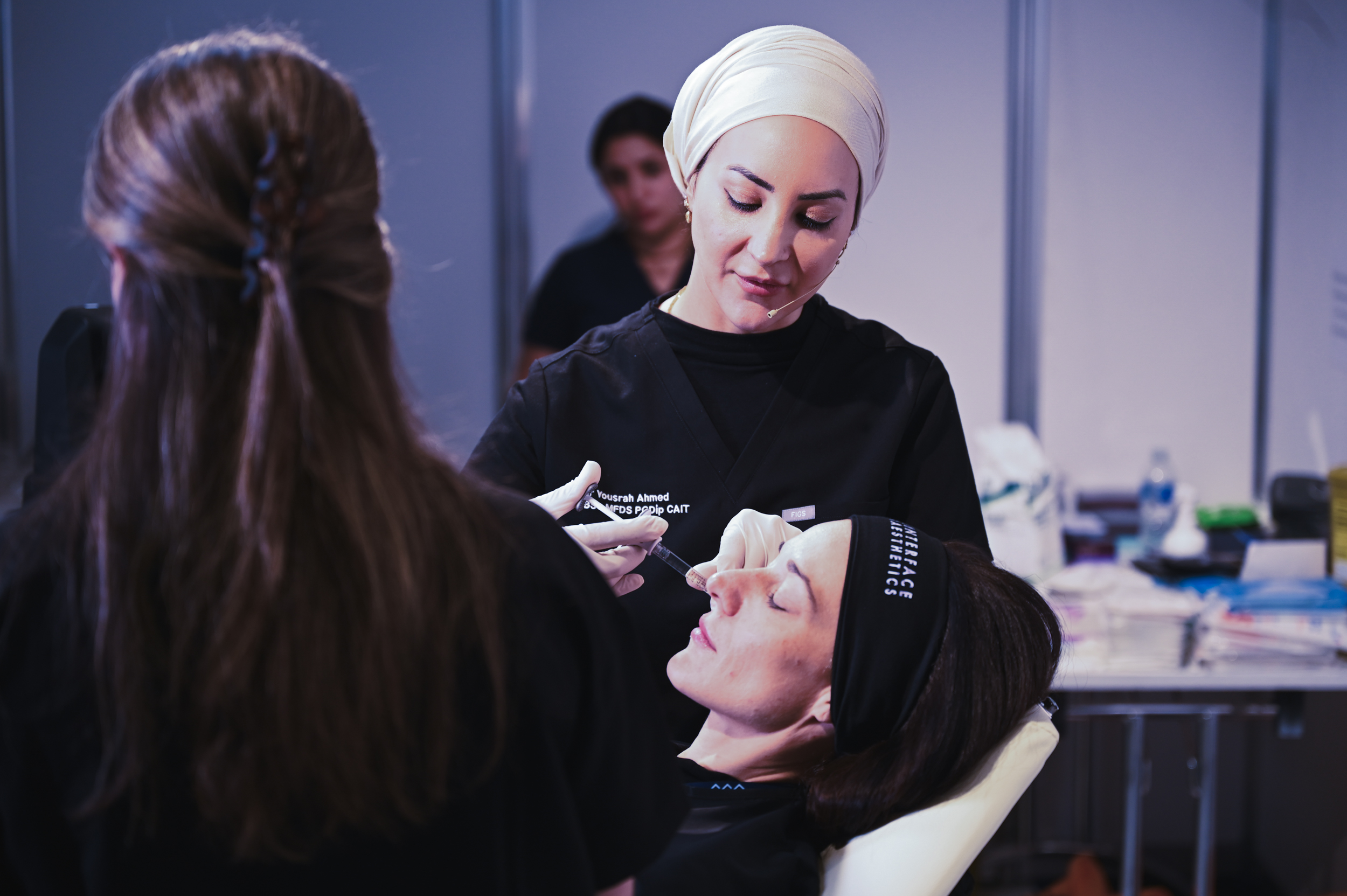
Chronology of the Aesthetics Industry Evolution
To understand the current importance of specialized media like the Aesthetics Journal, one must look at the chronology of the industry’s development over the last two decades:
- The Early 2000s: The Rise of Injectables. The FDA approval of various botulinum toxins and hyaluronic acid fillers for cosmetic use triggered a shift from invasive plastic surgery to non-surgical interventions. During this period, professional communication was largely restricted to academic medical journals.
- 2010–2015: Professionalization and Regulation. As the number of practitioners grew, the need for dedicated aesthetics media became apparent. The Keogh Review (2013) in the UK highlighted the "crisis" in the regulation of cosmetic interventions, leading to a demand for better-educated practitioners and more transparent reporting.
- 2016–2020: Digital Transformation. The aesthetics community began moving toward digital-first education. The Aesthetics Journal expanded its digital footprint, introducing webinars and a more robust online presence to meet the needs of a younger, tech-savvy demographic of clinicians.
- 2021–Present: The Post-Pandemic Boom and Legislative Reform. Following the COVID-19 lockdowns, the "Zoom Effect" led to a surge in demand for aesthetic procedures. Simultaneously, the UK government began consultations on a new licensing secondary for non-surgical cosmetic procedures. This era has seen the Aesthetics Journal play a pivotal role in disseminating information regarding the Health and Care Act 2022 and its implications for practitioner licensing.
Market Data and Supporting Statistics
The growth of the Aesthetics Journal and its parent company’s influence is backed by significant market data. According to industry analysis, the global medical aesthetics market was valued at approximately $15.4 billion in 2023 and is projected to grow at a compound annual growth rate (CAGR) of 11% through 2030. In the United Kingdom, the market for non-surgical treatments is estimated to be worth over £3.6 billion.
Key data points driving the need for professional media include:
- Procedure Volume: Hyaluronic acid fillers and botulinum toxin injections remain the most popular treatments, accounting for over 60% of non-surgical procedure volume.
- Practitioner Demographics: There has been a 35% increase in the number of dental professionals and nurses entering the aesthetics field over the last five years, creating a diverse audience with varying educational needs.
- Educational Demand: Surveys of aesthetics practitioners indicate that 82% prioritize "safety and complication management" as their primary area of interest when consuming professional media.
- Digital Engagement: Engagement with medical webinars increased by over 200% between 2020 and 2023, signaling a permanent shift in how practitioners prefer to receive updates on clinical techniques.
Official Responses and Industry Sentiment
The role of specialized media is frequently cited by industry bodies as essential for maintaining public safety. Organizations such as the Joint Council for Cosmetic Practitioners (JCCP) and the British College of Aesthetic Medicine (BCAM) often collaborate with the Aesthetics Journal to communicate high-level policy changes to the frontline workforce.
Industry analysts suggest that the "democratization of information" through podcasts and webinars has helped level the playing field for independent practitioners. "Specialized media outlets act as the connective tissue for an industry that is often fragmented into small, independent clinics," says one industry consultant. "Without the centralized reporting provided by the Journal, practitioners would struggle to navigate the complexities of tax laws, insurance requirements, and clinical safety updates."
Furthermore, representatives from Easyfairs have noted that their investment in media brands is a strategic move to ensure year-round engagement. While an exhibition like ACE happens once a year, the Aesthetics Journal ensures that the conversation regarding excellence in aesthetics continues every day, fostering a culture of continuous improvement.

Implications for the Future of Aesthetic Medicine
The expansion of the Aesthetics Journal into a multi-media powerhouse has several long-term implications for the sector. Firstly, it enhances the "medicalization" of aesthetics. By maintaining a professional, journalistic tone and focusing on peer-reviewed content, the platform reinforces the idea that aesthetic treatments are medical procedures that require a high degree of clinical oversight. This is particularly important as the UK government moves toward stricter licensing.
Secondly, the integration of podcasts and webinars allows for a more globalized perspective. While the Journal has a strong UK focus, its digital nature allows for the sharing of international best practices. A practitioner in London can learn from a clinical trial conducted in Seoul or a business model developed in New York, all through the same platform.
Finally, the role of data and reports will become increasingly critical. As the industry matures, there is a growing need for empirical evidence regarding patient outcomes, product longevity, and economic trends. The Aesthetics Journal’s commitment to providing in-depth reports positions it as a primary research tool for stakeholders, including investors, pharmaceutical companies, and regulatory bodies.
Conclusion
The Aesthetics Journal, under the stewardship of Easyfairs, represents the modern standard for professional medical communication. By moving beyond the traditional confines of print and embracing a diverse array of media—from Instagram updates to deep-dive webinars—the platform addresses the complex needs of a rapidly growing community. As the industry moves toward a more regulated and professionalized future, the availability of up-to-date, factual, and peer-reviewed information will remain the most vital resource for ensuring both practitioner success and patient safety. Through its comprehensive approach to news, education, and community building, the Aesthetics Journal continues to define the discourse of the aesthetics world, ensuring that innovation is always matched by information.
