
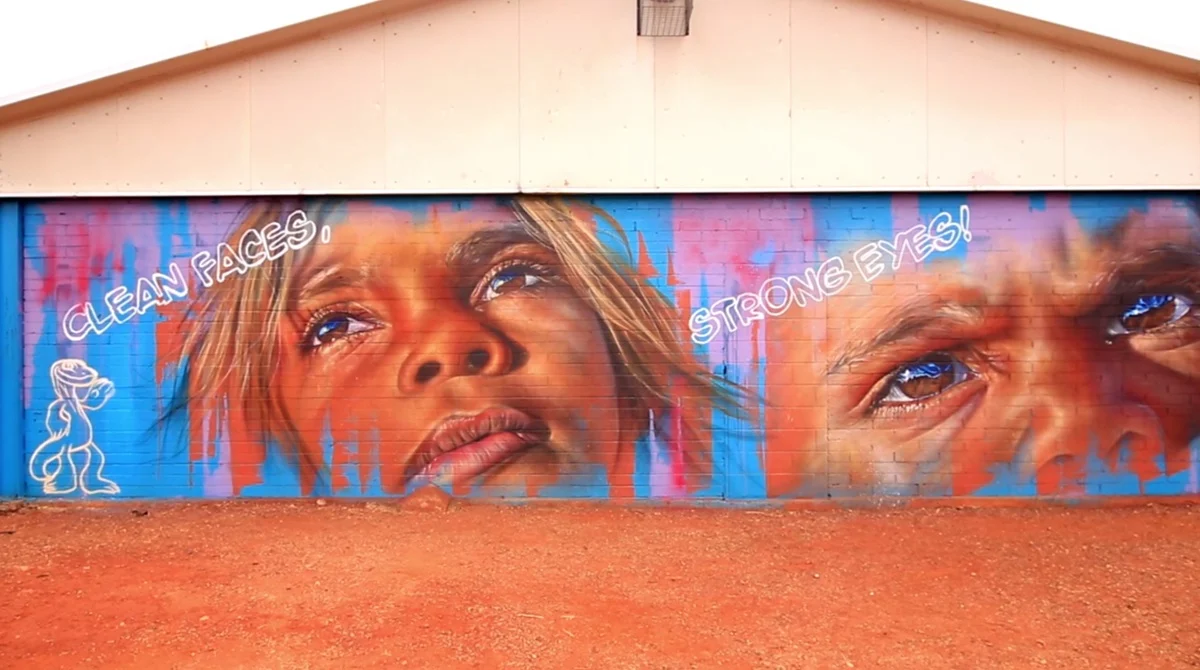
The World Health Organization (WHO) has officially validated Australia for having eliminated trachoma as a public health problem, marking a historic achievement in the nation’s public health history and a major victory for global efforts to eradicate neglected tropical diseases (NTDs). This validation signifies that trachoma, which has long been the world’s leading infectious cause of preventable blindness, no longer poses a significant threat to the health of the Australian population. The announcement is particularly poignant as Australia was previously the only high-income country where the disease remained endemic, primarily persisting within remote Aboriginal and Torres Strait Islander communities. This milestone underscores the efficacy of sustained, culturally informed public health interventions and represents a critical step toward closing the health gap between Indigenous and non-Indigenous Australians.
Trachoma is an ocular infection caused by the bacterium Chlamydia trachomatis. It is highly contagious and spreads through direct contact with eye and nose secretions from infected individuals, as well as through contact with contaminated objects such as towels and clothing. In many regions, eye-seeking flies also serve as a primary vector for transmission. While the initial infection often presents as simple conjunctivitis, repeated infections over many years lead to a condition known as trachomatous trichiasis. In this advanced stage, scarring on the inside of the eyelid causes the eyelashes to turn inward, scraping the cornea with every blink. Without surgical intervention, this leads to excruciating pain, corneal opacity, and irreversible blindness. For decades, this "silent thief of sight" disproportionately affected Australia’s First Nations people, particularly those living in arid, remote regions where environmental factors facilitated the spread of the bacteria.
The Historical Context of Trachoma in Australia
To understand the magnitude of this achievement, one must look back at the history of the disease within the Australian continent. In the early 20th century, trachoma was widespread across the Australian population. However, as living standards, sanitation, and hygiene improved in urban and regional centers, the disease naturally receded from the broader public. By the mid-20th century, it had largely disappeared from the non-Indigenous population. Yet, it remained entrenched in remote Aboriginal and Torres Strait Islander communities, where systemic inequities in housing, water infrastructure, and healthcare access allowed the bacterium to thrive.
The struggle against trachoma gained significant national attention in the 1970s, largely due to the work of the late ophthalmologist Professor Fred Hollows and the National Trachoma and Eye Health Program. This initiative highlighted the staggering rates of vision loss in remote areas and laid the groundwork for future interventions. Despite these early efforts, trachoma persisted as a public health challenge for several more decades, necessitating a more structured and federally supported approach to achieve total elimination.
The National Trachoma Management Programme and the SAFE Strategy
The turning point in Australia’s journey toward elimination came in 2006 with the establishment of the National Trachoma Management Programme. This program was designed to align Australian efforts with the World Health Organization’s GET2020 (Global Elimination of Trachoma by 2020) initiative. Central to Australia’s success was the rigorous implementation of the WHO-recommended SAFE strategy, a comprehensive four-pronged approach to disease control:
- Surgery: Providing surgical procedures to treat trachomatous trichiasis (the advanced stage of the disease) to prevent the onset of blindness.
- Antibiotics: Administering antibiotics, specifically azithromycin, to treat active infections and reduce the reservoir of the bacteria within communities.
- Facial Cleanliness: Promoting hygiene practices, particularly the regular washing of children’s faces, to interrupt the cycle of transmission.
- Environmental Improvement: Enhancing access to clean water, functional sewage systems, and improved housing to address the underlying social determinants of the disease.
Australia’s application of the SAFE strategy was unique in its reliance on granular data. Rather than employing mass drug administration across the entire country, health authorities used targeted screening of at-risk communities. This allowed for a more surgical application of resources, focusing antibiotic treatments and hygiene education where they were most needed. Teams of qualified health workers, including nurses and Aboriginal Health Workers, conducted regular screenings, ensuring that every child in affected regions was monitored.
The Role of Indigenous Leadership and Culturally Safe Care
A defining feature of Australia’s success was the central role played by Aboriginal Community Controlled Health Organisations (ACCHOs). These organizations ensured that health interventions were not merely clinical but were delivered in a culturally safe and community-led manner. By involving local leaders and health workers who understood the linguistic and cultural nuances of their communities, the program achieved high levels of trust and participation.
The Minister for Indigenous Australians, Malarndirri McCarthy, emphasized that the recognition from the WHO is a testament to the decades of tireless work led by these organizations. The integration of traditional knowledge with modern medical practices allowed for more effective health promotion, particularly in encouraging "Milpa’s Six Steps to Stop Germs," a popular health education campaign featuring a puppet character named Milpa the Goanna to teach children about facial cleanliness.
Technical Benchmarks for WHO Validation
The process of WHO validation is rigorous and requires a country to provide documented evidence that specific epidemiological targets have been met and can be sustained. For trachoma, the criteria for elimination as a public health problem include:
- A prevalence of trachomatous trichiasis (TT) "unknown to the health system" of less than 0.2% in adults aged 15 years and older.
- A prevalence of trachomatous inflammation—follicular (TF) in children aged 1 to 9 years of less than 5% in every formerly endemic district.
- The existence of a robust surveillance system capable of identifying and managing new cases of trichiasis.
Australia’s data showed a dramatic decline in the prevalence of trachoma among children in at-risk communities, dropping from 15% in 2009 to below the 5% threshold in recent years. This sustained low prevalence, combined with the successful treatment of existing trichiasis cases, satisfied the WHO’s stringent requirements for validation.
Official Responses and Global Significance
The announcement has been met with widespread acclaim from both national and international health leaders. WHO Director-General Dr. Tedros Adhanom Ghebreyesus praised Australia’s "sustained commitment" and its focus on addressing health inequities. "This success brings us closer to a world free from the suffering caused by trachoma," Dr. Tedros stated, noting that Australia’s progress contributes to the broader goals of the WHO road map for neglected tropical diseases 2021–2030.
Mark Butler, Australia’s Minister for Health and Ageing, described the milestone as a "win for eye health" and credited the achievement to long-term investment and community commitment. He noted that the lessons learned from the fight against trachoma would serve as a blueprint for tackling other preventable conditions in regional and remote Australia.
From a regional perspective, Dr. Saia Ma’u Piukala, WHO Regional Director for the Western Pacific, highlighted the challenges of reaching vulnerable populations in remote areas. Australia becomes the 16th country in the Western Pacific Region to eliminate at least one NTD, joining nations like Fiji, Vanuatu, and Cambodia in the successful fight against trachoma.
Broader Implications and Future Challenges
While the elimination of trachoma is a monumental achievement, public health experts caution that vigilance is required to prevent the disease’s re-emergence. The "E" in the SAFE strategy—Environmental improvement—remains a critical area for ongoing focus. Ensuring that remote communities have reliable access to clean water and functional bathroom facilities is essential for maintaining the hygiene standards that keep trachoma at bay.
Furthermore, Australia continues to face challenges from other endemic neglected tropical diseases. Conditions such as scabies, Buruli ulcer, and leprosy still persist in certain populations. The validation of trachoma elimination provides a hopeful precedent, demonstrating that even diseases deeply rooted in social and environmental disadvantage can be overcome through coordinated political will and community-led action.
The elimination of trachoma in Australia is more than just a medical victory; it is a significant step toward social justice. By removing a major cause of preventable blindness that targeted the nation’s most vulnerable citizens, Australia has moved closer to achieving health equity for all its people. As the 63rd country globally to eliminate an NTD, Australia’s journey offers valuable insights for other nations still grappling with trachoma, proving that with the right strategy and a commitment to inclusive care, the "silent thief of sight" can be defeated.
