
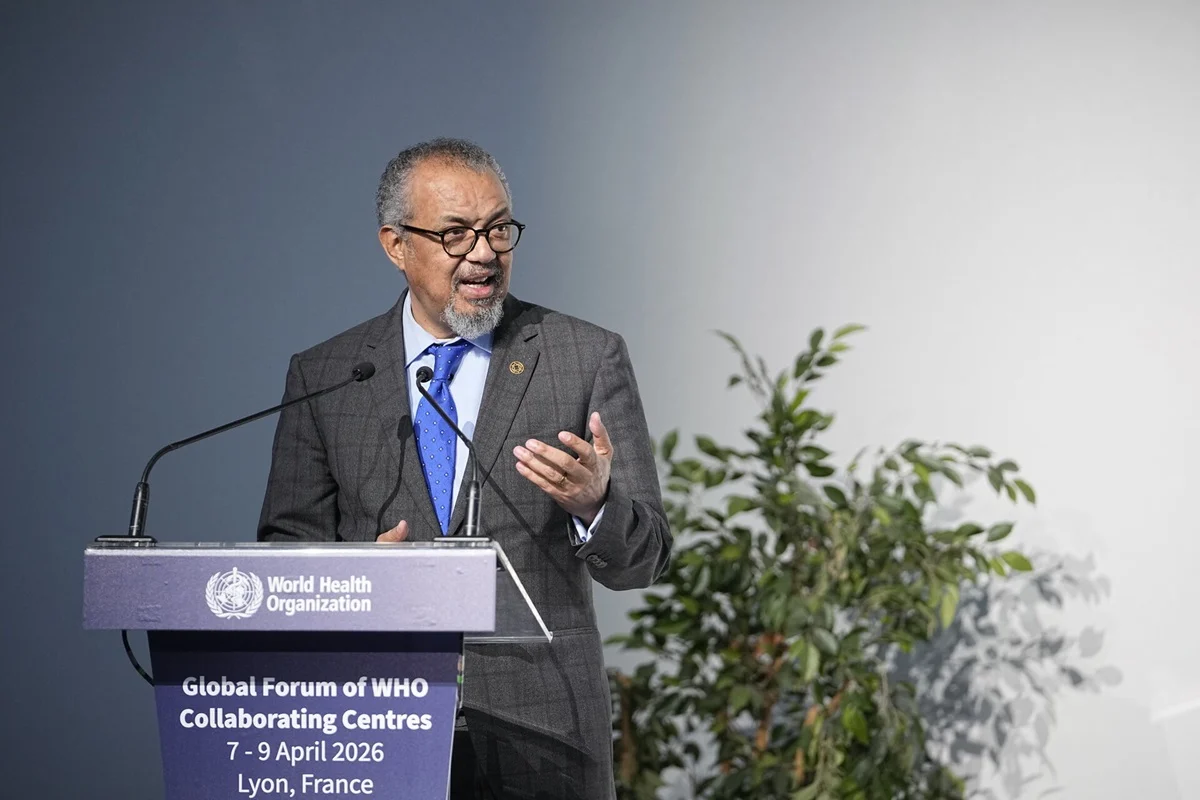
The World Health Organization (WHO) has officially concluded the inaugural Global Forum of Collaborating Centres, marking a pivotal moment in the history of international public health. This landmark assembly brought together representatives from more than 800 institutions designated as WHO Collaborating Centres (CCs), representing a vast scientific landscape spanning over 80 countries. As the world’s largest and most diverse public health network, the forum served as a strategic platform to harmonize scientific efforts at a time when global health security faces unprecedented challenges from geopolitical fragmentation, climate change, and the persistent threat of emerging pathogens.
During the multi-day event, leading scientists and policy experts emphasized that the modern world is increasingly divided, creating significant hurdles for unified health responses. However, these same challenges have catalyzed a new sense of urgency, opening unique opportunities to mobilize collective expertise toward more resilient health solutions. The Forum concluded with a definitive shift in strategy: moving away from isolated, rigid scientific projects toward a model of dynamic, integrated partnerships. This evolution is designed to ensure that the scientific community can respond with greater agility to both localized outbreaks and global emergencies.
The Evolution of the WHO Collaborating Centres Network
The origins of the WHO Collaborating Centres network are deeply rooted in the constitutional mandate of the World Health Organization. In 1949, during the Second World Health Assembly, a foundational decision was made that would shape the organization’s technical capacity for decades to come. The Assembly affirmed that the WHO should not seek to build its own independent research institutions. Instead, the Organization was tasked with coordinating, supporting, and leveraging the existing expertise of established national and international institutions.
This decentralized approach was visionary, recognizing that the most effective way to advance global health was to tap into the world’s leading academic, research, and technical bodies. Over the past 77 years, this network has expanded from a handful of specialized laboratories to a massive ecosystem of over 800 institutions. These centres provide the technical backbone for WHO’s normative work, contributing to the development of global standards, clinical guidelines, and innovative research across a spectrum of disciplines, including infectious diseases, mental health, nutrition, and environmental safety.
By utilizing this network, the WHO ensures that its recommendations are grounded in the highest quality evidence produced by the world’s foremost experts. This relationship is symbiotic; while the WHO gains access to top-tier scientific talent, the participating institutions gain a global platform to translate their research into policies that save lives on a massive scale.
Strategic Realignment: From Projects to Partnerships
The First Global Forum highlighted a critical transition in how the WHO interacts with its technical partners. Historically, many Collaborating Centres worked on specific, time-bound scientific projects. While productive, this "siloed" approach often lacked the cohesion necessary to address complex, multifaceted health crises. The new vision presented at the Forum emphasizes "dynamic and integrated partnerships," where centres across different regions and disciplines collaborate more fluidly.
Dr. Tedros Adhanom Ghebreyesus, WHO Director-General, underscored the strategic importance of this network during his address to the delegates. He characterized the Collaborating Centres as an "immensely valuable but under-utilized resource." According to Dr. Tedros, the network is a powerful demonstration of what international cooperation can achieve when it is firmly anchored in science. He noted that the primary goal of the network is to translate evidence into action—supporting countries in strengthening their domestic health systems and protecting their populations from both known and unknown threats.
This sentiment was echoed by Dr. Sylvie Briand, WHO Chief Scientist, who stressed that science remains the cornerstone of every initiative designed to improve global health. She described the network as an "extraordinary concentration of scientific expertise," asserting that in an era of growing global health challenges, the spirit of trusted scientific collaboration is not merely an asset but an absolute necessity for shaping a healthier future.
Confronting "Disease X" and the Role of CORC
One of the most significant initiatives discussed at the Forum is the creation of the Collaborative Open Research Consortia (CORC). This initiative is specifically designed to address the threat of "Disease X"—a placeholder name used by the WHO to describe a currently unknown pathogen that could cause a future pandemic. The CORC framework aims to establish a permanent network of thousands of scientists worldwide who can be mobilized instantly when a new threat emerges.
The mission of CORC is both bold and essential: to accelerate the development of vaccines, diagnostics, and treatments before a localized outbreak becomes a global catastrophe. By building "scientific readiness" in advance, the WHO aims to avoid the delays and inequities that characterized previous pandemic responses. The consortia will focus on open research, ensuring that data and technical breakthroughs are shared rapidly across borders, bypassing the traditional barriers of proprietary research that can slow down life-saving innovations.
The establishment of CORC represents a proactive shift in global health security. Rather than reacting to pathogens as they appear, the global scientific community is now organizing itself into a standing army of researchers, ready to pivot their focus the moment a high-risk pathogen is identified.
Integrating "One Health" and Environmental Discipline
The Global Forum was strategically aligned with the international One Health Summit, reflecting a growing consensus that human health cannot be viewed in isolation from animal and environmental health. The "One Health" approach recognizes that the majority of new infectious diseases originate in animals, often jumping to humans due to environmental degradation, climate change, and changes in land use.
By integrating the Collaborating Centres network with One Health initiatives, the WHO is fostering a multidisciplinary response to health threats. This includes experts in veterinary medicine, ecology, and environmental science working alongside medical doctors and epidemiologists. The Forum served as a central event for the World Health Day 2026 campaign, which will carry the theme "Together for health. Stand with science." This theme emphasizes the necessity of a unified front across all scientific disciplines to address the root causes of health emergencies.
Navigating the Challenges of Global Health Financing
A recurring theme throughout the Forum was the challenge of sustaining international scientific cooperation in a climate of dwindling financial resources. Participants noted that global health financing has faced significant reductions in recent years, a trend that threatens to undermine the progress made by the Collaborating Centres.
The Forum participants emphasized that coordinated global responses are more cost-effective than fragmented national ones. They argued that collective investment in the CC network is a form of global insurance. By funding collaborative research and capacity building now, the world can prevent local health crises from escalating into global emergencies that cost trillions of dollars in economic loss and millions of lives.
The analysis provided by technical experts at the meeting suggests that the "return on investment" for Collaborating Centres is exceptionally high. These institutions often provide their expertise and resources to the WHO at little to no direct cost to the organization, effectively acting as a massive force multiplier for the WHO’s relatively modest budget. However, for these centres to remain viable, they require stable national funding and a political environment that favors international scientific exchange over isolationism.
Future Outlook and the 2027 Global Forum
As the first event of its kind, the Global Forum has set a new precedent for how the WHO engages with the global scientific community. The organization has already announced that the next Global Forum will be held in 2027. The intervening years will be used to implement the strategies discussed this week, particularly the expansion of the CORC networks and the deepening of the One Health integration.
The long-term implications of this Forum are significant. By formalizing this massive network into a more cohesive and active body, the WHO is effectively building a global infrastructure for science-based governance. This infrastructure is intended to be resilient enough to withstand the "fragmentation" of the modern world, ensuring that even when political relations between nations are strained, scientific cooperation remains a bridge for the common good.
In conclusion, the First Global Forum of Collaborating Centres marks a transition from a historical model of technical assistance to a future-oriented model of global scientific solidarity. As the world prepares for the World Health Day 2026 campaign, the message from the WHO and its 800-plus partner institutions is clear: the only way to navigate the complexities of 21st-century health threats is to stand firmly with science and work together across every border and every discipline. The 2027 Forum will serve as the next major milestone in assessing how effectively this "powerful force for knowledge" has been harnessed to protect global populations.
