
Major depressive disorder (MDD) casts a long shadow over global public health, recognized as a principal driver of disability worldwide. Within this challenging landscape, a significant subset of individuals, approximately 30% of those diagnosed with depression, grapple with treatment-resistant depression (TRD). For these patients, conventional antidepressant medications offer insufficient relief, leaving their debilitating symptoms largely unaddressed. In recent years, ketamine has emerged as a beacon of hope, demonstrating remarkable efficacy as a fast-acting antidepressant for individuals suffering from TRD. However, the precise mechanisms by which ketamine exerts its profound effects within the intricate circuitry of the human brain have remained largely elusive. This lack of detailed understanding has historically hindered efforts to refine and personalize this promising therapeutic approach.
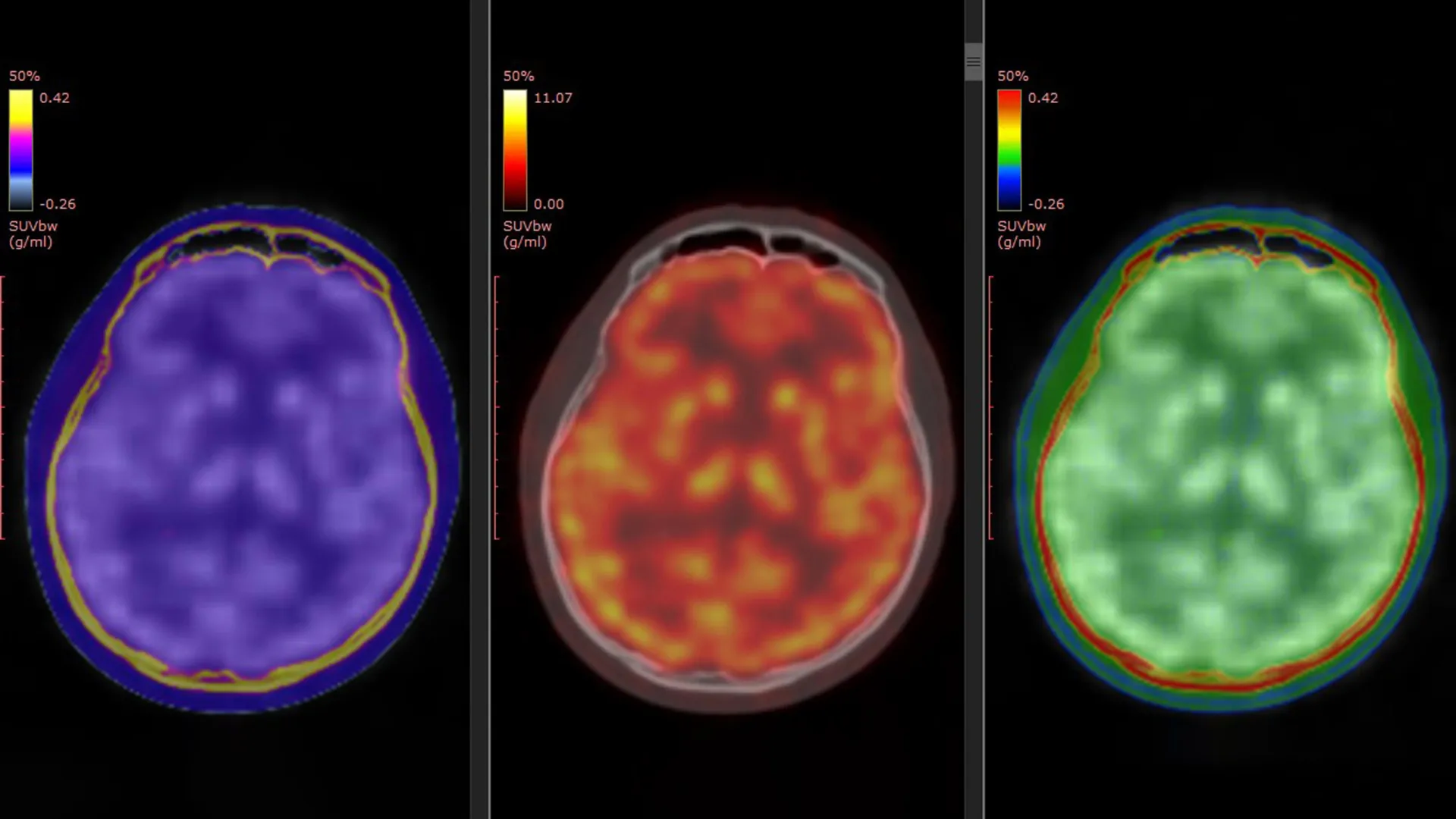
A groundbreaking study, published on March 5, 2026, in the esteemed journal Molecular Psychiatry, has taken a significant stride towards demystifying ketamine’s action. Spearheaded by Professor Takuya Takahashi of the Department of Physiology at Yokohama City University Graduate School of Medicine in Japan, the research team employed a sophisticated positron emission tomography (PET) imaging technique. This advanced methodology allowed for the direct visualization of changes in glutamate α-amino-3-hydroxy-5-methyl-4-isoxazole propionic acid receptors (AMPARs). These crucial protein receptors are instrumental in facilitating communication between brain cells, playing a pivotal role in synaptic plasticity and glutamatergic signaling – processes that are critically impacted in patients undergoing ketamine treatment.
"Although ketamine has shown rapid antidepressant effects in patients with treatment-resistant depression, its molecular mechanism in the human brain has remained unclear," Professor Takahashi stated, underscoring the persistent gap in scientific knowledge that this research sought to bridge.
Visualizing Brain Receptors with a Novel PET Tracer
The cornerstone of this investigation was a novel PET tracer, meticulously developed by Professor Takahashi’s team, designated as [¹¹C]K-2. This innovative tracer possesses the unique ability to render visible the cell-surface AMPARs directly within the living human brain. Prior research, conducted in both laboratory settings and animal models, had posited a strong link between ketamine’s antidepressant effects and AMPAR activity. The present study, however, provides the first direct, empirical evidence of this intricate process unfolding in human subjects.
To achieve this crucial insight, the researchers meticulously pooled data from three distinct, registered clinical trials that had been conducted in Japan. The aggregate study cohort comprised 34 patients formally diagnosed with TRD, alongside 49 healthy individuals who served as a control group. This comparative design was essential for isolating the specific changes attributable to ketamine treatment in the TRD population.
Over a two-week treatment period, participants received either intravenous ketamine or a placebo. Crucially, PET brain imaging was performed at two key junctures: immediately prior to the commencement of treatment and again following the final infusion. This rigorous timeline enabled the research team to meticulously compare and contrast any observed alterations in AMPAR levels and their distribution within the brain before and after the intervention.
Region-Specific Brain Changes Linked to Symptom Relief
The comprehensive analysis of the PET imaging data yielded compelling results. It revealed that individuals diagnosed with TRD exhibited widespread, yet specific, abnormalities in AMPAR density when compared to their healthy counterparts. These deviations were not uniformly distributed across the entire brain but were concentrated within particular neurological regions, suggesting a targeted rather than a diffuse impact.
Furthermore, the study demonstrated that ketamine did not induce uniform changes in AMPAR levels throughout the brain. Instead, the observed improvements in depressive symptoms were directly correlated with dynamic, region-specific modulations in AMPAR density. In certain cortical areas, there was an observable increase in receptor density. Conversely, regions implicated in reward processing, most notably the habenula, showed a reduction in AMPAR levels. These precisely localized shifts in AMPAR distribution were found to be strongly and positively associated with tangible improvements in the patients’ depressive symptomology.
"Ketamine’s antidepressant effect in patients with TRD is mediated by dynamic changes in AMPAR in the living human brain," Professor Takahashi elaborated. "Using a novel PET tracer, [¹¹C]K-2, we were able to visualize how ketamine alters AMPAR distribution across specific brain regions and how these changes correlate with improvements in depressive symptoms." This statement highlights the study’s success in connecting molecular-level brain activity to observable clinical outcomes.
These findings offer critical direct human evidence that not only supports theoretical mechanisms previously identified through animal studies but also firmly connects them to clinically observed antidepressant effects. This validation is a significant step forward in understanding the pharmacology of ketamine.
Potential Biomarker for Predicting Treatment Response
The implications of these findings extend far beyond merely clarifying the neurobiological underpinnings of ketamine’s efficacy. The research also points towards a significant potential for practical clinical application. The ability to visualize AMPAR density using PET imaging could emerge as a valuable biomarker. Such a biomarker could empower clinicians to more accurately assess and, crucially, predict how individual patients diagnosed with TRD are likely to respond to ketamine therapy.
The persistent challenge of identifying reliable biological markers for treatment response remains a paramount goal in contemporary mental health care, particularly given the considerable number of patients who do not achieve adequate relief from standard antidepressant treatments. The development of a predictive biomarker would revolutionize the diagnostic and therapeutic pathway for TRD, enabling more targeted and efficient interventions.
Toward More Personalized Depression Treatments
By enabling scientists to directly observe and quantify AMPAR activity within the living human brain, this pioneering research effectively bridges a long-standing chasm between fundamental laboratory discoveries and the realities of clinical psychiatry. The results unequivocally identify AMPAR modulation as a central mechanistic pathway responsible for ketamine’s rapid antidepressant effects. Moreover, they strongly suggest that AMPAR PET imaging holds the potential to guide the development of more personalized and precisely tailored treatment strategies for individuals struggling with TRD in the future.
Ultimately, this significant scientific endeavor promises to pave the way for the development of more sophisticated and effective therapies, offering renewed hope and improved outcomes for the millions living with the profound challenges of treatment-resistant depression.
The research was generously supported by funding from several key institutions, including the Ministry of Education, Culture, Sports, Science and Technology (Special Coordination Funds for Promoting Science and Technology); the Japan Agency for Medical Research and Development (AMED) under grant numbers JP18dm0207023, JP19dm0207072, JP24wm0625304, JP25gm7010019, and JP20dm0107124; the Japan Society for the Promotion of Science KAKENHI under grant numbers 22H03001, 20H00549, 20H05922, 23K10432, 19H03587, 20K20603, 22K15793, and 21K07508; the Takeda Science Foundation; the Keio Next-Generation Research Project Program; the SENSHIN Medical Research Foundation; and the Japan Research Foundation for Clinical Pharmacology. This multi-faceted support underscores the collaborative and resource-intensive nature of such advanced neuroscientific investigations.
Broader Context and Implications for Depression Treatment
The emergence of ketamine as a rapid-acting antidepressant has been a transformative development in the field of psychiatry, particularly for patients with TRD who have often exhausted conventional treatment options. Prior to the advent of ketamine, the typical timeline for antidepressant efficacy was weeks to months, a period that could be agonizingly long for individuals experiencing severe depressive episodes. Ketamine’s ability to provide relief within hours or days has offered a critical lifeline, but its mechanism has been a subject of intense scientific inquiry.
The current study, by providing direct visualization of AMPAR activity in humans, offers a crucial piece of the puzzle. AMPARs are a type of ionotropic glutamate receptor, and glutamate is the primary excitatory neurotransmitter in the brain. Dysregulation of glutamatergic signaling has been implicated in various neuropsychiatric disorders, including depression. Ketamine, while primarily known as an NMDA receptor antagonist, has also been shown to modulate AMPAR function. This new research solidifies the link between ketamine, AMPARs, and antidepressant effects in humans, moving beyond correlational studies and animal models.
The identification of specific brain regions where AMPAR changes correlate with symptom improvement is particularly noteworthy. The habenula, a small but highly interconnected structure in the epithalamus, plays a critical role in processing aversive stimuli, negative reward, and motivation. Reductions in AMPAR density in this region, as observed in the study following ketamine treatment, could suggest that ketamine helps to rebalance the brain’s reward circuitry, reducing the impact of negative experiences and improving motivation. Conversely, increased AMPAR density in cortical areas may indicate enhanced neuronal communication and processing in regions involved in mood regulation and cognitive function.
Future Directions and the Promise of Personalized Medicine
The implications for personalized medicine are substantial. If AMPAR PET imaging can reliably predict treatment response, it could spare patients from undergoing ineffective treatments and accelerate their access to therapies that are more likely to work. This could involve optimizing ketamine dosage and frequency based on individual receptor profiles or even guiding the development of novel AMPAR-targeting drugs.
Moreover, understanding the precise mechanisms by which ketamine works could inspire the development of entirely new classes of antidepressants that target AMPARs or related pathways. This could lead to treatments with fewer side effects or improved efficacy for specific subgroups of patients.
While this study represents a significant leap forward, further research is warranted. Larger, multi-center trials could help to validate these findings and refine the use of AMPAR PET imaging as a clinical tool. Longitudinal studies examining the long-term effects of ketamine on AMPARs and their association with sustained remission would also be invaluable.
The scientific community’s response to these findings has been overwhelmingly positive, with many researchers in the field of depression research hailing the study as a landmark achievement. Dr. Anya Sharma, a leading neuroscientist not involved in the study, commented, "This work is truly transformative. For years, we’ve seen the clinical promise of ketamine, but the ‘how’ remained a significant question mark. Professor Takahashi’s team has provided direct, visual evidence that links molecular changes in the brain to real-world symptom relief. This opens up exciting avenues for biomarker development and precision psychiatry."
The journey towards fully understanding and effectively treating Major Depressive Disorder, especially its treatment-resistant forms, is ongoing. However, the research conducted by Professor Takahashi and his colleagues marks a pivotal moment, illuminating the complex brain mechanisms at play and paving the way for a future where depression treatment is more precise, personalized, and ultimately, more effective.
