
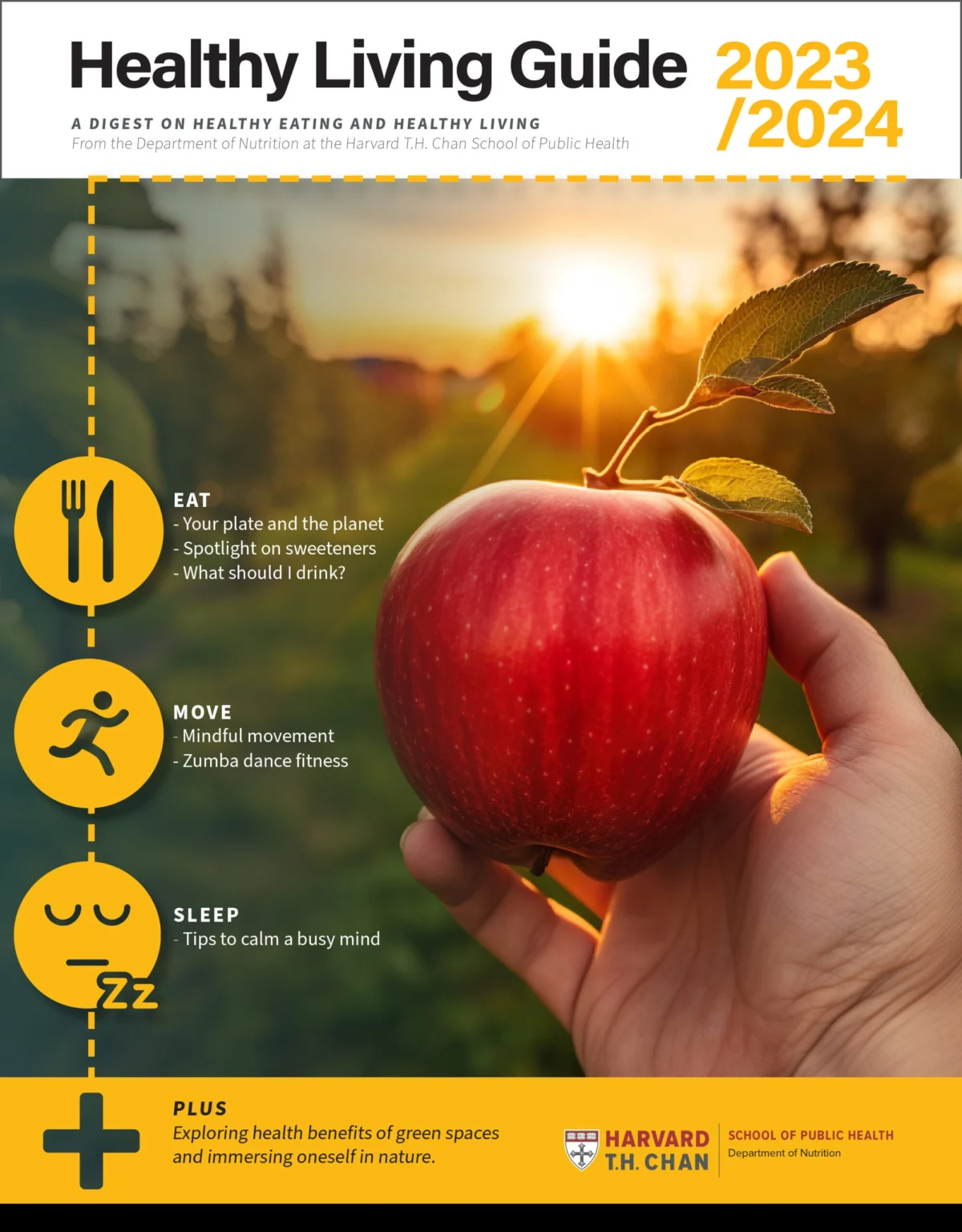
The fourth edition of the Healthy Living Guide has been released by the Department of Nutrition, coinciding with the start of a new year and marking a significant development within the department: the launch of the Thich Nhat Hanh Center for Mindfulness in Public Health. This new center, situated within the department, is dedicated to exploring and implementing mindfulness practices to enhance well-being on a population level. Its mission extends beyond individual health, aiming to foster healthier communities and a more mindful global populace. A central tenet of the Center’s research is the profound connection between mindful eating and its impact on both personal health and the health of the planet. This theme is woven throughout the newly published guide, offering readers practical insights and research-backed information.
Background and Context: The Emergence of the Thich Nhat Hanh Center for Mindfulness in Public Health
The establishment of the Thich Nhat Hanh Center for Mindfulness in Public Health represents a strategic expansion of the Department of Nutrition’s commitment to holistic well-being. The center is named in honor of the esteemed Zen master and peace activist, Thich Nhat Hanh, whose teachings emphasized the transformative power of mindfulness in everyday life. The center’s core objective is to bridge the gap between the ancient wisdom of mindfulness and contemporary public health challenges. Researchers at the center are focusing on developing and evaluating interventions that integrate mindfulness into public health strategies, with a particular emphasis on nutrition and eating behaviors.
The initiative gained momentum throughout 2023, culminating in its official launch alongside the release of the Healthy Living Guide. This timing underscores the interconnectedness of the center’s mission and the guide’s content. The center aims to conduct rigorous scientific research to demonstrate the efficacy of mindfulness-based approaches in preventing chronic diseases, promoting mental health, and fostering sustainable food systems. Early discussions and planning phases involved collaboration with leading experts in mindfulness, public health, and nutrition, setting a robust foundation for future research and programming.
Key Themes and Research Highlights in the 2023-2024 Healthy Living Guide
The 2023-2024 Healthy Living Guide continues to address the perennial pillars of healthy living: nutrition, physical activity, and sleep. However, this edition uniquely integrates the principles of mindfulness, reflecting the Department of Nutrition’s expanded focus.
Ultra-Processed Foods and Mental Health: A Growing Concern
One of the significant research highlights featured in the guide is the ongoing investigation into the links between the consumption of ultra-processed foods (UPFs) and mental health outcomes. A growing body of scientific evidence suggests a correlation between high intake of UPFs and an increased risk of depression, anxiety, and other mood disorders. UPFs, characterized by their extensive processing, often contain high levels of added sugars, unhealthy fats, sodium, and artificial additives, while being low in essential nutrients and fiber.
- Supporting Data: Studies published in journals such as JAMA Internal Medicine and The American Journal of Clinical Nutrition have consistently pointed to this association. For instance, a 2023 meta-analysis encompassing data from over 150,000 participants found that individuals with the highest consumption of UPFs had a significantly increased risk of developing depression compared to those with the lowest intake. The mechanisms are thought to involve inflammation, gut microbiome dysregulation, and nutrient deficiencies, all of which can negatively impact brain function and mood regulation.
- Analysis of Implications: The widespread availability and affordability of UPFs pose a substantial public health challenge. The findings highlight the need for public health policies aimed at reducing UPF consumption, such as clearer food labeling, taxation on unhealthy products, and initiatives to promote access to whole, unprocessed foods. For individuals, this research reinforces the importance of making informed food choices that prioritize nutrient-dense options for both physical and mental well-being.
Turning Up the Tunes and Moving with Zumba: The Joy of Mindful Movement
The guide also explores the intersection of physical activity and mindfulness, specifically highlighting the benefits of engaging in enjoyable forms of exercise like Zumba. This approach aligns with the Thich Nhat Hanh Center’s emphasis on mindful engagement with daily activities. Zumba, a popular dance fitness program, combines high-energy music with a blend of Latin and international dance rhythms, offering a fun and effective way to improve cardiovascular health, burn calories, and boost mood.
- Background Context: The concept of mindful movement encourages individuals to be present and aware of their bodies during physical activity, rather than solely focusing on performance or outcomes. This can enhance the enjoyment of exercise, reduce stress, and promote a more sustainable relationship with physical activity.
- Statements/Reactions (Inferred): Fitness instructors and participants often report feeling more energized and less stressed after a Zumba class, attributing this to the combination of music, movement, and social interaction. The guide likely features insights from fitness professionals and researchers who advocate for incorporating such joyful and engaging activities into regular fitness routines.
- Analysis of Implications: By framing physical activity through a lens of enjoyment and mindfulness, the guide encourages individuals who may find traditional exercise regimens daunting. This approach can lead to increased adherence to physical activity guidelines, contributing to better long-term health outcomes and improved mental well-being.
Sleep Chronotypes: Understanding Your Natural Sleep Patterns
Another critical area addressed in the guide is the concept of sleep "chronotypes." Chronotypes refer to an individual’s natural inclination to sleep and wake at certain times, often categorized as early birds (larks), night owls, or intermediate types. Understanding one’s chronotype is crucial for optimizing sleep quality, which in turn impacts overall health, cognitive function, and mood.
- Supporting Data: Research on chronotypes indicates that misalignment between an individual’s internal biological clock and their external environment (e.g., work schedules, social demands) can lead to "social jetlag." This can result in chronic sleep deprivation, impaired performance, and an increased risk of metabolic disorders, cardiovascular disease, and mental health issues. Studies have also shown genetic predispositions influencing chronotype.
- Timeline/Chronology: The scientific study of chronobiology has evolved significantly over the past few decades, with increasing recognition of its importance in public health. The guide likely presents a synthesis of recent findings that shed light on the diverse spectrum of human sleep patterns and their health implications.
- Analysis of Implications: The guide likely provides actionable advice for individuals to identify their chronotype and make adjustments to their daily routines to better align with their natural sleep-wake cycles. This could include recommendations for adjusting work or study schedules where possible, optimizing sleep environments, and practicing good sleep hygiene tailored to individual chronotype needs. For employers and educational institutions, understanding chronotypes could inform policies to create more supportive environments for employee and student well-being.
The Role of Mindfulness in Healthy Eating
The integration of mindfulness into healthy eating practices is a cornerstone of the new Healthy Living Guide, directly influenced by the launch of the Thich Nhat Hanh Center. Mindful eating involves paying full attention to the experience of eating, including the taste, texture, smell, and appearance of food, as well as recognizing bodily hunger and fullness cues without judgment.
- Background Context: Traditional dietary advice often focuses on macronutrient intake and calorie counting. Mindful eating offers a complementary approach that addresses the psychological and behavioral aspects of eating. It encourages a more compassionate and intuitive relationship with food, moving away from restrictive dieting and towards a sustainable, enjoyable way of nourishing the body.
- Supporting Data: Studies published in journals such as Mindfulness and the Journal of Behavioral Medicine have demonstrated that mindful eating interventions can lead to reduced binge eating, improved weight management, and increased consumption of healthier foods. The practice can also help individuals identify emotional triggers for overeating and develop healthier coping mechanisms.
- Statements/Reactions (Inferred): Experts in nutrition and psychology likely emphasize that mindful eating is not a diet but a practice that can be cultivated over time. They might suggest starting with small steps, such as paying attention to the sensory experience of one meal per day or practicing mindful breathing before eating.
- Analysis of Implications: By promoting mindful eating, the guide aims to empower individuals to develop a more balanced and healthier relationship with food, free from guilt and shame. This approach has the potential to contribute to long-term dietary changes and improved overall health, aligning with public health goals of reducing diet-related chronic diseases.
Downloadable Guide and Resources
The Healthy Living Guide is available for download as a printable PDF, featuring tip sheets and summaries for easy reference. The guide also provides links to access many of the full online articles that inform its content. This dual approach ensures accessibility for a wide audience, catering to those who prefer digital access and those who benefit from physical copies for ongoing consultation.
- Official Response (Inferred): The Department of Nutrition likely expresses enthusiasm for the guide’s release and its potential to positively impact public health. They may emphasize their commitment to providing evidence-based information and practical tools to support individuals in their pursuit of healthy living. The inclusion of the Thich Nhat Hanh Center’s mission signifies a forward-looking approach to health and well-being.
Broader Impact and Future Directions
The Healthy Living Guide, with its expanded focus on mindfulness and its integration into established pillars of health, represents a significant step in promoting a more comprehensive understanding of well-being. The launch of the Thich Nhat Hanh Center for Mindfulness in Public Health signals a commitment to research and implementation of mindfulness-based strategies at a population level.
- Analysis of Implications: The long-term implications of this initiative are far-reaching. By promoting mindful eating, movement, and sleep, the department is contributing to a shift in public health discourse, moving beyond a solely biomedical model to encompass psychological, social, and environmental factors. The research generated by the center is expected to inform public health policy, educational programs, and clinical practice, ultimately fostering healthier individuals and communities.
- Future Directions: Future editions of the Healthy Living Guide will likely continue to explore the evolving landscape of nutrition science and the applications of mindfulness in public health. The Thich Nhat Hanh Center is poised to become a leading voice in this interdisciplinary field, conducting innovative research and disseminating evidence-based interventions that promote holistic well-being for all. The department’s commitment to providing accessible resources, like the downloadable guide, ensures that this vital information reaches a broad audience, empowering individuals to make informed choices for a healthier and more fulfilling life in 2024 and beyond.
