
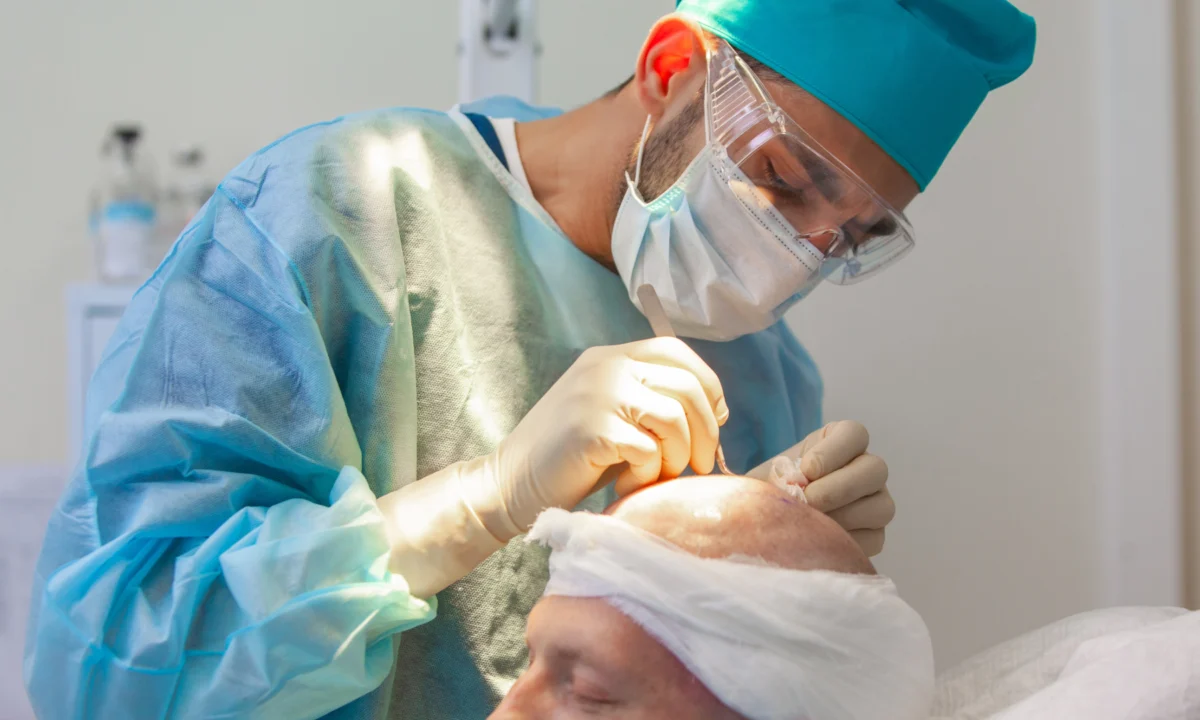
The landscape of medical aesthetics has undergone a radical transformation over the last decade, transitioning from a niche sector of elective dermatology and plastic surgery into a multi-billion-pound global industry. At the center of this evolution is the Aesthetics Journal, a primary information hub for practitioners, which has established itself as a critical resource for clinical education, regulatory updates, and industry news. By leveraging a diverse array of media—including digital webinars, podcasts, monthly print journals, comprehensive market reports, and expert interviews—the platform serves as a connective tissue for a community that includes doctors, nurses, dentists, and clinic managers. This multichannel approach is designed to meet the increasing demand for high-level professional development in an era where patient safety and clinical excellence are under intense public and regulatory scrutiny.
The integration of the Aesthetics Journal within the broader portfolio of Easyfairs, a global leader in event organization, has further solidified its position. This partnership facilitates a synergy between digital content and live educational experiences, such as the Aesthetics Conference & Exhibition (ACE) and Clinical Cosmetic & Reconstructive (CCR). Through this ecosystem, the journal does not merely report on the industry but actively shapes its standards by providing practitioners with the evidence-based data required to navigate a complex and rapidly changing clinical environment.
The Strategic Evolution of Professional Aesthetic Communication
The history of communication within the aesthetics sector was once characterized by fragmented information and a lack of standardized clinical reporting. Before the digital pivot of the early 21st century, practitioners relied heavily on physical conferences and localized networking. The emergence of the Aesthetics Journal provided a centralized repository for peer-reviewed content and industry-wide news. Over time, the publication transitioned from a traditional print format to a comprehensive multimedia platform.
The timeline of this evolution mirrors the growth of the industry itself. In the early 2010s, following the 2013 Keogh Review in the United Kingdom, there was a significant push for better regulation and higher educational standards in non-surgical interventions. The journal responded by increasing its focus on clinical safety and legislative advocacy. By the time Easyfairs acquired the brand, the infrastructure was in place to scale these efforts. The subsequent years saw the introduction of digital-first initiatives, including a robust webinar series and a dedicated podcast, ensuring that information was accessible to a global audience of medical professionals.
Data-Driven Growth and Market Dynamics
The importance of a dedicated professional journal is underscored by the sheer scale of the aesthetics market. According to recent industry data, the global medical aesthetics market was valued at approximately $15.4 billion in 2023 and is projected to grow at a compound annual growth rate (CAGR) of 11% through 2030. Within the United Kingdom, the market for non-surgical procedures, including botulinum toxin injections and dermal fillers, accounts for a significant portion of this expenditure, with estimates suggesting the domestic market exceeds £3.6 billion annually.
This growth brings significant challenges, particularly regarding the dissemination of accurate clinical data. Market reports published by the Aesthetics Journal provide practitioners with essential insights into patient demographics, emerging treatment trends—such as the rise of regenerative medicine and biostimulators—and economic forecasts. For instance, recent data indicates a 20% increase in demand for "pre-juvenation" treatments among patients aged 25 to 35, a shift that requires practitioners to adapt their clinical approaches and ethical frameworks. By providing these statistics, the journal enables clinic owners to make informed business decisions while maintaining a focus on patient-centric care.
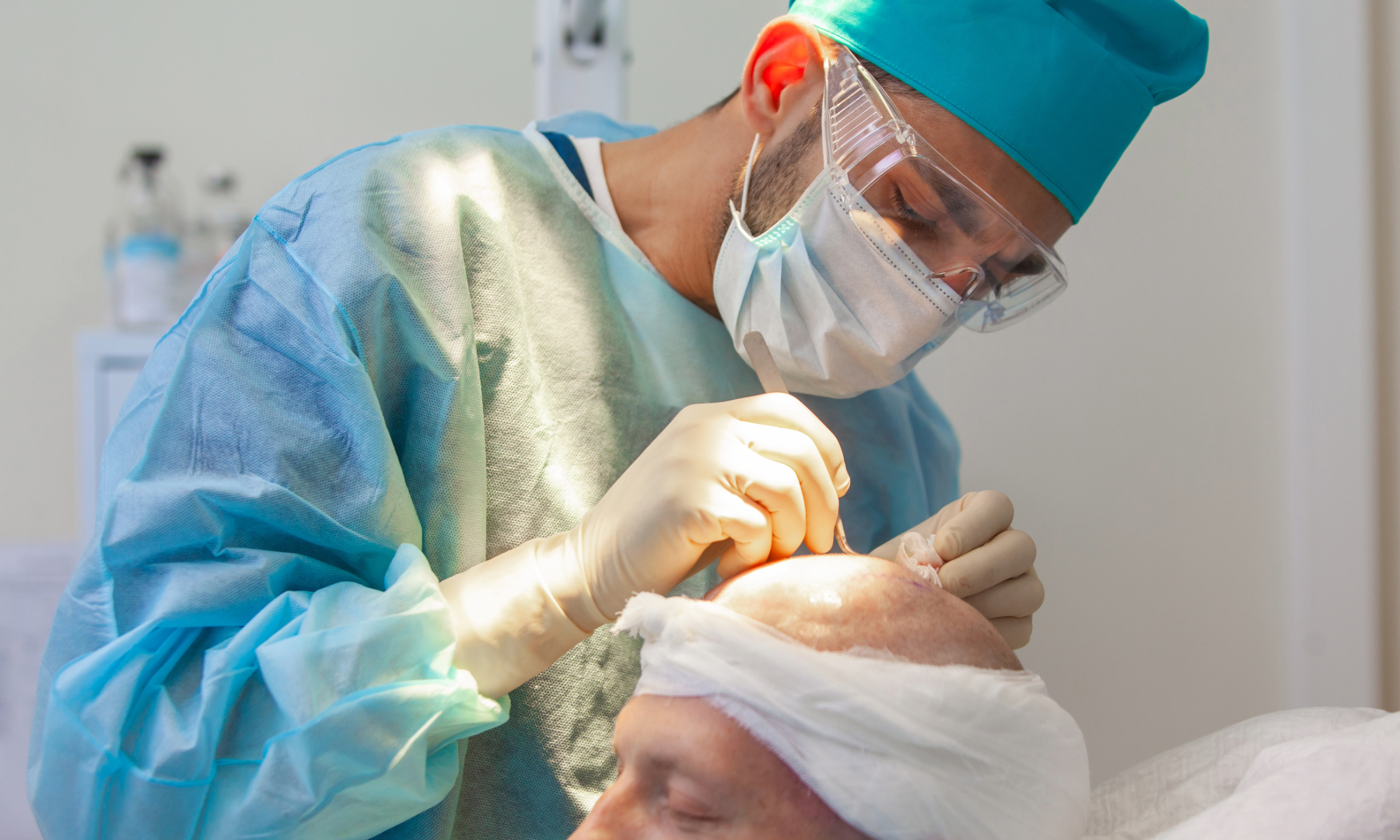
Multichannel Educational Delivery and Clinical Excellence
The modern aesthetic practitioner requires a flexible learning model that fits into a demanding clinical schedule. The Aesthetics Journal’s commitment to providing information across "webinars, podcasts, the Journal, reports, and interviews" addresses this need for versatility.
The Role of Peer-Reviewed Literature
The monthly print and digital journal remains the cornerstone of the brand’s educational offering. Unlike consumer-facing beauty magazines, the journal focuses on peer-reviewed clinical papers that detail injection techniques, anatomy, complication management, and the pharmacology of aesthetic products. This academic rigor is essential for maintaining the "medical" in medical aesthetics, ensuring that treatments are grounded in science rather than marketing trends.
Digital Innovation: Webinars and Podcasts
Webinars have become a vital tool for real-time education, allowing practitioners to observe live demonstrations and engage in Q&A sessions with international Key Opinion Leaders (KOLs). This format is particularly effective for introducing new technologies, such as advanced laser systems or ultrasound-guided filler injections. Complementing this is the Aesthetics Journal podcast, which offers a more conversational but equally informative look at the industry. Podcasts allow for deep dives into the "soft skills" of aesthetics, including patient psychology, ethical marketing, and clinic management, which are often overlooked in traditional clinical training.
Expert Interviews and Case Studies
By interviewing leading surgeons, dermatologists, and aesthetic nurses, the journal provides a platform for diverse perspectives. These interviews often highlight the nuances of clinical practice that cannot be captured in a data table. Case studies, meanwhile, offer a "lessons learned" approach, particularly regarding the management of adverse events like vascular occlusions or delayed-onset nodules. This transparency is crucial for fostering a culture of safety within the community.
Regulatory Impact and Industry Response
The aesthetics industry is currently at a legislative crossroads, particularly in the UK, where the government is moving toward a licensing scheme for non-surgical cosmetic procedures. The Aesthetics Journal has played a pivotal role in this process, acting as a liaison between regulatory bodies—such as the Joint Council for Cosmetic Practitioners (JCCP) and the British College of Aesthetic Medicine (BCAM)—and the wider practitioner community.
Statements from industry leaders often emphasize the necessity of a unified voice during periods of regulatory change. Inferred reactions from the professional community suggest that the journal’s reporting on the Health and Care Act 2022 and subsequent consultations has been instrumental in helping practitioners prepare for new mandatory standards. By providing clear, factual summaries of complex legal documents, the journal ensures that its readers are not only compliant but are also active participants in the push for higher industry standards.
Furthermore, the journal’s involvement in industry awards and recognition programs serves to highlight best practices. These accolades are not merely celebratory; they serve as a benchmark for excellence, encouraging clinics to invest in continuous training and robust safety protocols.

Broader Implications for Patient Safety and Public Trust
The ultimate beneficiary of a well-informed aesthetic community is the patient. In an industry often plagued by "cowboy injectors" and unregulated products, the presence of a professional journal that champions evidence-based practice is a vital safeguard. The information disseminated through the Aesthetics Journal’s various channels helps to standardize care across the country.
When practitioners are educated on the latest anatomical research and complication management, the risk of patient harm is significantly reduced. Moreover, the journal’s focus on ethical practice helps to combat the commoditization of medical procedures. By treating aesthetics as a medical discipline rather than a retail service, the journal helps to rebuild public trust which has, at times, been eroded by unethical marketing practices and poor clinical outcomes.
The collaboration with Easyfairs also ensures that this information has a physical presence. The transition from reading a report in the journal to attending a live demonstration at an Easyfairs event creates a continuous loop of learning. This "blended learning" approach is increasingly recognized as the most effective way to maintain clinical competency in high-stakes medical fields.
Future Outlook: Technology and Global Connectivity
Looking forward, the Aesthetics Journal is positioned to lead the industry into a new era of digital integration. The rise of Artificial Intelligence (AI) in skin analysis, the development of the "metaverse" for surgical simulation, and the increasing use of tele-aesthetics are all topics that the journal is beginning to explore. As the industry becomes more globalized, the journal’s role in connecting UK practitioners with international innovations will become even more significant.
The commitment to bringing "up-to-date information… across a variety of media" is more than a marketing slogan; it is a necessary response to the speed of modern medical advancement. As new products enter the market and new regulations are enforced, the need for a reliable, objective, and professional source of truth becomes paramount. Through its rigorous editorial standards and strategic industry partnerships, the Aesthetics Journal continues to be the definitive record and guide for the aesthetics community, ensuring that the pursuit of beauty is always underpinned by the principles of medicine.
