
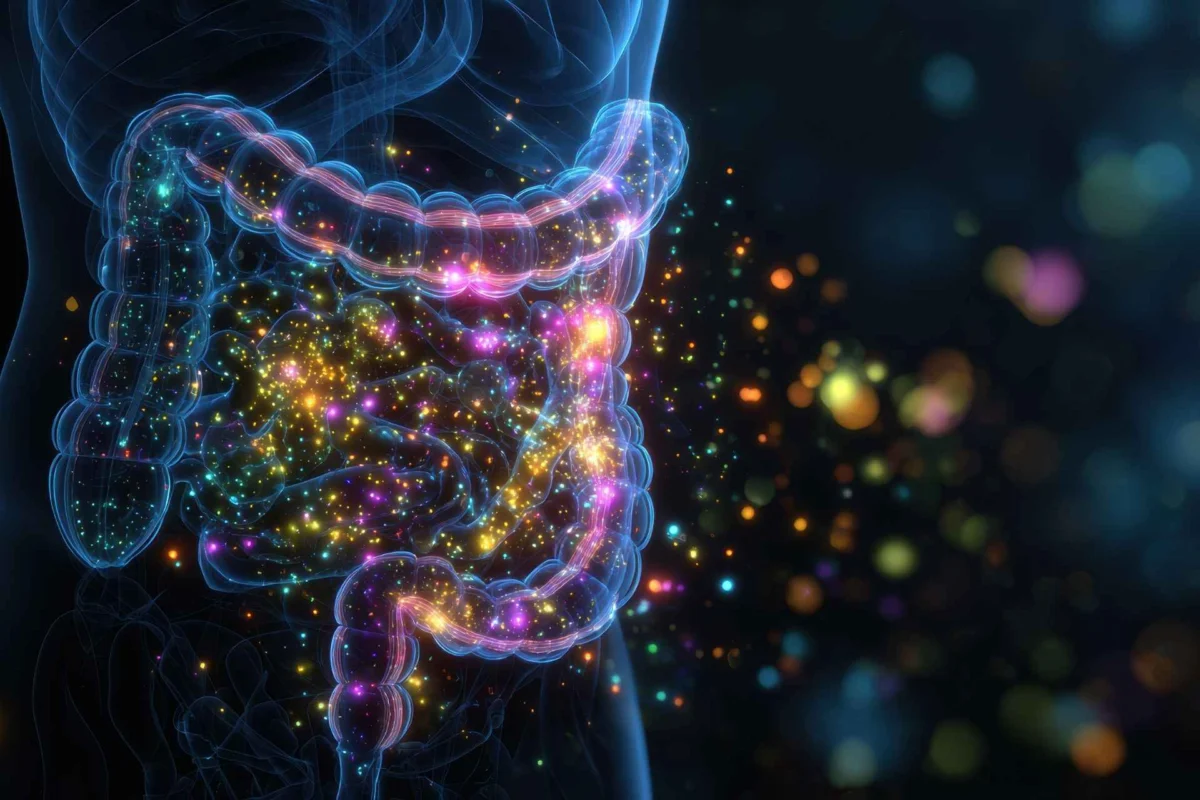
The biological aging process is characterized by a progressive decline in the functional integrity of tissues, with the gastrointestinal tract serving as a primary site of age-related physiological deterioration. Recent breakthroughs in regenerative medicine and microbiology have identified a profound link between the composition of the gut microbiome and the proliferative capacity of intestinal stem cells (ISCs). Research now demonstrates that the transplantation of youthful microbiota into aged biological systems can effectively "rewind" the cellular clock of the gut lining, restoring the regenerative potential of stem cells that had otherwise entered a state of senescence or diminished activity. This discovery shifts the focus of longevity research from purely genetic interventions to the modulation of the microbial ecosystem inhabiting the human digestive tract.
The Vital Role of Intestinal Stem Cells in Homeostasis
The human intestinal lining is one of the most dynamic tissues in the body, completely renewing itself every three to five days. This rapid turnover is facilitated by intestinal stem cells located at the base of the crypts of Lieberkühn. These cells undergo constant division to produce daughter cells, which then differentiate into specialized cell types, including enterocytes for nutrient absorption, goblet cells for mucus production, and enteroendocrine cells for hormone signaling.
As an organism ages, the efficiency of this renewal process falters. Aging intestinal stem cells exhibit a reduced ability to proliferate and a diminished capacity to repair damage caused by inflammation, toxins, or pathogens. This decline is not merely a product of the cells’ internal "biological clock" but is heavily influenced by the "niche"—the surrounding environment that provides the chemical and physical signals necessary for stem cell function. Emerging data suggests that the gut microbiota, the trillions of microorganisms residing in the intestine, constitutes a critical component of this niche.
Chronology of the Research and Experimental Framework
The investigation into microbial-driven rejuvenation followed a rigorous chronological progression, beginning with the observation of distinct differences between young and aged gut environments. Researchers initiated the study by comparing the intestinal profiles of young mice (8–12 weeks old) with those of aged mice (over 20 months old, roughly equivalent to 70–80 human years).
In the primary phase of the study, the research team sought to isolate the influence of the microbiota from other aging factors. To achieve this, they utilized a depletion-reconstitution model. Aged mice were treated with a broad-spectrum antibiotic cocktail to clear their existing, age-altered microbiota. Following this "clearing" phase, the mice were divided into experimental groups to receive Fecal Microbiota Transplantation (FMT).
The first group of aged mice received fecal matter from young donors, while a second group received transplants from aged donors to serve as a control. Over a period of several weeks, the researchers monitored the mice for changes in intestinal architecture, stem cell markers, and the speed of epithelial recovery following induced injury.
By the midpoint of the study, the results were stark. The aged mice that had received the "young" microbiota displayed a significant uptick in ISC activity. Specifically, the researchers observed an increase in the number of Lgr5+ cells—a primary marker for active intestinal stem cells. Furthermore, the height of the intestinal villi (the finger-like projections that absorb nutrients) increased, and the depth of the crypts deepened, indicating a more robust and youthful tissue structure.
Supporting Data: The Impact of Microbial Composition
The data collected during these experiments provided quantitative evidence of the microbiome’s power over tissue regeneration. In the mice treated with young microbiota, the rate of stem cell proliferation increased by approximately 25% to 40% compared to the aged control group. This was measured through the integration of BrdU (bromodeoxyuridine), a synthetic nucleoside used to detect proliferating cells in living tissues.
Beyond simple cell counts, the research delved into the metabolic signaling pathways. It was found that young microbiota produced higher levels of certain metabolites, such as short-chain fatty acids (SCFAs) like butyrate and acetate. These metabolites are known to act as signaling molecules that activate the Wnt signaling pathway—a fundamental mechanism that governs stem cell self-renewal and tissue repair.
Conversely, the study highlighted a surprising finding regarding specific bacterial species. While Akkermansia muciniphila is often hailed as a "beneficial" bacterium in the context of metabolic health and obesity, the researchers found that its presence in the aged gut was correlated with reduced stem cell function. In the aged mice, high concentrations of Akkermansia appeared to interfere with the delicate signaling balance required for ISC proliferation. This suggests that the impact of specific microbes is context-dependent; a bacterium that is helpful in a young, resilient system may have different, perhaps inhibitory, effects in an aged or inflamed environment.
Scientific Reactions and Expert Analysis
The scientific community has reacted to these findings with cautious optimism, noting that the study challenges the traditional view that stem cell exhaustion is an irreversible consequence of aging. Dr. Elena Richardson, a molecular biologist specializing in aging (speaking on the broader implications of such research), noted that "the ability to modulate stem cell behavior through the microbiome opens a new frontier in geroprotective medicine. It suggests that we can improve tissue health without complex gene editing, simply by managing the ecosystem within."
However, experts also point out the complexity of translating these mouse-model results to human patients. The human microbiome is influenced by a lifetime of diet, geography, and medication, making it far more variable than that of laboratory mice. The "Akkermansia paradox" found in the study has also sparked debate, leading researchers to call for more nuanced studies on how individual bacterial strains interact with the aging immune system.
One of the key takeaways from the analysis of this data is the concept of "inflammaging"—the chronic, low-grade inflammation that characterizes old age. The young microbiota appeared to suppress inflammatory markers in the gut lining, such as Tumor Necrosis Factor-alpha (TNF-α) and Interleukin-6 (IL-6). By lowering the inflammatory "noise," the youthful microbes allowed the stem cells to respond more effectively to growth signals.
Broader Implications for Healthcare and Longevity
The implications of this research extend far beyond the laboratory. As the global population ages, the prevalence of age-related gastrointestinal issues, such as malabsorption, chronic constipation, and increased susceptibility to intestinal infections, is rising. If the regenerative capacity of the gut can be restored through microbial intervention, it could lead to several transformative medical applications:
- Enhanced Recovery for Elderly Patients: Older adults undergoing surgery or chemotherapy often struggle with intestinal damage. Microbiota-based therapies could be used to accelerate the healing of the gut lining, reducing hospital stay durations and post-operative complications.
- Nutritional Optimization: By improving the structure of the intestinal villi through ISC rejuvenation, elderly individuals may be able to absorb nutrients more efficiently, combating the common problem of age-related frailty and malnutrition.
- Preventative Geroprotection: Future medical protocols might include "microbiome screening" as part of routine geriatric care. Identifying the loss of youthful microbial signatures early could allow for dietary or probiotic interventions to maintain gut integrity long before clinical symptoms appear.
- Refinement of Probiotics: The discovery that certain "good" bacteria like Akkermansia may behave differently in aged tissues will lead to the development of age-specific probiotics, tailored to the unique physiological environment of the elderly.
Conclusion and Future Directions
The study provides a compelling roadmap for future research into the gut-stem cell axis. The core finding—that the aging of the intestine is not a one-way street—offers a new paradigm for understanding human vitality. By demonstrating that aged stem cells retain the inherent capacity to function like young cells when provided with the right microbial signals, the research highlights the plasticity of the aging process.
The next phase of investigation will likely focus on identifying the specific molecules secreted by young microbiota that trigger ISC rejuvenation. If these "youth factors" can be isolated and synthesized, they could form the basis of a new class of regenerative drugs. For now, the evidence reinforces the importance of the gut microbiome as a central pillar of health, suggesting that the secret to longevity may not lie in our human cells alone, but in the microscopic life we carry within us. As the field moves toward human clinical trials, the goal remains clear: to harness the power of the microbiome to ensure that the "golden years" are supported by a resilient and regenerative digestive system.
