
The year 2022 marked a significant period of heightened attention on food and nutrition, with pivotal events like the White House Conference on Hunger, Nutrition, and Health taking center stage. This landmark conference, the first of its kind since 1969, culminated in the development of a comprehensive national strategy aimed at eradicating hunger and substantially improving healthy eating and physical activity levels by the year 2030. While this ambitious plan introduces numerous promising initiatives, including the expansion of vital nutrition assistance programs and the potential inclusion of medically tailored meals within Medicare coverage, experts from the Department of Nutrition at Harvard T.H. Chan School of Public Health have also articulated concerns regarding notable omissions. Their analysis, published in reflection of the event, highlights the absence of crucial policies such as robust protections for children against the pervasive marketing of unhealthy foods and a transformative approach to the food system’s role in addressing climate change. Drs. Frank Hu, Walter Willett, and Lilian Cheung emphasized the necessity of a unified effort, stating, "To have a significant impact, the administration must bring together the public and private sectors, along with philanthropists, academia, and individuals to develop truly sustainable food systems that support both public and planetary health." This perspective underscores the intricate and multifaceted nature of achieving widespread dietary and lifestyle improvements.
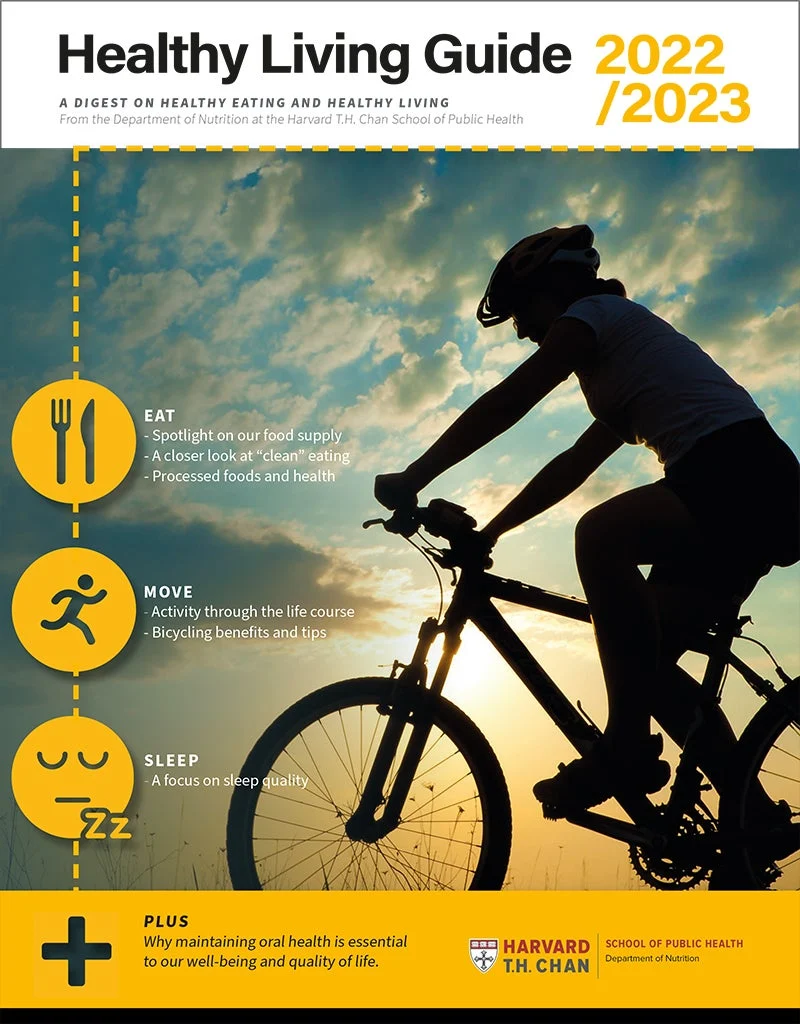
The imperative to develop policies that not only ensure food security for current and future generations but also make healthy choices universally accessible and economically viable remains a significant challenge. In the interim, individuals are encouraged to integrate beneficial behaviors into their daily routines, recognizing that even minor adjustments can contribute to overall well-being. The release of the "Healthy Living Guide" for 2022-2023 serves as a valuable resource in this endeavor, offering practical guidance and supporting materials for individuals seeking to enhance their health.
The White House Conference on Hunger, Nutrition, and Health: A Strategic Overview
The White House Conference on Hunger, Nutrition, and Health, held in September 2022, represented a critical juncture in the nation’s approach to public health. The resulting national strategy, a document over fifty years in the making, outlines a vision for a healthier America by setting ambitious targets for the next decade. The strategy’s core pillars include:
- Ending Hunger: Addressing food insecurity through enhanced support for federal nutrition assistance programs, such as SNAP (Supplemental Nutrition Assistance Program) and WIC (Women, Infants, and Children), and exploring innovative solutions like medically tailored meals for individuals with chronic health conditions.
- Improving Nutrition: Promoting access to nutritious foods and encouraging healthier dietary patterns across all segments of the population. This includes initiatives focused on food labeling, healthy food procurement in public institutions, and educational campaigns.
- Increasing Physical Activity: Fostering environments that support and encourage regular physical activity for all ages, from school-based programs to community-level infrastructure development.
The conference brought together a diverse array of stakeholders, including government officials, researchers, healthcare providers, community leaders, and industry representatives, to foster dialogue and generate actionable solutions. The underlying data driving these initiatives paints a stark picture: the Centers for Disease Control and Prevention (CDC) reports that over 40% of American adults are obese, a condition linked to numerous chronic diseases such as heart disease, stroke, type 2 diabetes, and certain types of cancer. Furthermore, food insecurity remains a persistent issue, with millions of households struggling to access adequate, nutritious food.
Expert Commentary and Identified Gaps in the National Strategy
While the White House strategy has been lauded for its comprehensive scope and ambitious goals, prominent nutrition experts have also pointed out significant areas that warrant further attention and policy development. The Harvard T.H. Chan School of Public Health’s Department of Nutrition, in its commentary, highlighted the critical need to address the influence of unhealthy food marketing, particularly on vulnerable populations like children. The pervasive exposure to advertisements for sugary drinks, processed snacks, and fast food contributes significantly to poor dietary choices and the rising rates of childhood obesity. According to the World Health Organization (WHO), marketing of unhealthy foods to children is a key driver of unhealthy diets and obesity.
Another crucial omission identified by the experts is the imperative to integrate climate change considerations into the food system. The current food system is a substantial contributor to greenhouse gas emissions, deforestation, and water pollution. A truly sustainable food system must not only nourish people but also protect the planet. This involves promoting sustainable agricultural practices, reducing food waste, and encouraging diets that have a lower environmental footprint. The Intergovernmental Panel on Climate Change (IPCC) has repeatedly emphasized the interconnectedness of food systems and climate change, urging for transformative shifts in production and consumption patterns.
The call for collaboration between the public and private sectors, academia, and philanthropic organizations is central to the experts’ critique. They argue that a holistic approach, involving all facets of society, is essential for developing resilient and equitable food systems that prioritize both human and environmental health. This collaborative spirit is crucial for translating the ambitious goals of the national strategy into tangible, long-term change.
The Path Forward: From Policy to Practice
The "Healthy Living Guide" serves as a practical complement to the broader policy discussions, offering individuals tangible steps they can take to improve their health and well-being. The guide, available as a downloadable PDF, features printable tip sheets and summaries that encapsulate key recommendations for healthy eating and lifestyle choices. These resources are designed to empower individuals with actionable advice, making healthy living more accessible and manageable.
The content within the guide likely draws upon established scientific consensus regarding nutrition and public health. Key themes typically covered in such guides include:
- Balanced Nutrition: Emphasizing the importance of a diet rich in fruits, vegetables, whole grains, lean proteins, and healthy fats. This includes recommendations for portion control and limiting intake of added sugars, saturated fats, and sodium.
- Hydration: Highlighting the critical role of adequate water intake for bodily functions and overall health.
- Physical Activity: Encouraging regular moderate-to-vigorous physical activity, aligning with recommendations from health organizations like the American Heart Association, which suggests at least 150 minutes of moderate-intensity aerobic activity or 75 minutes of vigorous-intensity aerobic activity per week, plus muscle-strengthening activities.
- Mindful Eating: Promoting awareness of hunger and fullness cues, and fostering a more conscious relationship with food.
- Sleep and Stress Management: Recognizing the interconnectedness of physical health with adequate sleep and effective stress management techniques.
The inclusion of a quiz within the guide, referencing content from the previous year’s edition, is a pedagogical tool designed to reinforce learning and encourage engagement. This approach acknowledges that consistent reinforcement and active participation are key to adopting and maintaining healthy habits. The full edition of the previous year’s guide serves as a readily available resource for those who wish to delve deeper or refresh their knowledge.
Broader Implications and the Future of Food and Health
The initiatives stemming from the White House Conference and the resources like the "Healthy Living Guide" signal a growing national recognition of the profound impact of food and nutrition on public health, economic productivity, and environmental sustainability. The long-term implications of successfully implementing the national strategy could be far-reaching, including:
- Reduced Healthcare Costs: By mitigating chronic diseases associated with poor diet and physical inactivity, the nation could see significant reductions in healthcare expenditures. The CDC estimates that chronic diseases are responsible for a substantial portion of the nation’s annual healthcare spending.
- Enhanced Educational Attainment and Productivity: Improved nutrition and health among children and adults can lead to better cognitive function, increased school performance, and greater workplace productivity.
- Environmental Stewardship: A shift towards more sustainable food systems will contribute to mitigating climate change, preserving biodiversity, and ensuring the long-term health of our planet.
- Greater Health Equity: By focusing on accessibility and affordability of healthy options, the strategy aims to address disparities in health outcomes that disproportionately affect low-income communities and minority populations.
The challenge ahead is to translate these policy aspirations and informational resources into widespread, sustainable behavioral change. This will require sustained commitment from policymakers, continued innovation from the food industry, robust public health campaigns, and active participation from individuals and communities across the nation. The journey toward a healthier future is a continuous process, and the efforts initiated in 2022 lay a critical foundation for the years to come. The "Healthy Living Guide" represents a vital step in equipping individuals with the knowledge and tools necessary to navigate this journey, emphasizing that collective progress is built upon individual commitment and informed choices. The ongoing dialogue and the commitment to action from institutions like Harvard’s Department of Nutrition underscore the importance of evidence-based guidance in shaping a healthier tomorrow.
